


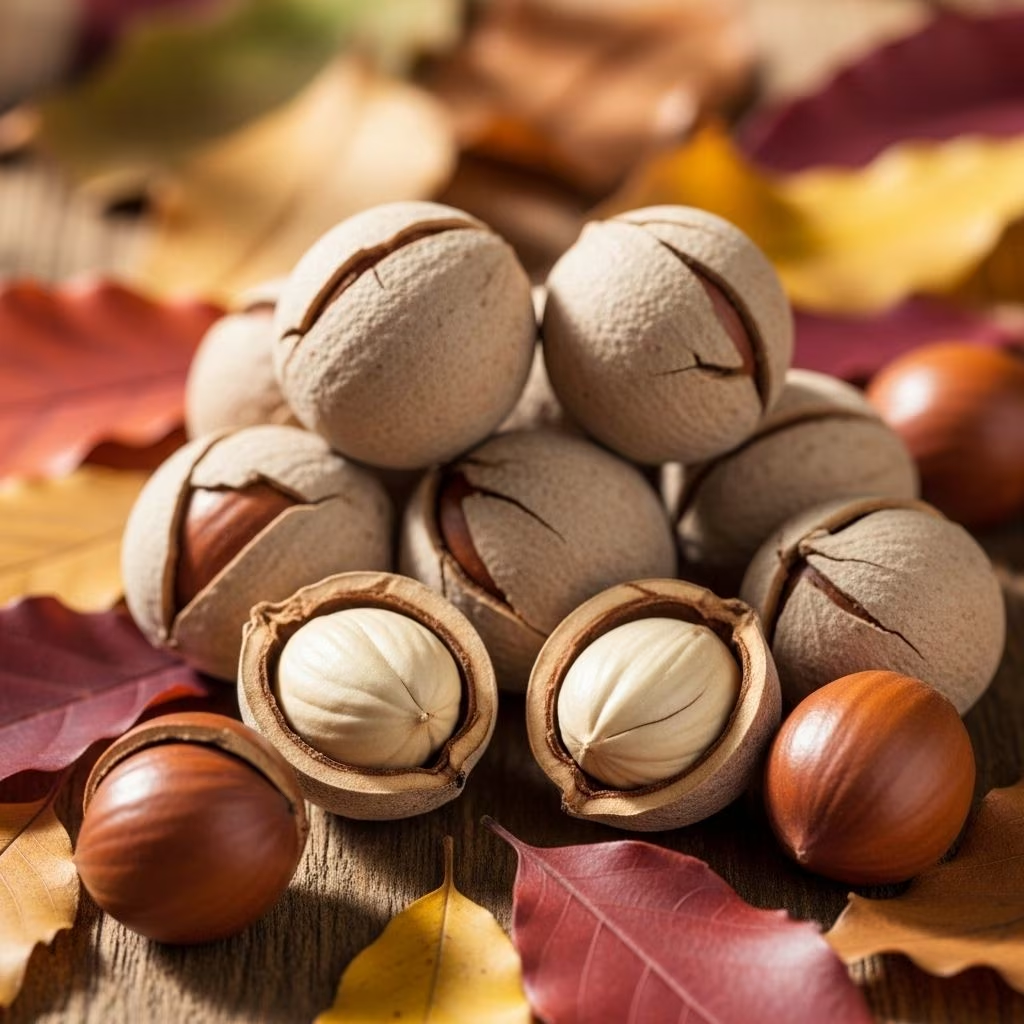
Hickory nuts are prized wild edibles with a fascinating history, nutritional punch, and distinctive flavor. Revered by foragers, home cooks, and nature enthusiasts alike, these nuts are a hidden gem found beneath majestic hickory trees and feature a deliciously unique taste profile. This in-depth guide explores everything you need to know about hickory nuts: what they are, different varieties, benefits, taste, uses, harvesting tips, and common questions.
What Are Hickory Nuts?
Hickory nuts are the large, flavorful seeds produced by several species of Carya (hickory) trees. Characteristically enclosed in thick, tough shells with ridges, these nuts are renowned for their robust, rich, and somewhat oily texture. The nut meat inside provides a distinct, slightly sweet taste with hints of smokiness and sometimes bitterness, depending on the species.
- Origin: Found across North America and parts of Asia, especially throughout the eastern United States.
- Physical Features: Large, hard shells with a fibrous outer husk that splits as it ripens, revealing the edible nut inside.
- Main Uses: Consumed raw, roasted, or used in baking and cooking for their unique flavor profile.
These nuts are more than a foraging curiosity; they have long culinary traditions and cultural significance, cherished by Native American communities and early settlers alike.
Hickory Tree Biology and Nut Varieties
The hickory belongs to the genus Carya in the walnut family (Juglandaceae). With about 18 species (15 in North America and 3 native to Asia), hickory trees are stately deciduous hardwoods that can reach heights of up to 30 meters (100 feet).
Key botanical features of hickory trees:
- Leaves: Compound leaves comprised of 3 to 17 leaflets, serrated edges, and arranged alternately.
- Flowers: Monoecious (each tree has both male catkins and female spikes); pollination produces the signature hickory fruit.
- Fruit/Nuts: Egg-shaped drupes with a fleshy husk splitting into four woody valves, containing the hard nutshell and the kernel (misleadingly called a ‘nut’).
Let’s examine key varieties of edible and non-edible hickory nuts:
| Species/Common Name | Scientific Name | Shell/Husk | Flavor Profile | Notes |
|---|---|---|---|---|
| Shagbark Hickory | Carya ovata | Thick, shaggy bark; round, thick husk | Sweet, rich, buttery | Widely prized; excellent for eating |
| Shellbark Hickory | Carya laciniosa | Thick, hard shell; large nuts | Sweet, mild, nutty | Largest edible hickory nut |
| Mockernut Hickory | Carya tomentosa | Thick shell, small nutmeat | Rich, sweet but less meat | Edible; harder to crack |
| Pignut Hickory | Carya glabra | Thin husk; round, light brown nut | Astringent, bitter (raw) | Can be candied/ground for baking |
| Bitternut Hickory | Carya cordiformis | Thin, dark husk; small nut | Very bitter | Not typically eaten by humans |
Shagbark and shellbark nuts are considered the tastiest, while bitternut is notably bitter and best left for wildlife.
Identifying and Harvesting Hickory Nuts
Identifying safe, edible hickory nuts is essential for foragers:
- Leaf Structure: Narrow leaves, serrated edges, with 2-9 leaflets plus one at the tip; leaves grow in pairs along the stalk.
- Nut Characteristics: Double shells (outer husk and inner shell); inner shells have partitions similar to walnuts.
- Fruit Shape: Depending on species, can be round or egg-shaped, often about as large as a golf ball.
- Time of Harvest: Nuts fall to the ground during autumn; collect those with intact, healthy shells.
- Important: Some poisonous nuts like buckeye have similar shells; always check partitions and compare nut meat.
Foraging etiquette and safety:
- Harvest only mature nuts that have fallen from the tree.
- Leave some for wildlife—hickory nuts are vital food for squirrels, deer, and birds.
- Properly identify species to avoid ingesting bitter or inedible varieties.
Nutritional Profile of Hickory Nuts
Hickory nuts are calorie-dense and packed with essential nutrients, making them an excellent energy source for both people and wildlife.
- Calories: Nearly 200 calories per nut due to high fat and carbohydrate content.
- Fats: Rich in healthy unsaturated fats, mainly oleic acid and linoleic acid.
- Protein: Provides moderate plant-based protein content.
- Vitamins: Contains B vitamins (especially B1, B6), vitamin E.
- Minerals: Good source of magnesium, phosphorus, potassium, and manganese.
- Dietary Fiber: Natural fiber aids digestion and promotes satiety.
This natural energy reserve is one reason why hickory nuts are celebrated as survival food and a favorite among foragers.
Health Benefits
Incorporating hickory nuts into your diet can confer several health benefits:
- Boosts Energy: High fat and calorie content delivers quick bursts of energy, making them an ideal snack on hikes or for physical labor.
- Supports Heart Health: Healthy monounsaturated and polyunsaturated fats help reduce bad cholesterol and support cardiovascular health.
- Rich in Antioxidants: Vitamin E and polyphenols in the nuts help combat oxidative stress, supporting longevity and reducing cellular damage.
- Improves Bone and Brain Health: Phosphorus, magnesium, and B-vitamins contribute to strong bones and healthy nervous system functioning.
- Aids Digestion: Dietary fiber supports gastrointestinal health and keeps you fuller longer, helping manage appetite and weight.
- Natural Protein Source: Useful for those seeking plant-based proteins for tissue repair and muscle building.
Note: While beneficial, their high calorie content means portion control is key for those monitoring caloric intake.
How to Use Hickory Nuts
Hickory nuts have diverse culinary applications, drawing on traditions from Native American porridge (pawcohiccora) to modern baking and snacking:
- Snacking: Enjoy raw or roasted as a flavorful, nutrient-dense snack.
- Baking: Use cracked nutmeats in cookies, muffins, breads, or cakes; the taste shines in desserts and pairs well with chocolate or dried fruits.
- Savory Dishes: Include in salads, stuffings, or as a crunchy topping for roasted vegetables and meats.
- Nut Butters and Spreads: Grind into spreads, or use blended in sauces for unique, smoky undertones.
- Traditional Porridge: Simmered into pawcohiccora, a creamy, satisfying dish enjoyed for centuries.
- Infusions: Steeped to make nut milk or added to liquors for flavoring.
They can replace or complement pecans and walnuts in most recipes, infusing dishes with their signature taste.
Flavor and Taste Profile
The flavor of hickory nuts is often described as:
- Robust and sweet, with a buttery, slightly smoky undertone.
- Nutty richness; some varieties echo the taste of pecans but are a touch more assertive.
- Bitterness in some species—bitternut and pignut hickory can taste astringent or even unpleasant unless specially prepared.
Enthusiasts claim that when fresh and properly roasted, no other nut rivals the flavor complexity of hickory nuts—they are denser and richer than walnuts or even pecans.
Foraging, Preparation, and Storage Tips
To enjoy the best quality nuts, pay attention to foraging and storage methods:
- Gather nuts as soon as they fall to minimize exposure to pests and rot.
- Remove the outer husk and inspect for damage or mold.
- Crack open with a nutcracker or hammer—be prepared for tough shells.
- Extract nutmeat carefully; mockernut and shellbark can be more challenging.
- Store shelled nuts in a cool, dry place for up to several months, or freeze for longer preservation.
- Roast or toast in a dry skillet or oven to intensify sweetness and enhance texture.
Pro tip: Many foragers recommend soaking or leaching nuts from more astringent varieties before using them in recipes.
Potential Allergies and Precautions
- Like all tree nuts, hickory nuts can provoke allergic reactions. Individuals with nut allergies should avoid consuming or handling hickory nuts unless advised by a healthcare provider.
- Some hickory species produce nuts that are not toxic but unpalatable—correctly identify species before consumption to avoid disappointment.
Hickory nuts are not a common allergen compared to other nuts but should be approached with the same care as peanuts or walnuts for those sensitive.
Frequently Asked Questions (FAQs)
Q: Are all hickory nuts edible?
A: Not all. While most hickory species produce edible nuts, several (like bitternut and pignut) are too bitter to enjoy raw. Shagbark and shellbark are prized for eating. Always correctly identify the variety before foraging and consuming.
Q: How do you crack and extract the meat from hickory nuts?
A: Use a sturdy nutcracker or hammer, as the shells are hard and thick. After cracking, carefully extract the meat with a nut pick or small tool. Some types, like mockernut, have less meat and require more patience.
Q: Can you cook with hickory nuts?
A: Absolutely. They add depth to both sweet and savory preparations—think cookies, pies, porridge, salads, and sauces. Roasting them improves flavor and makes shelling easier.
Q: Are hickory nuts safe for pets?
A: While not toxic to most pets, the hard shells pose a risk of choking or injury. Wildlife such as squirrels and birds benefit from these nuts, but avoid giving them to pets without shell removal.
Q: Where can you find hickory nuts for sale?
A: Fresh hickory nuts are most commonly available from foragers, select farmers’ markets, and specialty online retailers, especially in autumn. They are less common in supermarkets due to shelling difficulty and perishability.
Conclusion
Hickory nuts are among nature’s most delicious and power-packed wild foods, treasured for their unique flavor, versatility, and nutritional bounty. Whether you forage them in the wild or select them from specialty markets, hickory nuts offer a delightful addition to your pantry and your table. With the right knowledge, careful preparation, and a spirit of adventure, they can be transformed into memorable meals, shared snacks, and cherished traditional treats.
References
- https://dictionary.langeek.co/en/word/88887?entry=hickory+nut
- https://www.mossyoak.com/our-obsession/blogs/a-beginners-guide-how-to-identify-hickory-nuts
- https://www.farmanddairy.com/top-stories/mother-natures-best-kept-secret-hickory-nuts/797661.html
- https://www.britannica.com/plant/hickory-plant
- https://mnfi.anr.msu.edu/species/description/12378/Obovaria-olivaria
- http://capitalnaturalist.blogspot.com/2017/10/a-hickory-nut-primer.html


