


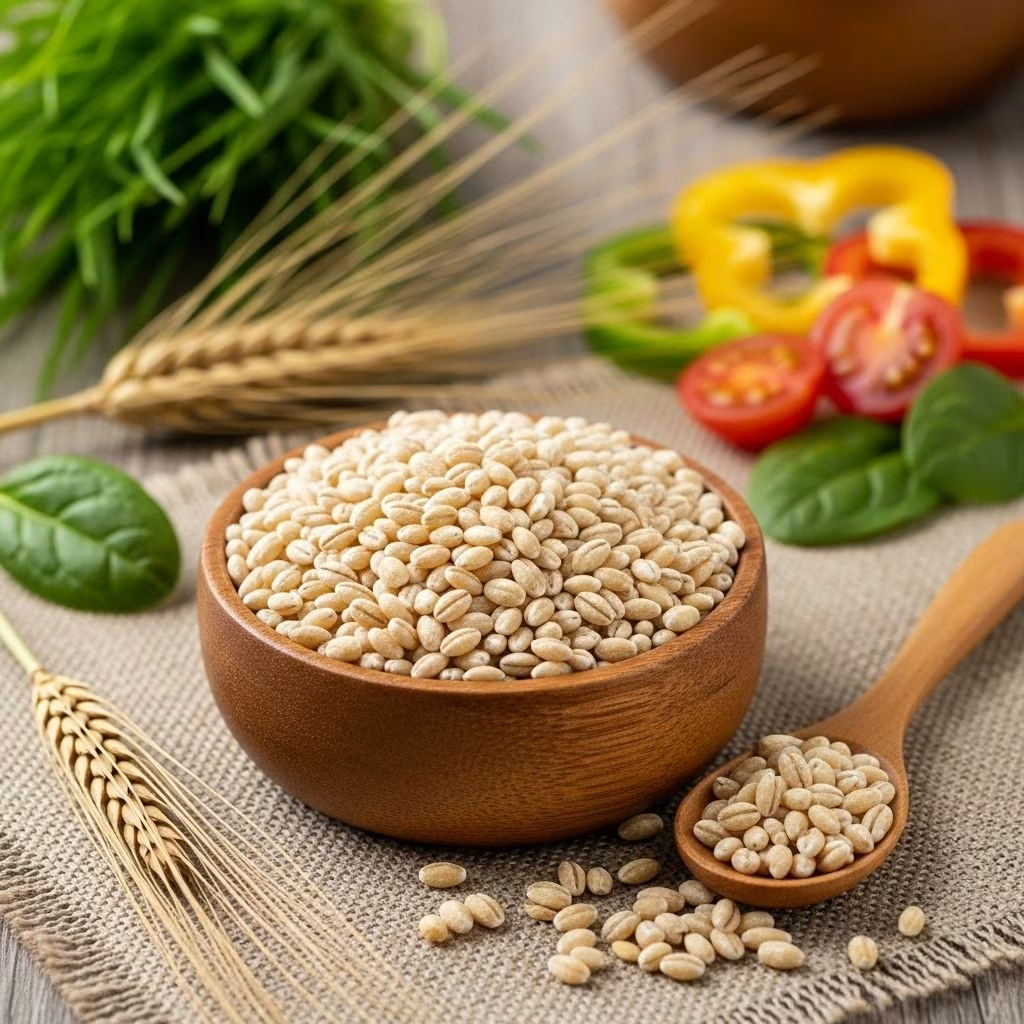
Barley is an ancient whole grain that has nourished humans for thousands of years. Among the different types of barley available today, hull-less barley is rising in popularity for its impressive nutritional profile, ease of preparation, and versatility in cooking. This comprehensive guide dives deep into what hull-less barley is, how it differs from other barleys, its standout health benefits, various uses, and what you can expect when it comes to taste and texture. Read on to discover why hull-less barley deserves a spot in your pantry, and how to make the most of this nutrient-dense grain.
Overview: What Is Hull-less Barley?
Hull-less barley (sometimes called “naked barley”) is a barley variety where the tough, inedible hull naturally separates from the grain during harvest. Unlike the more common types of barley that require additional mechanical processing to remove their tightly-adhered hulls, hull-less barley’s outer layer sheds easily, leaving the whole kernel largely intact and ready for minimal further processing.
- Botanical name: Hordeum vulgare var. nudum
- Key feature: Loosely-attached hull that falls off during harvesting, preserving the bran and germ.
- Also known as: Naked barley
This natural characteristic allows hull-less barley to retain its full spectrum of nutrients, much like brown rice or whole wheat, and makes it a standout option for those seeking minimally processed, whole-grain foods.
Hull-less vs. Hulled vs. Pearled: Understanding Barley Types
| Type | Description | Processing | Nutritional Value |
|---|---|---|---|
| Hull-less Barley | Variety with a naturally loose, easily removed hull. | Minimal; hull detaches at harvest, bran and germ remain intact. | Highest among barley types; excellent source of fiber, protein, vitamins, minerals. |
| Hulled Barley | Barley with a tightly attached hull. | Hull removed mechanically by rolling/tumbling, bran and germ preserved. | Very high; slightly less intact than hull-less, but still considered a whole grain. |
| Pearled Barley | Barley with hull and most of the bran removed. | Extensive; bran and sometimes part of germ are removed (“pearling” process). | Lower; less fiber, fewer micronutrients, but cooks fastest and is most common in stores. |
The key takeaway: Hull-less barley and hulled barley both qualify as whole grains, but hull-less barley is generally less processed and often richer in nutrients. Pearled barley is the least nutritious, as much of the fiber- and vitamin-rich bran layer is lost in processing.
Key Differences at a Glance
- Hull-less barley: Whole grain, best nutritional value, chewy and nutty, longer cooking time.
- Hulled barley: Whole grain, slightly processed, very nutritious.
- Pearled barley: Not a whole grain, least nutritious, fastest to cook, mild taste.
Nutritional Value and Composition
Hull-less barley boasts a robust nutritional profile, making it an exceptional choice for those seeking wholesome foods:
- Dietary Fiber: Exceptionally high, including both soluble and insoluble fiber. Notably rich in beta-glucans (the same cholesterol-lowering fiber found in oats).
- Protein: Good plant-based source; some varieties are high in lysine, an essential amino acid often limited in other cereals.
- Vitamins & Minerals: Contains B vitamins (like niacin, thiamine, B6), iron, magnesium, selenium, copper, manganese, and phosphorus.
- Antioxidants: Contains compounds such as tocotrienols and phenolic acids, which have antioxidant activities.
- Starch Quality: Some hull-less barleys have “waxy” starch, consisting almost entirely of amylopectin, which can affect texture and glycemic response.
Typical Nutritional Values (per 100g uncooked hull-less barley):
- Calories: ~350 kcal
- Protein: 10–12 g
- Dietary Fiber: 15–17 g (Soluble fiber: ~4–6g)
- Total Carbohydrate: 75 g
- Fat: 2–3 g
- Iron: 2–3 mg
Exact values vary by variety and growing conditions but are generally comparable to or superior to hulled barley and whole wheat.
Health Benefits of Hull-less Barley
Hull-less barley stands out among grains for its array of scientifically supported health benefits:
- Supports Heart Health: Beta-glucans in the bran can help lower LDL (“bad”) cholesterol and improve overall cholesterol profiles.
- Stabilizes Blood Sugar: Complex carbohydrates and high fiber content slow digestion, moderating blood sugar spikes and supporting diabetes management.
- Promotes Digestive Health: Abundant insoluble fiber aids regularity and supports a healthy gut microbiome.
- Weight Management: High fiber and protein induce satiety, helping control appetite and support healthy weight.
- May Reduce Cancer Risk: Antioxidants and fiber help protect against some cancers, particularly colorectal cancer, by improving gut health and reducing inflammation.
- Improved Digestibility for Animals: In feed applications, hull-less barley’s absence of tough hulls means higher digestibility and available energy than hulled forms.
Unique Features of Hull-less Barley
- Unlike most grains, some hull-less barley cultivars are naturally higher in lysine, a key essential amino acid.
- Waxy-starch hull-less barleys are particularly high in soluble fiber and can have a unique, creamy texture when cooked.
Culinary Uses and Cooking Tips
Hull-less barley‘s chewy texture and rich, nutty flavor make it highly versatile in the kitchen. Its whole grain nature means it requires a slightly longer cooking time than pearled barley, but is well worth the effort for its nutrient-dense results.
Common Culinary Applications
- Soups and Stews: Classic use owing to its ability to add body and texture.
- Salads: Cooked, chilled, and tossed with vegetables and dressings for hearty grain salads.
- Pilafs and Grain Bowls: Substitute for rice or quinoa for more fiber and a satisfying chew.
- Baking: Add to bread dough or muffins for nutty flavor and extra nutrition. Hull-less barley flour can be blended with wheat flour for pancakes, muffins, and bread.
- Porridge: Simmered with water, milk, or non-dairy alternatives for a wholesome breakfast.
- Side Dishes: Simply boiled or steamed, then dressed with olive oil, herbs, or spices.
- Fermented Foods and Drinks: Used in traditional beverages (barley tea, homebrewing, etc.), but less common for malting due to absence of hulls.
Cooking Tips
- Rinse thoroughly before cooking to remove any field dust.
- Soak 6–8 hours (optional) to shorten cooking time and improve digestibility.
- General ratio: 1 cup dry hull-less barley to 3 cups water or broth.
- Cook time: 40–60 minutes, or until grains are tender but still chewy.
- To add flavor: Cook in stock, or add herbs, garlic, or bay during simmering.
Taste and Texture
Hull-less barley is prized for its rich, nutty, slightly sweet flavor and pleasantly chewy texture. Because it contains the entire bran layer, it offers a more robust and hearty eating experience than pearled barley, which is milder and softer due to bran removal.
Comparing Flavor Profiles
- Hull-less Barley: Nutty, earthy, full-bodied, chewy.
- Hulled Barley: Similar to hull-less but sometimes a bit denser due to slightly more processing.
- Pearled Barley: Mild, creamy, neutral, least chewy; absorbs flavors of soups and sauces well, but less “barley character” overall.
Those who appreciate nutty whole grains (like farro or wheat berries) will likely find hull-less barley especially appealing.
How to Select and Store Hull-less Barley
- Availability: Sold in health food stores, natural grocers, some supermarkets, and online retailers, often labeled as “whole,” “naked,” or “hull-less” barley.
- Label Check: Ensure packaging specifies “hull-less” or “whole grain”—pearled barley will not possess the same nutrition.
- Storage: Due to the intact bran, hull-less barley contains some natural oils (like brown rice) and can go rancid with time; store in a cool, airtight container, preferably in the refrigerator or freezer for prolonged shelf life.
- Shelf Life: Typically 3–6 months at room temperature; up to one year when refrigerated.
Frequently Asked Questions
Q: Is hull-less barley gluten-free?
No. Although it is a whole grain, hull-less barley still contains gluten and is not suitable for those with celiac disease or gluten intolerance.
Q: How do I substitute hull-less barley for pearled barley?
Use the same amounts, but allow for a longer cooking time and add more water as hull-less barley absorbs more liquid and retains its chewy texture.
Q: Can I use hull-less barley in bread?
Yes. Hull-less barley flour can be mixed with wheat flour for bread, muffins, or pancakes to boost nutrition and flavor. Whole cooked grains can also be folded into dough for rustic texture.
Q: What are the main differences in nutrition between hull-less and pearled barley?
Hull-less barley is higher in dietary fiber, protein, vitamins, and minerals, since the nutrient-rich bran and germ remain intact, while pearled barley is more refined and contains fewer nutrients.
Q: Are there any drawbacks to using hull-less barley?
It requires a longer cooking time and has a chewier texture that some may find too robust for delicate dishes. Also, because of the intact oils in the bran, it has a somewhat shorter shelf life and can go rancid if not stored properly.
Conclusion: Embracing Hull-less Barley
Hull-less barley stands out as a wholesome, nutrient-dense, and versatile grain for anyone seeking more plant-based goodness in their diet. Its high fiber content, unique beta-glucans, hearty flavor, and culinary flexibility make it a valuable addition to soups, salads, baked goods, and more. While it does require a bit more cooking effort than pearled barley, the payoff in nutrition, taste, and health benefits is substantial. Explore hull-less barley in your kitchen for a modern take on an ancient superfood.
References
- https://agresearch.montana.edu/wtarc/producerinfo/agronomy-nutrient-management/Barley/BarleyBasics.pdf
- https://www.topcropmanager.com/hulless-barley-challenges-and-prospects-11268/
- https://be-still-farms.com/blogs/healthy-organic-living-blog/hulled-vs-hull-less-and-pearled-barley
- https://www.youtube.com/watch?v=3I-agfLpwHk
- https://www.saskatchewan.ca/business/agriculture-natural-resources-and-industry/agribusiness-farmers-and-ranchers/crops-and-irrigation/field-crops/cereals-barley-wheat-oats-triticale/barley-hulless
- https://www.berkeleyinternational.net/Barley_introduction.htm
- https://blogs.ifas.ufl.edu/marionco/2019/03/01/barley-hulled-or-hulless/
- https://pmc.ncbi.nlm.nih.gov/articles/PMC5583093/


