


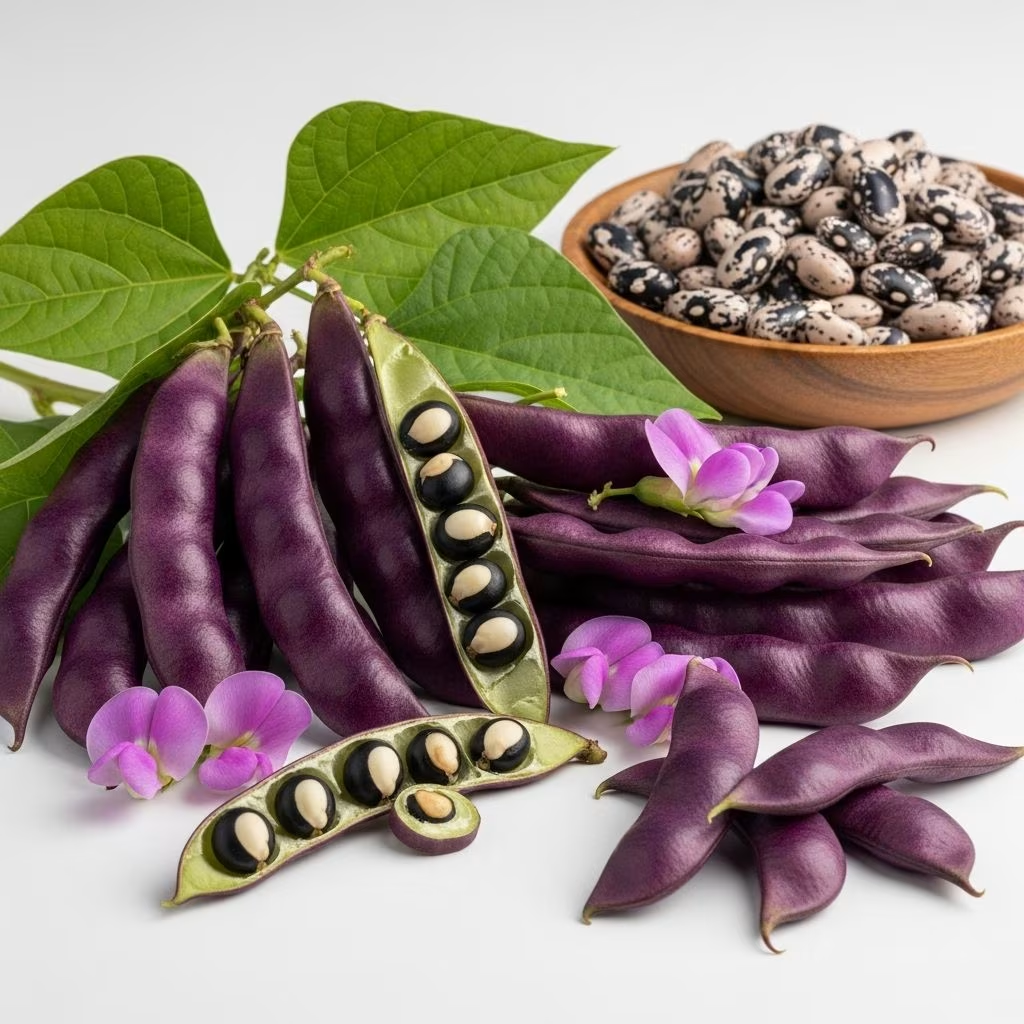
The hyacinth bean (Lablab purpureus) is a vibrant, multi-purpose legume celebrated for its breathtaking beauty, nutritional benefits, and fascinating history. Grown worldwide, especially in warm regions, this twining vine is as prized in edible gardens as in ornamental landscapes. This guide will take you through everything you need to know about hyacinth bean—its origin, health benefits, uses, risks, cultivation, and most notably, its distinctive flavor.
What is Hyacinth Bean?
The hyacinth bean is a leguminous climbing vine native to tropical Africa and widely cultivated across Asia, Africa, and the Americas. Known by many names—such as Egyptian bean, Indian bean, Lablab bean, bonavist bean, and Jefferson vine—the plant is recognized both for its beauty and versatility in food, medicine, and gardening.
It belongs to the family Fabaceae (legume family), making it a relative of peas, common beans, and lentils.
- Scientific Name: Lablab purpureus
- Other Names: Indian bean, Egyptian bean, bonavist bean, Pharoah bean, mouse-ear vine
- Plant Type: Perennial in tropics, annual elsewhere
- Edible Parts: Seeds (beans), pods, leaves, flowers, roots
Origins and History
Hyacinth bean has a rich history, believed to have originated in Africa, where it was domesticated over 4,000 years ago. It quickly spread across Asia, especially India and Southeast Asia, where it is known as “val” or “sem.” In Japan, it is sometimes called “Ingen” bean, after the monk who introduced it from China.
The plant also found favor in Europe and North America as both an edible and ornamental species. American Founding Father Thomas Jefferson famously planted hyacinth beans in his Monticello gardens, referring to them in his writings.
Botanical Description and Characteristics
Hyacinth bean is a fast-growing, vining species that can reach up to 30 feet (9 meters) in tropical environments but usually grows 6–10 feet (2–3 meters) as an annual in temperate climates.
- Leaves: Broad, trifoliate (three-part), lush green to purplish with pointed leaflets
- Flowers: Showy, fragrant clusters; mostly purple and pink, but also white, blue, or red varieties
- Pods: Flat, sickle-shaped, and often deep magenta; contain 2–5 seeds each
- Seeds: Usually black, brown, or white; kidney-shaped; typically rattle within the pod when dry
- Growth Habit: Vigorous climber; needs support or trellising; grows best in full sun and well-drained, fertile soil
Nutritional Profile
Hyacinth bean is prized as an economic food source due to its rich protein content and essential vitamins and minerals.
| Nutrient | Approximate Amount (per 100g cooked) |
|---|---|
| Calories | 115 kcal |
| Protein | 7–9 g |
| Carbohydrates | 20 g |
| Dietary Fiber | 6 g |
| Fat | 0.7 g |
| Vitamin B-complex | Present |
| Iron | 2.5 mg |
| Calcium | 47 mg |
| Magnesium | 45 mg |
| Potassium | 350 mg |
Note: Nutritional content can vary based on preparation and variety.
Health Benefits of Hyacinth Bean
Hyacinth bean offers several traditional and validated health benefits, though some purported medicinal properties require further scientific research. Here are the most notable advantages:
- Rich Source of Plant Protein
Makes it valuable for vegetarians and vegans. - Contains Vitamin B Complex & Minerals
Supports general health, energy production, and bone strength. - Dietary Fiber
Aids digestion and supports a healthy gut. - Traditional Medicine
- Used for treating mild diarrhea and stomach upsets
- Sometimes used in folk remedies for menstrual cramps, food poisoning, rheumatoid arthritis, sunstroke, dehydration, and infections
- Reported use as a contraception aid in some cultures, although evidence is insufficient
- Antioxidant Properties
Colored beans and pods contain anthocyanins, which have antioxidant activity. - Soil Health
Being a legume, hyacinth bean fixes atmospheric nitrogen, enriching the soil for future crops.
Culinary Uses and Taste
The hyacinth bean is widely used across Asia and Africa in variety of savory dishes. However, it is essential to cook all parts of the plant thoroughly as raw beans and pods contain natural toxins that can be harmful if ingested in significant quantities.
Edible Parts
- Pods: Young, tender pods are commonly cooked as a vegetable, similar to green beans
– Used in stir-fries, curries, and mixed vegetable dishes - Seeds (Beans): Harvested from mature pods; used in stews, dals, soups after soaking and boiling to reduce toxins
- Leaves: Young leaves are edible after cooking, added to soups or sautéed
- Flowers: Sometimes added raw in salads (in moderation) or cooked for a mild, floral taste
- Roots: Occasionally eaten in some cultures after thorough cooking
Taste Profile
- Podded beans: Delicate, slightly nutty, with a mild “beany” taste reminiscent of green beans or snap peas
- Seeds (Beans): Firmer, earthy, with a starchy texture not unlike lima beans
- Leaves: Mildly bitter, similar to spinach when cooked
- Flowers: Subtly sweet and grassy
In India, hyacinth beans are a key ingredient in “avial” (vegetable stew) and “val dal” (bean stew). In Africa, the pods and leaves feature in many home-style dishes. The roots and flowers are less commonly eaten but still hold culinary value in some food cultures.
How to Grow Hyacinth Bean
Besides its culinary and nutritional benefits, hyacinth bean is beloved for its rapid growth and ornamental splendor.
- Life Cycle: Perennial in tropics, grown as annual in temperate regions
- Zones: Hardy in USDA zones 9–11; requires a minimum temp. of 7–10°C to survive winters
- Light: Thrives in full sun (at least 6 hours a day)
- Soil: Prefers moist, well-drained soil with a pH of 5.5–6
- Water: Regular watering, but established plants tolerate some drought
- Trellising: Needs support for climbing—arbors, fences, or poles
- Sowing: Sow seeds after danger of frost is past; germination is fast in warm soil
- Time to Harvest: Young pods ready in 70–120 days
- Care: Minimal; watch for pests like aphids or beetles
Other Uses: Ornamental and Ecological Value
- Ornamental Value: The showy, fragrant purple flowers and stunning magenta pods add vivid splendor to gardens, fences, and trellises
- Pollinator Plant: Flowers attract bees, butterflies, and hummingbirds, increasing biodiversity
- Soil Enrichment: Root nodules house nitrogen-fixing bacteria, replenishing soils and benefiting companion crops
- Cover Crop and Green Manure: Fast growth makes it ideal for covering bare ground and improving soil organic matter
- Pest Management: Strong leaf aroma can confuse or deter certain pests
Precautions and Toxicity
Important safety note: Raw hyacinth beans, particularly mature seeds and pods, contain cyanogenic glycosides—compounds which can produce toxic cyanide when consumed in quantity. Thorough cooking (boiling and discarding the cooking water) destroys these toxins and makes the beans safe to eat. Do not eat large quantities of raw hyacinth bean or feed them uncooked to livestock.
- Potential Side Effects: Raw beans can cause nausea, vomiting, or more serious toxicity if ingested in quantity.
- Safe Cooking: Always cook fresh pods, leaves, and mature beans; soaking and changing water helps reduce toxins.
- Vulnerable People: Children and pregnant women should be especially cautious about eating inadequately cooked hyacinth beans.
Frequently Asked Questions (FAQs)
Q: Are all parts of the hyacinth bean plant safe to eat?
A: Young pods, beans, leaves, and flowers are edible after thorough cooking. Raw or undercooked beans and pods contain toxins and should be avoided.
Q: What does hyacinth bean taste like?
A: Tender pods taste similar to snap peas or green beans with a mild, nutty flavor. Cooked beans are earthy and starchy, somewhat like lima beans.
Q: Can hyacinth bean be eaten raw?
A: No. Hyacinth beans should always be well-cooked due to the presence of cyanogenic glycosides which are toxic when raw.
Q: Is hyacinth bean nutritious?
A: Yes. It is high in plant protein, fiber, B vitamins, and minerals, and serves as a valuable food for vegetarians and those in protein-deficient regions.
Q: Is hyacinth bean suitable for all climates?
A: It thrives in warm, tropical and subtropical areas but can be grown as an annual in cooler climates, provided it receives plenty of sunlight and is not exposed to frost.
Conclusion
The hyacinth bean is much more than an ornamental vine—it is a food, a folk medicine, and an ecological boon for gardens. Rich in nutrients yet requiring careful culinary preparation, its beauty and bounty are accessible to gardeners and cooks alike. Whether you aim to grow a colorful trellis, improve your soil’s fertility, or serve a traditional curry, hyacinth bean is a plant worth knowing in every sense.
References
- https://pfaf.org/user/Plant.aspx?LatinName=Lablab
- https://www.webmd.com/vitamins/ai/ingredientmono-1482/hyacinth-bean
- https://mortonarb.org/plant-and-protect/trees-and-plants/hyacinth-bean-annual-vine/
- https://www.gardeningknowhow.com/tbt/hyacinth-bean-plant-information
- https://plants.ces.ncsu.edu/plants/lablab-purpureus/
- https://hyacinthheals.com/acupuncture-point-blog/f/11-amazing-benefits-of-hyacinth-herb-for-skin-hair-and-health
- https://www.uwsp.edu/sbcb/tropical-conservatory/hyacinth-bean-vaal-bean-lablab/


