


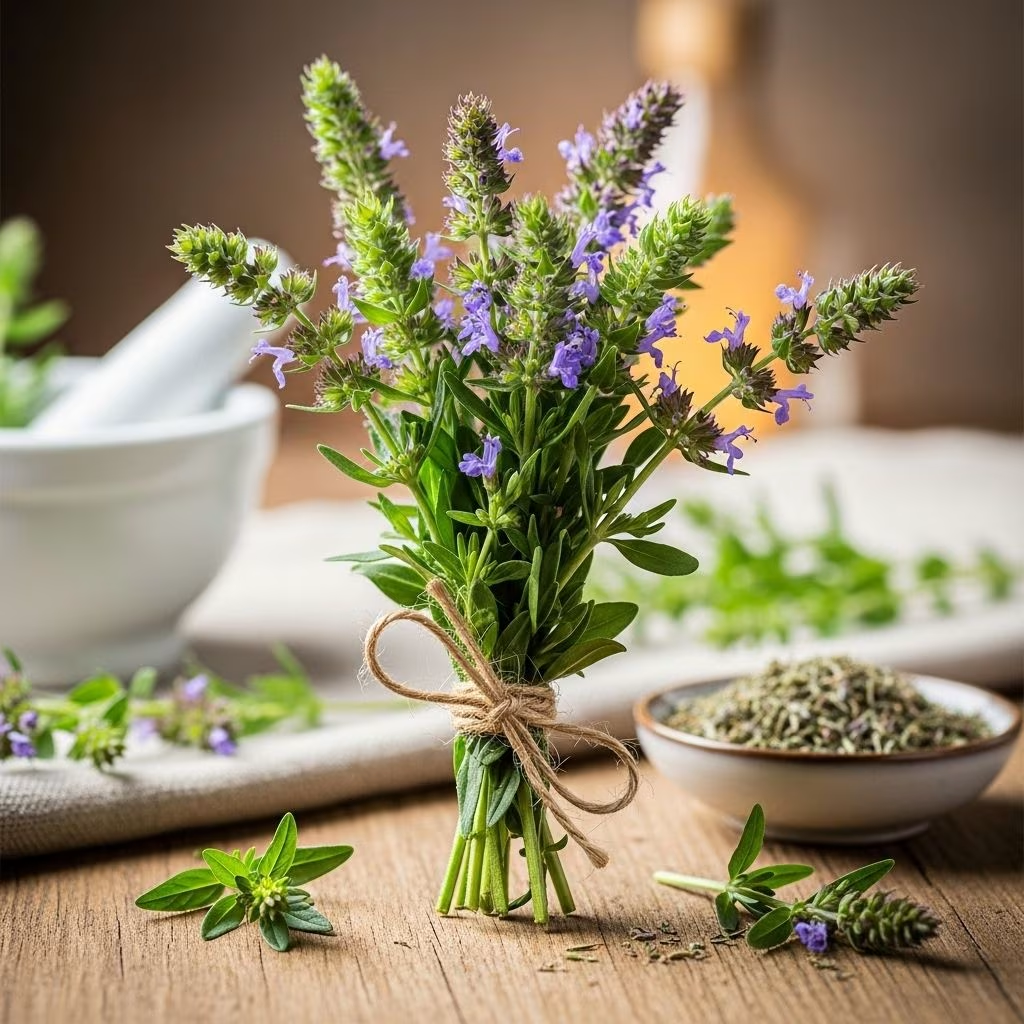
Hyssop (Hyssopus officinalis) is an aromatic herb belonging to the mint family (Lamiaceae), prized for centuries in herbal medicine, religious rituals, and the culinary arts. Native to Southern Europe, the Middle East, and parts of Central Asia, hyssop is known for its distinctive aroma, vibrant flowers, and unique flavor profile. In this article, we look deeply into hyssop’s origins, key benefits, uses through history and today, taste, safety, and frequently asked questions.
- Table of Contents
- Introduction to Hyssop
- Historical Significance and Origins
- Botanical Description and Classification
- Health Benefits of Hyssop
- Traditional Medicinal Uses
- Modern Uses in Cooking and Wellness
- Taste and Sensory Profile
- Precautions and Safety
- How to Grow and Harvest Hyssop
- Frequently Asked Questions
Table of Contents
- Introduction to Hyssop
- Historical Significance and Origins
- Botanical Description and Classification
- Health Benefits of Hyssop
- Traditional Medicinal Uses
- Modern Culinary & Wellness Uses
- Taste and Sensory Profile
- Precautions and Safety
- How to Grow and Harvest Hyssop
- Frequently Asked Questions (FAQs)
Introduction to Hyssop
Hyssop is an evergreen, bushy herb cherished for its fragrant leaves, vibrant flowers, and diverse uses spanning medicine, cuisine, and symbolism. Recognized botanically as Hyssopus officinalis, hyssop is a perennial plant that has played important roles in societies from ancient biblical times to the kitchens and gardens of today.
- Family: Lamiaceae (mint family)
- Primary use: Aromatic, medicinal, and culinary herb
- Historical regions: Native to Southern Europe, the Middle East, and parts of Central Asia
Historical Significance and Origins
The story of hyssop stretches back millennia, entwined with spiritual rituals, folklore, and early medicine:
- Biblical References: Mentioned in ancient texts, including the Hebrew Bible and Christian New Testament, hyssop was used in cleansing rituals and as a symbol of purity. The “hyssop” referred to in biblical times may not always be Hyssopus officinalis, but the herb nonetheless became emblematic of spiritual and physical purification.
- Old World Herb: Native to the Mediterranean basin, hyssop found its way eastward to mountainous regions of Central Asia, including parts as far as Mongolia, and westward into European gardens.
- Medieval and Renaissance Use: Well documented in medieval gardens, hyssop was valued for its healing potential and for warding off evil influences, sometimes hung in homes or planted on graves as a protective measure.
Botanical Description and Classification
Understanding hyssop’s physical traits and taxonomy is important for both gardeners and herbal enthusiasts:
- Plant Type: Small perennial shrub or subshrub
- Height: Typically grows 30–60 cm (12–24 inches) high; some sources note up to 0.5 meters.
- Stems: Woody at the base, with numerous upright, quadrangular (square) branches.
- Leaves: Narrow, elliptical or lanceolate leaves measuring about 2–3 cm long, arranged in pairs.
- Flowers: Dense, whorled spikes of small blooms, usually blue to violet but also found in pink, red, or white; attract pollinators such as bees.
- Fragrance: Sweet and aromatic.
| Characteristic | Description |
|---|---|
| Family | Lamiaceae (Mint family) |
| Genus | Hyssopus |
| Species | Hyssopus officinalis |
| Native Range | Southern Europe, Middle East, Central Asia |
| Leaf Type | Narrow elliptical or lanceolate, opposite leaves |
| Flowers | Dense spikes, variable color (blue/violet/pink/white) |
| Height | 30 to 60 cm (12–24 in.) |
| Fragrance | Sweet, warm, aromatic |
Health Benefits of Hyssop
Hyssop has been valued for a range of traditional health benefits, many of which are supported by its rich profile of active compounds. Most benefits are rooted in folk medicine and historical use, with some gaining partial support from modern research.
- Antiseptic and Antimicrobial Activity: Essential oils in hyssop (e.g., pinocamphone, isopinocamphone) exhibit antimicrobial effects, historically used for cleaning wounds and as protectants.
- Respiratory Relief: Used traditionally as an expectorant to ease coughs, chest congestion, and throat irritation, hyssop teas and syrups have long been favored rememdies for bronchial complaints.
- Digestive Aid: Its bittersweet compounds may stimulate appetite, help with digestion, and ease flatulence, when used in small culinary amounts.
- Anti-inflammatory Properties: Traditional texts note its use for easing bruises, swelling, and minor skin inflammation, sometimes applied topically as a poultice or wash.
- Mental Clarity and Uplift: The aromatic oils are believed to have mild mood-brightening properties, often invoked during times of sadness or melancholy in traditional European herbalism.
Nutritional Components and Phytochemicals
- Volatile oils (essential oils): Pinocamphone (main component), isopinocamphone, limonene, and camphor
- Flavonoids: Antioxidant pigments that may protect cells from oxidative stress
- Tannins: Natural astringents that may contribute to hyssop’s cleansing effects
- Other constituents: Minor vitamins and minerals (amounts are generally too small to make hyssop a significant nutritional source unless consumed in large quantities)
Traditional Medicinal Uses
Hyssop’s legacy in herbal medicine is both ancient and geographically widespread. While modern clinical evidence is limited for many of its applications, its traditional uses are diverse and well documented.
- Tea for Respiratory Health: Infusions of hyssop leaves are a longstanding home remedy for colds, coughs, and minor lung infections, believed to help loosen mucus and calm inflamed tissues.
- Topical Poultices: In folk medicine, compresses or washes made from hyssop were applied externally for scrapes, bruises, and skin irritations.
- Herbal Liqueurs: Hyssop has been an ingredient in traditional European liqueurs, such as Chartreuse and absinthe, both for its flavor and alleged medicinal effects.
- Cleansing Rituals: In biblical and folk traditions, hyssop was symbolic of physical and spiritual purification.
It is important to note: Although hyssop is historically used for these purposes, robust clinical studies in humans are lacking, and it should not replace proper medical care for respiratory illness or infection.
Modern Culinary & Wellness Uses
Hyssop’s distinctive aroma and taste make it a valued ingredient in both the kitchen and contemporary herbalism.
Culinary Uses
- Herb and Spice: The leaves are used (sparingly) in salads, soups, stews, and roasted meats or vegetables for a minty, slightly bitter note.
- Flavoring of Liqueurs: Adds a unique flavor to alcoholic beverages, especially traditional European liqueurs and bitters.
- Infusions: Hyssop tea is prized for digestive and respiratory support as well as its pleasant fragrance. Honey from hyssop flowers is especially esteemed by apiarists for its aroma and flavor.
Wellness and Aromatic Uses
- Herbal Teas and Tisanes: Used alone or blended with other herbs for herbal teas. Typical uses include respiratory and digestive support.
- Syrups: Hyssop-infused syrups are traditionally used for sore throats or coughs.
- Aroma Therapy: Hyssop oil is employed by some aromatherapists for its uplifting and clearing scent, though the oil must be used with care due to potency.
- Ornamental Plant: Valued in cottage gardens for its beauty, fragrance, and ability to attract pollinators (bees, butterflies).
Taste and Sensory Profile
Hyssop’s taste is one of a kind, merging flavors familiar to the mint family with added complexity.
- Primary notes: Warm, bittersweet, pungent
- Underlying flavors: Minty, slightly peppery, mildly floral, and bitter—somewhat reminiscent of rosemary or thyme but with a stronger bite
- Best uses: Used sparingly, hyssop adds depth to soups, stews, salads, roasted meats, and liqueurs. Overuse can overwhelm a dish due to its pronounced bitterness and aromatic strength.
- Aromatic qualities: Strong, sweet scent; floral undertones
Flavor Comparison Table
| Herb | Flavor Profile | Best Uses |
|---|---|---|
| Hyssop | Warm, bitter, minty, slightly floral | Salads, stews, teas, liqueurs, meats |
| Mint | Cool, sweet, refreshing | Desserts, drinks, savory dishes |
| Thyme | Earthy, subtle, slightly minty | Meats, soups, stuffings, stocks |
| Rosemary | Piney, resinous, strong | Roasted vegetables, meats, breads |
Precautions and Safety
As with many herbal remedies, hyssop should be used with awareness and moderation.
- Essential Oil Safety: Hyssop essential oil is potent and should not be ingested; it contains pinocamphone, which can be neurotoxic in high doses and is unsafe for children or those with epilepsy.
- Pregnancy: Avoid internal use during pregnancy, except under the supervision of a healthcare professional. Hyssop may stimulate uterine contractions and is not generally recommended for use when expecting.
- Allergic Reactions: As with other mint family plants, some individuals may be sensitive—discontinue use if irritation occurs.
- Dosage and Duration: Always use small quantities, particularly in teas or culinary contexts.
How to Grow and Harvest Hyssop
Gardeners value hyssop for its hardiness, attractiveness, and ease of care.
- Growing Conditions: Prefers full sun and well-drained soil. Tolerates drought; overwatering is a risk.
- Starting: Propagate by seed, cutting, or division; seeds germinate rapidly and plants establish easily.
- Harvesting: Leaves and flower spikes can be snipped throughout the growing season for drying or fresh use. Harvest in the morning for maximum essential oil content. Dry bunches upside down in a dark, airy place.
- Pollinator-Friendly: Blooms attract bees and beneficial insects to the garden.
Frequently Asked Questions (FAQs)
Q: Is hyssop the same as anise hyssop?
No. While both are aromatic herbs, anise hyssop (Agastache foeniculum) is not botanically related to true hyssop (Hyssopus officinalis), although both belong to the mint family. Anise hyssop has a sweet, licorice-like flavor, while true hyssop is more bitter and pungent.
Q: Can I use hyssop in cooking?
Yes, the leaves and tender shoots can add flavor to meats, salads, stews, and herbal teas. Due to its strong taste, use hyssop sparingly so as not to overpower a dish.
Q: Are there any medical uses for hyssop?
Hyssop has traditional uses as an expectorant and mild antiseptic. It should not replace medical therapy for serious health issues, but can be included in supportive teas or infusions for minor ailments under the guidance of a healthcare provider.
Q: What does hyssop taste like in tea?
Hyssop tea is aromatic with a minty, slightly bitter quality and hints of sweetness. When sweetened with honey, it can be soothing for the throat and flavorful as an herbal tisane.
Q: Are there any safety concerns for children?
Hyssop should be used with extra caution for children. Do not give hyssop essential oil to children, and always consult a pediatrician or herbalist before use in this population.
Q: How is hyssop different from other mint family herbs?
Unlike some milder mint family herbs (like mint and oregano), hyssop has a more intense, bittersweet, and pungent flavor, best used in small doses. Its unique chemistry includes pinocamphone, setting it apart from other relatives.
Q: Does hyssop attract bees?
Yes! Hyssop’s colorful blooms are highly attractive to bees and butterflies, making it a valuable pollinator plant for gardens.
Summary
Hyssop is a dynamic and historic herb cherished for its aromatic, culinary, and wellness contributions. Knowing its benefits—and respecting its precautions—can enrich a modern herbal kitchen or garden and link us to centuries-old traditions.
References
- https://www.britannica.com/plant/hyssop
- https://en.wikipedia.org/wiki/Hyssopus_officinalis
- https://mountainroseherbs.com/hyssop
- https://masaseedfoundation.org/products/hyssop
- https://en.wikipedia.org/wiki/Hyssopus_(plant)
- https://www.ncbi.nlm.nih.gov/books/NBK548391/
- https://www.merriam-webster.com/dictionary/hyssop
- https://www.biblestudytools.com/bible-study/topical-studies/what-is-hyssop-and-why-is-it-so-significant-in-the-bible.html
- https://www.britannica.com/video/Overview-hyssop/-192222
- https://www.missouribotanicalgarden.org/PlantFinder/PlantFinderDetails.aspx?kempercode=b939


