


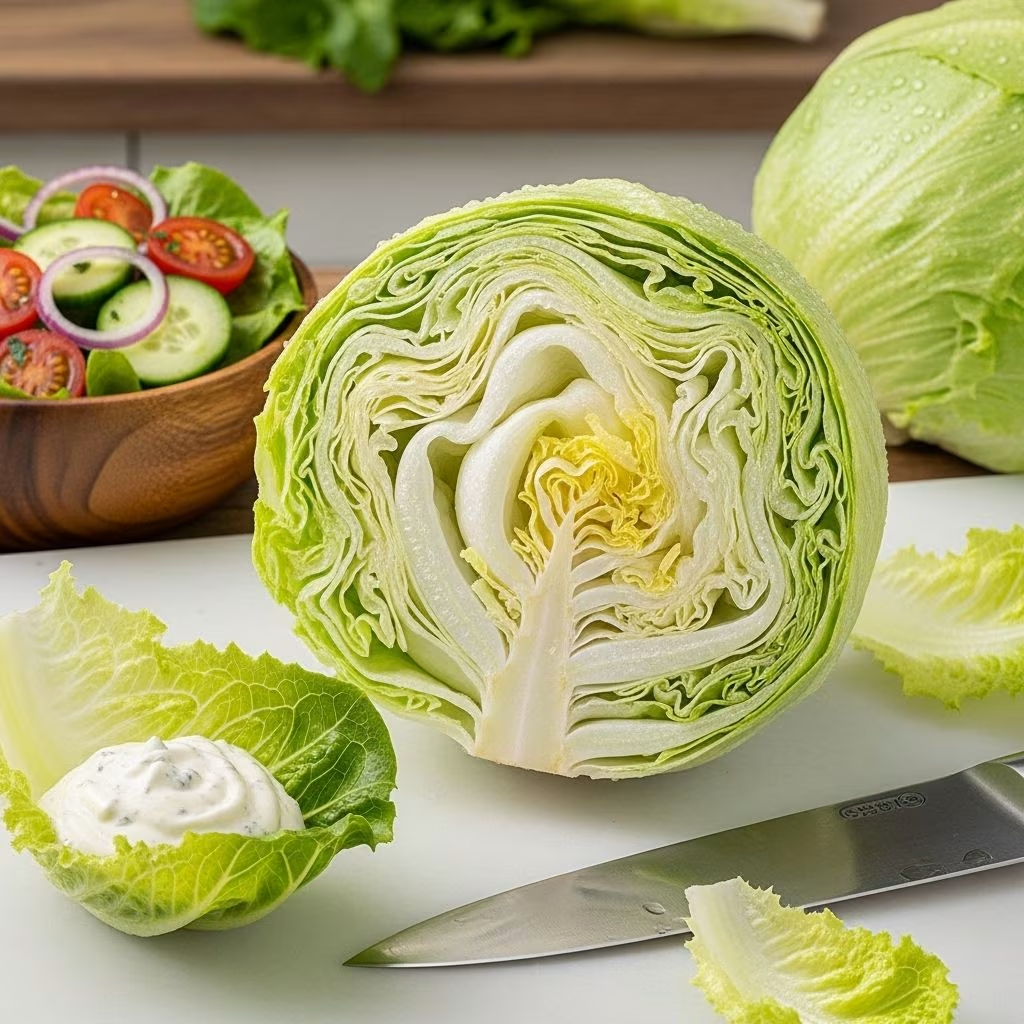
Iceberg lettuce, also referred to as crisphead lettuce, is one of the most common types of lettuce consumed globally. It is known for its firm, crunchy leaves and mild, sweet flavor, making it a popular choice for salads, sandwiches, and burgers. This article delves into the origin, nutritional value, and culinary uses of iceberg lettuce, along with its health benefits and growing conditions.
Origin and Characteristics of Iceberg Lettuce
Iceberg lettuce thrives in cool climates and requires a long winter season for optimal growth. It is primarily grown in the United States, particularly in California and Arizona, as well as in countries like China, Spain, and Iran. The name “iceberg” originates from the practice of shipping lettuce in ice-filled containers to maintain freshness during transport.
| Characteristics of Iceberg Lettuce | Details |
|---|---|
| Color | Pale core with dark green outer leaves |
| Texture | Very crisp, especially in the heart of the head |
| Flavor | Mild, slightly sweet |
| Type | Crisphead Lettuce |
| Growing Climate | Cool climate, requires a long winter season |
| Harvesting Method | Hand-harvested with specialized knives |
| Shelf Life | Longer shelf life compared to other lettuces |
| Culinary Uses | Salads, sandwiches, wraps |
| Head Size | Approximately 10 to 12.5 cm in diameter at harvest |
| Water Content | About 96% water, contributing to its crispness |
Health Benefits of Iceberg Lettuce
Despite its low nutritional profile compared to other leafy greens like spinach or kale, iceberg lettuce still offers several health benefits. It is rich in vitamins A and K, as well as folate, which are important for eye health, blood clotting, and pregnancy, respectively. These nutrients make iceberg lettuce a healthy addition to meals, especially for those who may not enjoy more bitter greens.
Key Nutrients and Their Benefits
- Vitamin A: Important for eye health, it helps prevent age-related vision loss and improves vision in low-light conditions.
- Vitamin K: Crucial for blood clotting, it helps prevent excessive bleeding and supports bone health.
- Folate: Essential for fetal development during pregnancy, it also supports red blood cell production.
Culinary Uses of Iceberg Lettuce
Iceberg lettuce is versatile and can be used in a variety of dishes. It is commonly found in salads, sandwiches, burgers, and as a crunchy addition to wraps. Its mild flavor pairs well with a range of ingredients, from meats and cheeses to vegetables and fruits.
Popular Recipes Using Iceberg Lettuce
- Classic Wedge Salad: A simple combination of iceberg lettuce, blue cheese, bacon, and a tangy dressing.
- Taco Salads: Iceberg lettuce is a staple in Mexican-inspired salads, topped with taco meat, cheese, and salsa.
- BLT Sandwiches: The crunchy texture of iceberg lettuce complements the smoky flavor of bacon.
Growing and Harvesting Iceberg Lettuce
The growing cycle of iceberg lettuce varies depending on the season. Spring and summer varieties mature quickly, taking about 50 to 70 days, while autumn-winter varieties require 100 to 120 days. The ideal climate for growing iceberg lettuce is cool, with mild winters being particularly conducive to its growth.
Practical Tips for Growing Iceberg Lettuce
- Soil Preparation: The soil should be leveled and ridged to prevent moisture accumulation.
- Plant Spacing: Plants should be spaced about 30 cm apart to allow for proper growth.
- Temperature Considerations: The crop is sensitive to extreme temperatures, with optimal growth occurring in cooler conditions.
Comparing Iceberg Lettuce to Other Types
Iceberg lettuce can be distinguished from other types of lettuce by its texture, taste, and appearance. Here is a comparison with romaine and butterhead lettuce:
| Characteristic | Iceberg Lettuce | Romaine Lettuce | Butterhead Lettuce |
|---|---|---|---|
| Type | Crisphead | Romaine (Cos) | Butterhead (e.g., Boston, Bibb) |
| Shape | Round, tightly packed head | Tall, upright, loosely packed head | Small, loosely packed head with a rosette shape |
| Color | Pale core, dark green outer leaves | Dark green outer leaves, lighter green inside | Light green, sometimes with reddish edges |
| Texture | Very crisp, crunchy | Crisp with a sturdy rib down the center | Soft, tender, buttery texture |
| Flavor | Mild, slightly sweet | Mildly bitter, slightly nutty | Mild, buttery, slightly sweet |
| Nutritional Value | Lower in nutrients, high water content (96%) | Higher in vitamins A, C, K, and folate | Moderate nutrients, good source of vitamins A and K |
| Common Uses | Salads, sandwiches, wraps, wedge salads | Caesar salads, grilling, wraps | Salads, lettuce cups, garnishes |
| Shelf Life | Longer shelf life due to tight head | Moderate shelf life, less durable | Shorter shelf life, more delicate |
Frequently Asked Questions (FAQs)
Q: Is Iceberg Lettuce Nutritionally Valuable?
A: While not as nutrient-dense as other leafy greens, iceberg lettuce is a good source of vitamins A and K, and folate, making it a healthy addition to meals.
Q: How Does Iceberg Lettuce Differ from Romaine Lettuce?
A: Iceberg lettuce is crunchier and has a more tightly packed head than romaine lettuce, which is often used in salads like Caesar due to its slightly bitter taste.
Q: What Is the Best Way to Store Iceberg Lettuce?
A: To maintain freshness, wrap the lettuce in a damp paper towel and store it in the refrigerator. It can be kept for several days due to its high water content and tight head structure.
Conclusion
Iceberg lettuce, with its crunchy texture and mild flavor, remains a staple in many cuisines. Its versatility in salads and sandwiches, coupled with its health benefits and ease of cultivation, make it a preferred choice for both consumers and farmers. Whether you’re looking to add some crunch to your favorite salad or seeking a healthier option for your family, iceberg lettuce is a reliable and nutritious choice.
References
- https://ariaexport.com/blogs/All-about-iceberg-lettuce
- https://verdimed.com/en/product/iceberg-lettuce/
- https://specialtyproduce.com/produce/Iceberg_Lettuce_5882.php
- https://www.webmd.com/diet/health-benefits-iceberg-lettuce
- https://lettuceinfo.org/products/iceberg/
- https://www.merriam-webster.com/dictionary/iceberg%20lettuce
- https://www.medicinenet.com/iceberg_lettuce_nutrition_and_health_benefits/article.htm
- https://12tomatoes.com/iceberg-lettuce-namesake-history/


