


A Complete Guide to Kabosu: Origins, Benefits, Culinary Uses, and Taste Profile
- Introduction
- What is Kabosu?
- Origin and Cultivation
- Nutritional Value
- Health Benefits of Kabosu
- Culinary Uses of Kabosu
- Taste Profile: What Does Kabosu Taste Like?
- Kabosu vs. Other Japanese Citrus Fruits
- Cooking with Kabosu: Recipes & Inspirations
- Kabosu in Beverages: Cocktails & Teas
- Buying, Selecting, and Storing Kabosu
- FAQs
Introduction
Kabosu is a unique Japanese citrus fruit, celebrated for its refreshing aroma and versatile culinary uses. While still relatively unknown outside Japan, kabosu has quietly become a cherished ingredient in Japanese households and restaurants, especially in the Oita Prefecture where it is native. This article provides an in-depth look at kabosu, exploring its origins, nutritional benefits, flavor profile, and innovative applications in modern cuisine and beverages.
What is Kabosu?
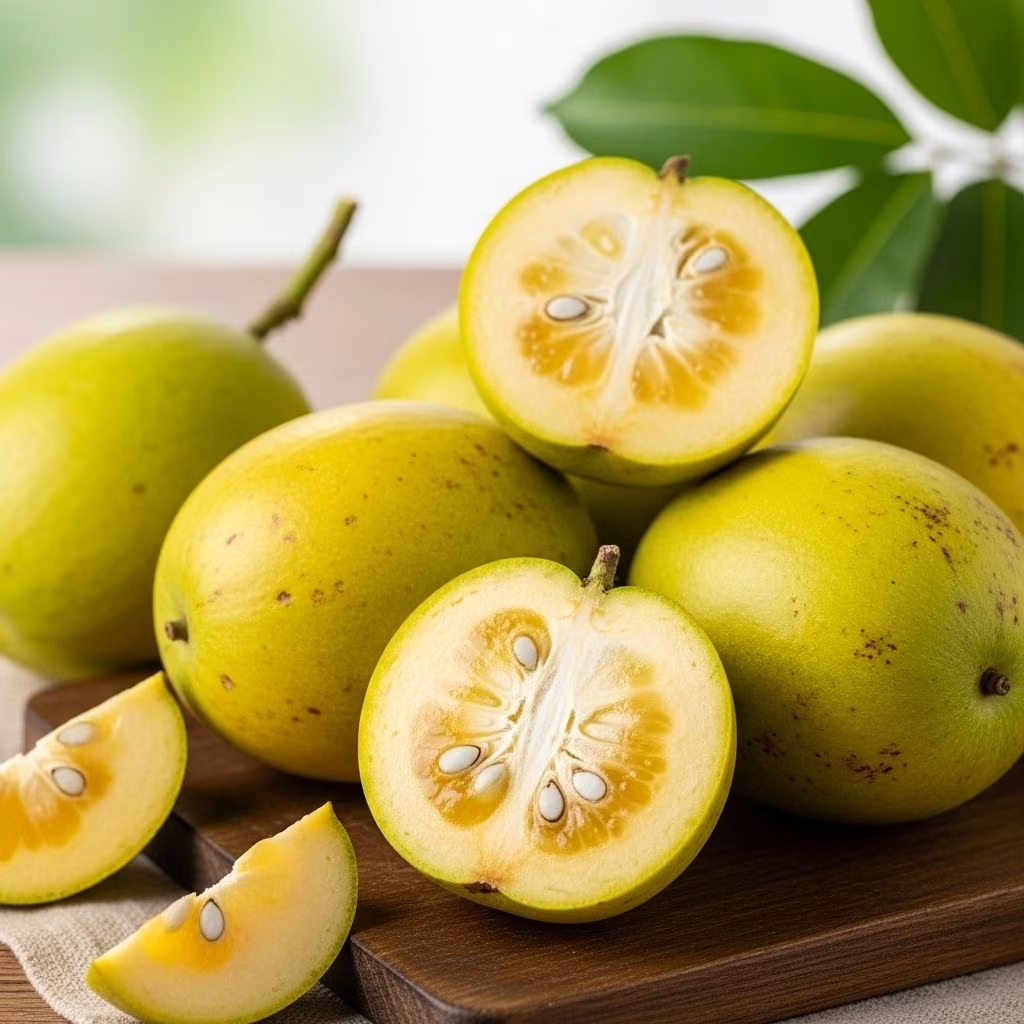
Kabosu (Citrus sphaerocarpa) is a small, round citrus fruit from Japan, typically green-skinned and roughly the size of a golf ball. Closely related to other Japanese citrus like yuzu and sudachi, kabosu belongs to the kosancitrus family, commonly referred to as “fragrant acid” varieties due to their intense aroma and sourness.
- Appearance: Green to yellow skin; about 55 grams (2 ounces) per fruit.
- Seasonality: Harvested mostly between August and October.
- Flavor & Use: Too sour to eat raw, but prized for its aromatic juice and zest, used extensively in seasonings, sauces, and garnishes.
Origin and Cultivation
Kabosu is a specialty of Oita Prefecture on the island of Kyushu, Japan, which accounts for more than 90% of the country’s kabosu production. The region’s warm, humid climate and volcanic soil create an ideal environment for citrus cultivation.
- Kabosu has been cultivated in Oita for centuries, often grown by small family farms.
- Sustainable and organic cultivation practices are increasingly popular among local producers, who prize kabosu for its robust flavor and flexible uses.
- Kabosu trees thrive in well-drained soil with plenty of sunlight, and the fruit matures quickly, making it an annual favorite for fresh harvest.
Nutritional Value
| Nutrient | Quantity per Fruit (Approx. 55g) |
|---|---|
| Calories | Less than 20 kcal |
| Vitamin C | High |
| Dietary Fiber | Present |
| Antioxidants | Limonene, citral, linalool, pinene |
| Sugar | Low |
| Fat | Negligible |
In recipes like Kabosu Udon, the overall dish provides a balanced nutritional profile:
244 calories, Protein 7.8g, Total Fat 1.0g, Total Carbohydrate 51.3g, Sodium 4.3g. Adding kabosu enhances both the nutritional and aromatic qualities of the meal.
Health Benefits of Kabosu
- Rich in Vitamin C: Kabosu provides a concentrated dose of vitamin C, supporting immune function and healthy skin.
- Antioxidant Properties: The volatile oils like limonene and citral found in kabosu have antioxidant effects, helping fight oxidative stress.
- Low in Calories & Sugar: Kabosu is naturally low in calories and sugar, making it suitable for a variety of dietary preferences.
- Appetite Stimulant: The natural sourness and aroma stimulate the appetite and may aid digestive health.
- Potential Anti-inflammatory: Citrus flavonoids have been associated with anti-inflammatory and metabolic health benefits.
Traditional Japanese medicine and folk wisdom often value kabosu and other sour citruses as digestive aids and metabolic boosters, though modern research is gradually confirming several of these advantages.
Culinary Uses of Kabosu
Kabosu’s versatile flavor makes it a staple in Japanese kitchens, often used much like lemon or lime in Western cuisine. Some characteristic culinary applications include:
- Seasoning for Grilled Foods: Kabosu juice is sprinkled over grilled fish, chicken, or beef to provide a refreshing acidic counterpoint.
- Noodle Dishes: Kabosu is sliced or juiced and floated atop broth in noodle bowls like udon and somen, gradually infusing the dish with flavor.
- Jams & Sweets: The flesh is sometimes processed into jams, marmalades, or even as an accent in desserts.
- Salads and Sauces: Kabosu juice replaces lemon or lime in salads, dressings, or dipping sauces for a distinctive Japanese twist.
- Condiment: The zest and skin may be chopped or grated and used as seasoning or garnish.
Taste Profile: What Does Kabosu Taste Like?
Kabosu offers a refreshing citrus scent punctuated by layered aroma compounds—limonene, citral, linalool, and pinene. Its flavor is described as:
- Mellow Acidity: Tart, but less intense than lemon; gentler sourness with a subtle, underlying sweetness and mild bitterness.
- Complex Aroma: Resembles a cross between grapefruit and orange, with hints of lime.
- Bitterness: Notably present, providing a sophisticated touch (especially in drinks and savory dishes).
Unlike lemons and limes, kabosu is generally not eaten raw due to its intense sourness, but its nuanced taste makes it perfect for culinary augmentation.
Kabosu vs. Other Japanese Citrus Fruits
| Citrus Fruit | Origin | Flavor Profile | Best Uses |
|---|---|---|---|
| Kabosu | Oita, Japan | Mellow acidity, mild sweetness, slight bitterness | Noodles, grilled foods, dressings |
| Yuzu | All over Japan | Strong aroma, tart, floral notes | Ponzu, desserts, cocktails |
| Sudachi | Tokushima, Japan | Tart, sharp, more intense than kabosu | Fish dishes, sashimi, condiments |
| Lemon | Worldwide | Strong sour, familiar acidity | Versatile (global) |
| Lime | Worldwide | Tart, sharp, less floral | Cocktails, desserts, seasoning |
Cooking with Kabosu: Recipes & Inspirations
Kabosu’s culinary uses span traditional Japanese fare to fusion dishes. Here are a few representative recipes:
Kabosu Udon
- Udon noodles topped with aromatic kabosu slices and bonito flakes.
- Kabosu juice is added to the broth for a refreshing lift.
- Preparation Tip: Always slice kabosu thinly for best infusion; organic kabosu is preferred for using the whole fruit and peel.
Thai-Inspired Chicken Salad with Kabosu
- Minced chicken tossed with raw and lightly steamed vegetables (e.g. green beans, cabbage).
- Herbs like mint, basil, and cilantro, and dressing with fish sauce or soy sauce, ginger, and kabosu juice.
- Flavor Balancing: Sugar may be added to moderate tartness; kabosu brings a lively citrus lift reminiscent of lime but with a unique Japanese accent.
Kabosu in Sweets & Condiments
- Kabosu juice can be blended into jellies or used in fruit preserves to add an aromatic tartness.
- Chopped kabosu peel is sometimes sprinkled over rice, salads, or sashimi for extra fragrance and mild bitterness.
Kabosu in Beverages: Cocktails & Teas
Kabosu’s mellow tartness and fragrant zest lend themselves to refreshing drinks and cocktails.
- Kabosu Gimlet: Gin (or vodka) mixed with simple syrup, fresh lime juice, and kabosu juice. Tart and aromatic, garnished with cucumber strips and lime wedge.
- Teas: Fresh kabosu juice or slices can be added to hot or iced teas for a citrusy flair.
- Infused Waters and Sodas: Sliced kabosu elevates sparkling water or soda with a subtle, distinct Japanese citrus note.
Cocktails with kabosu often play up its bittersweet and aromatic aspects, making it a novel alternative to traditional citrus fruits.
Buying, Selecting, and Storing Kabosu
- Selection: Choose kabosu fruit that is firm, fragrant, and free from blemishes. The peel should be tight and colored a vibrant green (early season) or yellow-green (later season).
- Storage: Kabosu keeps best in a cool, dry place. For longer storage, refrigerate or freeze slices/juice in an airtight container.
- Preparation: Wash thoroughly if using the skin and zest. Roll the fruit gently on the countertop before slicing to maximize juice extraction.
Frequently Asked Questions (FAQs)
Q: Can kabosu be substituted for lemon or lime in recipes?
A: Yes, kabosu’s mellow acidity and unique aroma make it a versatile substitute for lemon or lime, especially in dressings, marinades, and cocktails. However, its flavor is gentler and slightly sweet-bitter, so you may need to adjust quantities for balance.
Q: Is kabosu the same as yuzu or sudachi?
A: No, kabosu is a distinct species, though it shares the fragrant acidic family with yuzu and sudachi. Its taste is milder and less floral than yuzu, sharper than some oranges but more subdued than sudachi.
Q: Where can I buy kabosu outside Japan?
A: Kabosu is rare outside Japan, but specialty Asian grocers in international cities may stock it seasonally. Yuzu or even lime can serve as substitutes in recipes if kabosu is unavailable.
Q: What are some creative uses of kabosu in modern cooking?
A: Kabosu can be incorporated into salad dressings, marinades, dipping sauces, sushi accompaniments, and innovative desserts. Creative mixologists use kabosu in gin or vodka cocktails for an adventurous citrus note.
Q: Are there any precautions with kabosu?
A: If you are concerned about pesticides, especially when using kabosu’s peel or zest, opt for organic fruit or use just the juice.
Conclusion
Kabosu’s subtle blend of tartness, sweetness, and fragrant bitterness makes it a prized but underappreciated citrus fruit with broad culinary possibilities. Its rising global popularity owes much to Japanese tradition and ongoing discovery by innovative chefs worldwide. Whether reviving classic noodle dishes or reinventing summer cocktails, kabosu’s unique characteristics elevate flavors and invite further exploration.
References
- https://naokoannutritionist.com/kabosu-udon/
- https://food52.com/recipes/11688-thai-salad-with-a-twist-of-kabosu
- https://www.seiskamimura.com/home/cocktails-kabosu-gimlet
- https://tasteofculture.com/2021/09/24/sudachi-kabosu/
- https://trivet.recipes/recipe/kabosu-udon-with-a-refreshing-aroma-64368235378531.91445908
- https://salvatorecuomo.net/2021/01/27/refreshing-virgin-kabosu-honey-and-kombucha-spritzer-sp3680/
- https://bokksu.com/blogs/news/what-is-kabosu-and-why-is-it-delicious
- https://oitakabosu.com/en-taste/
- http://marxfood.com/category/kabosu-recipes/


