


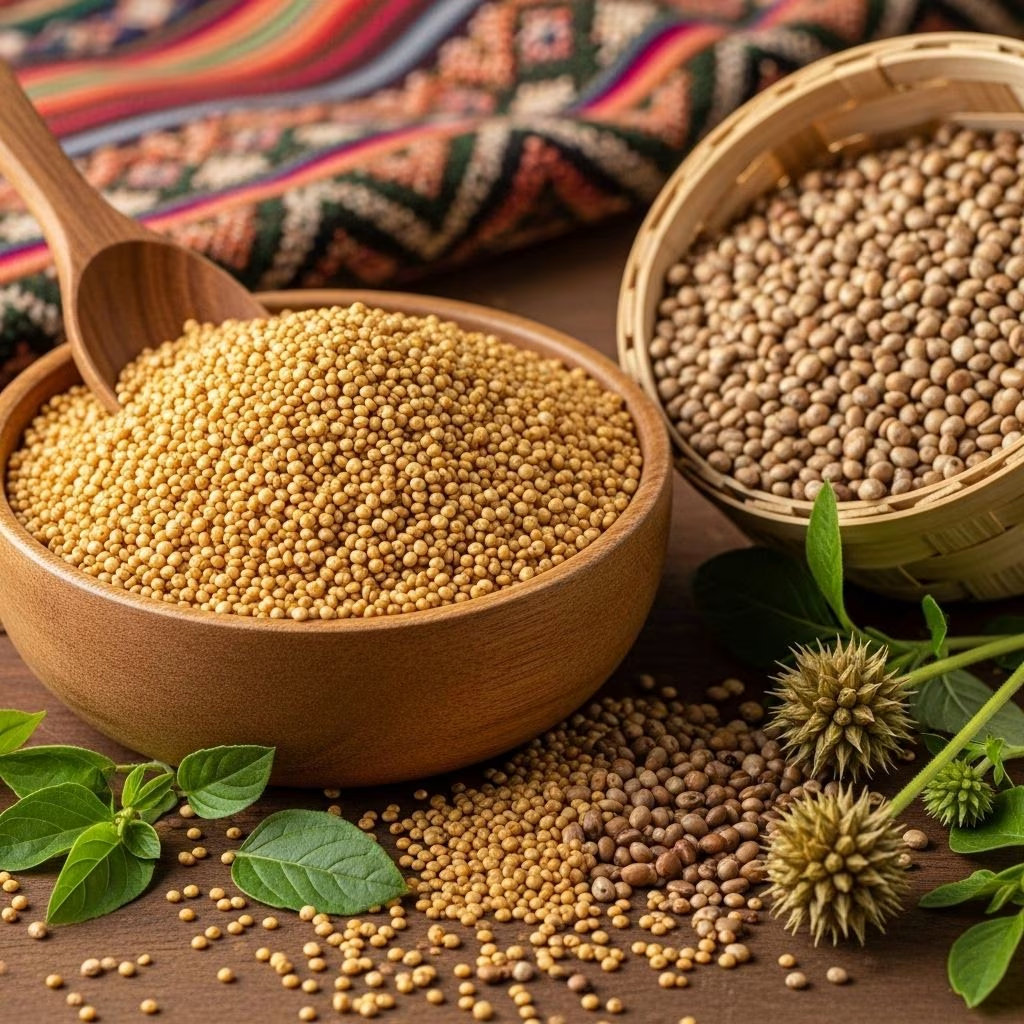
Kañiwa (also known as cañihua, kañiwa, or cañahua) is an ancient grain-like seed from the Andean highlands of South America. Once revered as a staple food by indigenous cultures, kañiwa is now re-emerging as a nutritional powerhouse and culinary treasure for modern diets around the globe.
Introduction to Kañiwa
Kañiwa (Chenopodium pallidicaule) is a pseudocereal closely related to quinoa, hailing from the Andes mountains. Grown for thousands of years at altitudes up to 4,400 meters, kañiwa is valued for its resilience in harsh climates and its exceptional nutrition. Compared to other common grains, kañiwa boasts superior levels of protein, dietary fiber, and essential minerals, making it a sought-after ingredient among health-conscious consumers, athletes, and those seeking naturally gluten-free options.
Origin and Botanical Description
Kañiwa originates from the high-altitude regions of Peru and Bolivia, specifically in the Andean Altiplano. Its Quechua names include qañiwa, qañawa, and qañawi. It has been traditionally cultivated for millennia and plays a significant role in the food security and culture of Andean communities.
Botanical Overview
- Species: Chenopodium pallidicaule
- Family: Amaranthaceae
- Related crops: Quinoa (Chenopodium quinoa), amaranth, spinach
- Growth form: Annual herb, typically 20–90 cm in height, with either dense (Lasta type) or sparse (Saigua type) branching
- Leaves and stems: Often display red and yellow spots, especially lower on the plant
- Flowers: Small, petal-less, can be hermaphroditic, pistillate, or sterile
- Seeds: Very small (0.5–1.5 mm), round, with a rough surface; colors range from brown to black
A Resilient Crop
- Drought tolerant and highly resistant to cold, making it suitable for high mountains and marginal soils
- Easy to cultivate even in extreme conditions where other cereals struggle
- Plays a crucial role in smallholder and subsistence agriculture in the Andes
Nutritional Profile
Kañiwa’s fame as a “superfood” is rooted in its exceptional nutrition. It is a dense source of macronutrients, micronutrients, and beneficial phytochemicals.
Macronutrients (per 100g, uncooked)*
| Nutrient | Kañiwa Value | Significance |
|---|---|---|
| Protein | Approx. 15–19g | High for a grain; contains essential amino acids |
| Dietary Fiber | 7–13g | Supports digestive health, satiety |
| Fat | 4–7g (mainly unsaturated) | Healthy fats, mainly unsaturated (oleic, linoleic acids) |
| Carbohydrates | 60–68g | Mainly complex carbs, slow energy release |
| Energy | 350–390 kcal | Similar to most grains |
*Varies based on variety and growing conditions.
Key Micronutrients
- Iron: One of the richest plant sources—100g provides up to 60% RDA for adults
- Zinc: Important for immune function, skin, and growth
- Calcium: Critical for bones and teeth
- Magnesium: Involved in 300+ enzymatic reactions, including energy metabolism
- Phosphorus: Key for energy and cell structure
- B-complex vitamins: Support metabolism and cellular health
Bioactive Compounds & Phytochemicals
- Phenolic compounds (notably flavonoids and phenolic acids), offering significant antioxidant potential
- Low allergenic risk; kañiwa does not contain gluten and rarely triggers adverse food reactions
- Compared to quinoa, kañiwa is saponin-free, so it does not require rinsing before cooking, avoiding the bitter taste often associated with quinoa skins
Health Benefits of Kañiwa
Kañiwa delivers a concentrated dose of health-supportive nutrients that may :
- Support muscle health and repair: Due to its high protein and full amino acid profile
- Stabilize blood glucose: Its fiber and slow-digesting carbohydrates help prevent spikes and crashes, making it ideal for diabetics and those with metabolic concerns
- Improve iron status: Outstanding plant-based iron source for vegans, vegetarians, and those at risk of deficiency
- Promote gut health: Fiber content encourages regularity, feeds beneficial bacteria, and helps reduce cholesterol
- Antioxidant protection: Rich phenolic content helps neutralize free radicals, supporting cellular health and healthy aging
- Boost immunity: High zinc and essential micronutrients bolster the body’s defenses and support skin, hair, and nail health
Why Choose Kañiwa?
- Gluten-free: Safe for people with celiac disease or gluten intolerance
- Low allergenic risk: Rarely causes adverse food reactions, even in sensitive individuals
- Dense nutrition: Particularly beneficial for elderly diets, athletes, and individuals on plant-based nutrition plans
- Ethical and sustainable: Supports biodiversity and Andean smallholder farmers
Culinary Uses
The versatility of kañiwa extends well beyond its nutritional perks. Its tiny, seed-like grains lend themselves to a wide array of culinary applications, both traditional and modern. Importantly, kañiwa is naturally saponin-free, unlike quinoa, so it does not taste bitter and does not require extensive rinsing before cooking.
Traditional Uses
- Porridge: Cooked with water or milk as a hot breakfast cereal, often sweetened or combined with fruits
- Soups and stews: Used as a thickener or nutritious base ingredient
- Toasted or popped: Toasted seeds can be eaten as a snack or added as crunchy toppings
- Flour: Milled seeds used in breads, cakes, pastries, and native Andean dishes
Modern Culinary Applications
- Grain bowls: Cooked kañiwa can substitute for rice, couscous, bulgur, or quinoa in salads or bowls
- Baking: Kañiwa flour can be incorporated into gluten-free cakes, muffins, pancakes, and cookies
- Energy bars and snacks: Its nutty flavor and nutrient content enhance homemade bars and granola mixes
- Pasta and noodles: Used as a nutritious gluten-free ingredient in specialty pastas
- Baby and elderly nutrition: Easily digested and nutrient dense, making it suitable for vulnerable age groups
Basic Cooking Instructions
- Rinse briefly (optional) as kañiwa is already saponin-free
- Use 2:1 ratio of water to seed
- Boil, then simmer uncovered for 15–20 minutes (similar to quinoa)
- Let rest, then fluff or use directly in recipes
Taste and Texture
Kañiwa is highly regarded for its pleasant, mild flavor and agreeable texture.
- Taste: Nutty and slightly earthy, with a subtle sweetness and no bitterness (unlike quinoa)
- Texture: Soft but slightly crunchy when cooked, with individual grains holding their form rather than turning mushy
This versatility makes it a favorite for both sweet and savory dishes. Its small size allows it to blend well into batters, doughs, and grain salads.
Kañiwa vs. Quinoa: How Do They Compare?
| Attribute | Kañiwa | Quinoa |
|---|---|---|
| Botanical Name | Chenopodium pallidicaule | Chenopodium quinoa |
| Seed Size | Smaller (0.5–1.5mm) | Larger (1.5–2.5mm) |
| Color | Dark brown or black | White, red, black, yellow |
| Saponin Content | Absent (no rinsing required) | Present (needs rinsing to remove bitterness) |
| Protein Content | Often higher (16–19%) | 13–16% |
| Iron, Zinc, Calcium | Higher than quinoa | High, but usually less than kañiwa |
| Flavor | Earthy, nutty, not bitter | Nutty, sometimes bitter without rinsing |
Kañiwa stands out for being saponin-free, denser in certain minerals, and higher in protein compared to most quinoa varieties.
Where to Buy and How to Store Kañiwa
- Availability: Increasingly available in organic groceries, health food stores, and online outlets under names like “kañiwa” or “cañihua”
- Forms: Whole seeds, flour, and in some cases, popped or roasted forms
- Storage: Store in an airtight container in a cool, dry place; whole seeds can last for up to a year
- Once cooked, kañiwa can be refrigerated for up to five days or frozen for longer storage
Potential Precautions and Allergen Information
- Kañiwa is naturally gluten-free, making it safe for people with celiac disease or gluten sensitivities
- Very low allergenicity: adverse reactions are extremely rare
- Extremely high fiber content: Some sensitive individuals might experience digestive discomfort if consuming large quantities without gradually introducing it into the diet
- To maximize iron absorption, pair kañiwa with vitamin C-rich foods, as with most plant-based iron sources
Frequently Asked Questions (FAQs)
Q: What is the difference between kañiwa and cañihua?
A: There is no difference; both are names for the same seed, Chenopodium pallidicaule. “Kañiwa” is the Aymara/Quechua spelling, and “cañihua” is the Spanish transliteration.
Q: Does kañiwa need to be rinsed before cooking like quinoa?
A: No. Kañiwa is naturally free of saponins, the compounds that can make quinoa taste bitter, so it doesn’t require rinsing before cooking.
Q: Is kañiwa suitable for a gluten-free diet?
A: Yes. Kañiwa is completely free of gluten and is suitable for those with gluten intolerance or celiac disease.
Q: What is the best way to use kañiwa in recipes?
A: Kañiwa can be cooked as a whole seed, added to porridges, salads, or soups, and its flour can be used in gluten-free baking for breads, pancakes, muffins, and more.
Q: How does kañiwa compare nutritionally to quinoa?
A: While both are excellent nutrient sources, kañiwa typically contains more protein, iron, and certain minerals than quinoa. It also lacks saponins, making it less bitter and easier to prepare.
Conclusion
Kañiwa (cañihua) is a remarkable, yet underappreciated, Andean pseudocereal distinguished by its superior nutrient density, mild nutty flavor, and unique agricultural resilience. Gluten-free, saponin-free, and packed with protein, fiber, and essential minerals, it offers an invaluable alternative to both traditional cereals and more commercialized “super grains.” Its versatility in both sweet and savory dishes, combined with outstanding health benefits and potential for sustainable agriculture, makes kañiwa a worthy addition to diverse dietary routines worldwide.
References
- https://en.wikipedia.org/wiki/Chenopodium_pallidicaule
- https://foods.pe/en/canihua/
- https://ekogram.pl/en/blogs/rozwiazania/canihua-co-to-takiego
- https://pmc.ncbi.nlm.nih.gov/articles/PMC9858278/
- https://www.herbazest.com/herbs/kaniwa
- https://www.inaturalist.org/taxa/1449145-Chenopodium-pallidicaule
- https://pmc.ncbi.nlm.nih.gov/articles/PMC11305323/
- https://www.bitesizedgardening.co.uk/canahua-chenopodium-pallidicaule-the-andean-super-grain/how-to-dig-for-victory/
- https://amazon-andes.com/blog/canihua-kaniwa-supplier-wholesale/


