


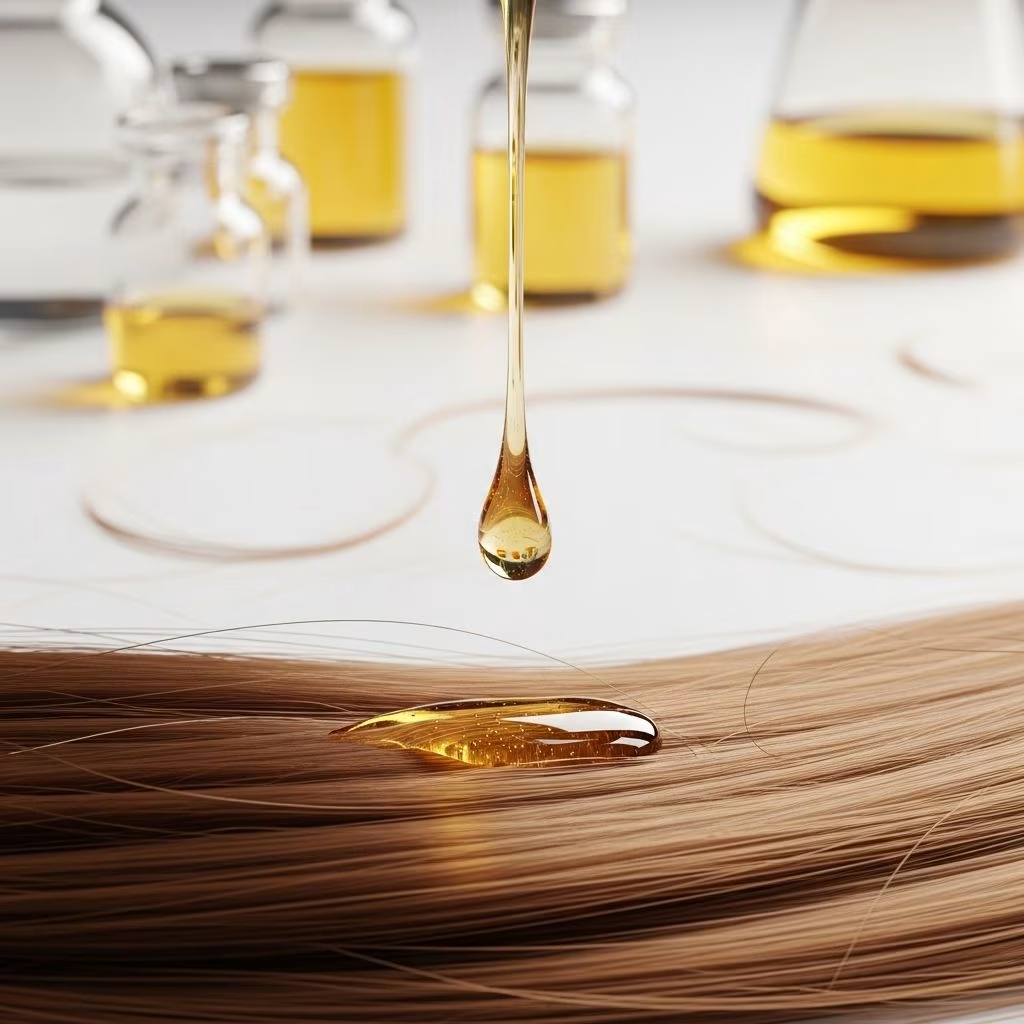
Keratin has long been revered in the hair care world for its ability to enhance strength, smoothness, and elasticity. In recent years, hydrolyzed keratin—a specialized, smaller-molecule form—has gained prominence. This comprehensive guide delves into the science, benefits, usage, and expert tips for incorporating hydrolyzed keratin into your hair care regimen.
What is Hydrolyzed Keratin?
Keratin is a fibrous structural protein naturally found in hair, skin, and nails. Its robust structure gives hair its strength and resilience. In its unmodified form, keratin molecules are too large to penetrate the hair shaft. Hydrolyzed keratin is keratin that has been broken down into smaller peptides and amino acids by enzymatic or acid hydrolysis, making it water-soluble and more easily absorbed by hair strands.
Common sources of keratin for hydrolysis include sheep wool and sometimes poultry feathers. The resulting hydrolyzed protein boasts a molecular weight around 1,000 Da, ideal for topical penetration into the hair cuticle and cortex.
Key Features of Hydrolyzed Keratin:
- Water-soluble form of keratin easily absorbed by hair
- Prepared via acid, enzymatic, or other hydrolysis processes
- Contains small peptides and amino acids
- Used extensively in shampoos, conditioners, masks, serums, and leave-in treatments
Hair Benefits of Hydrolyzed Keratin
Hydrolyzed keratin is valued for its capacity to improve hair’s strength, resilience, and appearance. Here are the main scientifically documented benefits:
- Strengthens Damaged Hair: Fills microscopic gaps in the cuticle, cortex, and medulla, reinforcing the hair shaft against breakage.
- Increases Hair Elasticity: Enhances flexibility, reducing the likelihood of split ends and breakage during styling.
- Reduces Frizz & Smooths Texture: Forms a protective barrier that reduces moisture loss and tames frizz, resulting in a smoother look and feel.
- Repairs Damage from Chemical & Environmental Stressors: Protects hair from sun exposure, coloring, bleaching, perming, and heat styling.
- Promotes Hair Growth (Experimental Evidence): Early animal studies show keratin can stimulate growth and formation of new hair follicles when injected into the skin.
- Enhances Shine and Luster: Repaired cuticles reflect light more evenly for a glossy, healthy appearance.
How Hydrolyzed Keratin Works
Although hair is made primarily of keratin proteins, daily wear and damage can create gaps and weaknesses in each strand’s structure. Hydrolyzed keratin’s small molecules can penetrate these weak points, bonding with the hair’s natural protein and filling in the gaps. This process helps rebuild and fortify the cuticle (outer layer) and cortex (inner layer), leading to stronger, smoother hair.
Notably, hydrolyzed keratin also forms a protective film over hair fibers, preventing further damage from environmental and styling stressors.
| Property | Hydrolyzed Keratin | Non-Hydrolyzed Keratin |
|---|---|---|
| Molecular Size | Low (peptides & amino acids) | High (whole proteins) |
| Water Solubility | Soluble (easily added to formulas, readily absorbed) | Insoluble (mainly sits on the hair surface) |
| Penetration Ability | High (enters hair shaft) | Low (forms external film) |
| Main Benefits | Strength, elasticity, frizz reduction | Surface smoothness, temporary protection |
| Common Uses | Repair & maintenance treatments, conditioners, masks | Straightening products, some specialty treatments |
Scientific Evidence Supporting Hydrolyzed Keratin
The efficacy of hydrolyzed keratin is supported by both clinical trials and laboratory studies:
- Repair of Damaged Hair: Studies indicate that hydrolyzed keratin can penetrate the hair fiber, repair damaged areas, and improve overall mechanical strength.
- Enhancement of Hair Growth: Animal studies suggest keratin may promote hair follicle formation and growth, similar to the effects of clinically proven treatments (e.g., minoxidil).
- Cosmetic Effects: Human trials on oral keratin supplementation (from poultry feathers) showed improvements in the appearance of hair, nails, and skin after 90 days, though topical benefits are more widely recognized.
For most users, benefits are most pronounced when hydrolyzed keratin is applied topically to damaged, dry, or chemically processed hair.
How to Use Hydrolyzed Keratin
Hydrolyzed keratin is found in a range of hair care products, from shampoos and conditioners to deep masks and leave-ins. Here’s how to integrate it into your routine:
Step-By-Step Application Guide
- Start with a clarifying shampoo to remove excess oil and buildup. This enables better penetration of keratin.
- Apply hydrolyzed keratin masks or deep conditioners to clean, towel-dried hair. Distribute evenly, focusing on damaged or porous areas.
- Leave in for 10–30 minutes depending on product instructions. Gently heat (e.g., with a warm towel or low-heat dryer) can enhance absorption.
- Rinse thoroughly with cool or lukewarm water to seal the cuticle.
- Finish with a leave-in treatment, serum, or conditioner containing hydrolyzed keratin for ongoing benefits and frizz protection.
Frequency of Use
- Weekly Mask/Treatment: Deep treatments are often used once a week for moderately damaged hair. Severely damaged or chemically treated hair may benefit from 2–3 times a week cycles, tapering off as the hair’s condition improves.
- Daily Use: Lighter leave-in products or conditioners with hydrolyzed keratin can be used after every wash.
Professional Keratin Treatments
Some salon treatments use hydrolyzed keratin at higher concentrations (up to 5%). Professional application may provide longer-lasting smoothing, but be mindful of stronger chemicals—choose sulfate-free, formaldehyde-free options whenever possible.
Choosing the Right Hydrolyzed Keratin Products
- Look for “hydrolyzed keratin” or “keratin hydrolysate” high on the ingredient list.
- Evaluate concentration: Most over-the-counter hair tonics, masks, and leave-ins contain 0.5% – 5% hydrolyzed keratin.
- Opt for formulas free of harsh sulfates, parabens, and formaldehyde for daily or weekly use.
- Check for added conditioning agents (like arginine, panthenol, or oils) for synergistic benefits, especially if hair is dry or chemically processed.
Tips for Best Results
- Consistency is Key: Use a hydrolyzed keratin treatment regularly for ongoing protection and repair.
- Avoid Overuse: While beneficial, excessive keratin can make hair stiff or brittle. Follow product instructions and adjust frequency to your hair’s needs.
- Pair with Moisturizers: Hydrolyzed keratin repairs structure; pair it with hydrating masks or oils to prevent dryness.
- Minimize Heat Styling: Frequent heat styling can offset keratin’s benefits. Always use a heat protectant.
- Trim Split Ends Regularly: Even with keratin’s strengthening action, regular trims maintain healthy hair.
Potential Side Effects and Safety
Topical use of hydrolyzed keratin is generally considered safe for all hair types, including color-treated or chemically processed hair. Adverse reactions are rare, but consider the following:
- Product Buildup: Overuse can cause protein overload, leading to stiff or straw-like hair. Alternate with moisturizing products.
- Allergic Reactions: Rare, but patch test new products to ensure compatibility, especially if you have sensitive skin or allergies to wool, feathers, or animal proteins.
- Formaldehyde Exposure: Some salon keratin treatments (not all hydrolyzed keratin products) may use formaldehyde-releasing agents for straightening. Choose labeled “formaldehyde-free” products when possible.
Frequently Asked Questions (FAQs)
Q: Can hydrolyzed keratin help with hair loss?
A: Hydrolyzed keratin primarily strengthens and repairs hair fiber, but recent animal studies suggest it may stimulate new hair growth and follicle formation. These findings are preliminary, and more research is needed for conclusive evidence in humans.
Q: Is hydrolyzed keratin suitable for all hair types?
A: Yes. It benefits straight, wavy, curly, coily, colored, and chemically treated hair by reinforcing the structure and reducing frizz. Adjust frequency based on your hair’s response.
Q: How do I know if my hair needs hydrolyzed keratin?
A: Signs such as chronic frizz, dullness, split ends, breakage, and decreased elasticity often indicate keratin depletion and damage.
Q: Does hydrolyzed keratin straighten hair?
A: Hydrolyzed keratin improves hair’s texture and manageability but does not chemically straighten. For straightening effects, specialized keratin treatments (sometimes with formaldehyde) are used in professional settings.
Q: Can I combine hydrolyzed keratin with other treatments?
A: Yes. It pairs well with moisturizing products, lightweight oils, and heat protectants. Avoid heavy protein treatments in tandem to prevent overload.
Conclusion
Hydrolyzed keratin stands out as a versatile hair care ingredient supported by both science and widespread consumer success. Its ability to repair, strengthen, and protect hair makes it particularly valuable for people dealing with damaged, fragile, or chemically processed hair. By understanding its benefits, using it wisely, and choosing quality products, you can unlock smoother, stronger, and resilient hair—naturally and safely.
References
- https://www.chemicalbook.com/article/benefits-and-usage-of-keratin-hydrolyzed-in-hair-care.htm
- https://www.nature.com/articles/s42003-022-04232-9
- https://pubmed.ncbi.nlm.nih.gov/39367631/
- https://onlinelibrary.wiley.com/doi/10.1111/jocd.16626
- https://my.clevelandclinic.org/health/body/23204-keratin
- https://pubs.acs.org/doi/10.1021/acsomega.4c10755


