


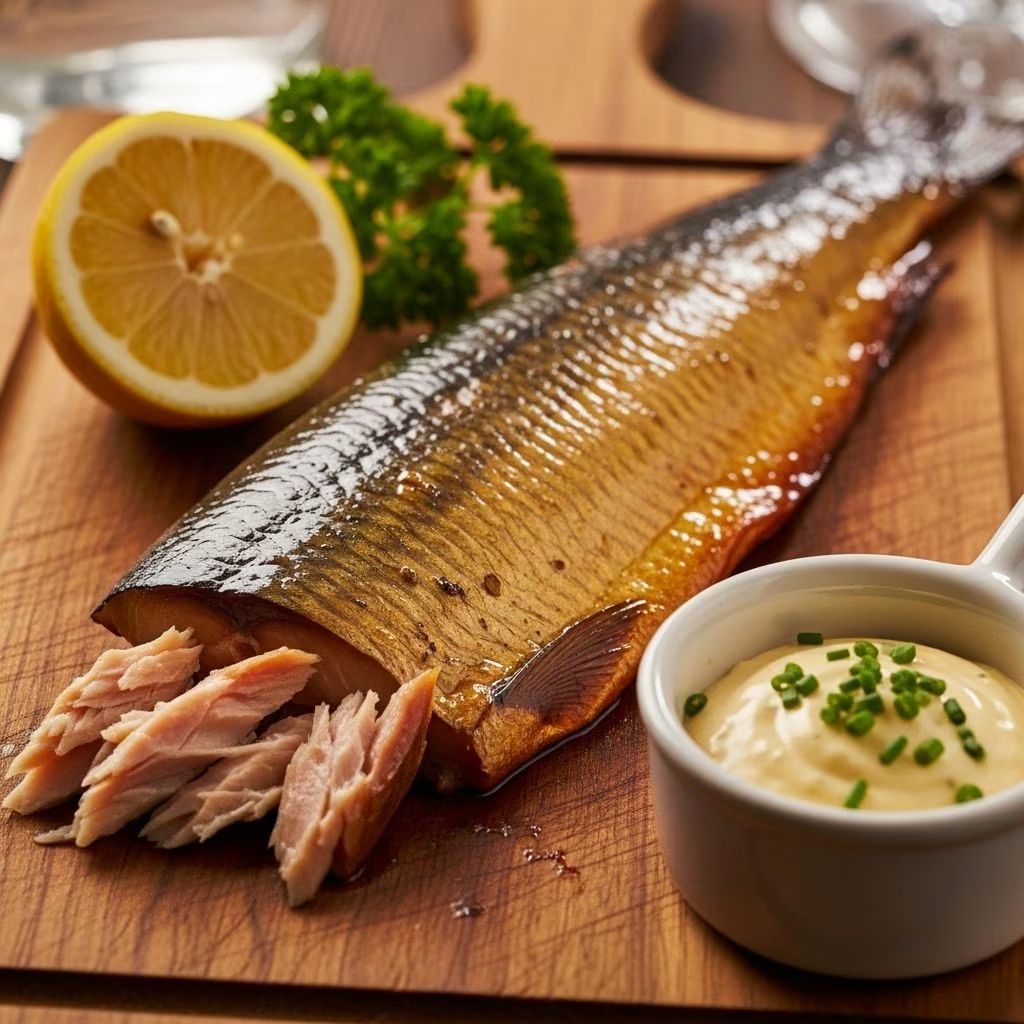
Kipper, a smoked herring delicacy, has long been a favorite on breakfast tables across the British Isles and beyond. Combining traditional preservation methods, rich nutritional value, and a distinctive flavor, kipper endures as an iconic food cherished for both its history and taste. This article explores the origins, preparation, health benefits, culinary uses, and unique taste of kipper, offering a comprehensive perspective on this celebrated seafood.
What Is Kipper?
Kipper is a whole herring — a small, oily fish — that is split open from tail to head along the dorsal ridge, gutted, salted or pickled, and then cold-smoked over wood chips (often oak) . The process leaves the fish preserved, imparting a smoky flavor and a firm, tasty texture. Kipper is most famously consumed as a breakfast dish in the United Kingdom, Ireland, and parts of North America, and enjoys popularity at other meals as well .
Etymology and Terminology
The word kipper may derive from the Old English ‘cypera,’ referencing the copper color of the smoked fish . As a process, ‘kippering’ refers to the preservation of various foods by splitting, salting, and smoking, though it typically applies to whole herring .
History and Origins of Kipper
While the exact invention of kipper remains uncertain, evidence shows the method of slitting, salting, and smoke-curing fish has ancient roots. Some suggest accidental discoveries led to kipper production, such as the story of a fisherman in 16th-century Great Yarmouth who found smoked herring palatable after leaving fish near a burning fire overnight .
- The kippering process became commercially widespread in Northern England and Scotland in the 19th century.
- Today, kippers are commonly associated with the traditional cuisines of the United Kingdom, Isle of Man, and Scotland .
- The practice of dyeing kippers (to produce a deep orange hue) began in World War I to accelerate production and sales .
How Kipper Is Made
The preparation of kipper involves several distinct steps, combining tradition with craftsmanship:
- Selection: Fat, healthy herring are chosen during peak season, as their flesh is more flavorful and suited for smoking .
- Splitting: The fish is split open (“butterflied”) from tail to head along the back, keeping the flesh intact.
- Gutting and Cleaning: Internal organs are removed to prevent spoilage.
- Salting or Pickling: The herring is rubbed with salt, or brined, often briefly for modern tastes.
- Smoking: The fish is cold-smoked (at temperatures up to 30°C), traditionally using oak chips. The smoke imparts a distinctive aroma and aids in preservation .
- Optional Dyeing: Some kippers are brine-dyed with natural annatto, producing a richer orange color for visual appeal. Traditional producers in the Isle of Man and Scotland often forego dyeing, instead extending smoking time for a deep, natural hue .
The resulting product is slightly moist but firm, pleasantly smoky, and highly aromatic.
Kipper vs. Other Smoked Fish
Kipper is often confused with other smoked fish. Here’s how they differ:
| Type | Description | Preparation Method | Smoking Style |
|---|---|---|---|
| Kipper | Split, gutted herring, usually butterflied | Cold-brined and cold-smoked | Cold-smoked, typically oak wood |
| Bloater | Whole herring, not split, guts intact | Cold-smoked, no brining | Cold-smoked, milder flavor |
| Buckling | Whole herring, no split, gutted | Hot-smoked | Hot-smoked, softer texture |
Kippers are renowned for their firmer texture and balanced smoke-salt profile, whereas bloaters and bucklings are softer and differ in flavor intensity .
Nutritional Benefits of Kipper
Kippers are highly valued not only for taste but also for their impressive nutrition:
- Rich in Protein: Kipper serves as an excellent protein source, essential for muscle upkeep and metabolic function.
- High in Omega-3 Fatty Acids: As an oily fish, kipper provides significant omega-3s, which support cardiovascular and brain health.
- Vitamins and Minerals: Kippers are a source of vitamin D, vitamin B12, selenium, iron, and calcium, all necessary for overall health.
- Low in Carbohydrates: Kippers contain almost no carbs, making them suitable for low-carb and ketogenic diets.
Nutritional values will vary slightly based on how the kipper is brined and smoked, but typical nutritional data per 100g portion are:
- Calories: ~220 kcal
- Protein: 24g
- Fat: 13–15g (mainly unsaturated)
- Omega-3: ~2g
- Sodium: moderate to high, due to brining
How to Eat and Use Kipper
Kipper can be enjoyed in a variety of ways, reflecting both tradition and culinary innovation:
- Traditional British Breakfast: Grilled, broiled, or sautéed kippers served with butter, lemon, and bread, sometimes accompanied by a poached egg and tea .
- High Tea or Supper: Popular in working-class urban populations during the early 20th century, often paired with bread or potatoes.
- Culinary Uses in Recipes: Chopped kipper can be added to omelets, kedgeree (a rice dish with curry spices), fish pâtés, or salads for extra flavor.
- Snacking: Chilled kipper fillets, straight from the fridge with crackers or vegetables.
Preparation Tips: To serve, kippers are commonly briefly grilled or poached. Their versatility means they can be used cold or hot. Remove any pin bones with tweezers before serving whole fillets, if desired.
Taste and Flavor Profile of Kipper
Kipper has a distinctive, complex flavor profile, resulting from its unique preparation:
- Smoky: The cold-smoking process imparts a moderate to strong smoky aroma and taste, reminiscent of wood-fired warmth.
- Savory and Salty: Brining introduces a mild to moderate saltiness without overwhelming the natural flavors.
- Rich and Umami: The oily nature of herring gives kipper a buttery richness and deep, umami-packed flavor.
- Firm yet Tender Texture: Cold-smoking firms up the flesh, making it resilient but still moist and flaky when cooked properly.
When served, the best kippers are pale copper in color and offer a mellow balance between smoke, salt, and the sweet flavor of fresh herring. Some dyed kippers may be visually brighter but sometimes lack depth of flavor compared to traditionally smoked kippers .
Storing and Preparing Kipper
Proper storage and preparation ensure the best eating experience:
- Refrigeration: Modern kippers are lightly brined and have a short shelf life at room temperature. Store kippers in the refrigerator and eat within a week or by the marked best-before date .
- Freezing: For longer storage, wrap tightly and freeze for up to 3 months.
- Cooking Methods: To prepare, grill or broil under gentle heat for a few minutes until heated through. Alternatively, immerse in simmering (not boiling) water for a few minutes.
- Serving: For traditional style, pat with butter and serve with lemon; remove skin and large bones before eating.
Frequently Asked Questions (FAQs)
Q: Is kipper safe to eat during pregnancy?
A: Yes, in moderation—kipper is a source of omega-3s and protein. Ensure that it is thoroughly cooked to avoid possible pathogens, as with all ready-to-eat fish products.
Q: What is the difference between kipper and smoked salmon?
A: Kipper is smoked herring, while smoked salmon comes from salmon. Salmon is fattier, milder, and generally less salty, while kipper is firmer and more robustly flavored due to its preparation method.
Q: Can kippers be eaten cold?
A: Yes—pre-cooked and chilled kipper fillets can be served cold, especially in salads or on sandwiches. Many people, however, prefer them warmed to highlight the subtle flavors and silky texture.
Q: Are all kippers dyed?
A: Not all. Many traditional producers (notably in Scotland and the Isle of Man) avoid dyeing the fish, relying instead on longer smoking for color. Dyed kippers are still common in some markets for visual appeal.
Q: Is kipper a sustainable seafood choice?
A: Herring stocks are managed in many regions, and kipper can be a sustainable option if sourced from well-managed fisheries. Look for certification labels indicating sustainable harvest.
Conclusion
Kipper stands as a testament to the ingenuity of early preservation and the enduring appeal of smoked fish. With its savory taste, versatile uses, and nutritional benefits, it remains a delightful addition to culinary traditions and modern recipes alike. Whether enjoyed as a classic British breakfast or incorporated into innovative dishes, the humble kipper more than earns its place on the global table.


