


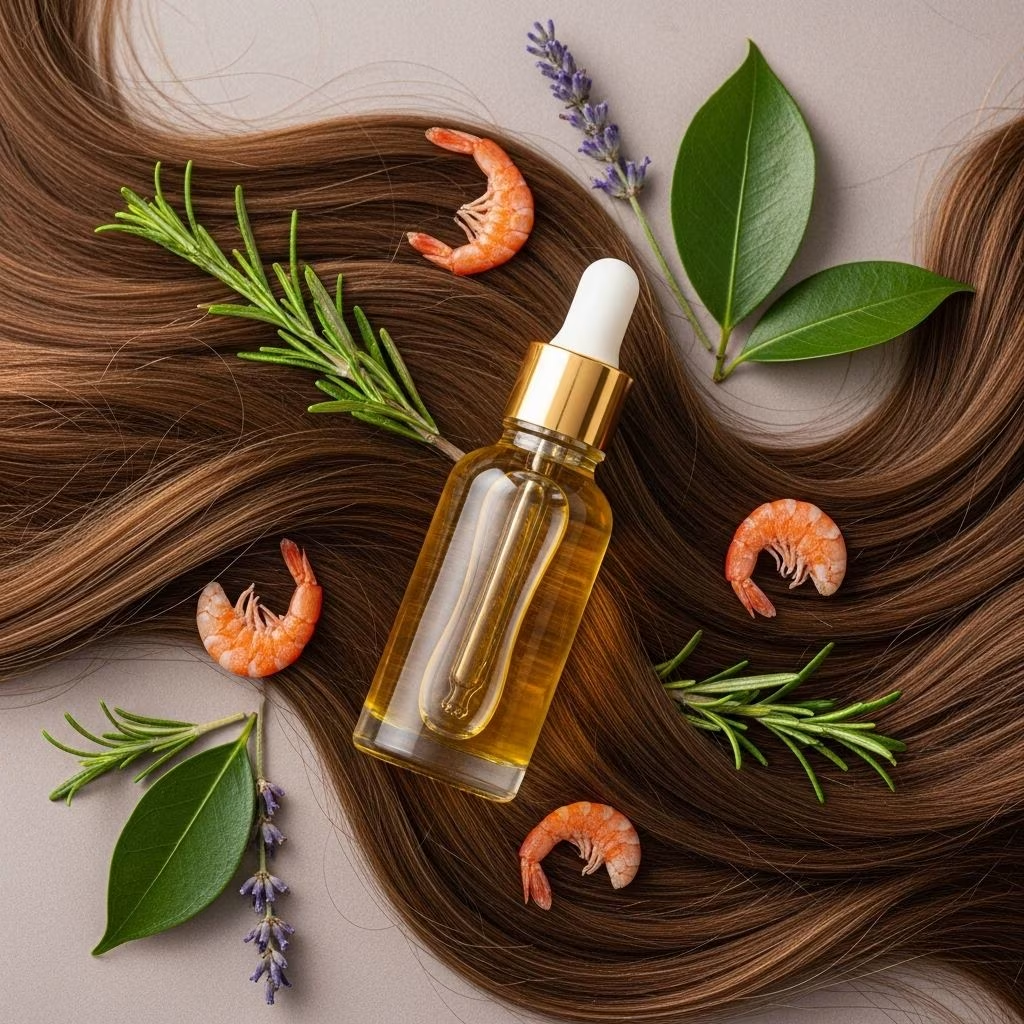
When it comes to cultivating beautiful, resilient hair, breakthroughs often come from unlikely natural sources. Krill oil, a nutrient-rich extract from Antarctic krill, is one such standout. Powered by concentrated omega-3 fatty acids, antioxidants, and essential micronutrients, krill oil provides a comprehensive approach to transforming hair health from the inside out. This guide delves into the scientific benefits of krill oil for hair, how to effectively use it, nutritional insights, and expert-backed tips for optimal results.
- Table of Contents
- What Is Krill Oil?
- Krill Oil: Nutritional Profile and Its Impact on Hair
- Key Hair Benefits of Krill Oil
- Scientific Evidence and Research Overview
- How to Use Krill Oil for Hair Health
- Expert Tips for Maximizing Hair Benefits
- Potential Side Effects and Precautions
- Krill Oil vs Fish Oil: Which Is Better for Hair?
- Frequently Asked Questions (FAQs)
What Is Krill Oil?
Krill oil is derived from tiny shrimp-like crustaceans called krill that thrive in the cold waters of the Antarctic. Unlike regular fish oil, krill oil boasts a high bioavailability of omega-3 fatty acids (mainly EPA and DHA) due to their phospholipid-bound structure, allowing for better cellular absorption. Krill oil’s natural red pigment comes from astaxanthin, a potent antioxidant. This nutrient combination makes krill oil a sought-after supplement not just for heart or brain health, but for skin and hair as well.
Krill Oil: Nutritional Profile and Its Impact on Hair
The secret to krill oil’s impressive hair benefits lies in its unique nutritional composition:
- Omega-3 Fatty Acids (EPA & DHA): Essential for scalp hydration, follicle nourishment, and stimulating healthy growth.
- Astaxanthin: Protects from oxidative stress—such as UV or pollution—that can damage hair shafts and follicles.
- Vitamins A & E: Crucial for preventing breakage and improving shine.
- Trace Minerals (Zinc, etc.): Support keratin production and overall follicle health.
- Amino Acids: Building blocks for stronger hair structure.
Key Hair Benefits of Krill Oil
1. Strengthens Hair Strands
Omega-3s in krill oil penetrate the hair shaft and reinforce strand structure, reducing breakage, split ends, and brittleness. This results in hair that is more resilient under daily styling and environmental stress.
2. Promotes Healthy Hair Growth
By nourishing follicles and improving blood flow to the scalp, krill oil fosters the perfect setting for hair growth. Omega-3s also help regulate sebum, ensuring a balanced, hydrated scalp and boosting follicular productivity.
3. Reduces Hair Loss
Antioxidants, anti-inflammatory properties, and essential fats in krill oil work together to shield hair follicles from stress and hormonal triggers related to excess shedding. By replenishing scalp deficiencies and reducing oxidative damage, krill oil fortifies roots against unnecessary hair fall.
4. Boosts Hair Shine & Texture
For dull or lifeless hair, krill oil’s hydrating capability—via enhanced lipid barrier—restores vibrancy. Improved moisture retention results in visibly smoother, shinier locks that are less frizzy and more manageable.
| Benefit | Krill Oil’s Role |
|---|---|
| Strength | Omega-3s reinforce strands; fewer split ends |
| Growth | Better follicle nutrition; scalp hydration |
| Hair Loss | Antioxidants reduce follicle damage; roots fortified |
| Shine | Balances scalp oils; locks are smoother, more radiant |
Scientific Evidence and Research Overview
Recent animal and preliminary human studies offer support for krill oil’s potential for enhancing hair quality:
- In a controlled canine study, krill oil supplementation dramatically improved hair quality and thickness. The group receiving krill oil reached a 72% ideal hair rating versus a 50% decrease in the control group after eight weeks. Microscopic analysis demonstrated thinner, healthier scales on new hair and elevated levels of amino acids in the hair, which are vital for keratin structure and resilience.
- Krill oil increased the activity of key antioxidants in the blood and lowered inflammation, both linked to healthier hair growth and less follicular stress.
- Parallel research on related omega-3-rich supplements (like fish oil) in humans shows promise for prolonging the anagen (growth) phase of hair, less thinning, and improved density. However, more large-scale data specifically on krill oil in humans is needed.
How to Use Krill Oil for Hair Health
For those seeking to experience krill oil’s benefits for their hair, here are step-by-step usage recommendations:
Choosing the Right Supplement
- Seek high-quality, pure krill oil capsules with clear labeling of omega-3 content (EPA + DHA) and astaxanthin presence.
- Products like Daiwa Krill Oil 500 mg are formulated for enhanced bioavailability.
Recommended Dosage
- A typical adult dose ranges from 250–500 mg of EPA/DHA per day, consistent with general omega-3 recommendations.
- Consult with a healthcare provider to tailor dosage to individual health status, dietary intake, or preexisting conditions.
How to Take
- Swallow softgel capsules with water, ideally with a meal containing healthy fats for superior absorption.
- Consistency matters: Most users notice benefits after 2–3 months of daily use.
Can Krill Oil Be Used Topically?
- While most benefits stem from internal use, some anecdotal evidence supports breaking open a capsule and massaging the oil into the scalp for hydration and antioxidant effects.
- If applying to the scalp, perform a patch test first and beware of staining due to astaxanthin’s red pigment.
Expert Tips for Maximizing Hair Benefits
- Pair with a Balanced Diet: Combine krill oil intake with a nutrient-rich eating plan high in lean proteins, leafy greens, and hydration for comprehensive hair support.
- Avoid Extreme Styling: While using krill oil, minimize use of harsh chemicals, hot tools, or tight hairstyles that contribute to damage and shedding.
- Track Your Progress: Take before-and-after photos every two months to evaluate changes in strength, shine, and volume objectively.
- Combine with Complementary Nutrients: Vitamin D, B-complex, and collagen supplements may enhance krill oil’s benefits for those with broader hair health concerns.
Potential Side Effects and Precautions
Although krill oil is generally safe for most adults, it’s important to be aware of the following:
- Potential Allergies: Anyone allergic to shellfish should *not* use krill oil.
- Mild Digestive Upset: Some people report occasional bloating, fishy aftertaste, or mild stomach discomfort.
- Blood Thinners: Krill oil can have a mild blood-thinning effect; consult your doctor if you take anticoagulant drugs or have clotting disorders.
- Pregnancy & Breastfeeding: Professional guidance is recommended before use in these cases.
Krill Oil vs Fish Oil: Which Is Better for Hair?
| Feature | Krill Oil | Fish Oil |
|---|---|---|
| Absorption | Phospholipid-bound, superior cellular uptake | Triglyceride-bound, slower absorption |
| Antioxidants | High, owing to astaxanthin | Generally lower |
| Omega-3 Form | Richer in EPA/DHA per volume; less risk of oxidation | Richer but more prone to rancidity |
| Aftertaste | Minimal or none | Can produce fishy repeats |
| Hair-Specific Data | Limited, promising animal and small human data | More human studies for hair loss, growth |
Frequently Asked Questions (FAQs)
Q: How quickly can I expect results from krill oil for my hair?
A: Most individuals notice subtle changes in hair texture and reduced shedding after 8–12 weeks of consistent use. Full results including visible thickness and improved shine often take 3–6 months.
Q: Can krill oil regrow lost hair?
A: Krill oil supports the health of existing follicles and helps prolong the growth phase but is unlikely to regrow hair from severely damaged or inactive follicles. It is most effective for early thinning, weak strands, and dullness.
Q: Is it safe to combine krill oil with other hair supplements?
A: Yes, krill oil generally pairs well with most hair growth and scalp-supporting supplements such as biotin, collagen, or multivitamins. If you take prescription medication or multiple supplements, consult your healthcare provider first.
Q: Is krill oil better than topical hair oils?
A: While topical oils help with outer hair smoothness, krill oil works from within, reinforcing strands, roots, and scalp for deeper, longer-lasting results. Both can be used together for best effects.
Q: Who should not take krill oil?
A: Those with shellfish allergies, bleeding disorders, or on blood thinners should avoid krill oil or consult their doctor before use.
Conclusion
Krill oil is emerging as a powerful, natural solution for enhanced hair health. With its combination of omega-3s, antioxidants, and essential nutrients, it addresses the root causes of weak, brittle, or thinning hair in a way that superficial treatments cannot. Combined with proper usage, lifestyle support, and a healthy diet, krill oil offers a science-backed path to stronger, shinier, and more resilient locks for men and women alike.
References
- https://willner.com/articles/benefits-of-krill-oil-for-hair
- https://www.medicalnewstoday.com/articles/fish-oil-for-hair
- https://www.frontiersin.org/journals/microbiology/articles/10.3389/fmicb.2025.1587149/full
- https://pmc.ncbi.nlm.nih.gov/articles/PMC11272659/
- https://pubmed.ncbi.nlm.nih.gov/25573272/
- https://www.healthline.com/nutrition/krill-oil-benefits
- https://nyo3.com/krill-oil-benefits/
- https://www.clinikally.com/blogs/news/5-key-health-benefits-of-krill-oil-supported-by-research
- https://resources.healthgrades.com/right-care/heart-health/7-potential-benefits-of-krill-oil


