


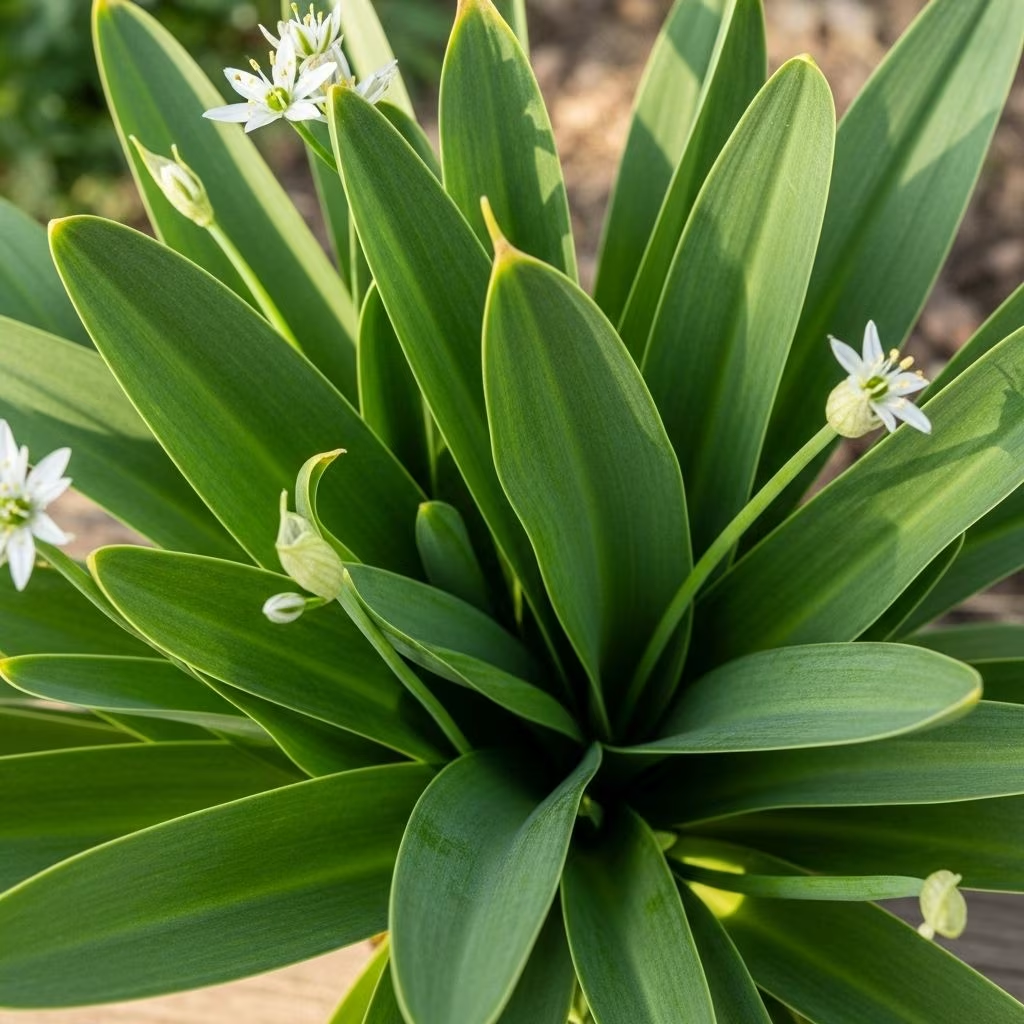
Kurrat is a distinctive leafy green from the onion family, cultivated primarily for its vibrant, aromatic leaves rather than bulbs. Commonly grown and consumed in Middle Eastern and Mediterranean cuisines, Kurrat stands apart for its robust nutrition and culinary versatility. This comprehensive guide explores the identity of Kurrat, its health benefits, uses in cooking, nutritional profile, and its unique taste that distinguishes it from other members of the Allium genus.
Introduction to Kurrat
Kurrat is a cultivated form of Allium ampeloprasum, a species which also includes leeks and elephant garlic as close relatives. Unlike leeks, kurrat is grown specifically for its edible flat leaves, which are harvested while still tender and used as a flavorful leafy vegetable or seasoning. It is especially popular in Egypt, the Levant, and parts of North Africa, where it is a staple in salads, cooked dishes, and as a fresh garnish.
Botanical Classification and Origin
| Feature | Description |
|---|---|
| Scientific Name | Allium ampeloprasum var. kurrat |
| Common Names | Kurrat, Egyptian Leek, Leaf Leek, Wild Leek |
| Family | Amaryllidaceae (Onion family) |
| Origin/Native Area | Eastern Mediterranean, Middle East, North Africa |
| Related species | Leek (Allium porrum), Elephant garlic (Allium ampeloprasum var. ampeloprasum) |
Kurrat, like its relatives, is a biennial plant grown as an annual for leafy harvests. Its popularity in ancient and modern Egyptian cuisine underscores a long historical presence in Mediterranean agriculture, with references stretching back thousands of years.
Botanical Characteristics
- Leaves: Linear, broad, and tender when young; arranged fan-like, blue-green to dark green in color.
- Stems: Largely leaf sheaths; lacks the pronounced bulb typical of onions and garlic.
- Flowers: Clusters of pale purple flowers, appearing only in the plant’s second year if allowed to mature.
- Flavor: Resembles a blend of mild leek and garlic.
Nutritional Profile of Kurrat
Kurrat is a nutrient-dense vegetable, offering an array of vitamins, minerals, and beneficial plant compounds. Though exact composition varies with cultivation and freshness, typical nutrients found in kurrat include:
- Vitamin C: Antioxidant important for immunity and skin health.
- Folate (Vitamin B9): Plays a crucial role in cell division and DNA synthesis.
- Vitamin K: Essential for blood clotting and bone health.
- Iron: Supports red blood cell production.
- Allicin and other sulfur compounds: Known for heart and immune health benefits.
- Fiber: Aids digestive health and promotes satiety.
- Low calories, low fat: Kurrat is filling but very low in calories, making it suitable for healthy diets.
The leafy nature of kurrat makes it an excellent source of phytonutrients, comparable to other leafy alliums but with a unique profile emphasizing mild flavor and high vitamin content.
Health Benefits of Kurrat
Regular consumption of kurrat has been linked to multiple health benefits, largely due to its richness in vitamins, minerals, and bioactive compounds typical to alliums. Key benefits include:
- Supports Heart Health: Sulfur compounds, particularly allicin derivatives, may help lower cholesterol, improve arterial health, and reduce the risk of cardiovascular disease.
- Immune Boosting: High Vitamin C concentration and antimicrobial properties bolster immune function and help fight infections.
- Anti-inflammatory and Antioxidant Effects: Phytochemicals confer potent antioxidant protection, helping to counter oxidative stress, inflammation, and cell damage.
- Digestive Support: Fiber and prebiotics feed healthy gut bacteria and regulate digestion.
- Antimicrobial and Antifungal Properties: Traditional use in folk medicine for conditions like ringworm or skin irritations reflects laboratory findings that kurrat has broader antifungal and antimicrobial activities, though milder than garlic.
- Blood Sugar Regulation: Some studies suggest alliums may help stabilize blood glucose, supporting diabetes management.
- Bone Health: Vitamin K and trace minerals promote strong bones and healthy joints.
- Weight Management: Low caloric value and high satiety support healthy eating patterns and weight control.
Though not as powerfully medicinal as garlic, kurrat offers a gentle, everyday means of supporting overall wellness while enhancing food flavor and aroma.
Culinary Uses of Kurrat
Kurrat is regarded as a culinary chameleon in the Mediterranean and Middle Eastern kitchens. Its leaves are harvested young for the most delicate flavor and tenderness. The uses of kurrat include:
- Raw in Salads: Fresh, chopped kurrat leaves provide a mild, garlicky-onion flavor and pleasing crispness to green salads, tabbouleh, and fattoush.
- Cooked Dishes: Used as an aromatic or main vegetable in stews, egg dishes (such as Egyptian ‘egga’), and sautéed with other greens or meats.
- Seasoning and Garnish: Finely chopped as a topping for soups, meats, and grains, or blended into herb pastes and sauces.
- Baked and Stuffed: Classic in pies, pastries, and savory stuffings with rice and herbs.
- Pickled or Fermented: Occasionally, kurrat leaves and bulbils are preserved in vinegar brines for tangy flavor accents.
Common Dishes Using Kurrat
- Egyptian Egga: A herbed frittata featuring large amounts of kurrat, parsley, and dill.
- Kurrat Salad: Sliced raw with tomatoes, cucumbers, lemon, and olive oil.
- Herb Rice: Blended into pilafs with mint, parsley, and coriander.
- Vegetable Stews: Sautéed with tomatoes, onions, and other aromatics.
Taste and Flavor Profile
Kurrat is prized for its unique, balanced taste that combines the aromatic depth of garlic with the mild sweetness and subtler bite of leeks. The flavor profile includes:
- Mild Garlic: Noticeable when eaten raw, but mellows upon cooking.
- Leek-Like Sweetness: Subtle vegetal sweetness and less acrid than bulbs of onion or garlic.
- Savory Notes: Enhances the umami character of soups, stews, and omelets.
- Aromatic Green: The fresh, green taste is reminiscent of chives or scallion greens, but with deeper allium complexity.
The flavor concentrates more strongly in young, tender leaves. Older leaves can turn fibrous and slightly bitter; these are better suited to slow-cooked applications.
Growing and Harvesting Kurrat
Kurrat thrives in similar conditions to leeks and onions. Here are the basic cultivation requirements:
- Climate: Prefers cool to moderate climates; grows best in full sunlight.
- Soil: Rich, well-drained loam with high organic matter.
- Planting: Grown from seed or small bulbils. Sow in rows, thin to allow leaf expansion.
- Irrigation: Consistent moisture but not waterlogged conditions.
- Harvesting: Leaves are clipped continuously when young, starting as soon as they reach 6-8 inches tall; mature plants can reach 12-24 inches in height.
- Cycle: Grown as an annual for leaves; plants are usually removed before flowering. If allowed, purple umbels appear in the second year.
How to Select and Store Kurrat
Freshness is critical for flavor and texture. When buying or harvesting kurrat:
- Choose leaves that are bright green, unblemished, and crisp.
- Avoid those with yellowing, wilting, or signs of excessive fiber.
- Use promptly after picking. Store in the refrigerator, wrapped in a damp paper towel inside a loosely closed bag. Optimal use is within 3-5 days.
For longer preservation, kurrat may be chopped and frozen, though it will lose some crispness and become best suited for cooked dishes.
Potential Side Effects and Allergies
Kurrat is considered very safe for most people, but there are a few minor concerns:
- Allergies: Rare, but individuals sensitive to other alliums (onions, garlic, leeks) may also react to kurrat.
- Digestive Distress: Large quantities may cause mild bloating or gastrointestinal discomfort in some people, as with other members of the onion family.
- Pets: Like many alliums, kurrat can be toxic to cats, dogs, and horses if consumed in quantity.
Recipes and Cooking Tips
To get the most from kurrat’s flavor and nutrition, consider these tips:
- Use raw finely chopped leaves to add zip to salads just before serving.
- Gently sauté kurrat with other aromatics to avoid burning the delicate greens.
- Pair with eggs, yogurt, beans, or grains for a balanced meal.
- Bake into savory pies or mix with cheeses for herb fillings.
- Preserve a fresh batch by chopping and freezing for use in soups and stews year-round.
Sample Recipe: Egyptian Kurrat Egga
- 3 cups kurrat leaves (chopped), 2 cups parsley and dill (mixed), 6 eggs, 2 tablespoons olive oil, salt and pepper.
- Whisk eggs with salt, pepper, and oil. Stir in chopped greens. Pour into a greased pan and bake at 350°F until firm and golden (about 20-25 minutes). Serve hot or cold.
Frequently Asked Questions (FAQs)
Q: What is the difference between kurrat and leek?
A: Kurrat is grown specifically for its tender leaves and not for thickened stems, unlike leeks. While related, kurrat is leafier, milder, and more aromatic, making it better for salads, while leeks are preferred in cooked preparations.
Q: Does kurrat taste like garlic?
A: Kurrat’s flavor is reminiscent of garlic but is milder, making it suitable for those who want onion-garlic notes without pungency.
Q: Can I substitute kurrat for scallions or chives?
A: Yes, chopped kurrat leaves work well in place of scallions or chives for most raw or cooked dishes, adding a more complex onion-garlic flavor.
Q: What part of the kurrat plant is used?
A: Primarily the green leaves; occasionally, small bulbils and flowers are used in salads or as garnish.
Q: Is kurrat available outside the Middle East?
A: Kurrat is most widely available in Middle Eastern markets but may sometimes be found in specialty grocers or grown in home gardens with similar climate and soil conditions.
Conclusion
Kurrat is a flavorful and nutritious addition to the allium family with a long history in Mediterranean and Middle Eastern cuisine. Its tender, vitamin-rich leaves can amplify both raw and cooked dishes, offering subtle onion and garlic undertones with a uniquely fresh aroma. Whether grown in your garden or sought out at a local market, kurrat lets cooks and health conscious eaters enjoy the best that leafy alliums have to offer.
References
- https://efloraofindia.com/efi/allium-ampeloprasum/
- https://plants.ces.ncsu.edu/plants/allium-ampeloprasum/
- https://www.newworldencyclopedia.org/entry/Leek
- https://www.missouribotanicalgarden.org/PlantFinder/PlantFinderDetails.aspx?taxonid=358438&isprofile=0&chr=19
- https://pfaf.org/user/Plant.aspx?LatinName=Allium+kurrat
- https://en.wikipedia.org/wiki/Leek
- https://en.wikipedia.org/wiki/Allium_ampeloprasum
- https://practicalplants.org/wiki/allium_kurrat/


