


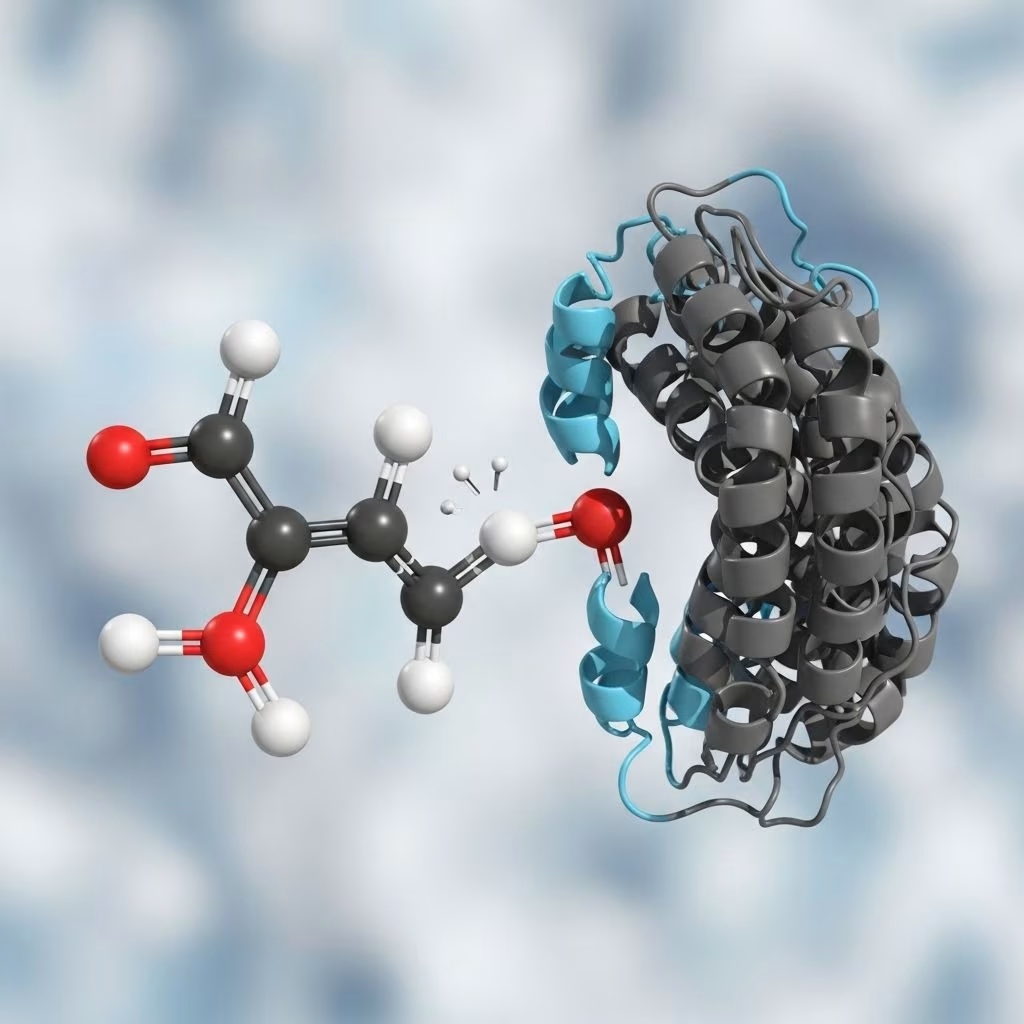
Lactase is a vital enzyme with a direct impact on how humans and many other mammals digest milk and dairy products. From its fundamental biological role as a lactose-digesting catalyst to its therapeutic uses and influence on food taste and tolerance, understanding lactase unlocks key insights into digestive health and nutrition. This comprehensive guide will explore the science behind lactase, the wide range of benefits and applications, safety considerations, and its unique taste and sensory impact in foods and supplements.
Lactase: Definition and Function
Lactase is an enzyme classified as a β-galactosidase (EC 3.2.1.108), responsible for catalyzing the hydrolysis of lactose—the main sugar found in milk—into two simpler sugars: glucose and galactose. These simpler sugars can then be readily absorbed through the intestinal wall into the bloodstream for use as energy or storage.
Lactase’s essential chemical reaction is:
C12H22O11 + H2O → C6H12O6 (glucose) + C6H12O6 (galactose)
Lactase is sometimes also referred to as lactase-phlorizin hydrolase due to its dual activity in breaking down certain other glycosides, but its key nutritional function is lactose digestion. Without lactase, lactose passes undigested to the colon, causing a variety of gastrointestinal symptoms.
Where Is Lactase Produced?
Lactase is produced in the brush border of the small intestine, specifically by cells known as enterocytes, which line the intestinal villi. In humans and many mammals, the gene responsible for lactase production is LCT, located on chromosome 2. Lactase is especially abundant during infancy to aid in the digestion of breast milk, but its activity can change as humans age. The enzyme attaches to the surface of microvilli—the finger-like projections lining the intestine—where it comes into direct contact with food as it passes through.
Main Points
- Location: Brush border of the small intestine.
- Cell type: Enterocytes (intestinal epithelial cells).
- Gene: LCT gene encodes the enzyme in humans.
The Genetics Behind Lactase Production
The ability to produce lactase is largely determined by genetic factors. In the majority of mammals—including most humans—lactase production peaks in infancy and then gradually declines into adulthood, a phenomenon known as lactase nonpersistence. However, certain populations maintain high lactase activity throughout life, a trait known as lactase persistence. This trait evolved in some populations with a long history of dairy farming and milk consumption. Genetic mutations or variants in the LCT gene can also affect lactase production, potentially leading to inherited forms of lactase deficiency.
Summary Table: Genetic Regulation of Lactase
| Term | Description |
|---|---|
| Lactase Persistence | Continued high production of lactase into adulthood, allowing tolerance of dairy in adults. |
| Lactase Nonpersistence | Natural reduction of lactase production after weaning, leading to difficulty digesting lactose in adulthood. |
| Congenital Lactase Deficiency | Rare genetic condition resulting in little to no lactase production from birth. |
Lactase Deficiency and Lactose Intolerance
Lactase deficiency is the root cause of lactose intolerance—the inability to digest lactose efficiently, leading to symptoms like gas, bloating, diarrhea, and abdominal pain after consuming dairy. This results from undigested lactose reaching the colon, where it is fermented by bacteria, producing gas and uncomfortable symptoms.
Types of Lactase Deficiency
- Primary lactase deficiency: The most common type; a gradual reduction in lactase after infancy.
- Secondary lactase deficiency: Results from injury or illnesses affecting the intestinal lining (e.g., celiac disease, gastroenteritis).
- Congenital lactase deficiency: Rare genetic disorder where babies are born unable to produce lactase.
Symptoms of Lactose Intolerance
- Abdominal bloating
- Cramping and pain
- Flatulence (passing gas)
- Diarrhea
- Nausea (sometimes with vomiting)
Benefits of Lactase Enzyme
Lactase provides significant benefits for individuals with lactose intolerance and for food technology. Key advantages include:
- Enables digestion of lactose: Lactase allows those with lactose intolerance to consume and enjoy dairy products without unpleasant consequences.
- Improves nutrient absorption: Breaking down lactose into glucose and galactose enables full absorption of the sugar and associated nutrients like calcium, vitamin D, and protein.
- Prevents gastrointestinal discomfort: Reduces or eliminates gas, bloating, cramps, and diarrhea associated with lactose intolerance.
- Enhances dietary flexibility: Allows lactose-intolerant people to enjoy a broader range of foods, improving meal variety and quality of life.
- Food industry benefits: Use of lactase in making lactose-free dairy broadens product accessibility and market reach.
Common Uses of Lactase
Lactase has valuable uses both in medicine and the commercial food industry. Main applications include:
- As a dietary supplement: Available as tablets, chewables, capsules, and powders—taken before consuming dairy to prevent symptoms.
- Lactose-free dairy production: Added to milk and dairy products to hydrolyze lactose, resulting in lactose-free milk, yogurt, ice cream, and cheese.
- Infant nutrition: Used in specialized infant formulas and treating colic linked to lactose sensitivity.
- Food processing: Used to sweeten dairy naturally since glucose and galactose are sweeter than lactose.
- Scientific research: Utilized in laboratory studies concerning enzyme function, digestion, and nutrient absorption.
Lactase Supplementation: Efficacy and Safety
Lactase supplements are widely used to manage lactose intolerance. Scientific studies confirm their efficacy in breaking down enough lactose to prevent typical symptoms in most individuals, provided they are taken with or immediately before dairy consumption.
Supplement Types
- Tablets or chewables (most popular and convenient for single servings of dairy)
- Drops (added to milk or formula in advance)
- Capsules or powders (sometimes used for cooking or baking)
Dosage and Administration
- Follow product guidelines and personal symptom tracking
- Generally taken right before or with the first bite/sip of dairy-containing food or drink
Safety and Tolerability
- Considered safe when used as directed, including by children and during pregnancy or breastfeeding
- Rarely causes adverse effects; minor symptoms may include mild gastrointestinal discomfort in sensitive individuals
What Does Lactase Taste Like?
Pure lactase enzyme lacks a strong taste on its own, as it is a protein most often delivered in a buffered or inert carrier. In dietary supplements, the taste profile will depend on the additional ingredients, such as flavors, sweeteners, or tablet bases. Some users describe the taste of chewable lactase tablets as slightly chalky, bland, or neutral.
When lactase is added to milk or dairy, the splitting of lactose into glucose and galactose subtly increases the sweetness of the product. This happens because glucose and galactose taste sweeter than the original lactose, imparting a naturally enhanced sweetness to “lactose-free” milk and similar products.
Summary Table: Taste and Sensory Differences
| Product | Typical Taste Effect |
|---|---|
| Lactase enzyme (pure) | Neutral, bland, or slightly chalky in tablet form |
| Lactose-free dairy | Slightly sweeter than standard dairy |
| Pre-treated infant formula | No significant taste difference to sensitive infants |
Potential Side Effects and Precautions
Lactase supplements are generally regarded as very safe. Most people, including children, pregnant and breastfeeding women, tolerate them well if used appropriately with lactose-containing foods.
- Minor non-specific digestive symptoms (rarely): mild bloating, gas, or upset stomach
- No known significant drug interactions
- People with rare allergies to digestive enzymes or filler ingredients should exercise caution
Frequently Asked Questions (FAQs)
Q: Who should consider taking lactase supplements?
A: Anyone with lactose intolerance who wishes to consume regular dairy foods without symptoms can benefit from lactase supplements. This is especially helpful for those who are unable or unwilling to switch to lactose-free products.
Q: Is lactase supplementation effective for everyone with lactose intolerance?
A: Most individuals experience significant symptom relief with proper use, but there can be variability in underlying lactose intolerance severity and response to the supplement.
Q: Are there risks to taking too much lactase?
A: Overconsumption is unlikely to be harmful, but excessive use may be wasteful. Stick to manufacturer recommendations and adjust as needed for your own digestive comfort.
Q: Can lactase supplements treat congenital lactase deficiency?
A: Congenital (from birth) lactase deficiency is extremely rare and requires medical management, often with lactose-free formulas. Common over-the-counter lactase supplements are not intended as treatment for infants with this diagnosis.
Q: Is it safer to use lactose-free milk or just take lactase tablets?
A: Both approaches are considered safe and effective. The choice depends on individual preference, convenience, and dietary habits.
Conclusion
Lactase is a crucial enzyme for breaking down milk sugar, making dairy accessible for most infants and, for many, into adulthood. For those with lactose intolerance, lactase supplements and lactose-free products restore comfort and dietary flexibility, enhancing enjoyment of a wide range of foods. Its safety, efficacy, and food technology uses make lactase an invaluable asset in both nutrition and digestive health.
References
- https://medlineplus.gov/genetics/gene/lct/
- https://en.wikipedia.org/wiki/Lactase
- https://www.webmd.com/vitamins/ai/ingredientmono-540/lactase
- https://www.britannica.com/science/lactase
- https://www.betterhealth.vic.gov.au/health/conditionsandtreatments/lactose-intolerance
- https://www.news-medical.net/health/Lactase-Biology.aspx
- https://www.ncbi.nlm.nih.gov/books/NBK310263/


