


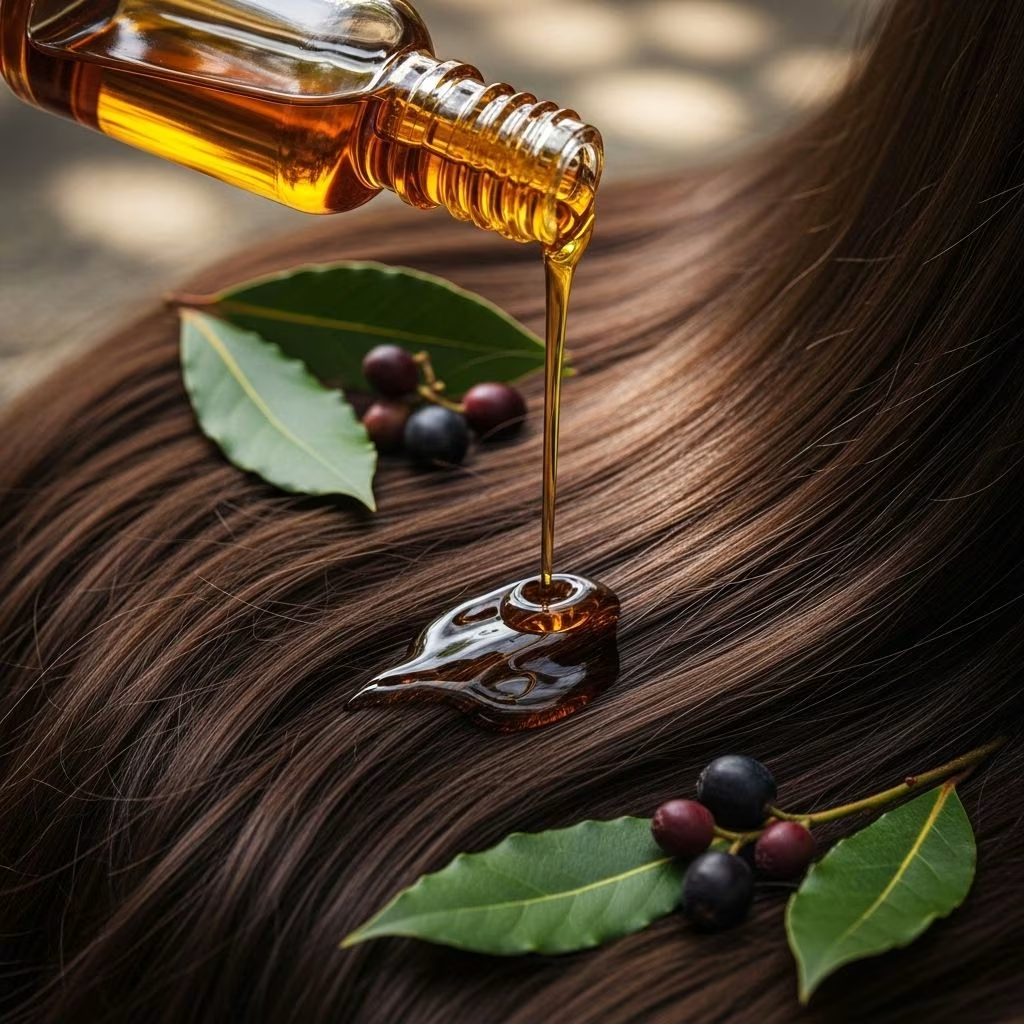
Laurel berry oil—derived from the fruits of Laurus nobilis, a Mediterranean evergreen tree—has been treasured for centuries in traditional hair and skin care. Its rich, nourishing properties and unique composition make it a powerful ally for anyone seeking healthy, beautiful hair, a balanced scalp, and a holistic approach to self-care. This guide explores all aspects of laurel berry oil for hair: benefits, usage methods, safety tips, and science-backed advice for everyday routines.
About Laurel Berry Oil
Laurel berry oil is cold-pressed or traditionally boiled from the ripe berries of the bay laurel tree (Laurus nobilis). Native to the Mediterranean, this oil is thick, opaque, and has a characteristic green to olive hue along with an earthy, aromatic scent. It’s a staple not only in skin care but also in ancient hair rituals, prized for its versatility.
- Main Botanical Source: Laurus nobilis (bay laurel)
- Extraction Method: Cold-pressing or traditional boiling of berries
- Physical Properties: Thick viscosity, opaque, aromatic scent, pale green to olive color
- Key Chemical Components: Oxides, unsaponifiable elements, fatty acids, and antioxidants
Historically, laurel berry oil has been used in making Aleppo soap, famous for its gentle yet potent cleansing and protective effects.
Key Hair Benefits of Laurel Berry Oil
Laurel berry oil’s composition gives it a powerhouse of properties that directly support scalp and hair health.
- Stimulates Hair Growth: Improves circulation to the scalp, nourishing follicles and encouraging faster, fuller hair growth.
- Strengthens Hair Shaft: Deeply nourishes strands, reducing breakage and improving overall hair strength.
- Moisturizes and Softens: Locks in hydration; ideal for dry, brittle, or frizzy hair.
- Fights Dandruff and Itchy Scalp: Soothes dry, irritated scalp conditions and helps prevent flakiness and dandruff through its anti-inflammatory and moisturizing actions.
- Antibacterial and Antifungal Effects: Naturally combats scalp infections, buildup, and bacteria—preventing root and follicle issues.
- Protects Against Thinning and Loss: Nourishes the scalp and strengthens roots, helping minimize thinning or shedding.
- Enhances Shine and Manageability: Leaves hair looking healthy, shiny, and smooth without weighing it down.
These benefits make laurel berry oil a preferred ingredient for modern natural hair care, especially for those with sensitive scalps and delicate hair types.
Chemical Profile in Hair Care
| Component | Benefit |
|---|---|
| Unsaponifiables | Moisturizing, protective barrier for scalp and hair |
| Oxides & Fatty Acids | Hydration, conditioning, anti-inflammatory |
| Antioxidants | Scalp health, protection from environmental stressors |
How Laurel Berry Oil Works
Laurel berry oil’s effects on the hair and scalp stem from its rich concentration of natural emollients, bioactive antioxidants, and antibacterial compounds. Application to the scalp results in:
- Deep Moisture Infusion: Fatty acids penetrate hair fibers and scalp skin, locking in hydration and preventing dryness.
- Protective Barrier Formation: The thick consistency coats scalp and hair, shielding from pollutants and irritants.
- Relief for Irritation: Anti-inflammatory components calm redness, itching, and flaking, especially beneficial for those with conditions like dermatitis or eczema.
- Stimulation of Blood Flow: Massage and regular use can invigorate scalp circulation, facilitating nutrient delivery to follicles.
Traditional Use Case: Aleppo Soap
Aleppo soap—one of the oldest natural soaps—combines laurel berry oil with olive oil and is celebrated for its gentle cleansing, antibacterial effect, and moisture retention properties. Many users apply the lather to their scalp and hair for a gentle cleanse without stripping natural oils.
Using Laurel Berry Oil for Hair
The versatility of laurel berry oil allows for various application methods tailored to individual hair needs, routines, and sensitivities.
Direct Scalp and Hair Massage
- Warm a small amount of oil between your hands.
- Massage gently onto clean scalp and through the length of hair.
- Leave on for at least 30–60 minutes, or as an overnight treatment if desired.
- Shampoo and rinse thoroughly to remove excess oil.
Deep Conditioning Treatment
- Mix laurel berry oil with a carrier oil (e.g., olive, jojoba) for a more spreadable texture.
- Work evenly through damp hair, focusing on ends and damaged areas.
- Wrap hair with a warm towel or shower cap for 1–2 hours.
- Wash out using a gentle, sulfate-free shampoo.
Scalp Therapy
- Apply a few drops directly to areas of irritation, flakiness, or dryness.
- Massage in circular motions to promote absorption and blood flow.
- Repeat weekly for best results.
Application Methods and DIY Recipes
Laurel berry oil works beautifully in custom hair recipes. Here are two effective methods for different hair types and routines:
1. Nutrishing Hair Mask
- 1 tablespoon laurel berry oil
- 2 tablespoons olive oil
- 1–2 drops rosemary or lavender essential oil (optional for scent and added benefits)
- Mix thoroughly and apply to damp hair, roots, and scalp.
- Leave in for up to one hour before washing.
2. Anti-Dandruff Scalp Rinse
- 2 teaspoons laurel berry oil
- Half cup warm water
- 1 teaspoon apple cider vinegar (optional for clarifying benefits)
- Shake well, massage into scalp post-shampoo, and rinse after 10 minutes.
Laurel Berry Oil in Shampoos and Traditional Aleppo Soap
Laurel berry oil is the signature ingredient in Aleppo soap, celebrated for centuries as an ultra-gentle, natural cleanser for both skin and hair. Many artisanal or natural shampoos now feature laurel berry oil for its antibacterial, moisturizing, and restorative properties.
- Helps cleanse scalp build-up without irritation
- Supports scalp health with regular use
- Can be part of a weekly or biweekly hair care routine
For sensitive scalps prone to itching, eczema, or flakiness, Aleppo soap offers both cleansing and healing, creating an ideal environment for regrowth and healthy hair.
Tips for Maximizing Hair Benefits
- Patch Test First: Some people may experience sensitivity; apply a small amount to the inner arm 24 hours before using on the scalp.
- Blend with Carrier Oils: If straight laurel berry oil feels too dense or aromatic, dilute with olive or argan oil for easier application.
- Regular Use Is Key: Consistency enhances cumulative benefits: aim for weekly use for best results.
- Pair with Essential Oils: Rosemary, lavender, or tea tree oil can complement laurel berry’s effects for targeted concerns (growth, dandruff, relaxation).
- Protect Against UV: Use laurel berry oil after sun exposure to restore scalp moisture and relieve irritation.
Note: Always purchase authentic, cold-pressed laurel berry oil to ensure purity and efficacy.
Side Effects, Safety, and Precautions
- Not recommended in pregnancy: Due to certain active compounds, avoid use when pregnant or nursing.
- Potential skin sensitivity: Moderation is important; dilute with a carrier oil or perform a patch test to rule out reactions.
- Avoid contact with eyes: Can cause irritation—wash with water if accidental contact occurs.
Always consult your medical practitioner before starting new topical treatments if you have scalp conditions, wounds, or allergies.
Frequently Asked Questions
Q: How often should I use laurel berry oil on my hair?
For general maintenance, use once weekly. If treating severe dryness, breakage, or scalp conditions, twice per week is suitable. Adjust frequency depending on your hair type and sensitivity.
Q: Can laurel berry oil help with hair loss?
Laurel berry oil may help by strengthening hair roots and improving scalp circulation, which supports healthy hair growth and lessens thinning.
Q: Is it suitable for all hair types?
Yes. It’s effective for dry, brittle, frizzy, curly, and even fine hair due to its balanced moisturizing profile. Those with oily scalps should use sparingly.
Q: Will laurel berry oil make my hair greasy?
When used in moderation and rinsed after treatment, it should not leave lasting greasiness. Mixing with lighter oils or applications prior to shampooing help prevent residue.
Q: Can children use laurel berry oil?
Consult a pediatrician before use, especially for sensitive skin or pre-existing scalp conditions.
Summation of Key Points
- Laurel berry oil is a potent hair and scalp treatment, abundant in ancient Mediterranean rituals and contemporary natural hair care.
- It offers deep moisture, scalp protection, stimulation of growth, and natural antibacterial action for sensitive or problematic scalps.
- Application methods range from direct scalp massage to custom DIY recipes, with regular use producing cumulative benefits.
- Aleppo soap—infused with laurel berry oil—remains a gold standard for gentle, restorative cleansing for all hair types.
- Moderation, authenticity of oil, and a patch test are paramount for safety and optimal results.
Harness the power of laurel berry oil to transform your hair regimen—and experience shine, resilience, and natural beauty the way ancient cultures intended.
References
- https://aunaturalorganics.com/shop/laurel-berry-oil-100ml/
- https://www.natureinbottle.com/product/laurel_berry_oil
- https://www.praannaturals.com/product-literature/NS_info_laurel_berry_oil.pdf
- https://www.nongmoproject.org/blog/laurel-oil-benefits-your-skin-and-the-planet/
- https://pmc.ncbi.nlm.nih.gov/articles/PMC3813252/
- https://www.naturalfrenchsoap.com/blog/what-is-aleppo-soap-benefits-history-and-uses
- https://pmc.ncbi.nlm.nih.gov/articles/PMC7152419/


