


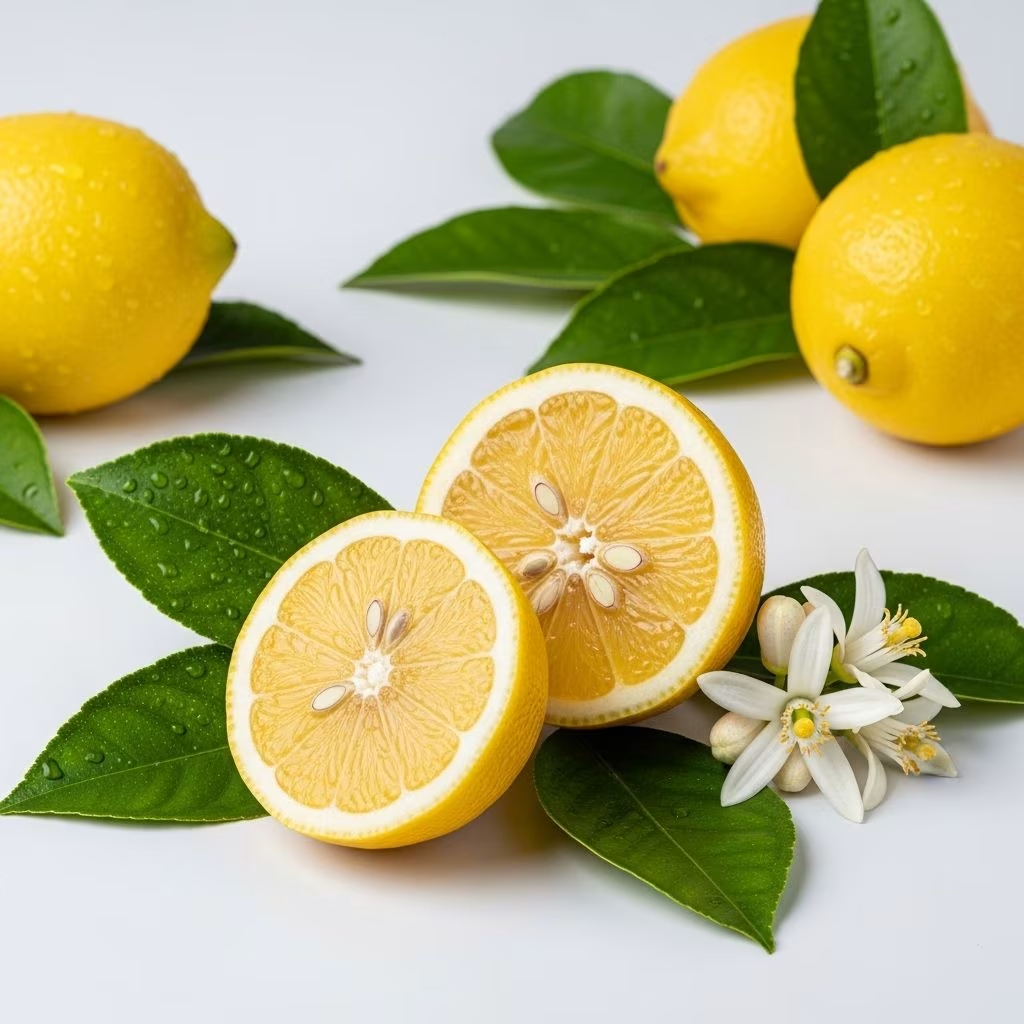
Lemon is one of the world’s most popular citrus fruits, valued for its vibrant flavor, nutritional richness, and remarkable versatility in culinary, medicinal, and household applications. This comprehensive guide will help you understand what lemons are, their origins, varieties, health benefits, practical uses, and what makes their taste so unique.
Introduction to Lemon
The lemon (Citrus limon) is a small evergreen tree native to Asia. Its vibrant yellow fruit is renowned for its sour juice and fresh aromatic zest, both of which are high in vitamin C, antioxidants, and essential oils. Over centuries, lemons have become integral to cuisines and cultures worldwide — from flavoring foods and drinks to supporting health remedies and cleaning routines.
History and Botany of Lemon
Lemons are believed to have originated in Northeast India, Northern Burma, or China. They have been cultivated for over two thousand years and spread westward via trade routes, eventually reaching the Mediterranean and the Americas. Historically, sailors carried lemons to prevent scurvy due to their high vitamin C content.
Botanically, the lemon is a hybrid between Citrus medica (citron) and Citrus aurantium (bitter orange). The trees reach 10 to 20 feet and bear fruit throughout the year, especially in warm, sunny climates such as California and Florida.
- Fruit shape: Typically oval, sometimes rounder in summer/autumn, pointy at one end.
- Size: 2.0–4.8 inches (5–12 cm) long.
- Peel: Yellow, smooth or lightly textured, with abundant oil glands producing aromatic essential oils.
- Pulp: Pale yellow, divided into 8–10 juicy segments.
- Seeds: Varies by variety; some are nearly seedless while others contain several small seeds.
Types and Varieties of Lemon
Lemon varieties offer diversity in flavor, yield, and use. They are broadly classified into two major categories:
- True Lemons: These include commercial varieties like Eureka, Lisbon, and classical types like Femminello and Verna. True lemons are the most common in stores and feature a bright, acidic flavor.
- Hybrid or Special Lemons: Examples include the Meyer lemon (a cross between lemon and mandarin orange), which is sweeter and less acidic, and the Ponderosa lemon (lemon x citron), known for its large fruit.
Comparative Table of Popular Lemon Varieties:
| Variety | Origin | Key Features | Main Uses |
|---|---|---|---|
| Eureka | USA, Australia | Thin-skinned, juicy, nearly seedless | Juice, zest, culinary |
| Lisbon | USA, South Africa | Thick-skinned, hardy, very juicy | Juice, zest, beverages |
| Meyer | China | Thinner skin, fragrant, sweeter, less acidic | Desserts, beverages, salads |
| Femminello | Italy | Richly aromatic, numerous subtypes | Traditional cuisine, liqueurs |
Nutritional Profile of Lemon
Lemons are exceptionally nutrient-dense for their low calorie content. Here is the nutritional breakdown per 100g of fresh raw lemon fruit (about one medium lemon):
| Nutrient | Amount per 100g |
|---|---|
| Water | 87% |
| Calories | 20 kcal |
| Protein | 1.2 g |
| Fat | 0.3 g |
| Carbohydrates | 10.7 g |
| Fiber | 4.7 g |
| Calcium | 61 mg |
| Phosphorus | 15 mg |
| Potassium | 145 mg |
| Sodium | 3 mg |
| Iron | 0.70 mg |
| Vitamin A | 30 IU |
| Vitamin C | 77 mg (about 85% RDI) |
Lemons are notably high in vitamin C, a powerful antioxidant essential for immune health, collagen formation, iron absorption, and combating oxidative stress.
Key Health Benefits of Lemon
Thanks to their nutrients and plant compounds, lemons deliver an array of health benefits:
- Boost Immunity: The high vitamin C content supports immune function and may reduce the duration and severity of some illnesses.
- Antioxidant Properties: Lemons are rich in flavonoids and vitamin C, which neutralize damaging free radicals in the body.
- Enhance Iron Absorption: Vitamin C increases non-heme iron uptake from plant foods, helping to prevent anemia.
- Aid Digestion: The acidity and soluble fiber in lemon juice can support healthy digestion and slow the absorption of sugars and starches.
- Promote Hydration: Adding lemon to water improves flavor, potentially encouraging better hydration.
- Support Heart Health: Lemons’ potassium content and antioxidant profile may help maintain healthy blood pressure and cholesterol.
- Weight Management: Low in calories but high in flavor, lemons can make healthy meals more appetizing with minimal extra energy.
- Oral and Skin Care: Lemon juice’s natural acidity can help reduce bacteria, though it should be used cautiously to avoid irritation.
While lemons offer health benefits, they should be consumed as part of a balanced diet, not as a cure for any medical condition.
Culinary Uses of Lemon
Lemons are regarded as a kitchen staple for their ability to brighten and transform flavors. They are not typically eaten as a whole fruit due to their acidity, but rather incorporated in the following ways:
- Lemon Juice: Adds acidity and brightness to drinks (lemonade, cocktails), dressings, sauces, marinades, and baked goods.
- Lemon Zest: The aromatic, flavorful outer peel is used to infuse flavor in desserts, pastas, salads, and seasonings.
- Garnish: Lemon wedges, slices, and twists frequently decorate seafood, beverages, and savory dishes.
- Baking: Key ingredient in cakes, pies (like lemon meringue), bars, cookies, and scones.
- Beverages: Lemon is central to drinks from classic lemonade to teas, cocktails, and detox waters.
- Cooking: Complements fish, poultry, vegetables, grains, beans, and Mediterranean dishes.
- Preserved Lemons: A staple in North African and Middle Eastern cuisines, made by fermenting lemons in salt and their juice.
Pro Tip: To maximize juice yield, use lemons that are at room temperature and gently roll them on the counter before cutting and juicing.
Non-Culinary Uses of Lemon
- Natural Cleaner: The acidity and essential oils in lemons make them effective for removing stains, cleaning surfaces, and neutralizing odors.
- Beauty and Skincare: Lemon juice is sometimes used in DIY facial masks, hair rinses, and for lightening dark spots (though caution is needed due to irritation risk).
- Aromatherapy: Lemon oil uplifts mood, reduces stress, and freshens indoor air.
- Traditional Medicine: Lemons have been used to support digestion, soothe sore throats, and act as a mild antiseptic.
- Food Preservation: Lemon juice prevents cut fruits (like apples, avocados) from browning due to oxidation.
Taste Profile of Lemon
The defining characteristic of lemon is its intensely tart, sour, and aromatic flavor. This results from its high citric acid content (5–8%), which stimulates the tongue’s sour taste receptors.
- Flavor Notes: Fresh, tangy, zesty, and crisp, often with floral and slightly sweet undertones in some varieties (particularly Meyer lemon).
- Impact on Food: Lemon can both brighten and balance rich, salty, sweet, and spicy dishes, making it one of the most versatile flavor enhancers.
Buying, Storing, and Preparing Lemons
Selecting Lemons:
- Choose lemons that are firm, heavy for their size, and have a bright yellow color and glossy, thin skin.
- Avoid lemons that are soft, spongy, shriveled, or have rough or bumpy skin.
Storing Lemons:
- At room temperature: Store for about 2 weeks.
- In the refrigerator: Keep in a plastic bag for up to 6 weeks.
- Preservation: Juice can be frozen in cubes; zest can be dried and kept airtight in a cool, dry spot.
Preparing Lemons:
- Wash thoroughly to remove surface dirt and wax.
- To extract maximum juice, bring lemons to room temperature and gently roll before cutting.
- Zest the colored outer skin (avoid the bitter white pith) using a fine grater or zester.
Potential Side Effects and Precautions
- Dental Health: Frequent exposure to lemon juice can erode tooth enamel due to its acidity; always rinse your mouth with water afterward if consumed regularly.
- Skin Sensitivity: Lemon oil and juice may cause photosensitivity or irritation on skin when exposed to sunlight—use caution in topical applications.
- Digestive Effects: Excessive consumption may lead to heartburn or worsen symptoms of gastroesophageal reflux (GERD).
Frequently Asked Questions (FAQs)
Q: Are lemons and limes the same fruit?
A: No. While both are citrus fruits and share high acidity and similar uses, lemons (Citrus limon) are generally larger, yellow, and slightly sweeter, whereas limes are green, smaller, and often have a more bitter profile.
Q: Can lemons help with weight loss?
A: Lemons are low in calories and rich in flavor, which can make healthy foods more appealing. There is no evidence that lemons alone directly cause weight loss, but incorporating them into a healthy diet may support hydration and appetite control.
Q: How much vitamin C is in one lemon?
A: A medium lemon provides about 30-40mg of vitamin C, which is roughly 35-45% of the recommended daily value for adults.
Q: What makes Meyer lemons different from regular lemons?
A: Meyer lemons are a hybrid citrus fruit, generally smaller, rounder, with a thinner, more orange-colored skin, and have a sweeter, less acidic taste compared to standard (Eureka or Lisbon) lemons.
Q: What are some ways to use leftover lemon peels?
A: Lemon peels can be dried for zest, candied, infused in oils or alcohol, or used as a natural cleaner and freshener.
Conclusion
Lemons are more than just a simple citrus—they are a nutritional powerhouse, a universal kitchen staple, an ally in natural health, and a multi-purpose household tool. Their bright, tangy flavor continues to enhance recipes and support wellness across cultures and generations. Whether used for cooking, health, or cleaning, incorporating lemons into your everyday life can offer taste, versatility, and a zesty touch of natural goodness.
References
- https://edis.ifas.ufl.edu/publication/HS402
- https://extension.usu.edu/nutrition/research/lemons
- https://www.youtube.com/watch?v=XrcvMkPR4_M
- https://www.seedsoflife.com/articles/when-life-gives-you-lemons-what-do-you-do
- https://morningchores.com/growing-lemons/
- https://growingfruit.org/t/choosing-a-lemon/60453


