


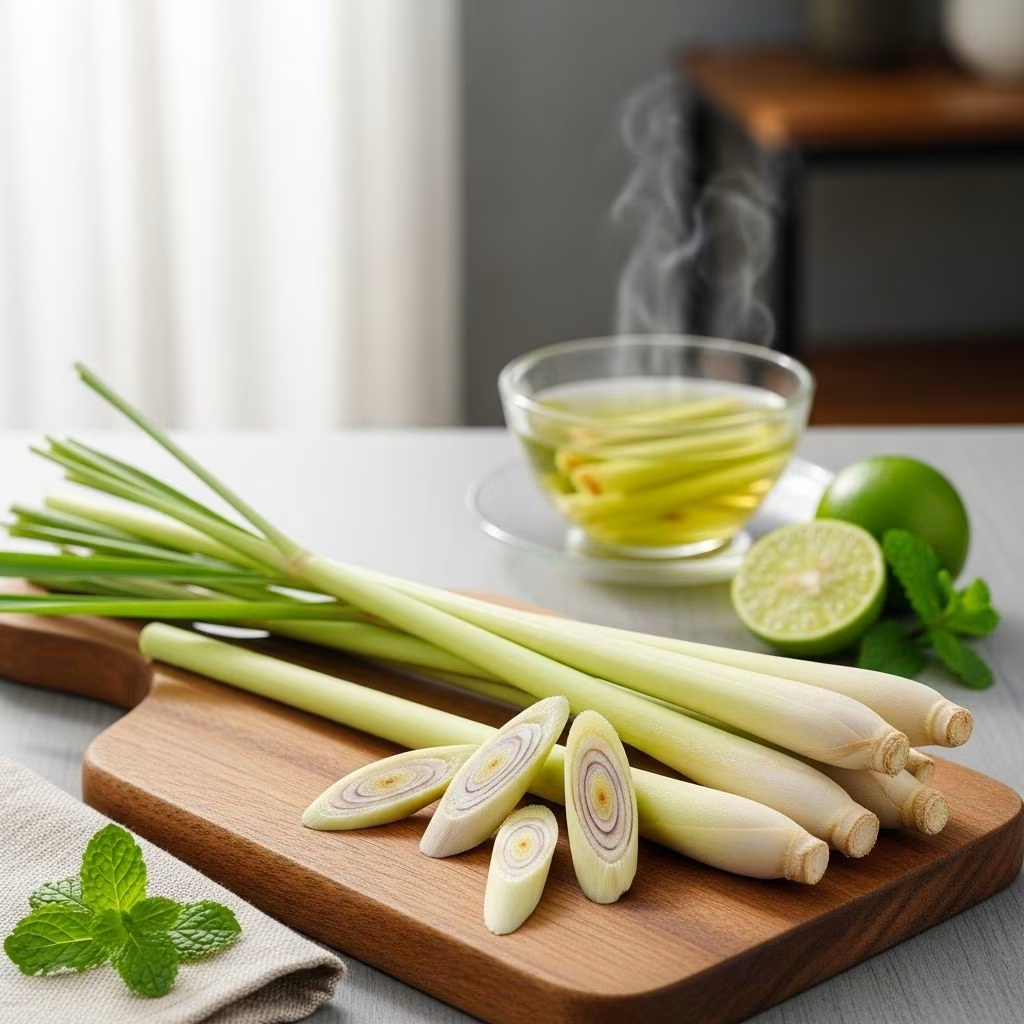
Lemongrass, a tropical plant celebrated for its invigorating citrus fragrance and myriad uses, has captured the attention of cooks, herbalists, and health enthusiasts around the globe. This in-depth guide unpacks what lemongrass is, explores its diverse benefits, delves into its unique uses across cultures, and explains the essence of its remarkable taste. Whether you’re interested in its role in cuisine, its traditional healing powers, or its modern scientific backing, this article presents a holistic view of this versatile herb.
Introduction to Lemongrass
Lemongrass (Cymbopogon citratus and related species) is a tall, perennial grass native to Southeast Asia and tropical regions worldwide. Recognized by its bright green stalks and characteristic lemony aroma, lemongrass plays an essential role in cooking, traditional medicine, and natural remedies. Also known as citronella, it is frequently cultivated for its essential oils, culinary value, and use as an ornamental plant.
Botanical Profile and Varieties
Lemongrass belongs to the Poaceae (grass) family and encompasses several species, the most commonly used being:
- Cymbopogon citratus: Known as West Indian lemongrass, widely used in culinary applications.
- Cymbopogon flexuosus: East Indian lemongrass, primarily grown for its essential oil.
- Cymbopogon nardus: Often referred to as citronella grass, typically used for making natural insect repellents.
Lemongrass grows in dense clumps up to 1-2 meters in height. It features long, slender, blade-like leaves and stalks that are fibrous and can be pale yellow-white at their base.
Nutritional and Chemical Composition
Lemongrass is a low-calorie herb containing essential nutrients, trace minerals, and powerful bioactive compounds:
- Citral: The principal component responsible for its citrus aroma; possesses antioxidant, anti-inflammatory, and antimicrobial properties.
- Limonene: A terpene with antioxidant qualities and aromatic citrus notes.
- Geraniol: Known for its antibacterial and antifungal effects.
- Myrcene: Exhibits sedative and analgesic effects.
- Linalool: Offers anti-inflammatory and calming characteristics.
- Eugenol: Provides further antimicrobial and analgesic benefits.
- Flavonoids and phenolic compounds (e.g., quercetin) for additional antioxidant and anti-inflammatory protection.
Lemongrass contains small amounts of vitamin A, vitamin C, folate, magnesium, potassium, calcium, and manganese, making it a healthful addition to various diets.
Health Benefits of Lemongrass
For centuries, lemongrass has been employed in folk remedies and traditional medicine. Today, emerging research supports many of its purported benefits:
1. Rich in Antioxidants
- Lemongrass contains antioxidants such as chlorogenic acid, isoorientin, and swertiajaponin, which help neutralize free radicals and protect cells from damage.
2. Antimicrobial and Antifungal Properties
- Citral and other essential oils in lemongrass fight bacteria and fungi, helping to prevent infections and tooth decay.
- Topical lemongrass oil may be useful for treating skin fungal infections.
3. Potent Anti-Inflammatory Effects
- Quercetin and other phytochemicals in lemongrass reduce inflammation, which is linked to many chronic conditions, including arthritis, cardiovascular disease, and cancer.
- Lemongrass can be used orally or topically to soothe pain and swelling.
4. Potential Cancer-Fighting Properties
- Laboratory studies suggest lemongrass compounds can help inhibit cancer cell growth and promote programmed cell death (apoptosis).
- Some use lemongrass tea as a complementary therapy during cancer treatment, but always under medical supervision.
5. Promotes Digestive Health
- Lemongrass tea is a traditional remedy for bloating, stomach cramps, indigestion, and gastric ulcers.
- Research in rodents has shown it may protect the stomach lining from ulceration caused by aspirin or alcohol.
6. Diuretic Effects
- Lemongrass may increase urine output, helping to remove excess fluid and sodium from the body.
- This can be beneficial for individuals with edema, hypertension, or certain kidney/liver conditions, but medical guidance is advised for high-risk groups.
7. Supports Heart Health
- Lemongrass has demonstrated cholesterol-lowering effects in animal studies and traditional applications for heart health.
- Can help reduce blood pressure moderately, though excessive use may lower heart rate excessively in some individuals.
8. Weight Management and PMS Relief
- Lemongrass tea is used as a natural remedy for weight control by promoting detoxification and aiding digestion.
- Its anti-inflammatory effects may help relieve premenstrual syndrome (PMS) symptoms such as cramps and bloating.
Culinary Uses
Lemongrass is an essential culinary herb in Asian cuisines, prized as much for its aroma as its flavor. Here’s how it’s used in the kitchen:
- Soups and curries: Lemongrass is a foundational ingredient in Thai soups (Tom Yum), curries, and Malaysian/Indonesian dishes.
- Infusions and teas: The stalks are crushed or sliced to brew herbal teas and infuse beverages with citrus notes.
- Marinades and sauces: Fresh lemongrass is blended into pastes for marinades (e.g., for beef satay) or sauces, providing depth and zing.
- Stir-fries and rice dishes: Sliced or pounded lemongrass enhances stir-fried vegetables, seafood, and rice.
- Desserts and cocktails: Lemongrass syrup, infusions, or freshly grated stalk are used in desserts and craft cocktails for a unique, fragrant lift.
Medicinal and Traditional Uses
- Pain Relief: Used in tinctures, poultices, or teas to assist with headaches, muscle aches, arthritis, and general inflammation.
- Digestive disorders: Relieves bloating, colic, constipation, and indigestion in folk medicine.
- Anxiety and sleep: Lemongrass’s sedative properties help ease anxiety, stress, and promote restful sleep.
- Respiratory support: Traditionally used for coughs, colds, and nasal congestion.
- Topical applications: Lemongrass essential oil is used in massage, skin care, and to manage fungal/skin infections.
Aromatherapy and Other Applications
- Essential Oils: Extracted oils are popular in aromatherapy for uplifting mood, relieving headaches, and relaxing muscles.
- Insect Repellent: Citronella-based products containing lemongrass naturally repel mosquitoes, flies, and other pests.
- Air Fresheners: Lemongrass’s clean scent is harnessed in candles, sprays, and cleaning products.
- Cosmetics: Used in hair care and skin care products for its antimicrobial and fragrant properties.
How to Grow and Harvest Lemongrass
Lemongrass is a hardy, fast-growing plant that thrives in warm, humid climates. To cultivate at home, consider the following tips:
- Choose a sunny location with well-draining soil.
- Plant stalks or rooted cuttings 2-3 feet apart to allow for growth.
- Water regularly but avoid waterlogging.
- Harvest stalks by cutting close to the ground—older, thicker stalks contain the most flavor.
- Lemongrass can also be grown in large pots for patios or balconies.
Lemongrass Taste and Cooking Tips
Lemongrass is renowned for its vibrant, clean, and subtly sweet citrus flavor—a cross between fresh lemon zest, mint, and ginger. Its flavor profile features:
- Bright, lemony aroma
- Mildly sweet and slightly tart taste
- Earthy, herbal undertones
- No acidity or bitterness, unlike actual lemon
The lower white stalk is the most flavor-concentrated. Leaves can be used for teas, but are typically too tough for eating directly. For best results:
- Bruise or crush stalks with the flat side of a knife to release oils before adding to dishes.
- Remove whole pieces before serving if texture is undesirable.
- Store fresh stalks in the refrigerator, wrapped, for up to two weeks, or freeze for several months.
Side Effects and Precautions
Lemongrass is considered safe for most people when consumed in moderate amounts or used externally. However, some considerations include:
- Allergy and skin sensitivity: Essential oil may cause skin irritation in some individuals; always dilute before topical use.
- Pregnancy and lactation: Large medicinal doses are not recommended during pregnancy due to potential effects of certain compounds.
- Diuretic effect: May increase urination; people with kidney or heart issues should consult a healthcare provider before regular use.
- Medication interactions: May interact with medicines for blood pressure or diabetes—verify with your healthcare provider if you have underlying conditions.
Always source lemongrass from reputable providers and avoid consuming large medicinal doses without professional guidance.
Frequently Asked Questions (FAQs)
Q: Is lemongrass the same as citronella grass?
A: They are related species in the Cymbopogon genus, but citronella grass (Cymbopogon nardus) is primarily used for insect repellents, while lemongrass (Cymbopogon citratus/flexuosus) is used for culinary and medicinal purposes.
Q: Can I eat raw lemongrass?
A: The fibrous stalk is extremely tough raw and not usually eaten directly; however, it can be minced and added to salads or salsas in very fine pieces, or used to infuse flavor in dishes and then removed before eating.
Q: What are the side effects of drinking lemongrass tea?
A: For most people, lemongrass tea is safe in moderate amounts. Excessive intake may cause increased urination, dry mouth, or mild stomach upset. Allergies or medication interactions are possible—consult your doctor if concerned.
Q: How can I use lemongrass in skincare?
A: Diluted lemongrass essential oil is used in creams or massage oils for its antimicrobial, antifungal, and refreshing properties. Never apply undiluted essential oil directly to the skin, as it can cause irritation.
Q: What are the main health-promoting compounds in lemongrass?
A: The primary compounds are citral, limonene, geraniol, myrcene, linalool, eugenol, and various flavonoids. These collectively confer antioxidant, anti-inflammatory, antimicrobial, and analgesic effects.
Q: Can lemongrass help with insomnia?
A: Traditional use and some scientific evidence suggest that lemongrass has sedative properties and may help promote restful sleep and relaxation. However, individual responses may vary.
References
- https://www.webmd.com/diet/lemongrass-health-benefits
- https://www.healthline.com/health/food-nutrition/lemongrass-tea
- https://www.herbcottage.com.au/blogs/grow-your-health/lemongrass
- https://www.easytogrowbulbs.com/blogs/plant-care/why-your-garden-needs-lemongrass
- https://www.medicalnewstoday.com/articles/321969
- https://pharmeasy.in/blog/ayurveda-uses-benefits-side-effects-of-lemongrass/


