


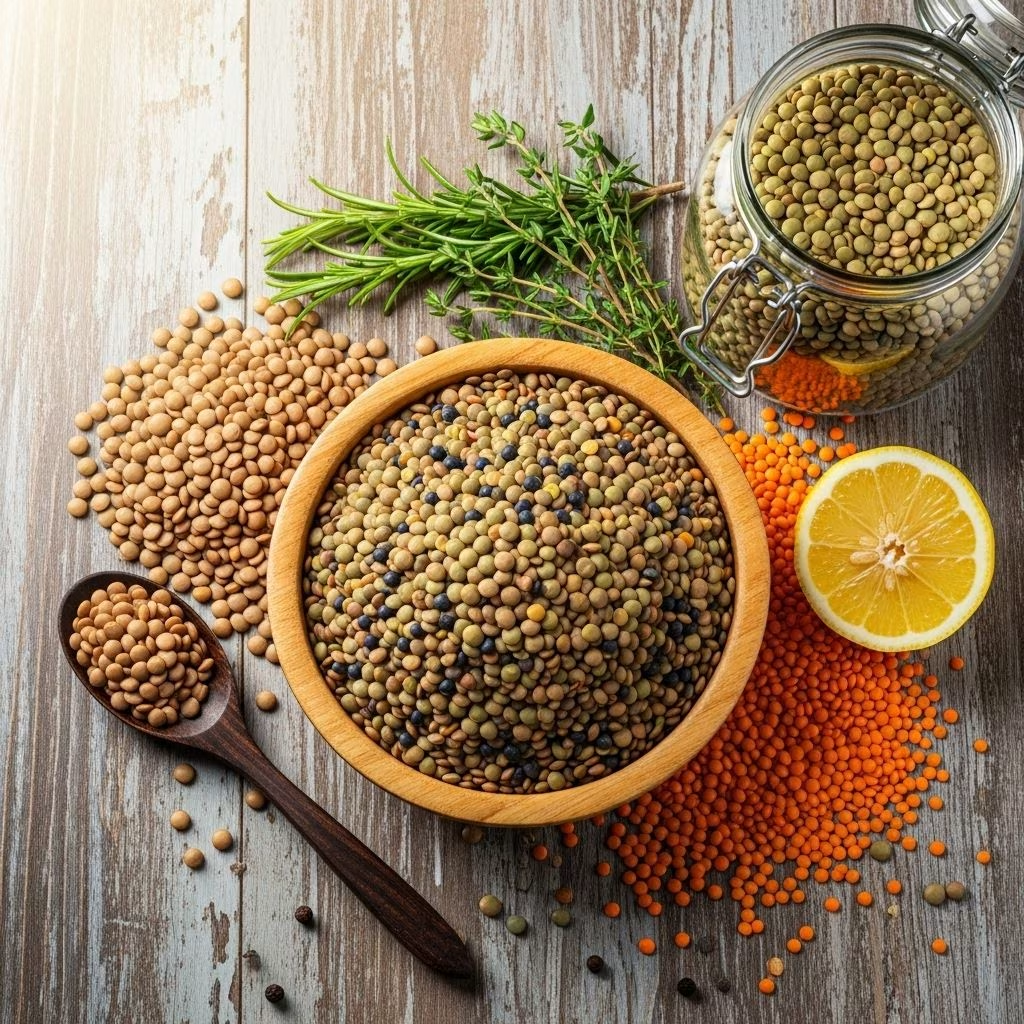
Lentils have long been celebrated as a staple food worldwide, favored for their versatility, affordability, and exceptional nutritional content. As the edible seeds of the legume family, lentils come in a vibrant array of colors and varieties, each with unique properties, flavors, and culinary uses. In this comprehensive guide, you will explore what lentils are, uncover their key health benefits, examine their most popular uses in kitchens globally, and learn about their distinct taste profiles.
What Are Lentils?
Lentils (Lens culinaris) are small, lens-shaped edible seeds belonging to the legume family. They are one of the world’s oldest cultivated crops, with evidence of their use dating back more than 9,000 years. Lentils are valued for their quick cooking time, relatively low cost, and the rich nutrition they provide to diverse diets globally.
Lentils grow in pods, typically containing one or two seeds, and are harvested in multiple colors and types—each lending unique flavors, textures, and cooking properties.
Varieties of Lentils
There are several main categories of lentils, each with distinct characteristics suitable for different culinary uses:
- Brown Lentils: The most common variety, these are mild in flavor and hold their shape well, making them ideal for soups and stews.
- Green Lentils: Slightly peppery, green lentils remain firm after cooking and are popular in salads and side dishes.
- Red and Yellow Lentils: With a sweeter flavor and softer texture, these lentils cook quickly and are often used in purees, dals, and Indian cuisine.
- Black Lentils (Beluga): Named for their resemblance to caviar, black lentils are small, glossy, and retain their shape, making them perfect for elegant dishes or salads.
- Puy Lentils (French Green Lentils): Originating in Le Puy, France, these have a robust flavor and hold up well in cooking—commonly featured in French cuisine.
| Type | Color | Texture When Cooked | Popular Uses |
|---|---|---|---|
| Brown | Brown/Tan | Soft but holds shape | Soups, stews, casseroles |
| Green | Green/Olive | Firm, slightly skinned | Salads, side dishes |
| Red/Yellow | Red, orange, yellow | Very soft, mushy | Purees, dals, curries |
| Black (Beluga) | Shiny black | Firm, tiny | Salads, elegant dishes |
| Puy (French) | Speckled green/blue | Very firm | Salads, French cuisine |
Nutritional Profile
Lentils are among the most nutritious plant foods, delivering a potent combination of macronutrients and micronutrients:
- High Protein Content: Lentils are over 25% protein, making them an outstanding meat alternative, especially for vegetarians and vegans.
- Rich in Fiber: Both soluble and insoluble fibers are abundant, supporting digestive health and contributing to satiety.
- Packed with Vitamins: Lentils are excellent sources of B vitamins, especially folate, as well as vitamins B1 (thiamine), B6, and niacin.
- Loaded with Minerals: Significant amounts of iron, magnesium, potassium, zinc, selenium, phosphorus, copper, and manganese.
- Low in Fat: Almost negligible fat content, with virtually no saturated fat.
- Complex Carbohydrates: Lentils provide a steady source of energy, thanks to complex carbs and a low glycemic index (GI).
- Antioxidant Phytochemicals: Contain phenols and polyphenols that offer protective, anti-inflammatory, and anti-cancer properties.
Sample Nutritional Values (Cooked Lentils, per 100g):
- Calories: 105 kcal
- Protein: 8.8g
- Carbohydrates: 16.9g
- Fiber: 5.1g
- Fat: 0.7g
- Iron: 3.5mg
- Folate: 30mcg
- Selenium: 40mcg
These figures may vary slightly by type and preparation method.
Top Health Benefits of Lentils
- Supports Heart Health: Lentils’ combination of fiber, folate, potassium, and polyphenols helps maintain healthy blood pressure, lowers cholesterol, and reduces the risk of cardiovascular disease.
- Reduces Risk of Chronic Diseases: Regular consumption is associated with lower rates of diabetes, obesity, certain cancers, and heart disease due to their antioxidant and anti-inflammatory properties.
- Digestive System Support: The high fiber acts as a prebiotic, nourishing gut bacteria, improving digestion, and helping prevent constipation and colorectal cancer.
- Stabilizes Blood Sugar: The low glycemic index and high fiber content slow glucose absorption, aiding in better blood sugar management and reduced risk of type 2 diabetes.
- Promotes Satiety and Healthy Weight: High-protein and fiber-rich lentils are filling, which can help with appetite control and weight management.
- Supports Pregnancy and Anemia Prevention: Exceptional levels of folate and plant-based iron are crucial for healthy pregnancies, prevention of neural tube defects, and managing anemia.
- Boosts Immunity: Rich in zinc, selenium, and antioxidants, lentils may strengthen the immune response and reduce oxidative stress.
- Allergy and Gluten-Free: Naturally gluten-free, lentils serve as a safe protein and carbohydrate source for those with celiac disease or gluten intolerance.
Culinary Uses of Lentils
Across the globe, lentils are prized in countless recipes for their earthy flavor, hearty texture, and ability to pair well with a myriad of ingredients. Their versatility allows them to act as a main dish, side, thickener, or even as part of salads and snacks.
- Soups and Stews: Brown and green lentils are most often used in comforting lentil soups and stews, absorbing flavors from herbs, spices, and vegetables.
- Dals and Curries: In Indian cuisine, red or yellow lentils (masoor or moong dal) are the base for creamy dals and richly-spiced curries.
- Salads: Firm varieties like Puy or green lentils can anchor vibrant, protein-rich salads with vegetables, herbs, and vinaigrette.
- Burgers and Patties: Cooked and mashed lentils form the base for delicious vegetarian burger patties or meatloaf alternatives.
- Stuffings: Lentils mixed with grains, nuts, and aromatic seasonings make nutritious stuffings for vegetables like bell peppers, squash, or mushrooms.
- Pastes and Dips: Pureed cooked lentils can make creamy dips similar to hummus or a base for spreads and canapés.
- Baking: Lentil flour is increasingly used in gluten-free baking and even pasta-making.
Popular Lentil Dishes by Region:
- India: Dal (lentil curry), Sambar, Khichdi
- Mediterranean: Lentil soup, Mujadara (lentils and rice)
- France: Salad de lentilles du Puy
- Middle East: Harira (Moroccan soup), Koshari (Egyptian street food)
- Latin America: Lentejas guisadas (stewed lentils)
How Do Lentils Taste?
Lentils have a distinctive yet mild earthiness, complemented by subtle nutty or peppery notes depending on the variety. While their taste is understated, lentils readily absorb surrounding flavors, making them an excellent base for flavorful broths, sauces, and spice blends.
- Red and Yellow Lentils: Mild, slightly sweet, and earthy—break down easily for creamy textures.
- Green and Puy Lentils: Pronounced, peppery flavor with firmer texture and a subtle mineral tang.
- Brown Lentils: Deep earthy flavor, almost nutty, suitable for robust savory dishes.
- Black (Beluga) Lentils: Earthy, slightly richer, and visually striking.
Many people compare cooked lentils to beans but describe them as lighter and less starchy. When paired with acids (like lemon or vinegar) and fresh herbs, their flavor brightens considerably.
Tips for Cooking Lentils
- Unlike many beans, lentils generally do not require soaking—they cook relatively quickly (15-30 minutes) depending on type and recipe.
- Rinse lentils thoroughly to remove dust or debris before cooking.
- Bring lentils to a boil, then simmer gently. Avoid hard boiling, which can cause splitting.
- Add salt towards the end of the cooking process for best texture.
- For firmer lentils (salads), undercook slightly; for soups or curries, cook until soft.
- Combine lentils with grains (rice, wheat, or quinoa) to make a complete protein.
Potential Concerns, Allergies, and Considerations
- Digestive Effects: Lentils are very high in fiber, so introduce them gradually into your diet to avoid initial digestive discomfort such as gas or bloating.
- Anti-nutrients: Lentils do contain some natural compounds (like lectins and phytates) that can interfere with mineral absorption, but cooking and soaking significantly reduce these levels.
- Allergies: True lentil allergies are rare but possible, especially among individuals also allergic to other legumes (like peanuts).
- Mineral Absorption: Plant-based iron in lentils (non-heme iron) is less readily absorbed by the body than animal-sourced (heme) iron. Eating lentils with vitamin C-rich foods (like citrus, tomatoes, or peppers) enhances absorption.
Frequently Asked Questions (FAQs)
Q: Are lentils good for people with diabetes?
A: Yes, lentils have a low glycemic index and high fiber content, making them an excellent food to help manage blood sugar levels for people with diabetes or at risk of diabetes.
Q: Can I eat lentils every day?
A: Lentils can safely be eaten daily as part of a balanced diet, contributing vital protein, fiber, and micronutrients. However, variety is important, so it’s beneficial to include a range of legumes and other plant foods.
Q: Are lentils gluten-free?
A: Yes, lentils are naturally gluten-free and suitable for those with celiac disease or gluten sensitivities.
Q: Which lentil type is most nutritious?
A: All lentils are highly nutritious, but Puy and black lentils generally have slightly higher mineral and polyphenol content. Red lentils offer the most folate per serving.
Q: What’s the best way to store lentils?
A: Keep dried lentils in an airtight container in a cool, dark place. Cooked lentils keep well covered in the refrigerator for up to five days or can be frozen for longer storage.
Conclusion
Lentils exemplify a nutritional powerhouse: budget-friendly, sustainable, and versatile in kitchens around the world. Their benefits span from robust heart health and blood sugar management to digestive well-being and protein enrichment, making them an essential addition to nearly any diet. Whether you prefer them in hearty stews, spicy dals, bright salads, or innovative baked goods, lentils offer flavor, nourishment, and endless culinary possibilities.
References
- https://www.bbcgoodfood.com/health/nutrition/top-health-benefits-of-lentils
- https://pmc.ncbi.nlm.nih.gov/articles/PMC10945126/
- https://www.healthline.com/nutrition/lentils
- https://www.medicalnewstoday.com/articles/297638
- https://health.clevelandclinic.org/health-benefits-of-lentils
- https://www.webmd.com/diet/health-benefits-lentils
- https://www.canr.msu.edu/news/lentils_a_versatile_and_nutrient_packed_whole_grain
- https://www.myplate.gov/eat-healthy/protein-foods/beans-peas-lentils
- https://www.lentils.org/health-nutrition/nutritional-information/


