


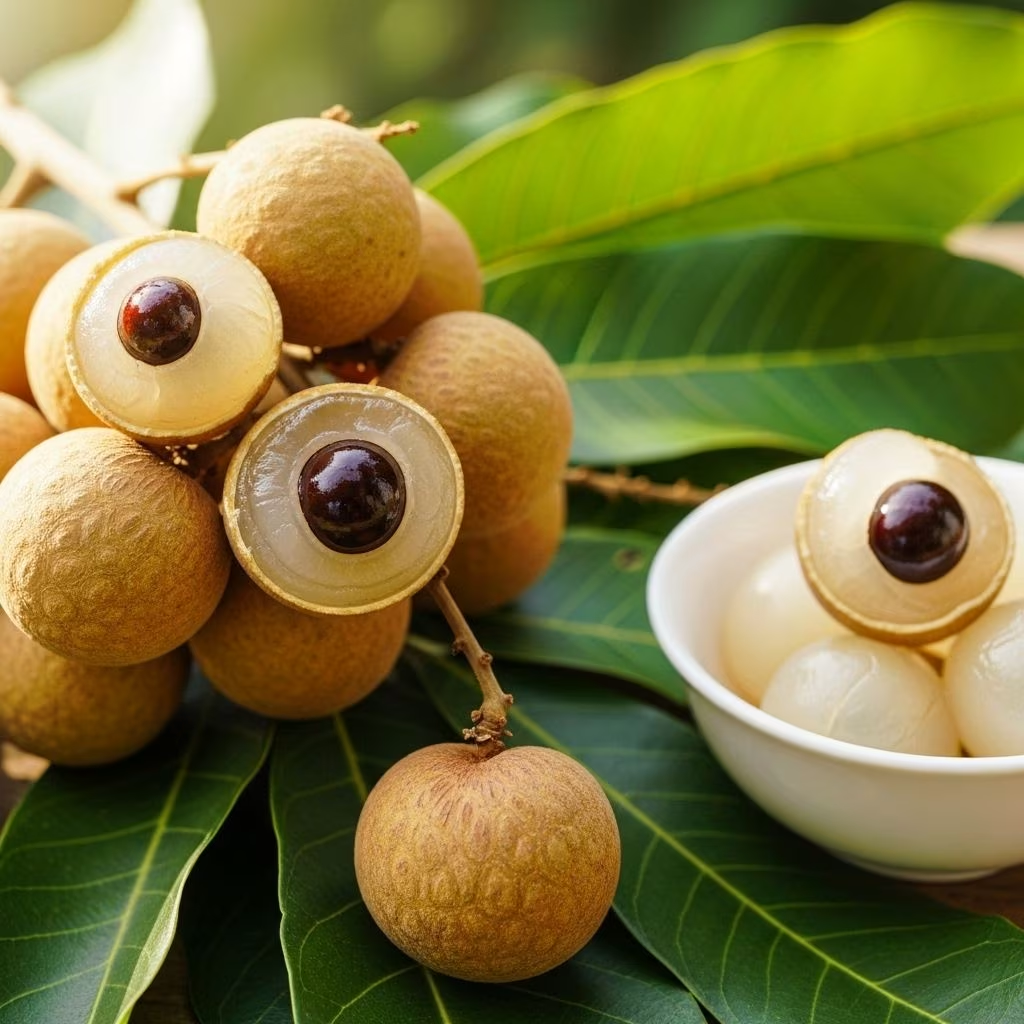
Longan is a tropical Asian fruit celebrated for its unique appearance, sweet musky flavor, and extensive history both as a nutritious food and a medicinal ingredient. Often called the “dragon’s eye” for its translucent flesh and dark central seed, longan is closely related to lychee and rambutan, offering a distinct taste and numerous health advantages. This article provides a comprehensive guide to longan’s botanical features, nutritional profile, health benefits, culinary applications, taste, and answers to frequently asked questions.
Origin and Botanical Description
Longan (Dimocarpus longan) is native to southern Asia, particularly China and surrounding Southeast Asian countries. It belongs to the Sapindaceae (soapberry) family, which also includes lychee, rambutan, ackee, and maple trees.
- Appearance: Longan fruit is round or ovoid, measuring about 1–3 centimeters in diameter. It has a thin, tan, leathery shell with a pebbled texture. Peeling reveals translucent, juicy flesh enveloping a large, shiny black seed.
- Tree Description: The longan tree is an evergreen that typically grows 30–40 feet (9–12 meters) tall but can reach greater heights in ideal conditions. Its branches are thick and droop, forming a rounded crown. Leaves are compound, dark green and glossy, while panicles of small yellowish flowers sprout from branch ends.
- Fruit Clusters: Fruits grow in drooping clusters, resembling grapes.
- Seed: The seed is inedible and surrounded by the sweet, semi-translucent pulp.
Historical and Cultural Significance
Longan has been cultivated for centuries, valued in Chinese culture not only as food but also for its medicinal and symbolic meaning. It is often featured in festivals and celebrations and considered a symbol of good luck and prosperity.
Varieties and Names
- Scientific name: Dimocarpus longan
- Common names: Dragon’s Eye, Longyan, Lungan, Lam Yai, Mata Kucing, Leng Keng, and more depending on the region.
- Cultivar names: Commercial varieties include Fukien, Wu Yuan, Tsao Ho, Diamond River, Kohala, etc.
Nutritional Profile of Longan
Longan is prized for being low in calories and rich in vitamin C. A 100-gram serving provides up to 93% of the daily value for vitamin C. It also contains significant amounts of water, B vitamins, potassium, magnesium, copper, iron, manganese, zinc, and antioxidants—including polyphenols such as gallic acid, corilagin, and ellagic acid.
| Nutrient | Amount per 100g | % Daily Value |
|---|---|---|
| Calories | ~60 | 3% |
| Water | >80g | – |
| Vitamin C | ~84mg | 93% |
| Carbohydrates | ~15g | 5% |
| Protein | ~1g | – |
| Fat | Negligible | – |
| Potassium | ~266mg | 8% |
| Magnesium | ~10mg | 2.5% |
| Copper | ~0.1mg | 11% |
| Antioxidants | polyphenols, gallic acid, ellagic acid | – |
These values can vary between fresh, dried, or canned longan.
Health Benefits of Longan
- Boosts Immunity: High vitamin C content strengthens immune system function and helps fight infections.
- Antioxidant Protection: Polyphenols and other antioxidants neutralize free radicals, reducing oxidative stress and supporting cellular health.
- Supports Skin Health: Vitamin C is essential for collagen synthesis, promoting firm and healthy skin.
- Improves Digestion: Contains water, dietary fiber, and certain compounds believed to aid digestion and soothe gastrointestinal discomfort.
- Anti-inflammatory Effects: Traditionally used to calm inflammation, reduce swelling, and combat fatigue.
- Heart and Blood Tonic: In Traditional Chinese Medicine (TCM), longan is prescribed to nourish the heart, replenish blood, and calm the mind.
- Cognitive Support: Some herbal texts suggest longan can support memory and relieve symptoms of anxiety and insomnia.
- Hydration: The fruit’s high water content makes it beneficial for rehydration, especially in hot climates.
Note: Longan is not a substitute for medical treatment. While its bioactive compounds are promising, clinical evidence for some benefits remains preliminary.
Uses of Longan
Longan is consumed in various ways across Asia and in international markets. Major uses include:
- Fresh Consumption: Peeled and eaten raw as a sweet snack.
- Dried Longan: Popular in Chinese cuisine, especially for brewing teas, herbal tonics, and soups. Dried longan has a deeper, honey-like taste.
- Canned Longan: Packed in syrup or water and used in desserts and beverages.
- Baked Goods and Sweets: Incorporated into pastries, jellies, jams, puddings, and ice creams.
- Culinary Pairing: Added to fruit salads, savory stir-fries, rice dishes, or paired with chicken and seafood.
- Medicinal Preparations: Used in traditional decoctions and herbal remedies, often blended with other fruits and botanicals for calming effects.
- Topical Uses: Seed and peel extracts can be applied to wounds and burns in folk medicine.
Taste and Flavor Profile
Longan’s flavor is prized for its mild, musky sweetness and subtle floral notes. Its taste is often described as a cross between lychee and melon—less tart than lychee, with a mellow, honey-like undertone and faint flowery aroma.
- The flesh is semi-firm, succulent, and aqueous.
- Longan may carry hints of gardenia, spruce, or other aromatic undertones, depending on the variety.
- When dried, the sweetness intensifies, and longan develops caramelized and earthy notes.
Comparison: Longan vs Lychee
| Aspect | Longan | Lychee |
|---|---|---|
| Shell Color/Texture | Tan, thin, smooth or lightly pebbled | Pink-red, rough, bumpy |
| Flesh | Translucent, juicy, firm | White, juicy, soft |
| Taste | Musky, mellow, honey-sweet | Bolder, tart, floral-sweet |
| Seed | Large, round, black | Smaller, elongated, brown |
How to Eat and Store Longan
- Peeled by hand: Crack open the thin shell and remove the black seed from the flesh before eating.
- Serving tips: Enjoy longan fresh, mixed into fruit salads, desserts, or paired with meats in savory dishes.
- Drying: To make dried longan, peel and remove the seed, then sun-dry or use dehydrators for a concentrated taste.
- Storage: Fresh longan should be refrigerated and consumed within days; dried longan stores well for months in airtight containers.
- Canned longan: Store unopened cans in a cool place; refrigerate leftovers once opened.
Cultivation and Growing Conditions
- Longan trees thrive in tropical and subtropical climates and prefer sandy, well-drained soils.
- The species is somewhat frost-sensitive; while brief drops to -2°C are tolerated, long-term cold will damage trees.
- Longan trees can live over 400 years, making them a valuable orchard crop.
- Flowering and fruiting occur a bit later than with lychee, with fruits available late summer through winter.
- Propagation is commonly by seed or air-layering.
Potential Side Effects and Considerations
- Allergy: Rarely, some people may experience allergic reactions.
- Sugar Content: Individuals with diabetes or those monitoring sugar intake should consume longan in moderation.
- Digestive Issues: Overconsumption may cause mild stomach discomfort due to its fiber and sugar levels.
Frequently Asked Questions (FAQs)
Q: Is longan more nutritious than lychee?
Both fruits are rich in vitamin C and antioxidants, but longan is particularly noted for its higher honey-like sweetness, lower tartness, and potential medicinal uses.
Q: Can you eat longan seeds?
No, the seeds are not edible and should be discarded. Some topical uses of seeds exist in folk medicine.
Q: Can longan help with sleep?
In Traditional Chinese Medicine, longan is believed to aid sleep and soothe anxiety; however, scientific evidence remains limited.
Q: How do you tell if longan is ripe?
Ripe longan fruit is plump, slightly soft, and fragrant, with an easily removable shell.
Q: What are the best ways to enjoy longan?
- Eat fresh, alone or in salads
- Brew dried longan in tea or soups
- Use in Asian desserts or jams
- Canned longan for drinks and baked goods
Q: How long does longan keep?
Fresh longan lasts up to a week refrigerated. Dried or canned can keep for months.
Q: Where is longan grown outside Asia?
Longan is cultivated in tropical regions worldwide, including Florida (USA), Australia, and parts of South America.
Q: Is longan safe for daily consumption?
Yes, longan can be safely eaten every day as part of a healthy diet, in moderation.
Conclusion
Longan is an adaptable and delicious fruit, renowned for its musky-sweet flavor, vitamin C content, and versatile applications in both cuisine and traditional medicine. Whether enjoyed fresh, dried, or canned, longan offers a tropical nutritional boost and a soothing, unique taste experience. Its symbolism and centuries-old history make it highly prized throughout Asia and a valuable addition to global diets.
References
- https://www.gbif.org/species/113655656
- https://specialtyproduce.com/produce/Longan_674.php
- https://www.gardenia.net/plant/dimocarpus-longan-benefits-uses-growing-tips
- https://www.britannica.com/plant/longan
- https://www.webmd.com/diet/health-benefits-longan
- https://www.fao.org/4/ad523e/ad523e03.htm
- https://www.nparks.gov.sg/florafaunaweb/flora/2/8/2848
- https://www.inthekitchenwithmatt.com/longan-fruit-how-to-eat-it-and-what-does-it-taste-like


