


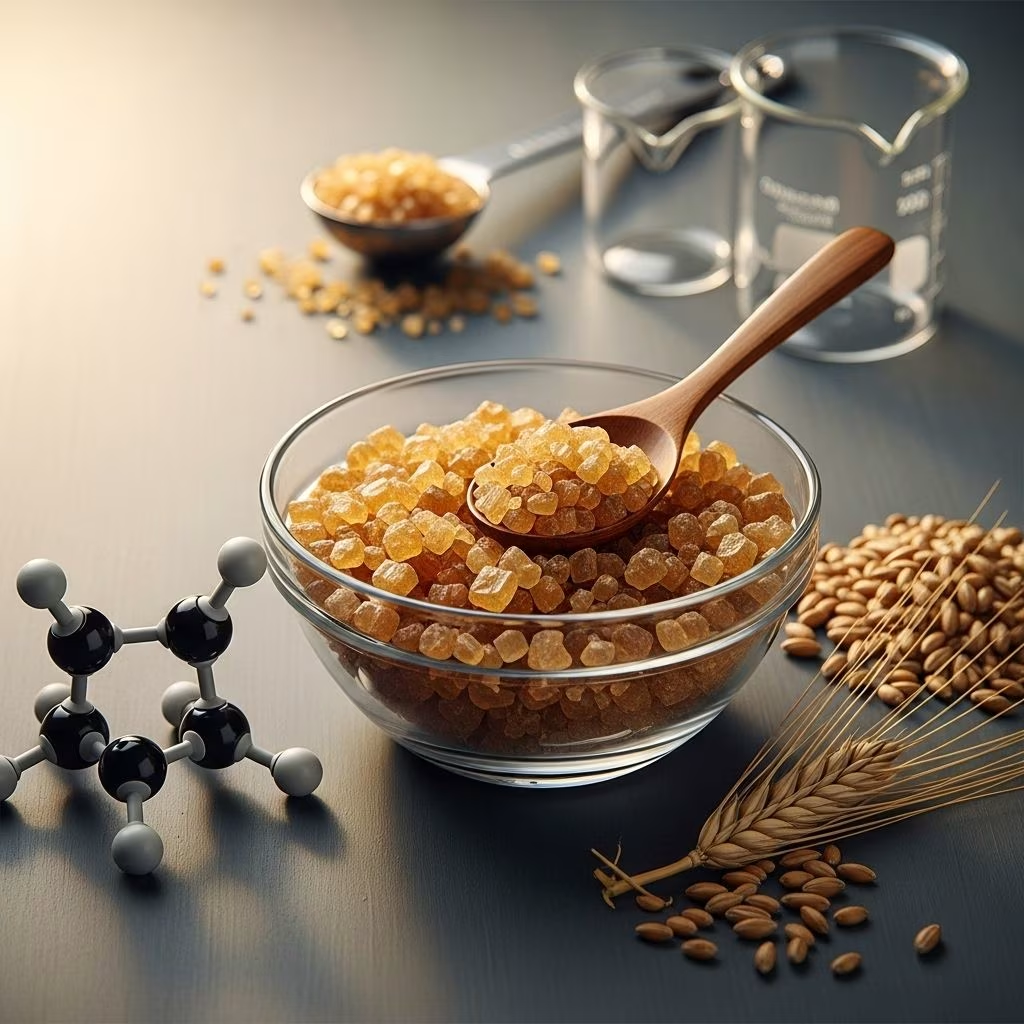
Maltose, also known as malt sugar, is a naturally occurring disaccharide comprised of two glucose molecules linked by an alpha-1,4 glycosidic bond. It is less famous than sucrose but plays an integral role in food science, human nutrition, and the brewing industry. This comprehensive article delves into the chemistry of maltose, its nutritional aspects, practical applications, and explores why it tastes different from other sugars.
What Is Maltose?
Maltose is a disaccharide sugar formed by the condensation of two glucose molecules. The name originates from “malt” and the chemical suffix “-ose” for sugars. Maltose is found naturally in sprouting grains, especially barley, and emerges when starch is broken down, both during digestion in the human body and in food processing.
It is less sweet than table sugar and acts as both an energy source and a flavor enhancer.
Key Chemical Information
| Property | Details |
|---|---|
| Other Names | 4-O-α-D-Glucopyranosyl-D-glucose, malt sugar |
| Chemical Formula | C12H22O11 |
| Molar Mass | 342.12 g/mol |
| Appearance | White crystalline or syrup |
| Sweetness (compared to sucrose) | ~30%–60% |
| Solubility | Highly soluble in water |
| Melting Point | 102–103 °C (monohydrate) |
| Reducing Sugar? | Yes |
Structure and Chemistry of Maltose
Chemically, maltose consists of two alpha-D-glucose units connected via an alpha-1,4 glycosidic linkage. This structure gives maltose distinct physical and chemical properties:
- Reducing capability: Because one glucose unit retains a free anomeric carbon, maltose acts as a reducing sugar, tested positively with Benedict’s and Tollens’ reagents.
- Mutarotation: Maltose solutions contain a mixture of alpha and beta forms due to mutarotation at the free anomeric carbon.
- Hydrolysis: Enzymes (maltase in humans) or acids can break maltose into two glucose units, releasing energy for the body to use.
The alpha-1,4 glycosidic bond is easily targeted by digestive enzymes, making maltose a rapidly available energy source.
Maltose in Carbohydrate Hierarchy
- Monosaccharides: Glucose, fructose, and galactose
- Disaccharides: Maltose (glucose + glucose), sucrose (glucose + fructose), lactose (glucose + galactose)
- Polysaccharides: Starch, cellulose, glycogen (composed of glucose units)
Maltose is the simplest product of starch digestion before further breakdown into glucose.
Natural Sources and Production
Natural Occurrences
- Sprouted grains: Barley, rye, and wheat produce maltose as they sprout and convert starches into sugars for growth.
- Vegetables: Small amounts found during fermentation or ripening, especially potatoes, corn, and sweet potatoes.
- Malted foods: Malted milk, malt vinegar, and malt beverages contain notable amounts of maltose.
Industrial Production
Maltose is typically manufactured from starch (mainly corn or barley):
- Enzymatic hydrolysis: Starch is treated with alpha-amylase and glucoamylase enzymes, breaking it into shorter chains and then to maltose.
- Purification: Activated carbon and physical filtration remove impurities, yielding maltose syrups or powders for food processing.
This process is essential in brewing (beer, whisky), where maltose fuels yeast fermentation and alcohol production.
Nutritional Profile and Health Benefits
Maltose provides carbohydrates and thus calories. Its rapid digestibility makes it a source of quick energy. However, its nutritional profile is otherwise minimal (little fiber, protein, vitamins, or minerals).
Caloric Content
- Each gram of maltose yields about 4 kilocalories, similar to most other digestible sugars.
Potential Health Benefits
- Quick Energy: Rapid absorption after digestion benefits athletes and those needing quick energy replenishment.
- Pre-digested Energy: Found in malt-based nutritional supplements for those recovering from illness or with digestive challenges.
- Gentler than Sucrose: For some people, maltose may cause fewer digestive issues than lactose or sucrose.
- Low Glycemic Impact (in context): Maltose by itself has a moderately high glycemic index but, when paired with protein and fiber, may affect blood sugar less abruptly compared to pure glucose.
Biological Role
- Maltose acts as a transient intermediate during the breakdown of dietary starches.
- It is broken into glucose by the enzyme maltase on the brush border of the small intestine.
Culinary and Industrial Uses
Maltose is prized in the food world for adding gentle sweetness, texture, and promoting browning. Its industrial applications are growing as well.
Food and Beverage Applications
- Brewing: Essential sugar for fermentation in beer and whisky, produced naturally during malting and mashing of grains.
- Baking: Adds mild sweetness to breads, provides fermentable sugar for yeast, and enhances crust color via Maillard reaction.
- Confectionery: Syrups are used in candy and caramel production, giving a desirable stretch and gloss.
- Asian Cooking: Chinese and Korean cuisine use maltose syrup for glazing meats, lending shine and a subtle, complex sweetness.
- Processed Foods: Found in malt-flavored candies, breakfast cereals, and malted milk.
Industrial and Scientific Uses
- Fermentation Booter: Supplements yeast growth in lab experiments and brewing industries.
- Medical Testing: Used in glucose tests for diabetes because it is easily hydrolyzed to glucose.
- Flavor Enhancer: Used as a flavoring agent in sauces and snacks.
Taste and Sweetness Comparison
Maltose is characterized by a mild, clean sweetness lacking the intense overtone of regular table sugar. This makes it ideal for recipes requiring a background sweetness without overpowering other flavors.
Sweetness Comparison Table
| Sugar | Relative Sweetness (Sucrose = 100) | Typical Taste Notes |
|---|---|---|
| Maltose | 30–60 | Mild, clean, slightly malty, not lingering |
| Sucrose | 100 | Strong, immediate, lingering, clean |
| Glucose | 70–80 | Fast, clean, slightly less intense than sucrose |
| Fructose | 130–170 | Very sweet, lingering, fruity |
| Lactose | 15–30 | Faint, milky, barely sweet |
Maltose’s lower sweetness allows bakers and brewers more control over a product’s final flavor and browning.
Side Effects and Considerations
- Blood Sugar Effects: Like all simple sugars, maltose rapidly increases blood glucose levels, so moderation is advised for people with diabetes or glucose intolerance.
- Caloric Density: Contributes calories but little nutritional value beyond energy.
- Dentition: Excessive consumption may contribute to dental caries (cavities) if proper oral hygiene is not maintained.
- Potential Sensitivities: Most people digest maltose well, but rare inherited enzyme deficiencies (maltase insufficiency) could lead to intolerance.
Frequently Asked Questions (FAQs)
Q: How is maltose formed in the body?
A: Starch digestion by salivary and pancreatic amylase enzymes in the human body produces maltose, which is then broken down to glucose by maltase in the small intestine.
Q: Is maltose the same as malt syrup?
A: Not exactly. Malt syrup is a concentrated extract from malted barley high in maltose but also contains other sugars and flavor compounds.
Q: Can people with diabetes consume maltose?
A: Like other simple sugars, maltose can raise blood glucose levels quickly, so it should be consumed cautiously and counted as part of total carbohydrate intake for those managing diabetes.
Q: Is maltose gluten-free?
A: Pure maltose is gluten-free, but caution is needed with maltose derived from wheat or barley due to possible cross-contamination, especially in processed foods.
Q: Why is maltose less sweet than sugar?
A: Maltose interacts with taste receptors differently from sucrose and fructose, producing a milder and less intense sweet taste.
Conclusion
Maltose may be less well-known than sucrose or glucose but remains a key disaccharide in food production, brewing, and nutrition. With its unique chemistry, moderate sweetness, and important functional roles, maltose is far more than a simple sugar—it’s a versatile ingredient deserving a place in modern food science and culinary practice.
References
- https://byjus.com/jee/maltose-structure/
- https://testbook.com/chemistry-formulas/maltose-formula
- https://www.alliedacademies.org/articles/exploring-the-chemistry-and-properties-of-maltose.pdf
- https://en.wikipedia.org/wiki/Maltose
- https://pubchem.ncbi.nlm.nih.gov/compound/Maltose
- https://www.youtube.com/watch?v=jdv38tCJCdc
- https://courses.lumenlearning.com/wm-biology1/chapter/reading-types-of-carbohydrates/
- https://www.scribd.com/document/803037588/The-Maltose


