


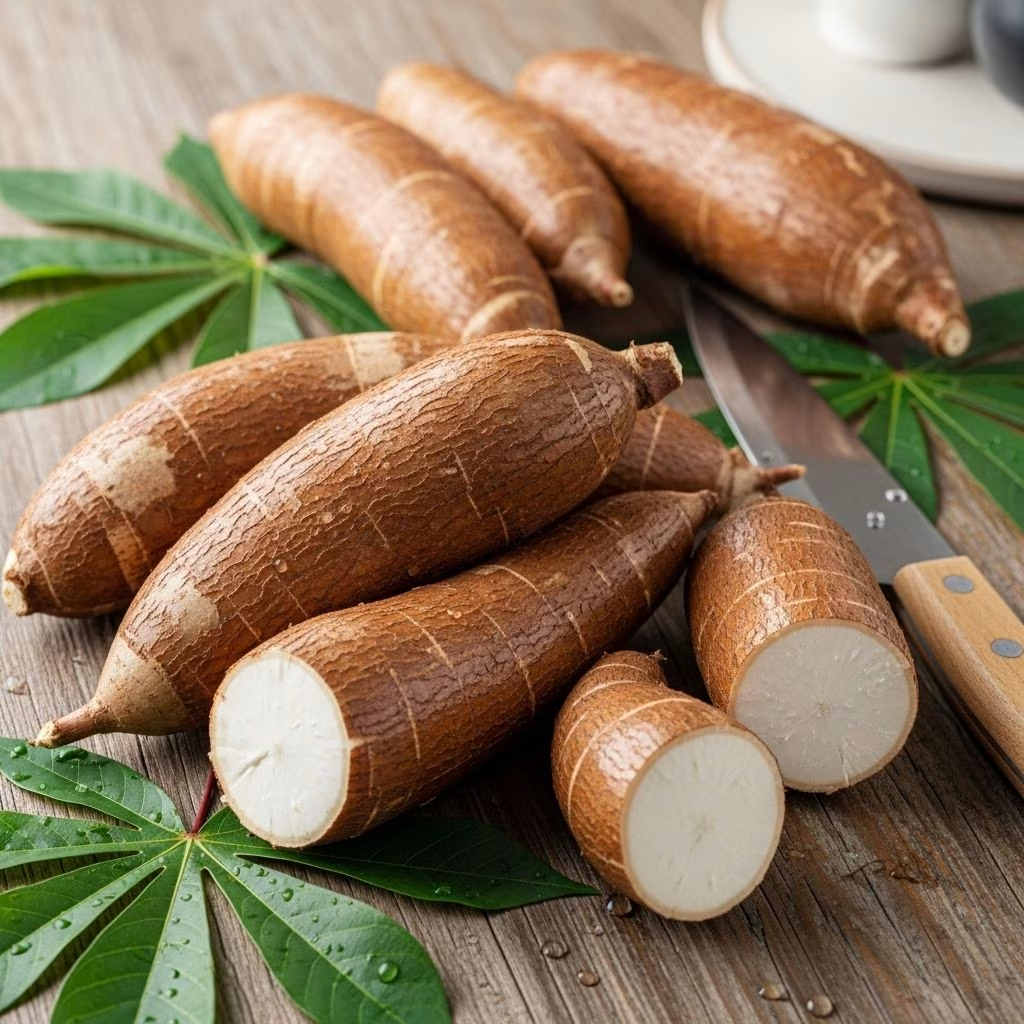
What Is Manioc (Cassava Root)?
Manioc, also known as cassava, yuca, or tapioca, is a woody shrub native to South America, particularly Brazil, Paraguay, and the Andes region. Its botanical name is Manihot esculenta. The plant is cultivated for its large, tuberous roots, which are a vital source of carbohydrates in tropical regions and a staple food for over 500 million people worldwide. Cassava is renowned for its ability to thrive in poor soils and withstand drought, making it a reliable crop in challenging environments.
Botanical Profile and Origins
Cassava is a member of the Euphorbiaceae (spurge) family and is a perennial plant, though it is often grown as an annual due to its sensitivity to frost. It can reach up to 7 meters in height, with sparingly branching stems, light green to reddish branchlets, and dark green leaves with narrow lobes. The plant produces elongated, tuberous roots that are the primary edible part. These roots have a rough brown outer skin and firm, white or yellowish flesh, often with a woody central core.
Cassava is believed to have been first domesticated by the Maya in the Yucatán peninsula. It has since spread throughout tropical regions of Africa, Asia, and the Americas, becoming a cornerstone of food security in many developing countries.
Nutritional Value and Health Benefits
Cassava roots are primarily composed of carbohydrates, with very little protein and fat. Here’s a breakdown of their nutritional profile per 100 grams:
| Nutrient | Amount per 100g |
|---|---|
| Carbohydrates | High (mostly starch) |
| Protein | Very low |
| Fat | Very low |
| Calcium | 16 mg |
| Phosphorus | 27 mg |
| Vitamin C | 20.6 mg |
Cassava leaves, though not part of the main root, are rich in protein and can be consumed as a vegetable if properly cooked.
- Energy Source: Cassava provides a dense source of calories, making it essential in regions where food scarcity is a concern.
- Gluten-Free: Cassava flour and starch are gluten-free, making them suitable for those with celiac disease or gluten intolerance.
- Mineral Content: It provides some calcium, phosphorus, and vitamin C, though not in significant quantities compared to other vegetables.
- Resistant Starch: Cassava contains resistant starch, which may support gut health and regulate blood sugar levels.
Culinary Uses and Processing
Cassava is consumed in a variety of ways across the world. Its versatility makes it a cornerstone of many traditional cuisines.
- Boiled or Baked: The peeled roots of sweet varieties can be boiled, steamed, or baked and eaten as a vegetable, similar to potatoes.
- Flour and Starch: Bitter varieties are processed into cassava flour (e.g., farofa in Brazil, garri in West Africa) and tapioca starch, a key ingredient in puddings, bubble tea, and gluten-free baking.
- Leaves: Cassava leaves, when cooked, are eaten as a leafy green vegetable in parts of Africa and Asia.
- Alcoholic Beverages: Cassava is used to make traditional fermented beverages in some cultures.
- Industrial Uses: Cassava starch is used in food production, as a thickener, and in non-food industries such as paper and textile manufacturing.
Taste and Texture
Properly processed cassava has a mild, slightly sweet flavor with a starchy, dense texture, somewhat similar to potatoes but with a slightly firmer bite. Raw cassava should never be tasted due to its toxicity. After cooking, the flesh becomes soft and creamy, making it adaptable to a wide range of dishes. Cassava chips, fries, and breads are popular in many countries, and the flavor pairs well with both savory and sweet dishes.
Safety, Risks, and Preparation
Cassava contains naturally occurring cyanogenic glucosides, compounds that release toxic cyanide when ingested raw or improperly prepared. The concentration of these toxins varies between varieties: sweet cassava has less, while bitter cassava contains significantly more.
Indigenous and traditional processing methods—such as peeling, soaking, fermenting, grating, pressing, and cooking—are essential to render cassava safe for consumption. The preparation of bitter cassava is especially labor-intensive, involving prolonged soaking and exposure to air to break down the toxins. Improper processing can result in acute cyanide poisoning, while chronic exposure is linked to health issues such as goitres, chronic pancreatitis, and ataxic neuropathy.
Proper preparation steps include:
- Peeling: Remove the outer skin, which contains higher toxin levels.
- Soaking: Soak cut pieces in water for several hours or days to leach out cyanogenic compounds.
- Fermenting: Fermentation (as in garri production) further reduces toxicity.
- Cooking: Boil, steam, or bake the cassava thoroughly; discard the cooking water to ensure safety.
Growing Cassava
Cassava is a hardy, drought-resistant crop that thrives in tropical and subtropical climates with at least 8–9 frost-free months per year. It prefers full sun or partial shade and moist, well-drained soil. While perennial, it is often grown as an annual for root harvest. Frost kills the plant, but it can re-sprout from the roots in spring. In cooler climates, cassava can be grown in containers and overwintered indoors.
Global Importance and Economic Role
Cassava is the third-largest source of carbohydrates in the tropics, after rice and maize. Nigeria is the world’s largest producer, and Thailand leads in cassava starch exports. Its ability to grow in marginal soils with minimal inputs makes it a crucial food security crop in regions prone to drought and poor soil fertility.
Cassava Varieties: Sweet vs. Bitter
| Type | Cyanide Content | Typical Uses | Preparation Complexity |
|---|---|---|---|
| Sweet cassava | Low | Boiled, baked, eaten as vegetable | Simple (peel, cook) |
| Bitter cassava | High | Flour, starch, fermented products | Complex (soak, ferment, dry, cook) |
Simple Cassava Recipes
Boiled Cassava
Peel the roots, cut into chunks, boil in salted water until tender (about 20–30 minutes). Drain and serve as a side dish with butter or olive oil.
Cassava Fries
Peel, cut into sticks, soak in water for a few hours, then drain and fry or bake until crisp.
Garri (West African Cassava Grits)
Grate peeled cassava, ferment for a few days, press out moisture, dry, then roast. Serve as a breakfast cereal or side dish.
Tapioca Pudding
Mix tapioca pearls with milk, sugar, and vanilla, then simmer until pearls are translucent and the pudding thickens.
Frequently Asked Questions (FAQs)
Q: Is cassava the same as yuca?
A: Yes, cassava and yuca refer to the same tuberous root, scientifically known as Manihot esculenta.
Q: Can you eat cassava raw?
A: No, raw cassava is toxic due to cyanogenic compounds and must be properly prepared and cooked to be safe to eat.
Q: What is the difference between sweet and bitter cassava?
A: Sweet cassava has lower cyanide content and can be eaten as a vegetable after basic cooking, while bitter cassava contains high levels of toxins and requires extensive processing.
Q: Is cassava gluten-free?
A: Yes, cassava flour and starch are naturally gluten-free, making them suitable for people with gluten intolerance or celiac disease.
Q: What are the main uses of cassava?
A: Cassava is used as a staple food (boiled roots, flour, starch), animal feed, and in industrial applications (starch for paper, textiles, etc.).
Q: How do you store fresh cassava?
A: Store unpeeled cassava roots in a cool, dry place for a few days. Peeled roots should be kept in water in the refrigerator and used within a couple of days.
Conclusion
Manioc (cassava root) is a vital, versatile, and resilient food crop that sustains millions in tropical regions. Its roots provide essential carbohydrates, while the leaves offer protein. However, proper preparation is crucial to avoid the risks of cyanide poisoning. From traditional dishes to industrial products, cassava’s role in global agriculture and cuisine is both significant and expanding. Whether you are exploring new gluten-free flours or seeking a reliable staple food, cassava stands out for its adaptability, nutritional value, and cultural importance.
References
- https://plants.ces.ncsu.edu/plants/manihot-esculenta/
- https://en.wikipedia.org/wiki/Cassava
- https://www.britannica.com/plant/cassava
- https://plants.usda.gov/DocumentLibrary/plantguide/pdf/pg_maes.pdf
- https://pmc.ncbi.nlm.nih.gov/articles/PMC10571719/
- https://www.healthline.com/nutrition/cassava
- https://cargohandbook.com/index.php/Manioc_Root


