


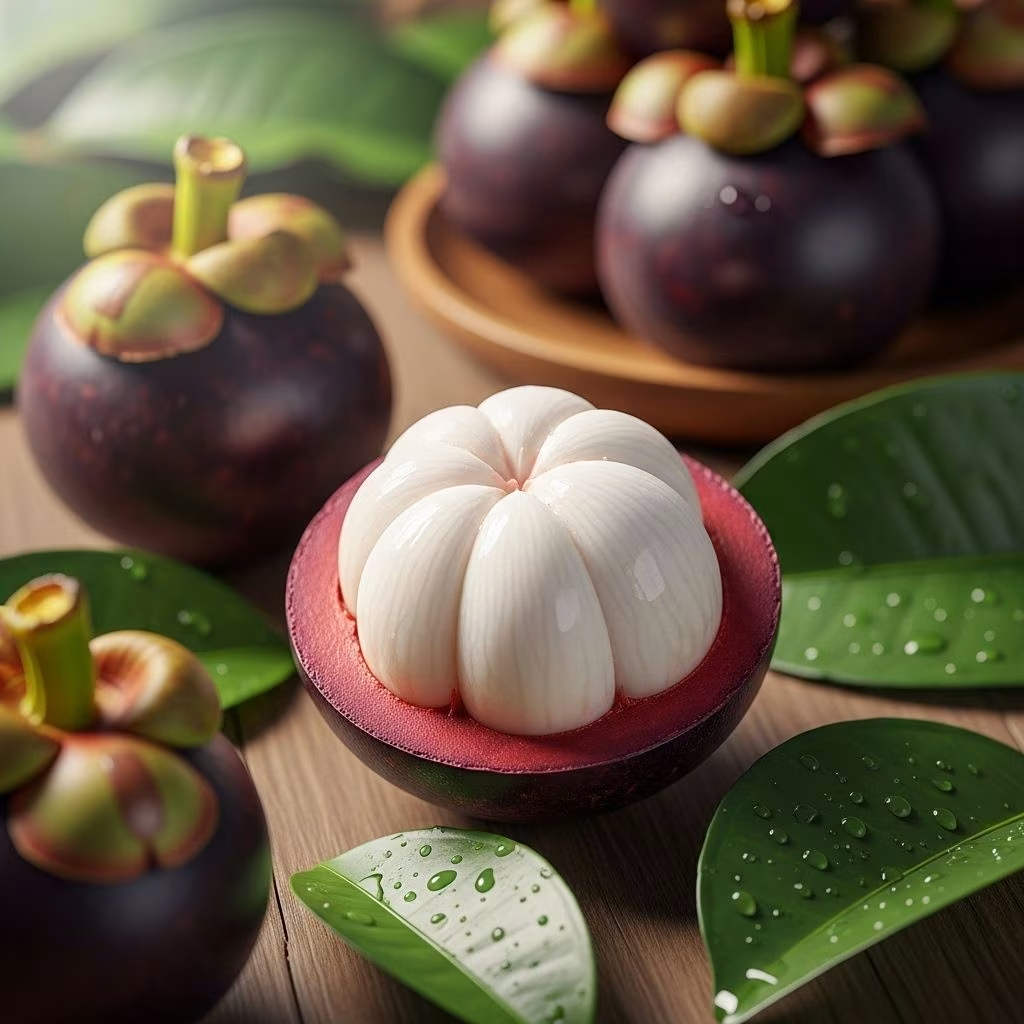
Mangosteen, often crowned the Queen of Fruits, is a tropical delight revered for its exquisite flavor, nutritional value, and potential health benefits. Native to Southeast Asia, this fruit has intrigued botanists, nutritionists, and culinary experts alike. In this comprehensive guide, you’ll discover everything about mangosteen—including its origins, appearance, how it tastes, its possible health advantages, culinary versatility, and more.
Introduction to Mangosteen
Mangosteen (Garcinia mangostana) is a tropical evergreen tree known for producing a luscious, sweet-tart fruit. This fruit is celebrated for its juicy, aromatic white segments encased in a thick, purple rind. Mangosteen belongs to the family Clusiaceae and is botanically unrelated to mango, despite the similarity in their names.
Origins and Cultivation
Mangosteen is indigenous to the rainforests of Island Southeast Asia, with its natural habitat spanning the Malay Peninsula to Borneo. It has been cultivated extensively in Southeast Asia for centuries and is also grown in India, Colombia, Puerto Rico, and other tropical locales. The tree thrives in hot, humid, and consistently moist conditions, making it best suited to equatorial climates.
- Botanical name: Garcinia mangostana
- Tree height: 6 to 25 meters (20 to 82 feet) when mature
- Growth: Slow-growing; may take 7–10 years to bear fruit
- Leaves: Large, glossy, dark green, up to 25 cm (10 inches) long
- Flowers: Rose-pink, growing singly or in small clusters
How to Identify and Select Mangosteen
Mangosteen fruit is typically round or slightly flattened at the ends, measuring 4-6 cm (1.5–2.5 inches) in diameter. It features a thick, deep reddish-purple or nearly black rind (exocarp) when ripe and is topped by a green stem cap and a distinctive, lobed structure at its base, corresponding to the number of inner segments.
The inner edible part consists of snow-white, segmented flesh (endocarp) that looks somewhat like a tangerine and ranges from 4 to 8 segments per fruit. The largest segments contain a brown seed, which is generally not eaten raw.
- Rind: Thick, hard, inedible, and stains the hands purple
- Flesh: Juicy, tender, bright white, aromatic
- Seeds: Almond-sized, enclosed within larger segments
How to Choose the Best Mangosteen
- Look for fruits with a firm but slightly yielding rind; avoid those with hard, dry, or cracked shells.
- The cap and base should be green and not shriveled.
- Weighty fruits tend to contain more juice and fresher segments.
What Does Mangosteen Taste Like?
Mangosteen’s flavor is famously difficult to describe, but it consistently ranks as a favorite among tropical fruits for its delicate blend of sweetness, acidity, and creamy floral notes.
| Flavor Component | Description |
|---|---|
| Sweetness | Reminiscent of ripe berries and peaches, very pure and not overpowering. |
| Tanginess | Balancing acidity, similar to tangerine or pineapple, gives refreshing brightness. |
| Floral Notes | Light perfumed hints, likened to lychee or rose water, enhance the tropical bouquet. |
| Creamy Undertones | Mildly creamy mouthfeel, lending a rich and luxurious texture to the juicy segments. |
Fans of mangosteen have described its unique flavor as a blend of peach, strawberry, citrus, and pineapple, with the subtle complexity of a floral creaminess. The flesh melts in your mouth, while the abundant juice makes it both indulgent and refreshing.
Texture of Mangosteen
- Soft and Juicy: The flesh segments are tender and juicy—almost melt-in-the-mouth.
- Slightly Fibrous: The flesh may contain some barely noticeable fibers, similar to citrus vesicles.
- Refreshing: Its high juice content makes it perfect for cooling down on hot days.
Nutritional Composition
Mangosteen is not only a treat for the senses but also a source of important micronutrients and phytochemicals:
- Calories: Relatively low per serving (per 100g: approximately 73 kcal)
- Carbohydrates: Modest; primarily as natural sugars (fructose, glucose)
- Fiber: 1.8 g per 100g, contributing to satiety and digestive health
- Vitamins:
- Vitamin C (ascorbic acid): Boosts immune function, collagen synthesis
- Some B vitamins (B1, B2, B6), folate
- Minerals: Manganese, magnesium, copper, potassium
- Phytochemicals:
- Xanthones: A unique group of polyphenolic compounds in the rind, with antioxidant properties
- Tannins, flavonoids
Health Benefits of Mangosteen
Mangosteen has long held a place in traditional medicine throughout Southeast Asia, and scientific research is beginning to validate some of these traditional claims.
Potential Health Benefits
- Rich in Antioxidants: The purple rind is especially abundant in xanthones, which combat free radicals and may reduce oxidative stress.
- Anti-Inflammatory Effects: Preliminary studies suggest that mangosteen extracts reduce markers of inflammation, supporting joint and overall health.
- Supports Immune System: High vitamin C and additional polyphenols can help strengthen immune response and resist infection.
- Digestive Health: Fiber content promotes healthy digestion and may alleviate constipation.
- Potential Blood Sugar Benefits: Some animal and limited human studies suggest mangosteen might help regulate blood sugar, though more research is needed.
- Traditional Medicine Uses: Mangosteen rind and fruit have been used to alleviate skin infections, wounds, and diarrhea in folk medicine.
Note: While studies on isolated mangosteen compounds are promising, robust clinical evidence in humans is still limited. Always consult with healthcare professionals before using mangosteen supplements, especially for medical purposes.
Culinary and Non-Culinary Uses
Culinary Uses
- Fresh Eating: Mangosteen is most prized and enjoyed fresh, often chilled as a dessert fruit.
- Juices and Smoothies: Its juice is prized for mixing with other fruits in beverages or tropical smoothies.
- Salad Additions: Adds a sweet-tart pop to fruit and green salads.
- Jams, Jellies, and Purees: Used to make unique preserves.
- Desserts: Complements ice creams, sorbets, tarts, and cakes.
- Cooked Preparations: Rarely cooked, but sometimes simmered in syrups or used in fruit sauces.
- Drinks: Mangosteen puree or juice is a component in cocktails and tropical punches.
Non-Culinary Uses
- Traditional Medicine: Rind extract or powders used in folk remedies.
- Dye: The pigment-rich rind can be used to make natural dye.
- Ornamental Value: The fruit and leaves are sometimes used in floral displays.
How to Eat Mangosteen
To enjoy mangosteen, you must first remove the thick rind without bruising the fragile flesh inside:
- Wash the fruit to remove any surface stains or sap.
- Hold the fruit firmly and use a sharp knife to score the rind around its “equator,” avoiding cutting too deep.
- Gently twist or pry open the fruit to reveal the white segmented flesh inside.
- Pick out the segments and consume directly or use in your favorite recipe.
Only the white pulp is eaten. The seeds are bitter and usually not consumed raw.
Risks, Side Effects, and Storage
Risks & Cautions
- Allergies: Rare, but some individuals might be sensitive to mangosteen latex sap.
- Supplement Safety: Supplements or extracts can have considerably higher doses of xanthones; possible drug interactions and side effects—consult a doctor before use.
- Shelf Life: Mangosteen is highly perishable and best consumed soon after purchase.
Storage Tips
- Keep unpeeled mangosteen in a cool, humid environment or refrigerate for short-term storage (up to a week).
- Rind will harden over time, but this does not always indicate spoilage; inspect flesh before eating.
- Avoid freezing the fresh fruit as it can result in texture loss.
Frequently Asked Questions (FAQs)
What is the best season for mangosteen?
Mangosteens are typically in season from late spring through summer, depending on the region.
Can you eat mangosteen rind?
No, the rind is not edible and is extremely bitter and fibrous, though it is used in traditional remedies and as a natural dye.
Why is mangosteen called the “Queen of Fruits”?
Mangosteen earned this nickname for its exceptional flavor and storied association with royalty and luxury in Southeast Asia.
Is mangosteen available fresh outside Southeast Asia?
International trade is restricted due to perishability and import regulations, but frozen, canned, or dried mangosteen is commonly available in specialty stores globally.
Is mangosteen juice healthy?
Natural mangosteen juice retains many antioxidants and nutrients but check for added sugars or artificial ingredients in commercial products.
How does mangosteen compare to other tropical fruits?
Mangosteen is renowned for its unique balance of sweetness and acidity, softer and less aromatic than fruits like mango or lychee, making it a favorite in fruit tastings and desserts.
References
- Wikipedia: Mangosteen
- Britannica: Mangosteen
- Nokki Farm: The Unique Flavor Profile of Mangosteen
References
- https://en.wikipedia.org/wiki/Mangosteen
- https://nokkifarm.com/blogs/news/the-unique-flavor-profile-of-mangosteen-what-sets-it-apart-explore-the-taste-and-texture-of-mangosteen-and-how-it-enhances-various-culinary-dishes
- https://www.britannica.com/plant/mangosteen
- https://pmc.ncbi.nlm.nih.gov/articles/PMC10178281/
- https://www.gardenia.net/plants/common-names/mangosteen
- https://www.rxlist.com/supplements/mangosteen.htm
- https://www.nlb.gov.sg/main/article-detail?cmsuuid=985cee95-3edc-4d7d-a40a-920a943de2eb


