


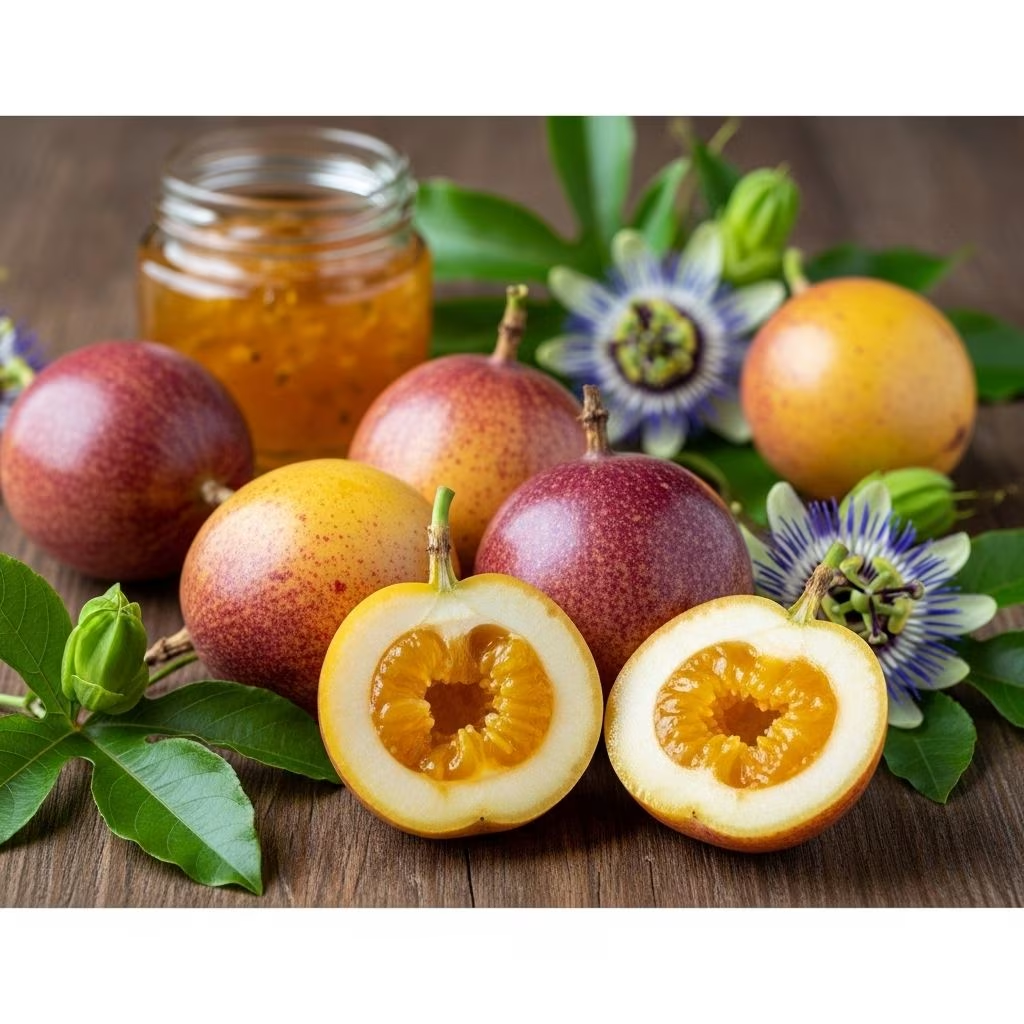
Maypop, scientifically known as Passiflora incarnata and commonly referred to as purple passionflower, is a perennial vine native to the southeastern United States. Celebrated for its striking flowers and edible fruit, maypop is cherished not only as a wild delicacy but also valued for its medicinal and ornamental qualities. This article provides an in-depth exploration of the plant’s appearance, nutritional and therapeutic benefits, culinary uses, cultivation guidance, and unique taste profile.
What Is Maypop?
Maypop is the common name for Passiflora incarnata, a fast-growing, herbaceous perennial vine native to the southern regions of the United States. Known for its vibrant purple and white flowers, the plant has many aliases including purple passionflower, wild apricot, and true passionflower.The name “maypop” is believed to derive from the way its egg-shaped fruit pops when stepped on or from the plant’s tendency to ‘pop’ above the soil in May after lying dormant underground all winter.
Key Identifiers:
- Striking fringed flowers with purple and white filaments.
- Tri-lobed leaves (sometimes five lobes), alternate on the vine.
- Climbing or trailing habit, supported by tendrils.
- Prolific bloomer in summer; fruits mature in late summer to fall.
- Edible egg-shaped berries, turning from green to yellow-orange as they ripen.
Botanical Description and Identification
The maypop is a vigorous, climbing or trailing vine that can reach 8–12 feet in length, using axillary tendrils to grasp supports. Its perennial rootstock allows it to survive harsh winters, dying back and resprouting in spring. Botanically, it belongs to the family Passifloraceae.
| Feature | Description |
|---|---|
| Leaves | Alternate arrangement, usually 3 lobes (sometimes 5), palmate, 2.5–5.5 inches long |
| Flowers | 2–3 inches in diameter, with a ring of white and purple filaments, radial symmetry, highly ornamental |
| Fruit | Oval to egg-shaped berry, 1.5–3 inches long; green to yellow-orange when ripe; gelatinous pulp with black seeds |
| Growth Habit | Vining, climbing, or ground cover; perennial herbaceous |
| Stem & Leaves | Occasionally hairy; short leaf stalks; stems round or oval in section |
The flowers of maypop are uniquely structured, featuring five blue-white petals, a ring of corona filaments, five stamens, and a prominent three-part stigma. The flowers are both visually arresting and ecologically vital, attracting pollinators such as bumblebees, carpenter bees, and butterflies.
Distribution and Habitat
Maypop thrives in the wild throughout the southeastern United States, often found from Texas to Pennsylvania. It prefers moist, sunny or partly shaded areas such as:
- Ditches and roadsides
- Edge of woodlands
- Fencerows and meadows
- Open fields and disturbed soils
The plant is hardy in USDA zones 5–9, tolerating mild frost and drought when established.
Nutritional Profile of Maypop Fruit
The fruit of Passiflora incarnata is not just visually intriguing; it is also prized for its nutrition and hydrating qualities. While specific nutrient analyses of maypop are less common than those for tropical passion fruit (P. edulis), their pulp shares similar characteristics.
- Rich in antioxidants: Contains vitamin C, phenolic compounds, and flavonoids that help scavenge free radicals.
- Minerals: Provides potassium, magnesium, and some iron and calcium.
- Hydration: The pulp is composed mainly of water and natural sugars.
- Edible seeds: Crunchy seeds offer dietary fiber and healthy fats.
- Low calories: Ideal for light, refreshing snacks or beverages.
The fruit pulp is enveloped in a gelatinous sac called an aril, filled with aromatic, orange-yellow juice.
Key Benefits and Traditional Uses
Maypop has a storied history as both a food and herbal medicine, especially among Native American and early settler communities. Modern herbalists continue to recommend maypop—primarily its leaves and flowers—for numerous health concerns.
- Nervous system support: Maypop is recognized for its calming effects, helping relieve anxiety, stress, and insomnia. Infusions or teas made from the leaves have been used for centuries as mild sedatives and sleep aids.
- Mild pain and spasm relief: Contains bioactive alkaloids and flavonoids that may reduce minor pain, headaches, and muscle cramps.
- Digestive aid: Traditionally, maypop has been used to ease digestive discomfort and mild gastrointestinal upset.
- Antioxidant support: The fruit and flowers contain antioxidants that may help support overall cellular health.
- Respiratory and immune health: Some sources indicate historical use in treating coughs and colds, though more research is needed to confirm efficacy.
Note: While maypop is considered safe when consumed in moderation, pregnant or breastfeeding women and those on sedative medications should consult a healthcare provider before using large or medicinal quantities.
Culinary Uses of Maypop
The fresh fruit of maypop is edible and celebrated in southern U.S. regional cuisine for its tropical, aromatic flavor. Its gelatinous pulp, covered in a fragrant membrane, is the prized part. Common culinary applications include:
- Eating fresh: Split the ripe fruit and scoop out the pulp with a spoon for a tangy treat.
- Juice and beverages: The pulp is strained to yield a flavorful juice, often blended with other fruits or sweeteners for a refreshing drink.
- Jams and jellies: The tart-sweet pulp pairs well with sugar for preserves, adding bold color and flavor to breakfast spreads.
- Cakes, desserts, and syrups: Maypop pulp or concentrate can flavor mousses, custards, and even cocktails.
- Wild foraging and survival food: Cherished by naturalists and foragers, the fruit is a prized seasonal find.
Beyond the fruit, young leaves and flower buds are sometimes cooked or added to salads, although care should be taken—as excessive consumption of leaves may have sedative effects.
Taste and Flavor Profile
Maypop’s taste is often compared to tropical passion fruits, but with subtle differences unique to the species.
- Flavor notes: A combination of sweet and tart, often described as a mix of guava, apricot, and citrus, with floral undertones.
- Aroma: Strongly perfumed, reminiscent of flowery orchards and sweet berries.
- Texture: The pulp is juicy and gelatinous; seeds are crunchy and edible.
- Ripeness: Green fruits are hard and lack sweetness; fully ripe fruits are soft, fragrant, and have the best flavor profile.
| Characteristic | Maypop Fruit | Common Passionfruit (P. edulis) |
|---|---|---|
| Color (ripe) | Yellow-green to yellow-orange | Purple or bright yellow |
| Pulp flavor | Sweet-tart, mild, floral | Strong, intensely aromatic, tart-sweet |
| Pulp color | Orange-yellow (dull yellow when very ripe) | Bright orange or yellow |
| Seeds | Black, edible and crunchy | Black, edible |
Many foragers and food enthusiasts recommend harvesting the fruit as it falls naturally from the vine for optimal ripeness and flavor.
Growing and Cultivating Maypop
Maypop is a rewarding plant for gardens, providing both ornamental beauty and edible bounty. Whether grown for fruit, flowers, or wildlife habitat, it is remarkably easy to cultivate in suitable climates.
- Soil: Prefers well-drained, organically rich soils but tolerates sandy, clay, or loam soils.
- Light: Thrives in full sun (6+ hours of direct light) but can prosper in partial shade.
- Water: Moderate moisture; mature plants tolerate periods of drought.
- Spacing: Needs room to spread—plant at least 12–24 feet apart if possible.
- Propagation: Spreads via perennial rootstocks (rhizomes) and seedlings.
- Support: Best grown on a trellis, fence, or natural support to encourage climbing and flower production.
- Hardiness: USDA zones 5–9. Top growth dies back in winter but resprouts from roots each spring.
Note that maypop can spread aggressively if left unchecked, especially in fertile or disturbed soils. Regular pruning and root barrier management can help control its growth.
Potential Side Effects and Precautions
Maypop is generally considered safe when consumed in typical culinary amounts. However, as with any herbal remedy or wild-foraged food, some precautions are advised:
- Excessive or medicinal quantities of leaves or roots may cause sedation or interact with sedative medications.
- Pregnant and breastfeeding individuals should avoid large doses without medical advice, due to traditional use as an emmenagogue (stimulating menstrual flow).
- Test for allergies by trying a small amount, particularly if you have known sensitivities to tropical fruits or plants.
- Only harvest from pesticide-free, uncontaminated locations.
Frequently Asked Questions (FAQs)
Q: Is maypop safe to eat directly from the vine?
A: Yes, the ripe fruit is edible and often enjoyed fresh. Only consume ripe (soft and aromatic) fruit, not unripe ones, and be sure it’s harvested from a safe, pesticide-free area.
Q: How is maypop used in herbal medicine?
A: The leaves and flowers are commonly infused as a tea or tincture to support relaxation, ease anxiety, and promote restful sleep.
Q: Can I grow maypop in colder climates?
A: Maypop survives winters as far north as USDA Zone 5. Above-ground growth dies back in cold winters but will regrow from the perennial rootstock each spring.
Q: What wildlife does maypop support?
A: Maypop flowers attract various bees and butterflies, including the Gulf fritillary and Zebra longwing. Birds and small mammals eat the fruit and seeds.
Q: How do I know when maypop fruit is ripe?
A: Ripe fruit turns yellowish, becomes aromatic, and often drops from the vine on its own. The pulp should be juicy, sweet-tart, and fragrant.
References
- https://weedid.cals.vt.edu/profile/285
- https://en.wikipedia.org/wiki/Passiflora_incarnata
- https://edis.ifas.ufl.edu/publication/HS1406
- https://plants.ces.ncsu.edu/plants/passiflora-incarnata/
- https://www.phillyorchards.org/2022/05/25/passionate-about-passionflowers/
- https://gnps.org/plant-spotlight-passionflower-passiflora-incarnata/
- https://www.nlhg.org/passionflower-vine-wonders-of-the-wild
- https://www.chesapeakebay.net/news/blog/growing-a-passion-for-an-unusual-native-species


