


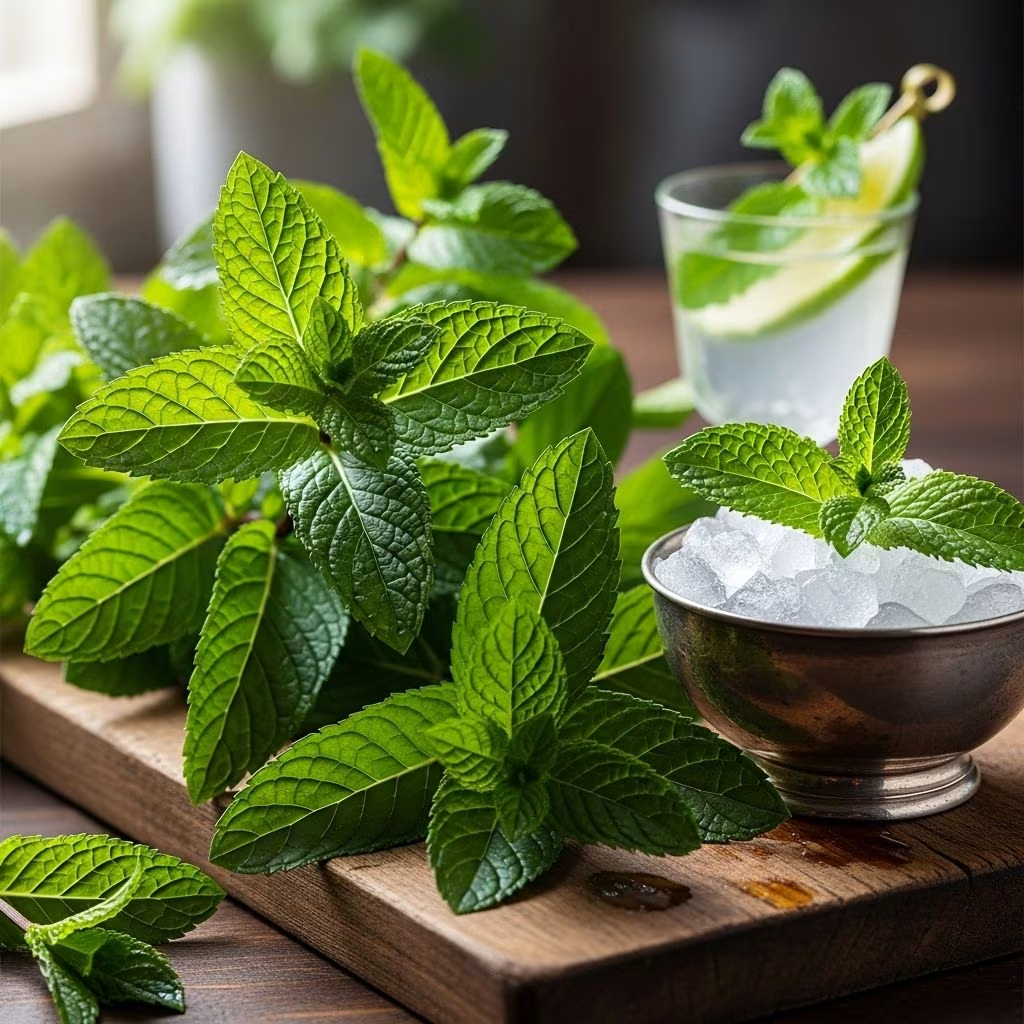
Mint: Flavor, Uses & Easy Substitutes
Mint is one of the world’s favorite culinary and medicinal herbs. Renowned for its signature freshness and aromatic coolness, mint has enlivened kitchens, apothecaries, and gardens for centuries. Whether you’re seeking its refreshing taste for a summer salad, soothing properties for homemade remedies, or smart substitutions for when it’s not on hand, understanding mint’s incredible versatility unlocks new possibilities in everyday cooking and health.
- Table of Contents
- Mint Overview
- Flavor Compounds & Aroma Profile
- Mint in the Kitchen
- Mint in Health & Wellbeing
- Growing & Preserving Mint
- Easy Mint Substitutes
- Frequently Asked Questions (FAQs)
Mint Overview
The mint family (Mentha genus) comprises over 20 species, most notably peppermint (Mentha piperita) and spearmint (Mentha spicata). Mint is a perennial herb native to temperate regions of Europe and Asia. Its square stems, paired leaves, and spreading habit make it a familiar sight in gardens and wild meadows. Mint’s vivid green leaves are the primary source of its cherished volatile oils, which deliver its unmistakable flavor and aroma.
- Peppermint: Penetrating, balsamic, cool flavor with high menthol concentration.
- Spearmint: Sweeter, lighter, herbal notes with dominant carvone compound.
- Other varieties: Apple mint, chocolate mint, pineapple mint each offer subtle differences, often driven by varying ratios of core flavor chemicals.
Historical Uses
Mint’s history spans culinary, medicinal, and cultural traditions. Ancient Egyptians prized it for digestive remedies, Greeks steeped it in wines and cleaning rituals, and the Romans flavored sauces and candies with mint. During the Civil War era, mint was a staple remedy for digestive discomfort and as a mild stimulant.
Flavor Compounds & Aroma Profile
Mints owe their distinctive flavor and scent to a blend of volatile oils housed primarily in leaf tissue. These oils are dominated by monoterpenes, which vary by species and cultivation practices. Understanding these flavor compounds is key to appreciating mint’s range and choosing optimal culinary or medicinal applications.
Main Flavor Compounds in Mint (Peppermint & Spearmint)
| Compound | Mint Type | Flavor Profile |
|---|---|---|
| Menthol | Peppermint | Cool, balsamic, penetrating |
| Menthone | Peppermint | Minty, woody, medicinal |
| Carvone | Spearmint | Sweet, herbal, fresh |
| Eucalyptol | Both | Spicy, herbaceous, camphorous |
| Menthyl Acetate | Peppermint | Fruity, tea-like minty |
| Pulegone | Both | Sweet, camphor (undesirable in excess) |
Aroma and Sensory Profile
- Mint’s fragrance is universally described as fresh, cool, inviting, with possible undertones of spice, hay, sweetness, or woody notes.
- Peppermint excites mouthfeel with a pronounced cooling sensation, while spearmint offers sweeter, herbal freshness. Other minor compounds, such as limonene, can add citrus notes; menthofuran contributes earthiness.
- Menthol is responsible for mint’s cool aftertaste and physical sensation of freshness.
Factors Affecting Mint Flavor
- Species and Variety: Different mint types have unique compound profiles. Peppermint is richer in menthol, spearmint in carvone.
- Environment: Plant stress (water, UV light, temperature) can increase levels of off-tasting compounds like pulegone.
- Soil & Nutrients: Fertilizer and micronutrient balance (notably nitrogen and manganese) affect oil yield and flavor quality. Excess nitrogen can boost oil but may reduce taste quality, especially in spearmint.
- Harvest Timing: Mature leaves generally offer optimal flavor; young leaves may contribute higher off-notes.
Mint in the Kitchen
Mint’s role in global cuisine is legendary. Its cooling freshness and aromatic profile make it indispensable in salads, sauces, desserts, beverages, and savory dishes. Pairing mint effectively requires knowing its unique traits and how it interacts with other ingredients.
Popular Culinary Applications
- Beverages: Mojitos, mint tea, lemonades, juleps, and herbal infusions leverage mint’s cooling effect.
- Salads & Fresh Dishes: Tabouleh, fruit salads, grain bowls often use mint for herbal brightness.
- Sauces & Condiments: Mint sauce, raita, tzatziki, chimichurri; combines well with yogurt, citrus, and spices.
- Candies & Desserts: Peppermint patties, ice creams, chocolate mints, baked goods, syrups.
- Savory Dishes: Lamb, peas, potatoes, poultry, grains; balances heaviness and adds lift.
Pairings & Blending
- Mint blends well with other herbs (basil, parsley, cilantro), spices (cumin, coriander), fruits (berries, melon, citrus), and even dairy and floral notes.
- In expert hands, mint can be layered with brown notes (chocolate, caramel), or freshened with citrus, ginger, or lemongrass.
Tips for Cooking with Mint
- Use fresh leaves whenever possible; dried mint loses much of its aroma.
- Add mint near the end of cooking to preserve volatile oils and flavor.
- For sauces, infusions, or syrups, lightly bruise leaves to release their oils.
- Chop mint just before use to minimize discoloration and aroma loss.
Mint in Health & Wellbeing
Mint is much more than a culinary delight. Its essential oils have featured in medicinal traditions worldwide, prized for soothing, stimulating, and digestive benefits.
Medicinal Uses of Mint
- Digestive Aid: Mint tea and tinctures are effective against nausea, indigestion, and flatulence.
- Respiratory Relief: Inhalation or ingestion can open airways and reduce throat discomfort, largely due to menthol.
- Pain Relief: Peppermint oil can soothe headaches, minor spasms, and muscular aches when applied topically.
- Mood and Alertness: Mint’s aroma is suggested to increase alertness and gently stimulate the senses.
- Oral Health: Mint is a staple flavor in toothpastes and mouthwashes, both for taste and its antibacterial properties.
While generally safe, peppermint oil should be used cautiously. It may cause irritation or allergic reactions in sensitive individuals, particularly children. Excess consumption of certain mint types (rich in pulegone) should be avoided due to potential toxicity.
Growing & Preserving Mint
Mint is one of the easiest herbs to cultivate, thriving in moist, well-drained soil with partial shade or sun. Its perennial habit and vigorous spreading make it suitable for garden beds, containers, or even indoor pots.
Mint Cultivation Tips
- Soil: Prefers rich, moist, well-drained soils with moderate pH.
- Sunlight: Grows well in both full sun and partial shade.
- Spacing: Plant mint at least 18 inches apart or in containers to prevent overgrowth and competition.
- Water: Maintain consistent moisture; avoid letting soil dry out fully.
- Pruning: Regularly trim stems to encourage bushiness and prevent flowering, which can reduce leaf flavor.
Harvesting & Storage
- Harvest leaves before the plant flowers for best flavor.
- Storing: Use fresh, refrigerate in damp towels, or freeze leaves for long-term use. Dried mint loses much aroma but is sometimes preferred for teas.
- Preservation: Mint can be steeped in vinegar, oil, or made into simple syrups to capture essence for later use.
Easy Mint Substitutes
Even the best-stocked kitchen runs out of mint. Luckily, several herbs and flavorings can substitute for mint’s distinctive profile, either in fresh form or as oils and extracts.
Best Fresh Substitutes for Mint
- Basil: Offers a sweet, slightly spicy aroma; blends well in salads and Mediterranean dishes.
- Cilantro: Herbal and bright, works in salsas, salads, and Southeast Asian cuisines.
- Parsley: Mild and fresh, provides green notes in tabouleh and sauces.
- Lemon Balm: A close relative, delivers mild lemony freshness akin to mint’s top notes.
- Thyme: Not as cool, but earthy and aromatic—suited for savory applications.
Best Dry or Extract Substitutes
- Mint Extract: Concentrated flavor, best for desserts and drinks.
- Peppermint or Spearmint Oil: Use sparingly; a drop can replace several fresh leaves in cooked applications.
- Other Herbal Teas: Dried lemon verbena, fennel, or tarragon for fresh, bright undertones.
Substitute Tips (by Recipe Type)
| Dish Type | Fresh Mint Substitute | Flavor Notes |
|---|---|---|
| Salads | Basil, cilantro, parsley | Herbal, slightly sweet or earthy |
| Drinks (Infusions) | Lemon balm, mint extract | Lemony, aromatic |
| Sauces & Chutneys | Cilantro, tarragon | Bright, fresh |
| Baked Goods | Mint extract, peppermint oil | Strong, concentrated |
| Lamb & Savory Dishes | Rosemary, thyme | Earthy, fresh |
Frequently Asked Questions (FAQs)
Q: Is peppermint and spearmint the same?
A: No, peppermint and spearmint are different species. Peppermint is higher in menthol, which gives a stronger cooling effect, while spearmint is sweeter with a delicate herbal flavor due to high carvone content.
Q: Can I use dried mint instead of fresh?
A: Dried mint is less aromatic than fresh but suitable for long-cooked dishes, teas, or spice blends. For recipes focusing on mint’s freshness (salads, drinks), use fresh or substitute with an herbal cousin like basil or lemon balm.
Q: What is the best substitute for mint in tabouleh?
A: Parsley or a combination of parsley and cilantro provides the brightness and herbal lift that mint adds to tabouleh.
Q: Are there any health risks with mint?
A: Mint is generally safe. Peppermint oil should not be ingested or heavily used by children, infants, or those with sensitivity. High levels of certain compounds (such as pulegone) in some mint species may be toxic if consumed in large quantities.
Q: How do I keep fresh mint leaves from turning black?
A: Store freshly washed leaves between damp paper towels in the refrigerator, or freeze quickly; chop only right before use, and avoid prolonged exposure to air.
Unlocking Mint’s Full Potential
From sprigs in salads and drinks to syrups and tinctures in medicine cabinets, mint delivers unique flavor, aroma, and wellness benefits. Knowing the differences between varieties, how to grow and preserve them, and what to reach for when you run out enables cooks and herbalists to use mint’s full spectrum effectively. Its versatility, paired with easy substitutes, ensures that the cool, fresh power of mint will inspire palates for generations to come.
References
- https://projectblue.blob.core.windows.net/media/Default/Imported%20Publication%20Docs/AHDB%20Horticulture%20/HerbFlavourFactsheet_MINT_2018_09_19_WEB.pdf
- https://essexlabs.com/all-about-mint/
- https://horticulture.ahdb.org.uk/knowledge-library/optimising-flavour-in-mint
- https://www.civilwarmed.org/mint/
- https://www.botanical.com/~botanid5/botanical/mgmh/m/mints-39.html
- https://alchemyacademy.world/peppermint-2/
- https://pregelamerica.com/pmag/whats-blooming-mint-natures-nurturing-herb/


