


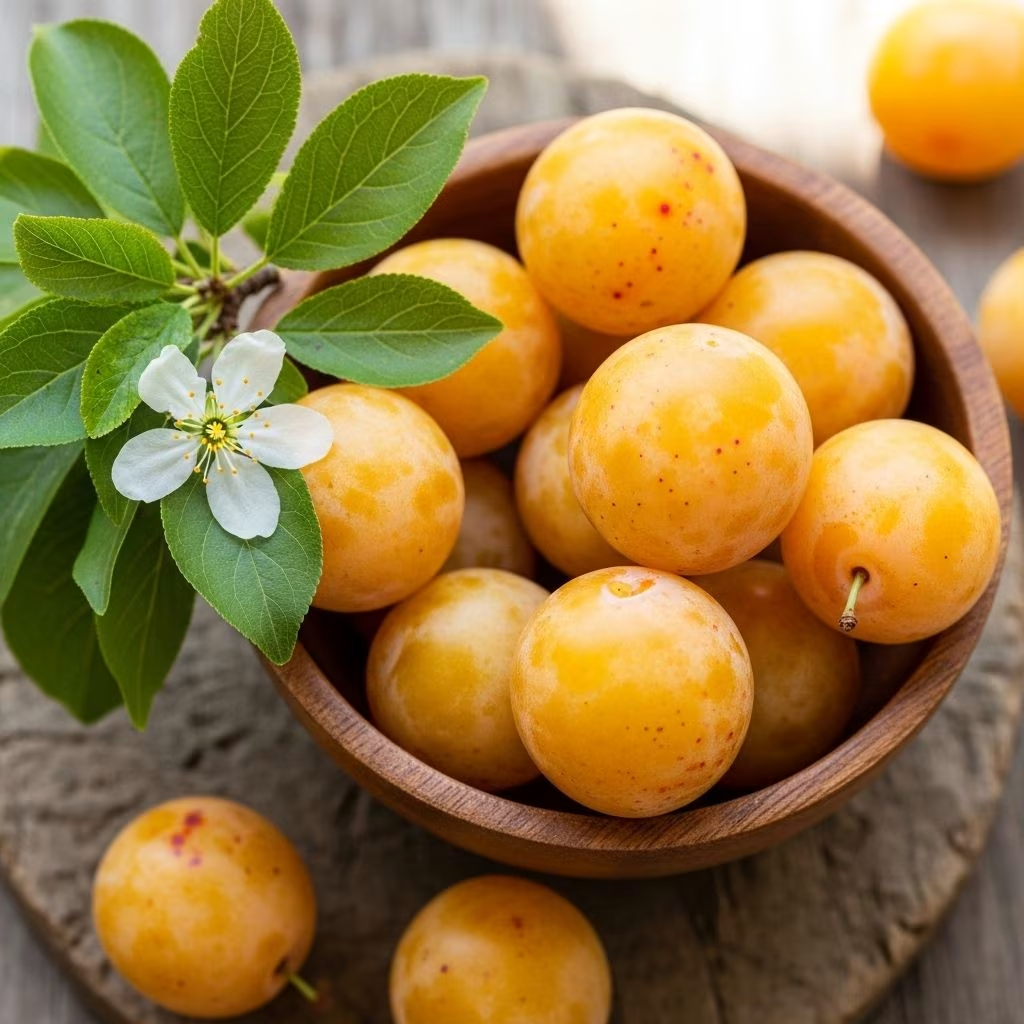
Mirabelle Plum: Origins, Health Benefits, Culinary Uses, and Taste Profile Unveiled
The Mirabelle plum, botanically classified as Prunus domestica subsp. syriaca, is a small, sweet, and highly aromatic fruit cherished in European cuisine and increasingly recognized worldwide for its health benefits and unique taste. This comprehensive guide delves into its origins, nutritional properties, health-promoting compounds, distinctive flavor, and wide-ranging culinary uses.
Introduction to Mirabelle Plum
The Mirabelle plum is a culinary gem, renowned for its vibrant color, pleasantly sweet taste, and versatility. Native to Europe, particularly Lorraine, France, this fruit is a staple in jams, desserts, and liqueurs. More than just a sweet treat, Mirabelle plums are also recognized for their potential health benefits, owing to their composition of vitamins, minerals, and antioxidants.
Origin and History
Mirabelle plums have deep historical roots in Europe, especially in northeastern France. The region of Lorraine is famous for its Mirabelle production. Their cultivation in this area dates back several centuries, and they hold a protected geographic status (PGI) for Mirabelle de Lorraine. These plums are celebrated in local festivals and traditional recipes, reflecting their importance in the regional culture.
- Botanical name: Prunus domestica subsp. syriaca
- Common synonyms: Golden Plums, Yellow Plums
- Main production regions: France (Lorraine), Germany, Luxembourg
Botanical Characteristics & Appearance
The Mirabelle plum belongs to the Rosaceae family, closely related to other plum varieties and cherry plums. It is typically small, round or oval-shaped, measuring about 2–3 cm (0.8–1.2 inches) in diameter—slightly larger than a cherry. The fruit’s skin is thin and edible, ranging from green when unripe to vibrant yellow, golden, or even reddish-purple at full maturity.
- Size: Petite, about the diameter of a large cherry.
- Shape: Round or oval.
- Color: Matures from green to deep yellow, orange, or scarlet. Red-skinned varieties have anthocyanins that provide pigmentation.
- Flesh: Tender, succulent, and yellow/golden, with a single easily removable pit.
- Aroma: Characterized by fruity esters and acetates contributing a heady, sweet fragrance.
Nutritional Value & Composition
| Nutrient | Mirabelle Plum (per 100g) | Average Fresh Fruit (per 100g) |
|---|---|---|
| Energy | ~76 kCal | ~50 kCal |
| Carbohydrates | 18 g | 11.31 g |
| Sucrose | 7.30 g | N/A |
| Glucose | 3.80 g | N/A |
| Fructose | 2.20 g | N/A |
| Sorbitol | 2.70 g | N/A |
| Dietary Fiber | 2.2 g | 2.77 g |
| Protein | 0.63 g | 0.93 g |
| Fat | <0.5 g | <0.5 g |
| Vitamins & Pigments | Beta-carotene, Zeaxanthin, Anthocyanins | Varies |
- Dominant sugars: Sucrose, glucose, fructose, and sorbitol.
- Rich in antioxidants: Beta-carotene and zeaxanthin (especially in yellow varieties), anthocyanins (in red cultivars).
- Low in fat: Less than 0.5 g per 100 g.
- Notable fiber content: 2.2 g per 100 g—supporting digestion.
Health Benefits of Mirabelle Plum
Mirabelle plums are not only a culinary delight but also offer several health-promoting properties due to their composition of vitamins, minerals, and phytochemicals.
- Antioxidant Protection: High levels of beta-carotene, zeaxanthin, and anthocyanins combat free radicals, reduce oxidative damage, and may lower cancer risk.
- Cardiovascular Support: Natural flavonoids and pigments can help reduce LDL cholesterol and blood pressure, contributing to improved heart health.
- Anti-inflammatory Effects: Anthocyanins and other polyphenols shield cells from inflammation and oxidative stress.
- Metabolic Benefits: Consumption linked to enhanced metabolism and improved memory.
- Digestive Aid: The dietary fiber promotes gut health and regularity.
- Skin and Vision: Beta-carotene and zeaxanthin support healthy skin and vision.
In summary, Mirabelle plums are not only a treat for the senses but a functional food that can contribute to overall well-being.
Mirabelle Plum Taste Profile
The Mirabelle plum is famed for its balanced sweetness and acidity—delicate yet complex. The flesh is juicy and soft; the skin adds a subtle tart note. When fully ripe, its flavor is reminiscent of honey, with light floral undertones and a gentle acidity that brightens the palate.
- Complex, aromatic flavor with honey-like notes.
- Perfect balance of sweetness and tartness.
- Tender flesh and slight skin tartness, enhancing overall taste experience.
- Subtle floral aroma that elevates desserts, preserves, and fresh consumption.
Compared to other plums, the Mirabelle is less assertive and more ethereal, appealing to those who appreciate nuanced flavors.
Culinary Uses
Mirabelle plums are celebrated for their versatility. Their intense flavor and aroma lend themselves well to a myriad of culinary applications:
- Fresh eating: Perfectly sweet and juicy for enjoying as a snack.
- Jams and preserves: Their high sugar and pectin content make them ideal for spreads and conserves.
- Desserts and baked goods: Used in tarts, cakes, clafoutis, and pies.
- Liqueurs and spirits: Essential ingredient in Mirabelle eau-de-vie (a fruit brandy).
- Canning and drying: Used for preserves, dried snacks, and as a winter delicacy.
- Sauces and chutneys: Adds sweet-tart complexity to savory dishes.
| Culinary Application | Description |
|---|---|
| Jam/Preserves | Classic French jams maximize Mirabelle sweetness and fragrance. |
| Tarts and Cakes | Imparts delicate, fruity aroma and juiciness to baked goods. |
| Eau-de-vie (Brandy) | Distilled into aromatic fruit brandy in Lorraine region. |
| Dried Fruit Snacks | Concentrates sweetness for healthy snacking. |
With their vibrant color and pronounced aroma, Mirabelle plums elevate both sweet and savory recipes.
Cultivation and Harvesting
- Climate & Soil: Prefers temperate climate, 1/2 day to full sun, and well-drained soil.
- Tree Characteristics: Medium-sized trees reaching 10–12 ft at maturity if grown on semi-dwarf rootstock.
- Pollination: Partially self-fertile, but planting with other varieties (like Green Gage) enhances yield.
- Bearing age: Trees begin producing fruit three years after planting.
- Harvest time: Late summer to early autumn (typically September in Europe).
- Yield: A mature tree can yield 50+ lbs.
- Pest/disease resistance: Generally resilient, but can be susceptible to bacterial canker.
Mirabelle vs. Other Plums
| Feature | Mirabelle | Common Plums | Cherry Plum |
|---|---|---|---|
| Size | Small (2–3 cm) | Medium to Large (3+ cm) | Smaller (similar to Mirabelle) |
| Color | Yellow, golden, or scarlet | Purple, red, green, yellow | Red to yellow |
| Flavor | Honey-like, delicate | Bolder, sweet-tart | Sour to sweet |
| Uses | Jams, liqueurs, fresh, dried | Fresh, jams, drying | Fresh, eating, jams |
The Mirabelle’s key advantage lies in its balanced, subtle flavor and aromatic intensity, distinguishing it from other plums typically found in markets.
Frequently Asked Questions
Q: Where is the Mirabelle plum most prominently grown?
A: Mirabelle plums are most famously cultivated in the Lorraine region of France, but are also grown in Germany, Luxembourg, and some U.S. regions.
Q: What makes Mirabelle plums unique in cooking?
A: Their intense yet delicate sweetness, aromatic complexity, and vibrant color make them ideal for premium preserves, desserts, and fruit brandies.
Q: Are Mirabelle plums nutritious?
A: Yes, they provide a rich source of antioxidants, fiber, and natural sugars, contributing to cardiovascular health, anti-inflammatory effects, and digestive support.
Q: How can you distinguish a Mirabelle plum from other varieties?
A: By their small size, oval/round shape, golden/yellow color, and unique honey-like aroma and flavor.
Q: Can Mirabelle plum trees grow in home gardens?
A: Yes, they are hardy, suitable for USDA zones 4 and above, and can thrive in well-drained soil and full-to-half sun.
Conclusion
The Mirabelle plum stands out as a culinary treasure, from its fragrant, balanced flavor to its health-promoting attributes and versatility in the kitchen. Whether enjoyed fresh, preserved, or in fine desserts and spirits, it continues to enchant chefs and consumers alike. Its golden color, delicate aroma, and unique composition make Mirabelle plums a fruit worth seeking for both their taste and benefits.
References
- https://smallbatchjamco.com/blogs/news/exploring-the-exquisite-mirabelle-plum-a-culinary-gem
- https://www.potsandpans.in/blogs/articles/mirabelle-health-benefits-uses-and-important-facts
- https://www.aprifel.com/en/nutritional-sheet/mirabelle-plum/
- https://onegreenworld.com/product/mirabelle-2/
- https://paradisenursery.com/products/golden-plum
- https://www.treesofantiquity.com/products/mirabelle-plum
- https://metarom.eu/en/actualites/flavor-mirabelle-plum/
- https://kids.kiddle.co/Mirabelle_plum


