


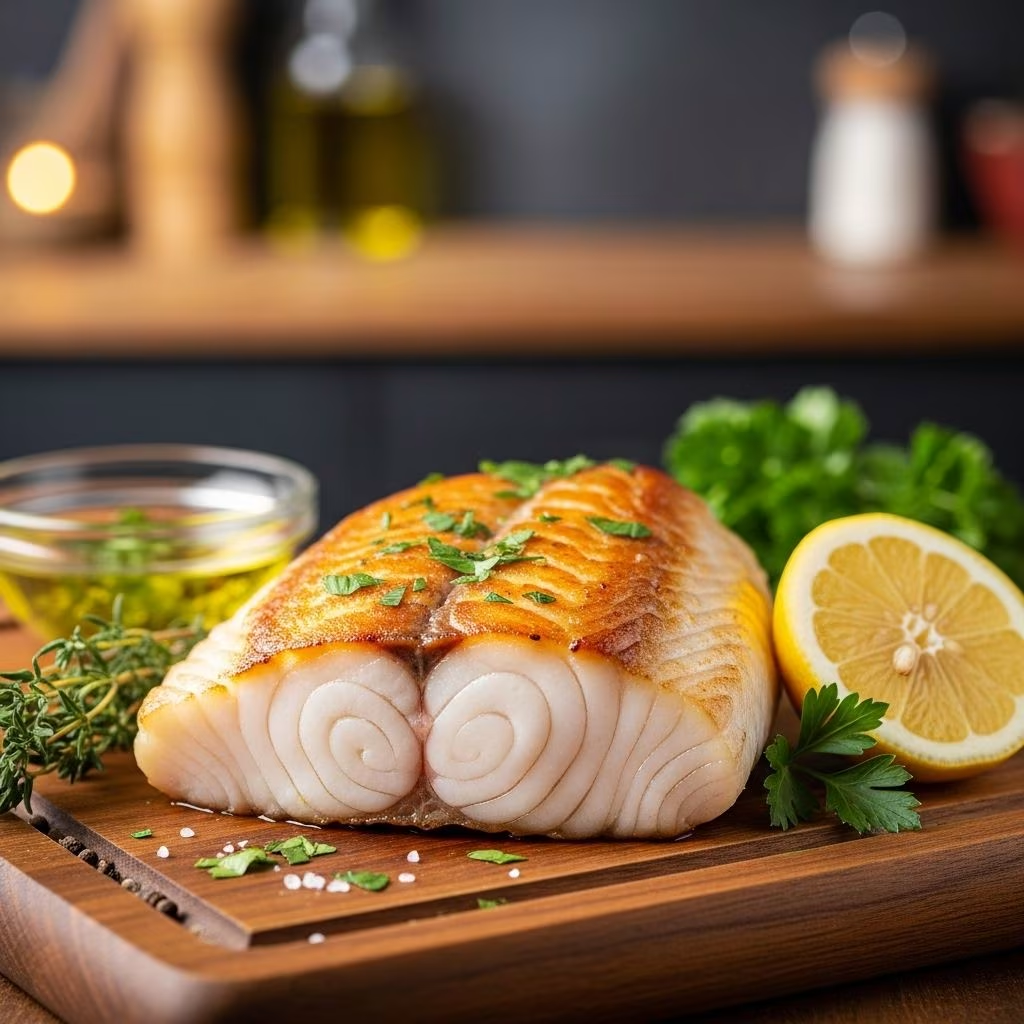
Discover the unique taste, nutritional benefits, and versatile culinary uses of monkfish tail for gourmet and home cooks alike.
Overview: What Is Monkfish Tail?
Monkfish tail refers to the thick, firm, and meaty section of the monkfish, a sea-dwelling anglerfish commonly found in the North Atlantic Ocean and Mediterranean Sea. The tail is the most prized and widely consumed part of the monkfish. Renowned for its mild, sweet flavor and dense texture, monkfish tail draws frequent comparison to lobster, earning the nickname “the poor man’s lobster”. It is typically sold filleted, with the skin and membrane removed, and is used in a variety of gourmet and home-cooked seafood dishes.
Monkfish Biology and Identification
Physical Appearance
- Monkfish have a flat, wide head, an enormous mouth filled with sharp, needle-like teeth, and a narrow, tapering body.
- The species displays mottled dark brown or olive-green skin on top and a white or pale underside.
- Monkfish can reach lengths of over 4 feet and weigh up to 50 pounds, though only the tail section is typically retained for cooking.
Habitat & Distribution
- Native to the Atlantic Ocean, particularly the Gulf of St. Lawrence to North Carolina and the Mediterranean.
- Lives on the sea floor in deep and temperate waters.
- Monkfish are “ambush predators” using a fleshy appendage to lure prey, snagging fish, mollusks, and crustaceans.
Lifecycle & Seasonal Migration
- Males live about 7 years and females up to 13 years, spawning in deep water, particularly from spring to early summer.
- Eggs float to the surface in long ribbons. Once hatched, larvae descend to the sea floor after about a year.
Availability and Sustainability
Monkfish tails are available throughout the year, with significant harvests occurring from November to June, peaking in the fall. The majority are sourced from the North Atlantic via sustainable management approaches such as trawling and gillnetting. Sustainable fishing practices in regions like the UK and North America have stabilized stocks in recent years, supporting responsible seafood choices.
Key Points on Sustainability
- Monkfish populations in the North Atlantic are considered to be managed sustainably in many areas.
- Look for wild-caught monkfish from reputable fisheries to prioritize sustainability.
- Local and international regulations manage harvest quantities and methods.
Nutritional Benefits of Monkfish Tail
Monkfish tail stands out as a nutritious, high-protein seafood choice, packed with essential nutrients while being low in fat and calories. Its flesh is firm, white, and virtually boneless, supporting a variety of healthy diets.
| Nutrient | Amount |
|---|---|
| Calories | ~76 kcal |
| Protein | 16–18 g |
| Total Fat | ~0.7 g |
| Saturated Fat | ~0.2 g |
| Cholesterol | ~25–31 mg |
| Sodium | ~18–30 mg |
| Vitamins & Minerals | B6, B12, Niacin, Phosphorus, Potassium, Selenium |
Health Advantages
- High in lean protein: Supports muscle growth and satiety.
- Low in fat and calories: Suitable for calorie-controlled and heart-healthy diets.
- Rich in micronutrients: Includes B vitamins for energy and nerve function, and essential minerals like selenium, phosphorus, and potassium.
- Contains beneficial omega-3 fatty acids: (though in lower amounts than fattier fish) which are important for cardiovascular health.
- Low in mercury: Relative to larger predatory fishes, monkfish is generally considered safe from mercury concerns.
Culinary Uses and Preparation Methods
Monkfish tail is celebrated by chefs for its meaty, non-flaky texture and versatility across global cuisines. When cooked, its white meat holds together well, making it suitable for dishes where other fish might fall apart.
Common Preparation Methods
- Grilled: Monkfish tail handles grilling well, developing a caramelized exterior while maintaining a juicy interior.
- Roasted or Baked: Whole or portioned monkfish tail roasts beautifully, often cooked with herbs, oil, and citrus.
- Pan-seared: Searing monkfish fillets in butter or oil provides a crusty texture while keeping the inside moist.
- Stews and Curries: The firm texture withstands long, slow cooking, making it ideal for Mediterranean, Basque, and Asian-style stews.
- Wrapped: Monkfish medallions wrapped in bacon or prosciutto are a classic European preparation.
- Poached: Gentle poaching preserves the sweet flavor and tenderness of the tail meat.
Popular International Dishes with Monkfish Tail
- Basque Monkfish Stew (Suquet de Peix): Monkfish cooked with tomatoes, potatoes, and saffron.
- French Bouillabaisse: Uses monkfish tail pieces as a key protein in this famous Provençal fish stew.
- Italian Monkfish All’Acqua Pazza: Lightly braised with tomatoes, garlic, and herbs.
- Asian Monkfish Curry: Chunks simmered in coconut milk, spices, and vegetables.
Culinary Tips
- Always remove the greyish skin and membrane before cooking for optimal tenderness and appearance.
- Monkfish tail’s firm texture means it can be skewered, battered, or marinated without falling apart.
- Pairs especially well with bold flavors like garlic, lemon, saffron, and spicy chorizo.
Taste Profile: Is Monkfish the ‘Poor Man’s Lobster’?
Monkfish tail stands out for its succulent taste and dense, meaty texture. When cooked, the flesh is a creamy white and does not flake, setting it apart from most other fish.
Taste Comparison Table
| Seafood | Taste | Texture |
|---|---|---|
| Monkfish Tail | Mild, slightly sweet, umami | Firm, dense, non-flaky |
| Lobster | Sweet, rich, savory | Firm, slightly springy |
| Scallop | Delicate, sweet | Firm, with slight chewiness |
| Cod | Mild, slightly sweet | Flaky, tender |
Though commonly called the “poor man’s lobster,” monkfish tail has its own distinct character—sweet, rich, and robust, but not as intensely flavored as lobster. Its texture is often described as closer to scallops or lobster than to flakier fish like cod. This makes it sought after by chefs who want a seafood center that holds its shape and absorbs seasonings well.
Buying, Storing, and Handling Monkfish Tail
How to Buy
- Look for firm, moist flesh with a translucent appearance.
- The tail should be odorless or smell fresh and briny—avoid any strong fishy aromas.
- Monkfish tails are often sold either whole, in medallions, or as fillets with the membrane already removed.
- Choose reputable fishmongers or seafood counters that supply fresh, sustainably sourced monkfish.
Storage Tips
- Keep monkfish tail refrigerated just above freezing and use within 1–2 days for best flavor and texture.
- Can be frozen for up to 2–3 months if well wrapped to prevent freezer burn.
- Thaw slowly in the refrigerator before cooking, never at room temperature.
Handling and Preparation
- Remove the thick greyish membrane before cooking to prevent toughness.
- Trim any discolored edges for presentation and better taste.
Potential Concerns and Considerations
- Allergies: Like all seafood, monkfish can trigger allergies in susceptible individuals.
- Consumption advisories: Monkfish generally have low mercury levels compared to many other predatory fish, making them safer for regular consumption, but always check local advisories, particularly for wild-caught sources.
- Catching methods: Some fishing methods can impact marine habitats. Choose brands and retailers who commit to sustainable sourcing and responsible fishing methods.
Frequently Asked Questions (FAQs)
Q: Why is monkfish tail called the ‘poor man’s lobster’?
A: Monkfish tail is often nicknamed the “poor man’s lobster” because its sweet, succulent taste and firm texture closely resemble lobster, but it is generally more affordable and widely available.
Q: How should monkfish tail be cooked?
A: Monkfish tail can be grilled, roasted, pan-seared, poached, or used in stews. Its dense flesh allows for high-heat methods and longer cooking times without falling apart.
Q: Is monkfish tail healthy?
A: Yes. Monkfish tail is high in lean protein, low in fat and calories, and provides a range of essential vitamins and minerals beneficial for overall health.
Q: What does monkfish tail taste like?
A: It has a mild, slightly sweet flavor with a firm, meaty texture. It is often described as being similar to lobster, but with its own unique characteristics.
Q: Is monkfish tail sustainable?
A: Many fisheries in the North Atlantic manage monkfish sustainably, but always look for credible sourcing labels and shop from responsible suppliers.
Conclusion
Monkfish tail offers a unique combination of meaty texture, delicate sweetness, and versatility in the kitchen, making it a sought-after seafood ingredient for chefs and discerning home cooks. With its impressive nutritional benefits and sustainable sourcing options, monkfish tail is a delicious and health-conscious addition to a variety of culinary traditions around the world. Whether featured in Mediterranean stews, grilled as a main course, or creatively substituted for lobster in classic recipes, monkfish tail stands out as one of the ocean’s most intriguing treasures.
References
- https://freshfishdaily.co.uk/everything-you-need-to-know-about-monkfish/
- https://www.webmd.com/diet/health-benefits-of-monkfish
- https://www.fisheries.noaa.gov/species/monkfish
- https://seagrant.umaine.edu/maine-seafood-guide/monkfish/
- https://santamonicaseafood.com/seafood/monkfish
- https://www.classicfinefoods-international.com/en/seafood/960-monkfish-tail.html
- https://www.mass.gov/info-details/learn-about-monkfish
- https://www.atlantisofkilmorequay.ie/buy-fish-online/fresh-wild-irish-monkfish-tails/
- https://www.chefs-resources.com/seafood/finfish/monkfish-culinary-flavor-profile/


