


\n\n
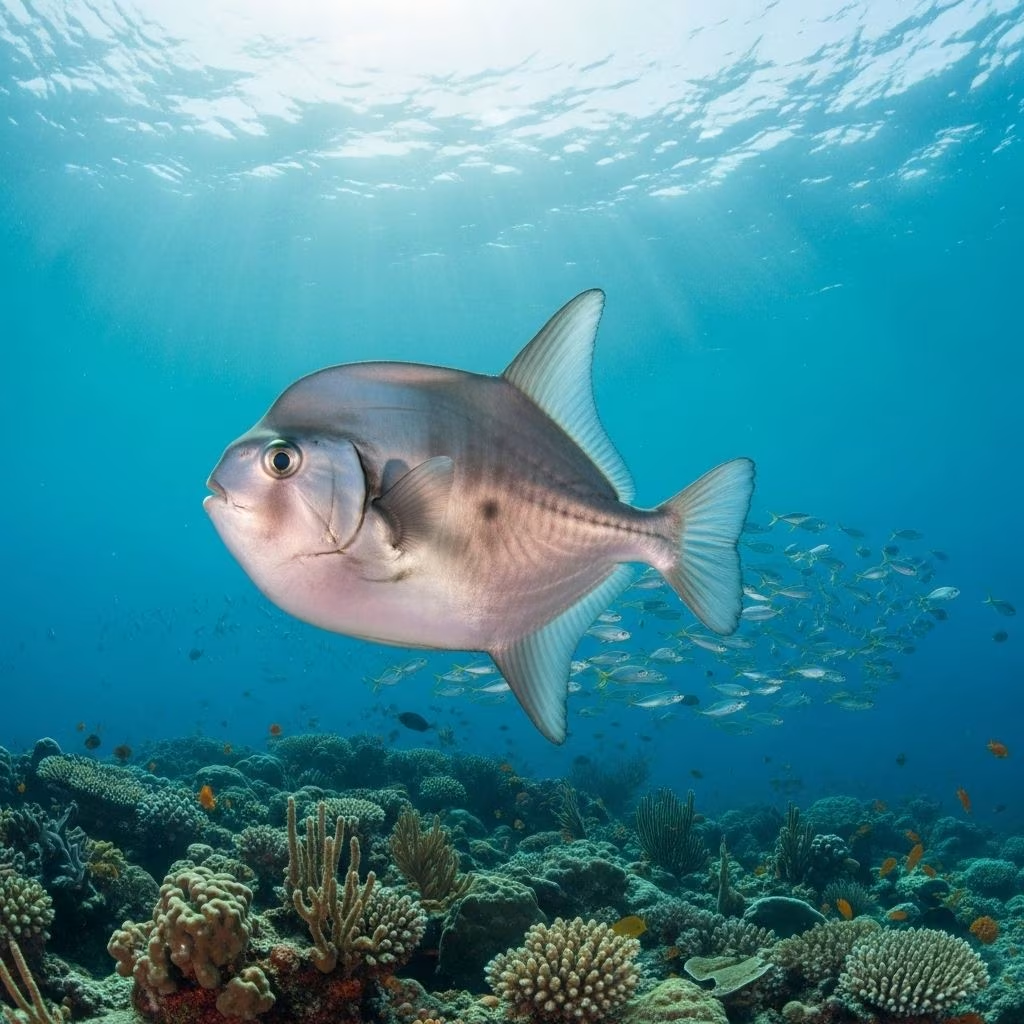
Moonfish, more commonly known as opah (Lampris guttatus), is an extraordinary oceanic species revered for its distinct appearance, rare biological capabilities, outstanding taste, and growing popularity in global cuisine. This comprehensive guide delves into everything you should know about moonfish, from its scientific wonders and health benefits to its culinary potential and consumer tips.
\n\n
Table of Contents
\n
- \n
- Overview: What Is Moonfish?
- Taxonomy and Species Diversity
- Biology, Anatomy, and Appearance
- Habitat, Distribution, and Lifecycle
- Unique Physiology: Warm-Blooded Fish
- Nutritional Value and Health Benefits
- Culinary Uses: Preparation and Cooking Methods
- Taste and Flavor Profile
- Sustainability and Conservation
- Buying and Storing Moonfish
- Frequently Asked Questions (FAQs)
\n
\n
\n
\n
\n
\n
\n
\n
\n
\n
\n
\n\n
Overview: What Is Moonfish?
\n
Moonfish, often called opah, is a strikingly colorful, deep-bodied fish found in temperate and tropical oceans around the globe. Famous for its round, almost disc-like body, it stands out for its vibrant colors, large eyes, and unique physiology. Moonfish are not only remarkable to marine biologists but are also gaining traction among chefs and seafood enthusiasts because of their versatile flesh and excellent flavor.
\n\n
Taxonomy and Species Diversity
\n
Opah belong to the family Lampridae, in the order Lampriformes. The main species found in cuisine and research are:
\n
- \n
- Lampris guttatus: The largest and most widely known species, often called the true opah or oceanic moonfish.
- Lampris immaculatus: A smaller, less commercially significant species.
\n
\n
\n
Recent studies indicate there may be up to five species of moonfish, reflecting diversifying populations and more discoveries in the deep ocean.
\n\n
Biology, Anatomy, and Appearance
\n
Moonfish are among the ocean’s most visually stunning fish. They are deeply keeled and laterally compressed, making them appear almost oval or disc-shaped from the side. Key anatomical features include:
\n
- \n
- Size: Adults can reach up to 2 meters (6.6 feet) in length and weigh as much as 270 kg (600 lbs).
- Coloration: Brilliant reddish-orange body with white spots on the flanks, a silvery belly that fades rose-pink, and striking vermilion (crimson) fins.
- Eyes: Large and golden-ringed, adapted for vision in deep water.
- Mouth: Small and toothless, reflecting their zooplanktivorous and piscivorous diet.
- Skin: Covered with minute, cycloid scales and an iridescent guanine coating that makes the fish shimmer.
- Fins: Falchion-shaped pectoral fins and a notched (emarginated) tail; dorsal and pelvic fins with elongated, curved rays.
\n
\n
\n
\n
\n
\n
\n
Their impressive fins, combined with a muscular build, grant them outstanding swimming endurance and speed, suited for their open-water lifestyle.
\n\n
Habitat, Distribution, and Lifecycle
\n
- \n
- Habitat: Opah are pelagic fish, living in open waters rather than coastal areas. They occupy { depth ranges between 50 meters to over 500 meters (up to 1,000 feet) }, but can dive deeper when foraging or migrating.
- Global Distribution: Found across the Atlantic, Indian, and Pacific Oceans, especially in temperate and tropical latitudes. Their range includes both hemispheres and is wide due to their migratory nature.
- Lifespan: Estimated up to 15 years in the wild.
- Behavior: Mostly solitary, though they occasionally school with tuna or billfish during feeding periods.
\n
\n
\n
\n
\n
Moonfish complete their entire lifecycle in salt water, with spawning presumed to occur in spring. Their larvae exhibit rapid transformation from slender hatchlings to the familiar deep-bodied adult form as they grow.
\n\n
Unique Physiology: Warm-Blooded Fish
\n
Moonfish are unique as the only known fully warm-blooded (endothermic) fish. This extraordinary adaptation distinguishes them from almost all other fish species:
\n
- \n
- While most fish are cold-blooded (ectothermic), opah maintain core body temperatures significantly above the surrounding water, often up to 5°C (41°F) higher.
- This is possible due to an intricate retia mirabilia system in their gills—a counter-current heat exchange network that enables complete body endothermy. Their large pectoral muscles generate heat, which is conserved and circulated throughout the core, including vital organs and the heart.
- As a result, opah enjoy evolutionary advantages like faster swimming, improved vision, heightened reaction times, and the ability to remain in deep, cold waters for extended periods without returning to the surface to warm up.
\n
\n
\n
\n
This trait has attracted attention from marine biologists and is considered pivotal in their ecological success as deep-water hunters.
\n\n
Nutritional Value and Health Benefits
\n
Moonfish is prized as a nutrient-rich, healthy seafood option. Its flesh is packed with essential nutrients, making it not only a gastronomic delight but also a wellness-boosting food.
\n
| Nutrient | Benefits |
|---|---|
| High-Quality Protein | Supports muscle growth and repair; satiating, low in carbohydrates |
| Omega-3 Fatty Acids | Improves heart health, reduces inflammation, and supports brain function |
| B Vitamins | Vitamin B6, B12, niacin, and riboflavin help energy metabolism and nervous system health |
| Vitamin D | Essential for bone strength and immune system regulation |
| Potassium & Selenium | Potassium supports cardiovascular health; selenium acts as an antioxidant |
\n
- \n
- Low in saturated fat and overall calories, making it suitable for a balanced, health-conscious diet.
- Minimal mercury risk compared to larger predatory fish; however, as with any seafood, consumption should be moderate, especially for pregnant women and young children.
\n
\n
\n\n
Culinary Uses: Preparation and Cooking Methods
\n
Opah is a versatile fish in the kitchen, comparable to favorites like tuna and swordfish, but with characteristics all its own. It yields several distinctive cuts, each suited to different culinary styles:
\n
- \n
- Upper loin (top loin): Firm, delicate flesh—excellent for grilling, searing, or raw preparations like sashimi and poke.
- Center-cut: Slightly fattier with a pronounced flavor—ideal for broiling, pan-frying, or baking.
- Belly: Rich and buttery, comparable to the prized ‘toro’ in tuna—best enjoyed raw or gently cooked to maintain tenderness.
\n
\n
\n
\n
Popular preparation methods include:
\n
- \n
- Raw: Sashimi, sushi, ceviche, carpaccio, or Hawaiian poke, leveraging its clean taste and firm yet supple texture.
- Grilled/Seared: Quick searing or grilling develops a flavorful crust and retains juiciness.
- Roasted/Baked: Whole fillets or thick steaks can be seasoned and roasted for a moist, flaky result.
- Stews/Curries: Its robust flesh holds up well in slow-cooked dishes, imparting rich flavor.
\n
\n
\n
\n
\n
Chefs also smoke, cure, or make opah jerky, taking advantage of its mild flavor and meaty consistency. The versatility of moonfish makes it a chef’s favorite in upscale and home kitchens alike.
\n\n
Taste and Flavor Profile
\n
Moonfish is celebrated for its mild, sweet flavor, and broad culinary appeal. Here’s what discriminating eaters and chefs should know:
\n
- \n
- Flavor: Described as clean, sweet, and subtly buttery without being oily; less “fishy” than many other species.
- Texture: Firm and “steaky,” yet tender — similar to swordfish, tuna, or halibut.
- Color: Raw flesh ranges from pale pink to orange-red, with belly cuts exhibiting a deeper hue due to higher fat content.
- After Cooking: Flesh becomes opaque and flakes slightly, but retains moisture and a pleasant, rich mouthfeel.
\n
\n
\n
\n
\n
Due to these attributes, moonfish adapts effortlessly to varying cooking techniques and diverse global cuisines, pairing well with citrus, Asian flavors, herbs, and olive oil.
\n\n
Sustainability and Conservation
\n
While opah populations are currently listed as Least Concern by the IUCN, overfishing and bycatch (accidental capture in tuna longline and drift nets) remain risks, particularly as demand rises. Key considerations:
\n
- \n
- Moonfish are not the target of most commercial fisheries but are caught as bycatch in tuna and swordfish operations.
- Global catch numbers have increased, especially in the Pacific, but populations appear stable for now.
- Sustainable seafood guides generally rank opah as a responsible choice, but consumers should look for fish sourced from well-managed or certified fisheries.
- Pollution and oceanic changes also pose threats, making traceability and responsible purchasing important for conservation.
\n
\n
\n
\n
\n
Check certifications or regional seafood advisories for the most up-to-date status, particularly if seeking the most sustainable option available.
\n\n
Buying and Storing Moonfish
\n
- \n
- Purchase opah as fillets, portions, or whole from reputable fishmongers or high-quality seafood suppliers.
- Look for firm, moist flesh with a clean, fresh smell (never fishy or sour). The color should be vibrant and free of discoloration.
- Store fresh moonfish in the coldest part of your refrigerator and use within 1–2 days for best quality. For longer storage, wrap tightly and freeze, where it will keep for several months.
- Thaw frozen moonfish slowly in the refrigerator before cooking to preserve its texture and flavor.
\n
\n
\n
\n
\n
Proper handling and prompt use ensure the delicate flavor and texture shine in any preparation.
\n\n
Frequently Asked Questions (FAQs)
\n
Q: Are moonfish and opah the same fish?
\n
A: Yes, “moonfish” and “opah” both refer to the Lampris guttatus species, though “opah” is the more widely used culinary and scientific term.
\n\n
Q: What does moonfish taste like?
\n
A: Moonfish has a mild, sweet flavor with a clean, buttery undertone. Its firm, moist texture is often compared to swordfish or tuna, making it suitable for a variety of preparations from raw to grilled.
\n\n
Q: Is moonfish healthy to eat?
\n
A: Moonfish is nutrient-dense, offering high-quality protein, omega-3 fatty acids, B vitamins, vitamin D, and minerals like potassium and selenium. It’s considered a healthy seafood choice when eaten in moderation.
\n\n
Q: Is moonfish high in mercury?
\n
A: While moonfish is generally lower in mercury than many larger predatory fish, it’s still advisable to consume in moderation, especially for sensitive groups like pregnant women and children.
\n\n
Q: How do you cook moonfish?
\n
A: Moonfish can be eaten raw (sashimi, poke, ceviche), grilled, broiled, baked, sautéed, or used in stews and curries. Each cut has a slightly different texture and flavor profile, offering versatility in the kitchen.
\n\n
Q: Where can I buy moonfish?
\n
A: Moonfish is increasingly available at specialty seafood markets, upscale grocery stores, and some online retailers. Ask for sustainable, traceable sourcing when possible.
\n\n
Q: Is moonfish endangered?
\n
A: No, moonfish (opah) is currently listed as Least Concern by the IUCN, but responsible purchasing is encouraged to safeguard healthy ocean ecosystems.
\n\n
Conclusion
\n
Moonfish (opah) stands among the ocean’s most fascinating and delicious species. Its warm-blooded physiology, brilliant appearance, healthful nutrients, and supreme versatility in the kitchen make it a standout for both scientists and culinary professionals. When sourced responsibly, opah can be a sustainable, delectable addition to your dining repertoire—perfect for adventurous foodies and health-conscious gourmets alike.
\n
References
- https://www.texassaltwaterfishingmagazine.com/fishing/education/fishy-facts/moonfish
- https://critter.science/the-moonfish/
- https://en.wikipedia.org/wiki/Opah
- https://www.fws.gov/story/opah-warmest-fish-cold-blue-sea
- https://www.fisheries.noaa.gov/species/opah
- https://fishbase.se/summary/Speciessummary.php?id=390
- https://myodfw.com/fishing/species/opah
- https://seafoods.com/glossary/moonfish


