


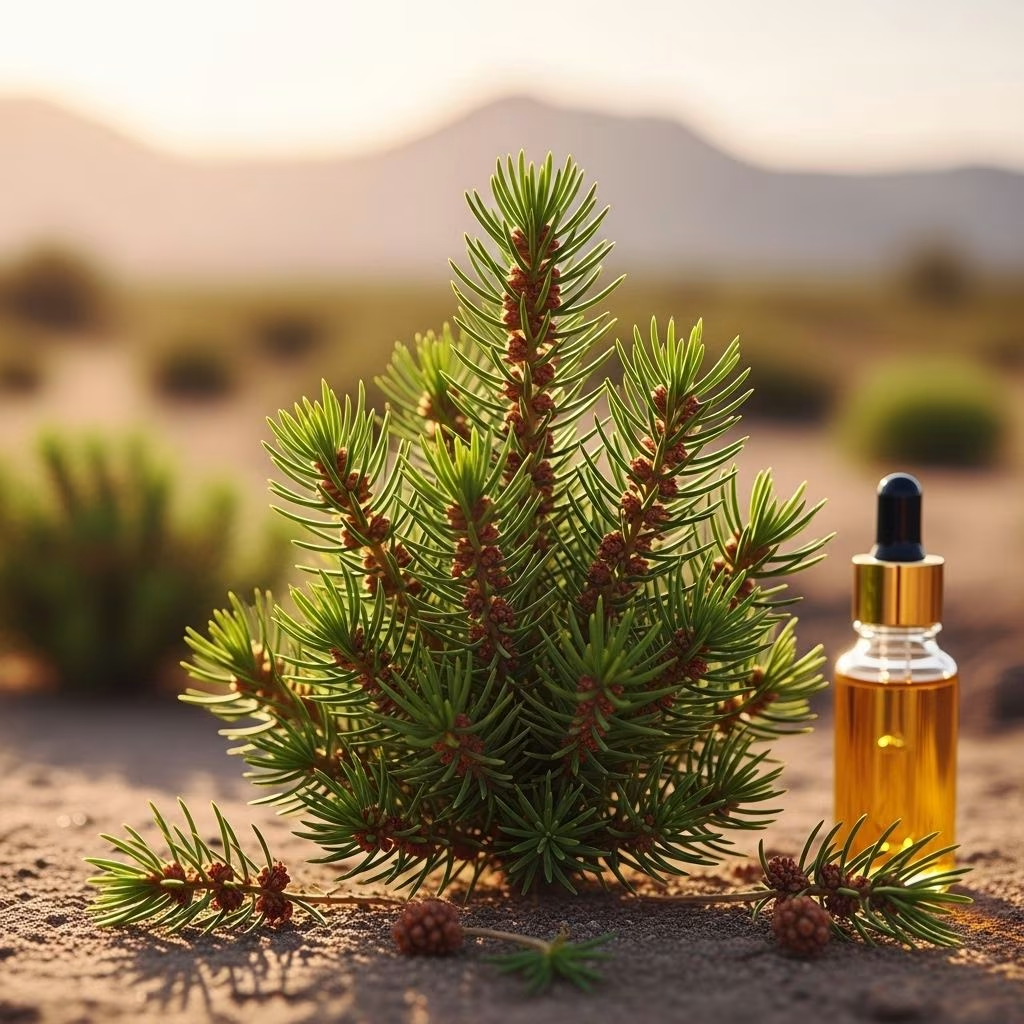
Mormon tea, also known as ephedra, is a perennial evergreen shrub with a rich history in traditional remedies and modern health discussions. This article offers extensive insight into its skin benefits, therapeutic uses, and side effects, supported by research and ethnobotanical records.
Introduction to Mormon Tea (Ephedra)
Ephedra is a genus of desert shrubs, widely recognized in North America as Mormon tea, joint-pine, or Brigham tea. Historically, it played a role in indigenous, folk, and even modern herbal medicine due to its stimulant compounds and purported therapeutic actions. The active ingredients, mainly ephedrine and similar alkaloids, have sparked both enthusiasm and controversy among users, researchers, and regulators .
Historical Overview
- The term “Mormon tea” often refers to several Ephedra species native to the southwestern United States, such as Ephedra viridis and Ephedra nevadensis .
- Native American and early settler communities brewed its stems into a caffeine-free herbal tea for various medicinal purposes, including as a mild stimulant and traditional remedy for ailments .
Botanical Profile & Distribution
Taxonomy
| Family | Ephedraceae |
|---|---|
| Genus | Ephedra |
| Common Names | Mormon Tea, Joint-pine, Jointfir, Brigham Tea |
| Notable Species | Ephedra viridis, Ephedra nevadensis, Ephedra trifurca, Ephedra distachya |
Description
- Lifespan: Perennial evergreen shrub .
- Growth Habit: Upright, broom-like with numerous parallel green stems; height usually from 8 inches up to 5 feet .
- Habitat: Sandy or rocky soils, arid regions, found across valleys, mesas, slopes, foothills, and alluvial fans .
- Distribution: Western North America, southern Europe, northern Africa, central and southwestern Asia, and parts of South America .
Traditional and Modern Uses of Mormon Tea
Ethnobotanical Applications
- Beverage Tea: Stems traditionally brewed into tea. Used by Native Americans, pioneers, and settlers for its stimulating and medicinal effects, though much milder than coffee or black tea .
- Medicinal Use: Used as a folk remedy for backache, colds, cough, asthma, kidney ailments, and as a diuretic.
- Other uses: Seeds sometimes ground to make flour or a coffee-like drink .
Modern Herbalism
- Dietary Supplements: The alkaloids, especially ephedrine, are included in some over-the-counter supplements for temporary relief from nasal congestion, bronchial asthma, or for weight loss.
- Due to its stimulant properties, ephedra was widely marketed for athletic performance and fat-burning until regulatory actions curbed its usage because of safety concerns.
Skin Benefits of Mormon Tea (Ephedra)
Mormon tea’s application to skin health is an evolving field, rooted in both traditional practice and emerging scientific research. Here’s what is currently known:
- Antioxidant Properties: Compounds in Ephedra have demonstrated antioxidant activity. Topical antioxidants can neutralize skin-damaging free radicals, potentially slowing visible signs of aging such as fine lines and dullness.
- Anti-inflammatory Effects: Traditional use includes applying decoctions or washes to soothe skin irritations, insect bites, or rashes. Anti-inflammatory effects may alleviate redness and swelling.
- Antimicrobial Activity: Some laboratory research suggests that extracts of Ephedra possess antimicrobial action, which may help prevent or relieve minor skin infections or speed up recovery of cuts and abrasions.
- Wound Healing: Ethnobotanical records mention the use of Ephedra poultices for wound healing or as a rinse for skin sores. The mechanisms could include astringent action, reducing weeping and promoting the closure of minor wounds.
It is important to note: There is limited high-quality clinical research specifically validating these skin benefits for Mormon Tea in modern topical products. Much of the supporting evidence remains anecdotal or based on small ethnopharmacologic studies.
Potential Topical Preparations
- Infusions or decoctions (for washes or compresses)
- Homemade ointments or balms (less commonly documented; typically as a minor ingredient in multi-herbal formulas)
Other Therapeutic Uses
- Respiratory Support: Used in both traditional Chinese medicine (ma huang) and Western herbalism for relieving congestion, bronchitis, and asthma symptoms. The plant’s alkaloids act as bronchodilators.
- Mild Stimulant: The native American tea was consumed for its stimulating effects, though weaker than caffeine. In modern times, purified alkaloids (ephedrine, pseudoephedrine) found in the plant have been abused or overused, prompting regulatory restrictions.
- Weight Loss: Ephedrine from Ephedra sinica and related species was common in weight loss supplements until its ban in several countries due to adverse cardiovascular effects.
- Diuretic Action: Traditionally used to promote urination and address minor kidney complaints.
Key Chemical Components in Ephedra
The health effects of Mormon Tea are closely related to its bioactive ingredients. The dominant class is alkaloids, although content varies dramatically between species and individual plants.
| Chemical | Role/Effect |
|---|---|
| Ephedrine | Main stimulant; bronchodilator, decongestant, potential cardiovascular stimulant |
| Pseudoephedrine | Mild stimulant; used as decongestant, less potent than ephedrine |
| Tannins | Astringent effect, potential aid in wound healing and skin tightening |
| Flavonoids | Antioxidant, anti-inflammatory |
- Ephedra viridis (Green Mormon Tea) native to North America, contains very low levels of ephedrine compared to Asian Ephedra sinica (ma huang), but still may exert weak stimulant effects .
Side Effects and Safety Considerations
The safety of both topical and internal use of Mormon Tea depends on preparation, dosage, species used, and individual health status.
Topical Side Effects
- Generally considered safe when used in small amounts as a wash or compress. Allergic reactions are possible, though rare; irritation or rash may occur in sensitive individuals.
- Risk increases if skin is broken or inflamed, or if concentrated extracts are used excessively.
Internal Use Side Effects
- Stimulant Effects: Palpitations, increased heart rate, nervousness, insomnia, or jitters may occur, especially with species high in ephedrine.
- Blood Pressure Concerns: Ephedrine can cause elevated blood pressure and increase cardiovascular risk in susceptible individuals.
- Toxicity in Animals: Green ephedra has documented toxicity in domestic sheep and cows, particularly pregnant animals, resulting in digestive distress or death. This highlights the importance of dose and species-specific differences .
- Drug Interactions: May interact negatively with other stimulants, decongestants, or medications for hypertension and cardiovascular disease.
- Pediatric and Pregnancy Risks: Not recommended due to lack of data and increased sensitivity to alkaloids in these populations.
How to Use Mormon Tea Safely
General Guidelines
- Use topical preparations only on intact skin and in small, diluted quantities first to test for any reaction.
- If consuming infusions, ensure the species has low ephedrine content and consult an herbalist or medical professional for guidance.
- Always avoid use if pregnant, breastfeeding, hypertensive, or taking stimulant medications unless specifically advised by a qualified professional.
Common Topical Recipe
- Steep 1–2 teaspoons of dried stems in 1 cup of boiling water for 10–15 minutes. Cool to lukewarm, then apply as a gentle compress or rinse to minor skin irritations.
- Discontinue use if redness, blistering, or itching occurs.
Frequently Asked Questions (FAQs)
Q: Is it safe to use Mormon Tea on my skin for eczema or rashes?
A: Many traditional practices include Mormon Tea washes for irritated or inflamed skin. However, its effectiveness for chronic skin conditions like eczema lacks strong scientific validation, and allergic reactions are possible. Patch testing and consulting a healthcare provider are advised.
Q: Does Mormon Tea contain caffeine?
A: No, Mormon Tea is naturally caffeine-free. Its traditional stimulant effects come from ephedrine and related alkaloids, not caffeine.
Q: Can Mormon Tea help with acne?
A: While some of the plant’s antimicrobial and anti-inflammatory actions may theoretically support skin health, there is insufficient direct evidence for its efficacy against acne. Use with caution and as part of a comprehensive skincare approach.
Q: Who should avoid using Mormon Tea, internally or externally?
A: Pregnant women, children, people with cardiovascular conditions, hypertension, or known sensitivities to stimulants should avoid both internal and topical use unless supervised by a medical professional.
Summary & Key Takeaways
- Mormon Tea (Ephedra) is valued in folk and traditional medicine for a variety of uses, including as a skin wash and mild stimulant.
- Its skin benefits include potential anti-inflammatory and antimicrobial effects, primarily documented in anecdotal or ethnobotanical sources.
- Safety concerns stem from its stimulant alkaloids, especially ephedrine. American species like Ephedra viridis have lower content than Asian varieties, but caution remains warranted.
- Topical application is generally low-risk but should be tested on a small area before routine use. Internal consumption, especially high-ephedrine species or extracts, carries more significant risks.
- Consult a qualified provider before introducing Mormon Tea to your health or skincare regimen, particularly if you have medical conditions or take medication.
All information in this article is intended for educational purposes and does not replace professional medical advice. For individualized recommendations, consult a healthcare provider or trained herbalist.
References
- https://en.wikipedia.org/wiki/Ephedra_(plant)
- https://extension.usu.edu/rangeplants/shrubs-and-trees/ephedra-green
- https://navajorange.nmsu.edu/detail.php?id=61
- https://plants.usda.gov/plant-profile/EPVI
- https://plants.usda.gov/classification/15691
- https://www.invasive.org/browse/subinfo.cfm?sub=40837&fam=2195
- https://explorer.natureserve.org/Taxon/ELEMENT_GLOBAL.2.137122/Ephedra_viridis
- https://coloradoplants.jeffco.us/plant/details/394


