


Introduction
Mutton bird tallow, while lesser-known compared to other animal fats such as beef tallow or pork lard, is a traditional rendered fat offering a compelling blend of nutritional, culinary, and practical benefits. Derived from sheep (often from fat surrounding the kidneys and internal organs), this substance has been a part of global food cultures and industries for centuries. It’s gaining renewed popularity for its applications ranging from the kitchen to skincare.
What is Mutton Bird Tallow?
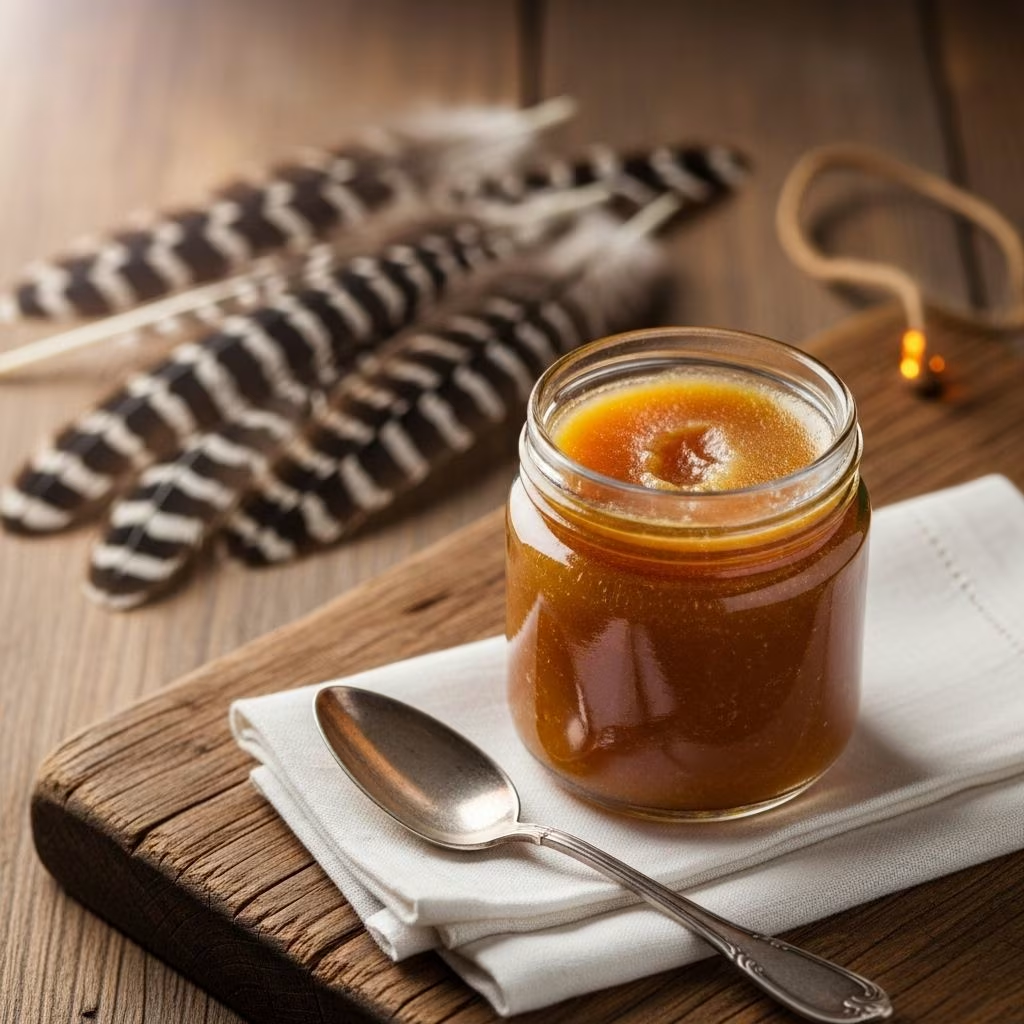
Mutton tallow is a rendered fat extracted from the adipose tissue of sheep. It undergoes a process called rendering—gently heating the fat until it separates from connective tissue and muscle, resulting in a pure fat which is solid at room temperature and an excellent source of dense energy . Though beef tallow is more common, mutton tallow is prized in culinary traditions that appreciate its distinct qualities and flavor.
- Source: Fat surrounding sheep’s internal organs, mainly kidneys.
- Process: Slow heating (rendering) to separate fat from animal tissue.
- Appearance: Pale yellow to white, solid at room temperature.
- Storage: Highly stable and can be stored unrefrigerated for up to a year when sealed properly .
Historical Context
Mutton tallow has a rich history intertwined with ancient and rural food cultures. It served as a staple fat in both traditional recipes and household products before the widespread adoption of vegetable oils and industrial fats.
Nutritional Profile of Mutton Tallow
Mutton tallow provides essential nutrients and fatty acids, making it a beneficial addition to diets that prioritize animal-based foods . The composition generally includes:
| Component | Details |
|---|---|
| Saturated Fat | High (primarily stearic acid and palmitic acid) |
| Monounsaturated Fat | Oleic acid, palmitoleic acid |
| Polyunsaturated Fat | Low levels |
| Vitamins | Vitamin D, Vitamin E |
| Minerals | Selenium |
| Conjugated Linoleic Acid (CLA) | Linked with fat reduction and metabolic benefits |
Compared to vegetable oils and processed fats, mutton tallow’s high saturated fat content ensures outstanding stability under heat and long shelf life. Its fatty acid profile closely resembles beef tallow, with an additional 10% trans fatty acids naturally occurring .
Health Benefits
Mutton tallow is not just a source of energy—it offers several notable health benefits, particularly when included in balanced, traditional diets.
- Fat Loss & Metabolism
Contains CLA (conjugated linoleic acid), which has been connected to appetite control and supporting body composition changes, including improved lean muscle tone and metabolic function . - Supports Skin Health
Rich in fatty acids (palmitoleic, oleic, stearic), it helps maintain skin hydration and a healthy barrier. Topical application may improve skin tone, reduce dryness, and enhance overall skin protection . - Keto and Carnivore-Friendly
As an all-animal fat, mutton tallow fits perfectly in ketogenic and carnivore diets. It plays a role in lowering inflammation and oxidative stress, and may help facilitate weight loss due to its unique fat composition . - High Smoke Point
Mutton tallow has a smoke point upwards of 400°F (204°C), making it ideal for frying, sautéing, and roasting without compromising flavor or producing unhealthy breakdown products . - Long Shelf Life
Its solid structure and resistance to oxidation mean it can be stored for extended periods without refrigeration if kept airtight .
Culinary Uses
One of the main reasons mutton tallow is valued by chefs and home cooks alike is its versatility and performance in cooking.
Popular Culinary Applications
- Frying and Sautéing: The high smoke point prevents burning and produces crisp, flavorful results in everything from potatoes to fried meats.
- Baking: Used in pie crusts or biscuits for a tender, flaky texture and a hint of savory depth.
- Roasting: Ideal for roasting vegetables and meats, infusing them with rich flavor.
- Gravy and Sauces: Forms an excellent base for gravies, stews, and sauces, enhancing both flavor and mouthfeel.
- Pâtés and Terrines: Traditional recipes often call for animal fat to add structure and richness.
Flavor Considerations in Cooking
Mutton tallow imparts a distinctive, robust, and savory undertone to dishes, which can be more pronounced than its beef counterpart. Its natural umami notes are highly prized in traditional regional cuisines.
Traditional & Industrial Uses
Historically, mutton tallow was utilized far beyond the kitchen.
- Mutton Bird Tallow Candles: Preferred before the widespread availability of wax and paraffin. These candles provided cheap, practical lighting in homes for centuries .
- Soap Making: Tallow is foundational in traditional soap production due to its ability to create hard, long-lasting bars with excellent cleansing properties .
- Lubricant and Conditioner: Used in wood, leather, and metalworking as a natural lubricant and softener .
- Textile Industry: Mutton tallow is a softener, lubricant, and sizing agent in textile manufacturing .
- Animal Feed: Cracklings and greaves, the byproducts of rendering, have been incorporated into animal food .
- Biodiesel: Serves as a raw material in some biodiesel and oleochemical production .
While modern petrochemicals have replaced tallow in many industries, there is a resurgence of interest due to its environmental sustainability and minimal processing requirements compared to synthetic alternatives.
Skincare and Other Applications
Mutton tallow’s unique fatty acid composition makes it a favorite for natural skincare products. Its history as a skin balm and healing salve runs deep in rural traditions .
- Moisturizers and Balms: Provides deep hydration and forms a protective barrier to retain moisture and support skin repair.
- Healing Salves: Used as a base for herbal ointments and remedies for dry skin, cuts, and abrasions.
- Candles and Soaps: Adds hardness and lather to artisan soaps. Tallow candles burn clean and steady compared to some other fats.
With renewed interest in simple, natural ingredients, mutton tallow’s hypoallergenic and non-comedogenic properties are appreciated by those with sensitive or compromised skin.
Taste of Mutton Bird Tallow
The taste of mutton tallow is one of the defining reasons for its continued importance in traditional and gourmet cuisine.
- Rich and Savory: Offers a pronounced, robust umami flavor with mild gamey undertones, lending depth to meat dishes and gravies.
- Distinctive: More intense than beef tallow, with subtle earthy notes reflecting the sheep’s diet and pasture.
- Enhances Natural Product Taste: Provides a warming, satisfying mouthfeel and supports the traditional character of recipes from regions where sheep are central to the local diet.
Unlike neutral vegetable oil, mutton tallow is valued for complementing and intensifying natural ingredients in savory dishes. Some may find its assertiveness unfamiliar—but for enthusiasts, it encapsulates the essence of rustic culinary tradition.
Sourcing and Storage
- How to Source: Rendered directly from sheep fat purchased from butchers or small farms, or bought as a finished product from specialty retailers.
- Home Rendering: Suet can be gently heated with water in a slow cooker or heavy-bottomed pan, then strained and set to solidify for use.
- Choosing Quality: Grass-fed sheep produce tallow with a more desirable fatty acid profile and deeper yellow color, reflecting vitamin content.
- Storage Tips: Keep in an airtight glass jar in a cool, dark place. Properly rendered tallow will last a year or more without refrigeration, so long as moisture and contaminants are excluded .
Environmental Considerations
Choosing mutton tallow supports sustainable farming and nose-to-tail cooking philosophies, helping reduce food waste and reliance on industrially processed oils.
Frequently Asked Questions (FAQs)
Q: Is mutton tallow healthier than vegetable oil?
A: Mutton tallow is high in saturated and monounsaturated fats, which are stable under heat. Unlike highly processed vegetable oils, traditionally produced mutton tallow does not contribute to arterial damage and is considered health-promoting, especially when sourced from grass-fed sheep .
Q: Does mutton tallow taste gamey?
A: Mutton tallow has a distinctive, robust flavor that can be slightly gamey depending on the sheep’s diet, but this is often prized in traditional cooking .
Q: Can mutton tallow be used for vegan skincare?
A: No—mutton tallow is an animal product. Those seeking plant-based alternatives should try butters from coconut or shea instead.
Q: What is the difference between beef tallow and mutton tallow?
A: Both are rendered animal fats. Mutton tallow is extracted from sheep, and beef tallow from cattle. Mutton tallow usually has a stronger flavor and may contain slightly more trans fat naturally .
Q: What dishes are best prepared with mutton tallow?
A: Dishes requiring depth and savory richness, such as roasted potatoes, fried meats, traditional pies, and rustic stews.
Conclusion
Mutton bird tallow represents a bridge between the ancient and the modern kitchen—a time-tested, nutrient-rich fat prized for its versatility, stability, and distinctive flavor. It has found rebirth among chefs, nutritionists, and natural lifestyle enthusiasts seeking honest, sustainable, and healthful ingredients. With benefits ranging from improved skin health and metabolic support to superior cooking performance and a taste that evokes the essence of mutton-rich culinary cultures, mutton tallow deserves a place in the conversation around traditional fats and holistic wellness.
References
- https://carnivorestyle.com/what-is-mutton-tallow/
- https://www.youtube.com/watch?v=1Vj6QFbdsTI
- https://pittsburgherhighlandfarm.com/tallow-and-its-uses/
- https://www.wikidoc.org/index.php/Tallow
- https://en.wikipedia.org/wiki/Tallow
- https://truorganicbeef.com/blogs/beef-wiki/what-is-suet-and-tallow-difference
- https://www.thepioneerwoman.com/food-cooking/cooking-tips-tutorials/a65586700/what-is-beef-tallow/
- https://www.merriam-webster.com/dictionary/tallow
- https://www.primaledgehealth.com/uses-for-beef-tallow/


