


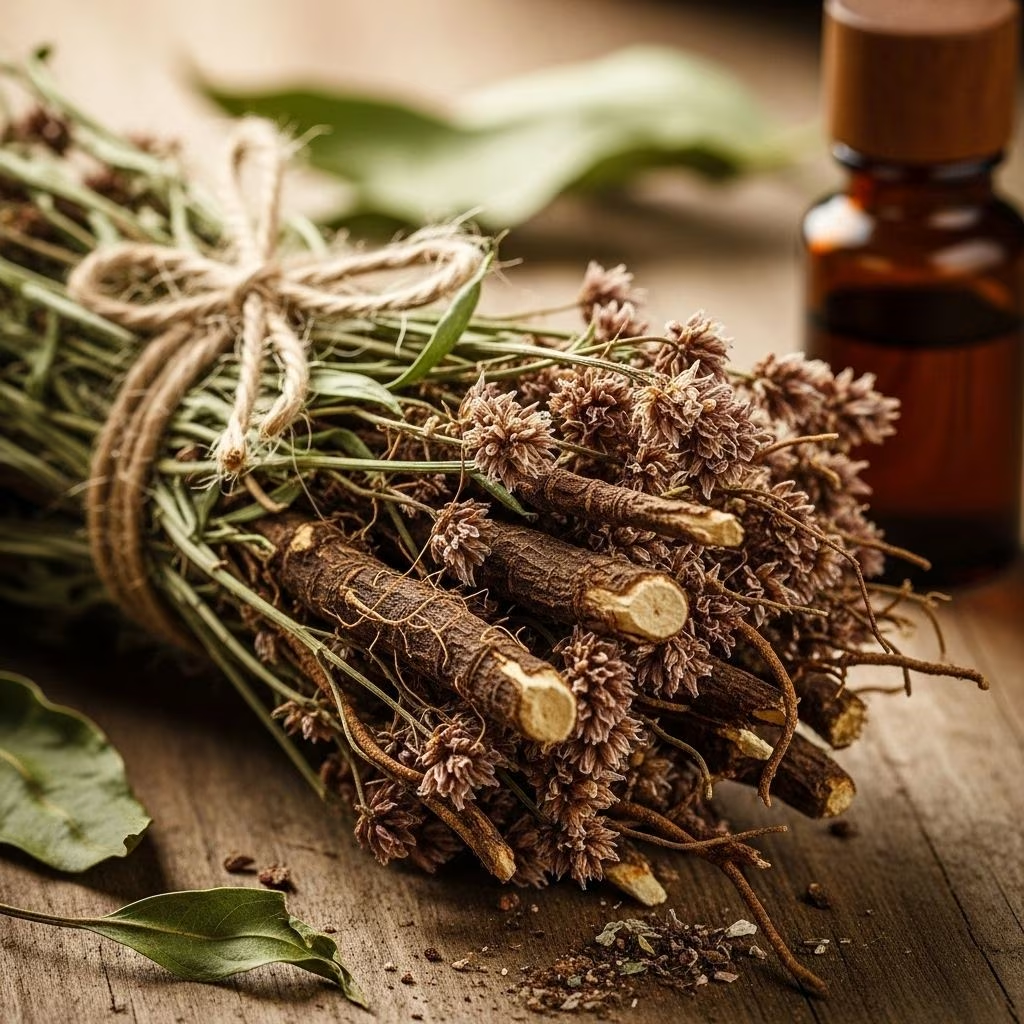
Introduction to Nard (Spikenard)
Nard, also known as spikenard, nardin, or muskroot, is a perennial herb renowned for its intensely aromatic roots. It has held a significant position in ancient medicine, perfumery, religious rituals, and culinary traditions, especially across cultures embracing natural remedies and aromatics. The potent essential oil extracted from nard’s roots is highly prized for its therapeutic benefits and unique scent, making it a sought-after botanical substance for thousands of years.
Botanical Profile & Historical Background
Nardostachys jatamansi is the sole species in the genus Nardostachys and belongs to the honeysuckle family (Caprifoliaceae). This plant grows as a shrubby perennial, typically reaching heights between 10 cm to 50 cm (4–20 in). It is adorned with delicate pink, bell-shaped flowers during its blooming period. The most valuable part of the plant is its rhizomes—underground stems that are crushed and distilled into a thick, amber-colored essential oil. This oil comprises the basis for nard’s medicinal and aromatic uses throughout history.
- Common Names: Spikenard, nard, nardin, muskroot, Indian nard.
- Category: Perennial, herbaceous.
- Family: Caprifoliaceae (honeysuckle family).
With references spanning Biblical times—including in the Song of Solomon and in the Gospel of John—nard has maintained recognition as a substance of deep symbolic, religious, and therapeutic importance.
Occasionally, “spikenard” is used to refer to Aralia racemosa, the American spikenard, native to North America. However, true nard is derived from Nardostachys jatamansi, found chiefly in the Himalayan regions.
Species, Habitat, and Geographic Distribution
Nardostachys jatamansi flourishes within the high altitudes of the Himalayas—primarily spanning Kumaon, Nepal, Sikkim, Bhutan, northern Myanmar, western, and central China.
| Region | Elevation Range | Habitat Characteristics |
|---|---|---|
| Himalayas (Nepal, Sikkim, Bhutan, Kumaon) | 3000–5000 meters (9800–16400 ft) | Rocky alpine meadows, forest edges, moist soils |
| Northern Myanmar, Western & Central China | 3000–5000 meters | High-altitude forested slopes and grasslands |
The plant prefers fertile, moist soils and partial shade, adapting well to forest floors and open, rocky patches. Its high-elevation habitat contributes to its resilient chemistry and intense aroma.
Key Therapeutic Benefits of Nard
Over centuries, nard has garnered acclaim for a range of medicinal applications, owing to its complex blend of phytochemicals and essential oils. Modern scientific research is beginning to validate many traditional claims, though much of the evidence remains preliminary.
- Calming and Sedative Properties
Nard is widely recognized for its ability to induce relaxation and support restful sleep. The essential oil acts as a natural sedative—often used in herbal medicine to alleviate insomnia, anxiety, and nervous tension. - Respiratory Relief
When inhaled or diffused, nard oil can help relieve symptoms of colds, coughs, and nasal congestion by clearing respiratory passages and calming irritation. - Hormonal Support and Women’s Health
Historically, nard has been prescribed to ease birth difficulties and menstrual problems, reflecting its perceived balancing effects on hormones and reproductive health. - Antimicrobial and Anti-inflammatory Effects
Preliminary studies highlight nard’s potential antimicrobial and anti-inflammatory activity—supporting wound healing and skin health. The application of nard oil in poultices or balms may reduce swelling and fight minor infections. - Cognitive and Emotional Well-being
Aromatherapists prize spikenard for its grounding qualities; it is thought to enhance emotional stability, mental clarity, and spiritual focus during meditation and prayer. - Digestive Aid
Traditional medicine systems occasionally use nard to support appetite, ease indigestion, and settle the stomach.
While nard’s therapeutic profile is rich, its use should be approached thoughtfully, since intense essential oils may induce adverse reactions in sensitive individuals.
Traditional and Contemporary Uses
Nard finds numerous applications across cultures, ranging from sacred rituals to contemporary wellness routines.
- Perfume and Incense
Nard oil’s rich, musky scent makes it a valued ingredient in perfumes, incense, and personal care products. Its ability to linger and evoke emotional calm is highly prized. - Herbal Medicine
Tinctures, infusions, and topical applications are traditional delivery methods—targeting sleep, inflammation, respiratory complaints, and reproductive health. - Aromatherapy
Diffusing nard oil in living spaces or meditation rooms is believed to support tranquility, inner peace, and spiritual connection. - Culinary
Although rare, nard root has been used as a seasoning or flavoring agent in select cuisines, imparting an earthy, woody undertone to dishes. - Ornamental Gardening
Especially American spikenard (Aralia racemosa), this plant’s showy foliage and berry clusters appeal within native or shade gardens. - Cultural and Ritual Use
Nard’s role in religious anointing and rituals endures; sacred texts reference its use in purification, consecration, and burial practices.
Contemporary markets embrace both Himalayan nard and American spikenard for their ornamental, herbal, and aromatic appeal.
Taste and Aroma Profile
Nard’s flavor and aroma are complex, earthy, musky, woody, and slightly bitter. Its essential oils yield a robust, lingering scent—described as intensely aromatic, reminiscent of wet earth, moss, or balsamic notes. The root can impart a faintly bitter, pungent taste when used in small culinary quantities, though it is far better known for its aromatic qualities than its flavor.
- Primary Taste Notes: Bitter, earthy, slightly sweet, warm, musky.
- Aroma: Persistently spicy, woody, balsamic, with subtle floral undertones.
- Usage Tips: Due to its intensity, nard is rarely used as a primary culinary ingredient but may be included in herbal teas, tonics, or complex spice blends for depth of flavor.
Nard’s scent often forms the base note in perfumes, paired with lighter florals or citrus to build a complex bouquet.
Cultural and Religious Significance
Nard’s significance stretches back millennia, with references in ancient texts such as:
- The Song of Solomon and other Biblical passages—honoring nard as a symbol of devotion, luxury, and sacred anointing.
- Jewish traditions, where nard featured in the holy anointing oil described in the Torah.
- Ancient Greek and Roman cultures, which utilized nard for perfuming baths, personal care, and ceremonial offerings.
- Ayurvedic and Traditional Chinese Medicine (TCM), prescribing nard for mental health, inflammation, and sleep support.
The enduring presence of nard in rituals—from Christian burial rites to Asian healing practices—attests to its unique combination of symbolic, aromatic, and therapeutic power.
Conservation and Sustainability Concerns
Nardostachys jatamansi has been listed as endangered due to overharvesting for folk medicine, perfumery, and ritual use, coupled with habitat degradation in its native Himalayan belt. Sustainability efforts are crucial to protect wild populations:
- Overharvesting: Intensive root extraction for commercial oil production threatens wild nard stock.
- Habitat Loss: Grazing, deforestation, and land development reduce available environments for nard growth.
- Conservation Initiatives: Projects focus on regulated harvesting, replanting, cultivation trials, and ecological education to maintain biodiversity.
- Consumer Awareness: Choosing nard products sourced through ethical, sustainable methods helps support conservation goals.
American spikenard (Aralia racemosa), while botanically distinct, is less threatened and more commonly cultivated for ornamental use in North America, offering an alternative for gardeners and herbalists.
Frequently Asked Questions (FAQs)
Q: Is nard the same as spikenard?
A: Yes, ‘nard’ and ‘spikenard’ are interchangeable terms referring primarily to Nardostachys jatamansi. However, in North America ‘spikenard’ may also denote American spikenard (Aralia racemosa), which possesses different physical and chemical characteristics.
Q: What does nard smell like?
A: Nard oil has an intensely earthy, musky, spicy aroma with woody and balsamic undertones—often described as grounding, soothing, and persistent.
Q: Can nard be consumed?
A: Traditionally, nard root has been used in herbal teas and folk remedies, though its primary applications are topical or aromatic. Culinary use is rare and limited to small, flavor-enhancing quantities—owing to its bitter, pungent profile.
Q: Is nard safe to use?
A: Nard essential oil is generally safe when used appropriately in aromatherapy or diluted for topical application. Sensitive individuals may experience skin irritation or allergic reactions. Always perform a patch test and consult a healthcare practitioner before use.
Q: How is nard oil extracted?
A: Nard oil is extracted by crushing the plant’s rhizomes and distilling them to yield a thick, amber-colored essential oil. The process is labor-intensive and requires significant plant material.
Q: Where can I grow nard?
A: True nard (Nardostachys jatamansi) requires cool, moist, alpine environments with partial shade—typically found at high elevations. American spikenard is suitable for woodland or shade gardens in temperate climates.
Conclusion
Nard is a compelling botanical resource whose roots bridge ancient spiritual traditions and modern holistic health. With its highly aromatic oil, robust pharmacological potential, and rich cultural history, nard occupies a unique niche in herbal medicine, perfumery, and ritual. Balancing its many benefits with respect for sustainable cultivation remains critical to preserving this precious Himalayan herb for future generations.
References
- https://en.wikipedia.org/wiki/Nardostachys
- https://gobotany.nativeplanttrust.org/species/aralia/racemosa/
- https://kb.jniplants.com/spikenard-aralia-racemosa
- https://www.britannica.com/plant/spikenard-plant-Nardostachys-genus
- https://wildplantculture.com/home/spikenard
- https://www.planetayurveda.com/library/jatamansi-nardostachys-jatamansi/
- https://oshadhi.co.uk/kb/all-about-spikenard-essential-oil/
- https://www.avogel.ca/en/plant-encyclopedia/aralia-racemosa.php


