


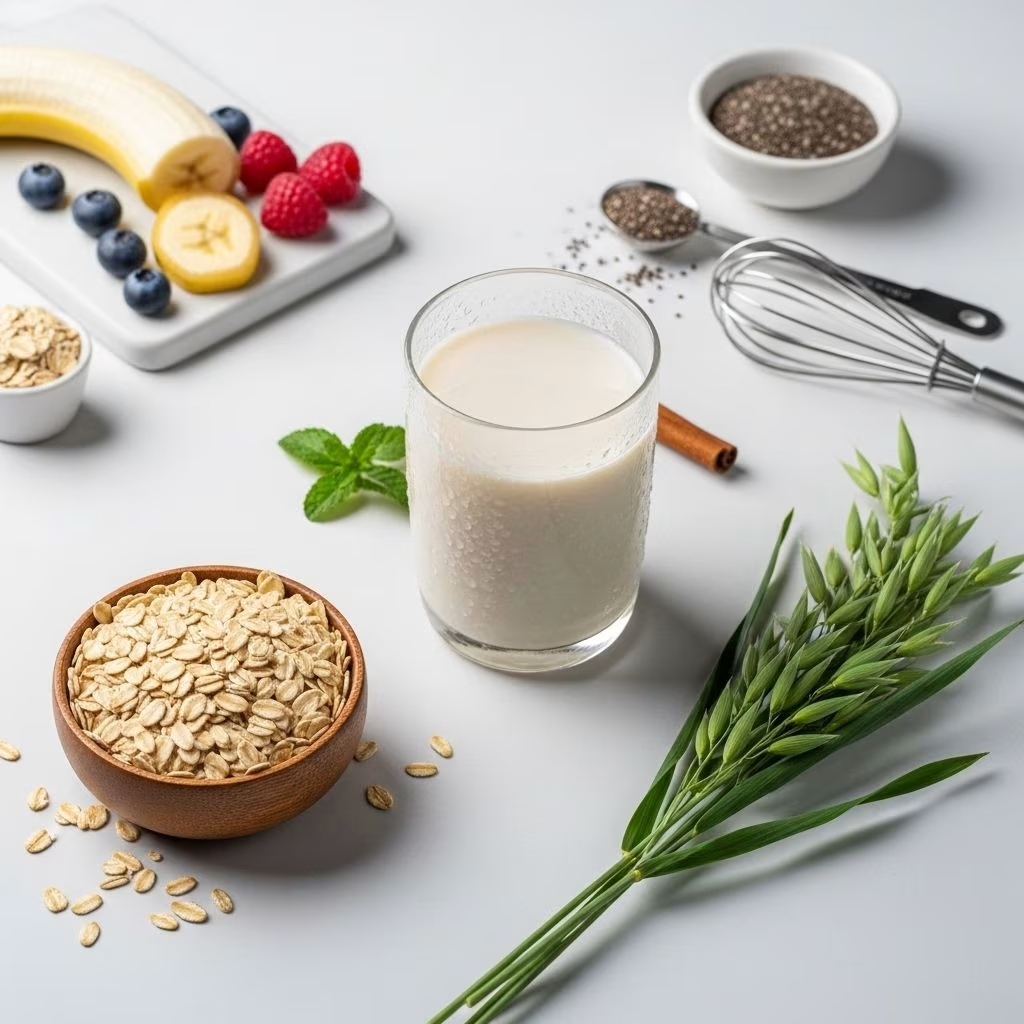
What Is Oat Milk?
Oat milk is a plant-based, non-dairy beverage made by extracting nutrients and plant material from whole oat grains and water. It was first developed in the 1990s by Rickard Öste and is now one of the most popular milk alternatives in coffee shops and grocery stores worldwide. Oat milk stands out for its creamy, smooth mouthfeel and mild, naturally sweet flavor, making it a favorite among those seeking dairy-free options.
Unlike cow’s milk, oat milk is naturally lactose-free, making it suitable for people with lactose intolerance, dairy allergies, or those following plant-based diets. It is also a sustainable choice, with a significantly lower water footprint and greenhouse gas emissions compared to conventional dairy milk.
How Is Oat Milk Made?
Both commercial and homemade oat milk production start with whole oats and water, but the processes differ in scale and complexity.
Commercial Oat Milk Production
- Oats are harvested and cleaned to remove any foreign objects.
- The grains are dehulled to remove the inedible outer husk, then milled into a fine flour.
- Oat flour is mixed with water and enzymes (such as alpha-amylase) to break down starches into simple sugars, enhancing flavor and digestibility.
- The slurry is cooked to improve texture and nutrient availability, then centrifuged to separate liquid oat milk from the solid pulp.
- The liquid is homogenized for a smooth consistency and often fortified with vitamins and minerals.
- Finally, the milk is treated via UHT (Ultra-High Temperature) processing for shelf stability and packaged in sterile containers, allowing months of room-temperature storage.
Homemade Oat Milk
- Oats are soaked in water for about 30 minutes to soften.
- The soaked oats are drained and then blended with fresh water at a ratio of about 1:2.7 oats to water.
- The mixture is strained through a cheesecloth or nut milk bag to remove solids.
- Optional flavorings (salt, vanilla, sweeteners) may be added before a final strain and transfer to a sealed container for refrigeration.
Oat Milk Taste and Texture
Oat milk is prized for its creamy, smooth texture—closer to cow’s milk than many other plant-based alternatives. Its mouthfeel makes it an excellent choice for lattes, cappuccinos, and other beverages that benefit from creaminess.
The flavor is mild and naturally sweet, reminiscent of oatmeal but less overpowering than soy or nut milks. Commercial brands often fortify oat milk with additional nutrients, and some add flavors like vanilla or chocolate for variety.
Nutritional Profile
Unfortified oat milk is lower in calcium, iron, and vitamin A than cow’s milk, but most commercial products are fortified to match these nutrients. Oat milk is also lower in fat and protein than dairy or soy milk but is a good source of fiber and complex carbohydrates.
| Nutrient | Oat Milk (per 200g, commercial, fortified)* | Cow’s Milk (per 200g, whole) |
|---|---|---|
| Calories | 90–120 | 120–140 |
| Protein | 2–4g | 7–8g |
| Fat | 2–5g | 7–8g |
| Carbohydrates | 16–20g | 12g |
| Fiber | 2g | 0g |
| Calcium | 40% DV (fortified) | 30% DV |
| Vitamin D | 25% DV (fortified) | 25% DV |
*Values are approximate and can vary by brand. DV = Daily Value.
Health Benefits of Oat Milk
- Heart Health: Oat milk contains beta-glucans, a type of soluble fiber linked to reduced cholesterol levels and improved heart health.
- Digestive Health: The fiber content promotes healthy digestion and may help prevent constipation.
- Bone Health: Fortified oat milk provides calcium and vitamin D, essential for bone strength.
- Lactose-Free: Suitable for those with lactose intolerance or dairy allergies.
- Low in Saturated Fat: Oat milk is naturally low in saturated fat, supporting cardiovascular health.
- Plant-Based: It fits vegan and vegetarian diets and contributes to sustainable eating habits.
- Blood Sugar Control: The beta-glucans may help moderate blood sugar levels, making oat milk a reasonable choice for people with diabetes.
Uses of Oat Milk
Oat milk’s creamy texture and mild flavor make it incredibly versatile:
- Beverages: Ideal for coffee, tea, smoothies, and hot chocolate. Its frothability makes it a favorite in specialty coffee shops.
- Breakfast: Pairs well with cereals, granola, oatmeal, and overnight oats.
- Baking: Substitutes for cow’s milk in cakes, muffins, pancakes, and other baked goods.
- Cooking: Works in creamy sauces, soups, mashed potatoes, and vegan macaroni and cheese.
- Desserts: Used in custards, puddings, and ice cream for a creamy, dairy-free alternative.
Unlike some plant milks (e.g., almond, cashew), oat milk generally does not impart a strong nutty flavor, making it more neutral for both sweet and savory dishes.
Environmental Impact
Oat milk is one of the most eco-friendly plant-based milks. It uses significantly less water and produces lower greenhouse gas emissions compared to dairy and other plant-based alternatives:
| Milk Type | Water Use (liters per 200g) | Greenhouse Gas Emissions (kg CO₂eq per 200g) |
|---|---|---|
| Cow’s Milk | 131 | 0.62 |
| Almond Milk | 74 | 0.16 |
| Rice Milk | 56 | 0.23 |
| Oat Milk | 9 | 0.19 |
| Soy Milk | 2 | 0.21 |
Oat milk’s low water footprint (9 liters per 200g glass) and relatively low emissions make it a sustainable choice for environmentally conscious consumers.
Oat Milk vs. Other Plant Milks
| Oat Milk | Almond Milk | Soy Milk | Rice Milk | Coconut Milk |
|---|---|---|---|---|
| Creamy, smooth, slightly sweet | Thin, nutty, sometimes watery | Creamy, beany, less sweet | Watery, sweet, mild | Rich, creamy, coconutty |
| Low in protein, carbs vary, some fiber | Low in protein, carbs, and calories | High in protein, carbs vary | Low in protein, high in carbs | Low in protein, high in saturated fat |
| Low environmental impact | High water use (almond farming) | Low-moderate impact | Moderate water use | Moderate impact |
| Allergen: gluten (if not certified gluten-free) | Allergen: tree nuts | Allergen: soy | Allergen: none common | Allergen: coconut |
Oat milk is often chosen for its creamy texture and environmental credentials, while soy milk remains the highest in protein. Almond and coconut milks are lower in calories but may be less sustainable or suitable for those with nut allergies.
How to Make Oat Milk at Home
Making oat milk at home is simple and allows customization for taste and nutrition:
- Ingredients: Rolled oats (1 cup), water (2.7 cups), optional add-ins (vanilla extract, salt, sweetener).
- Soak: Soak oats in warm water for about 30 minutes.
- Blend: Drain and blend oats with fresh water until smooth (approx. 30–60 seconds).
- Strain: Pour through a nut milk bag, cheesecloth, or fine sieve to remove solids.
- Flavor: Add optional ingredients (vanilla, salt, sweetener) and blend briefly.
- Final Strain: Strain again for extra smoothness if desired.
- Store: Refrigerate in an airtight container. Shake well before using as separation is normal.
Homemade oat milk is best used within 3–5 days, as it lacks the preservatives and UHT treatment of commercial versions.
FAQs
Is oat milk gluten-free?
Oats are naturally gluten-free, but cross-contamination with gluten-containing grains is common. Look for certified gluten-free oat milk if you have celiac disease or gluten sensitivity.
Is oat milk suitable for people with nut allergies?
Yes, oat milk is nut-free, making it a safe choice for those with nut allergies.
How does oat milk compare nutritionally to cow’s milk?
Oat milk is lower in protein but often fortified with vitamins and minerals. It is naturally low in saturated fat and cholesterol and includes beneficial fiber not found in cow’s milk.
Why does homemade oat milk sometimes have a slimy texture?
Sliminess can occur if oats are overblended or soaked too long. Blend just until smooth and strain promptly to avoid this issue.
Can I cook and bake with oat milk?
Yes, oat milk works well in most recipes that call for cow’s milk, including soups, sauces, baked goods, and desserts.
How long does oat milk last?
Homemade oat milk lasts 3–5 days in the fridge. Commercial UHT oat milk can last several months unopened and a week or more after opening.
Is oat milk environmentally friendly?
Yes, oat milk has a much lower water footprint and greenhouse gas emissions than dairy milk and is more sustainable than almond milk.
Can I make barista-style oat milk at home?
While commercial barista blends are specially formulated for frothing, you can achieve a creamy texture at home by using a high-powered blender and experimenting with emulsifiers like sunflower lecithin.
References
- https://making.com/oat-milk
- https://oatentik.com/blogs/nutrition/how-is-oat-milk-made
- https://en.wikipedia.org/wiki/Oat_milk
- https://koatji.com/blogs/news/understanding-oat-milk-whats-in-it-and-how-its-made
- https://www.foodunfolded.com/article/oat-milk-how-its-made
- https://foodcrumbles.com/how-oat-milk-is-made/
- https://www.krones.com/en/products/plant-based-drinks.php
- https://www.youtube.com/watch?v=4NRIDzlM-cg


