


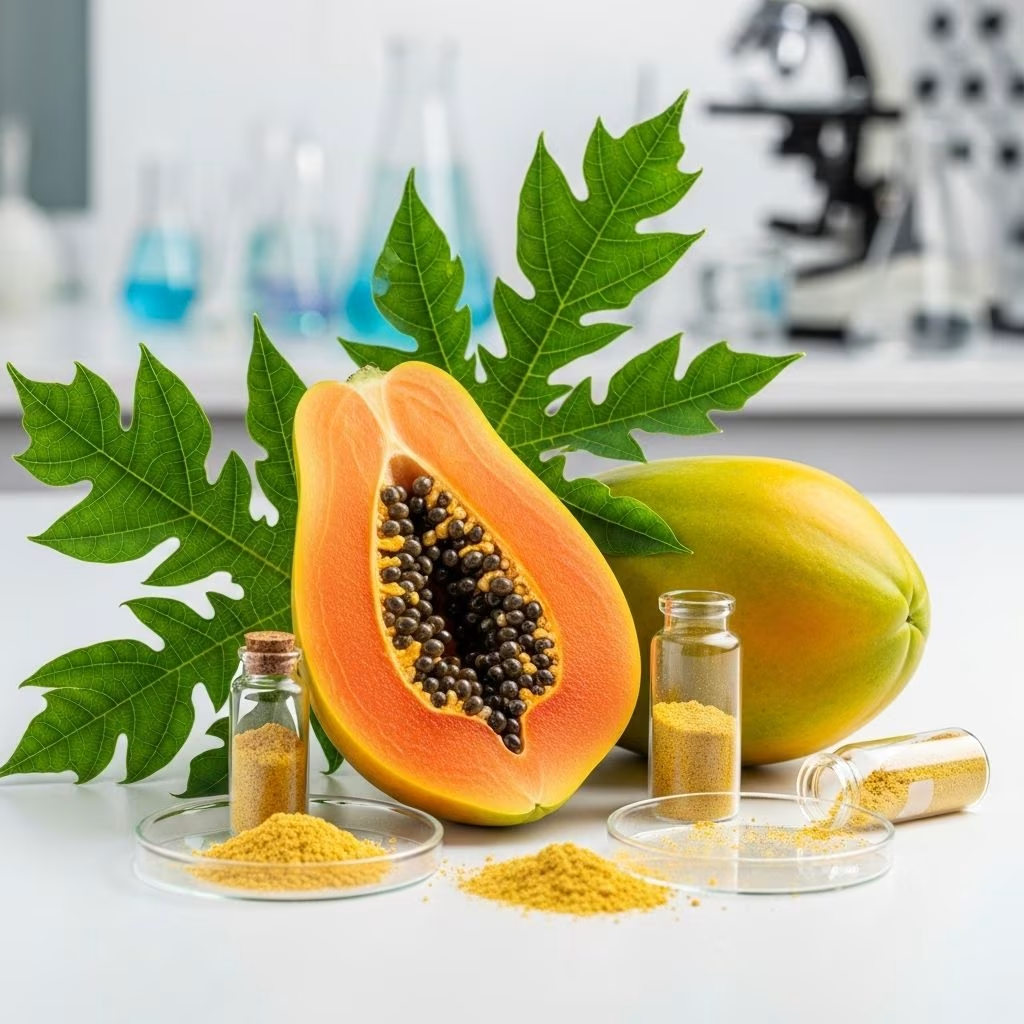
Papain, often referred to as papaya proteinase I, is a powerful proteolytic enzyme sourced from the fruit of the papaya tree (Carica papaya), with remarkable applications in health, industry, and gastronomy. This article explores the origins, molecular features, health benefits, diverse uses, and taste of papain, drawing on up-to-date scientific and medical research.
What Is Papain?
Papain is a cysteine protease enzyme designated as EC 3.4.22.2, predominantly found in the latex of papaya fruit (Carica papaya) and mountain papaya (Vasconcellea cundinamarcensis). As the namesake of the papain-like protease family, papain is renowned for its ability to break peptide bonds in proteins, an attribute that plays vital roles in digestion, medicine, and industry.
Origin and Discovery
The natural source of papain is the unripe papaya fruit, which contains latex rich in the enzyme. Traditionally, indigenous people used papaya extracts to tenderize meat and treat digestive ailments, long before the enzyme was isolated and characterized by biochemists.
Family and Related Enzymes
Papain-like proteases are found in various life forms including plants, fungi, bacteria, and animals. These proteins may possess both exo- and endopeptidase activity, giving papain a broad substrate range.
Structural Features and Properties of Papain
Papain is a single-chain globular protein composed of 212 amino acids and stabilized by three to four disulfide bridges, contributing to its remarkable thermal and chemical stability. The enzyme has a molecular weight of approximately 23,406 Da.
- Three-Dimensional Structure: Features two distinct domains separated by a cleft that contains the active site.
- Catalytic Residues: Central to its function are cysteine-25 and histidine-159, with the arrangement known as the catalytic diad.
- Optimal Activity: Papain displays an optimal temperature between 60–70°C, and functions best at a pH of 6.0–7.0, though it remains active across a much broader pH range.
- Stability: Defiant to high concentrations of denaturants like 8M urea or 70% ethanol and resistant to elevated heat, making papain suitable for a range of industrial applications.
Amino Acid Sequence and Propeptide Activation
Papain is synthesized as an inactive proenzyme (zymogen), with an N-terminal propeptide that is critical for proper folding, membrane association, and inactivation before activation through proteolytic cleavage.
| Property | Description |
|---|---|
| Molecular Weight | ~23,406 Da |
| Number of Amino Acids | 212 |
| Optimal pH | 6.0–7.0 (functional range 3.0–9.0) |
| Optimal Temperature | 60–70°C |
| Disulfide Bridges | Three to four |
Biological Role and Mechanism
Papain catalyzes the hydrolysis of protein peptide bonds, especially those involving basic amino acids such as arginine and lysine as well as those following phenylalanine. Its proteolytic activity enables:
- Breakdown of complex proteins into smaller peptides and amino acids
- Digestion and nutrient absorption in plant and animal physiology
- Activation through removal of propeptide regions
The mechanism centers around nucleophilic attack by cysteine on the peptide bond of the substrate, a process stabilized by the nearby histidine residue in the enzyme’s active site.
Health Benefits of Papain
Extensive research and traditional medicine have attributed numerous health benefits to papain intake and topical use. Some of the most recognized effects include:
Digestive Aid
- Papain assists in protein digestion by helping to break down large protein molecules into smaller, absorbable units.
- Used to alleviate symptoms of indigestion, bloating, and discomfort following high-protein meals.
Anti-inflammatory Effects
- Exhibits anti-inflammatory properties, helping reduce swelling and pain associated with surgery, trauma, or chronic inflammatory disorders.
- Sometimes taken to lessen post-surgical edema and promote healing.
Antimicrobial and Antifungal Action
- Papain demonstrates antibacterial and antifungal activities, contributing to wound healing and infection prevention when applied topically.
- Helps treat skin ulcers, infected wounds, and insect bites.
Immune Modulation
- Some evidence suggests papain may support immune responses and help in tackling autoimmune inflammation.
- Used as a complementary therapy for various diseases, subject to ongoing research.
Potential Anticancer Properties
- Preliminary studies indicate papain may assist in tumor therapy, especially as an adjunct to reduce side effects of radiation, although more evidence is needed to confirm clinical efficacy.
Other Noted Benefits
- Reduces muscle soreness after exercise
- May help in the management of parasitic infections
- Used to treat symptoms of hay fever, diarrhea, and skin conditions such as psoriasis
Industrial and Commercial Uses
Papain’s versatility goes well beyond health and wellness; it functions as a key ingredient across several industries:
- Food Industry:
- Meat tenderizer, breaking down tough muscle proteins for improved texture and palatability.
- Clarification agent for beers and juices.
- Pharmaceuticals:
- Component in digestive aids and anti-inflammatory drug formulations.
- Used for wound debridement creams and gels.
- Cosmetics and Personal Care:
- Natural exfoliant in topical skin products and face masks.
- Ingredient in toothpaste for stain removal.
- Contact lens cleaning solutions for protein deposit removal.
- Textiles & Leather:
- Softens leather and prepares textiles during processing.
- Other Sectors:
- Clarification agent for photographic films.
- Used in enzyme research as a model protease.
Culinary Uses and Taste Profile
Papain’s longstanding reputation in world cuisine stems from its ability to break down proteins, transforming tough meats into tender, flavorful dishes.
Meat Tenderizing
- How It Works: Papain hydrolyzes peptide bonds, softening muscle fibers and connective tissue.
- Usage: Sold as a powdered ingredient, it is sprinkled on meat before cooking or used in marinades. Popular in Asian, Latin American, and Caribbean cookery.
- Benefits: Not only tenderizes, but can also shorten cooking time and help maintain juiciness.
Taste and Sensory Characteristics
- Flavor: Pure papain has a subtle taste, described as slightly bitter or earthy. In culinary use, it contributes mainly to texture rather than imparting strong flavor notes.
- Bitterness: Overuse can leave a faint bitterness, so dosage must be controlled in recipes.
- Sensory Effects: Can alter mouthfeel, making meats silkier and easier to chew.
Other Culinary Uses
- Plant-based protein hydrolysis for novel meat alternatives.
- Clarification of fruit juices and alcoholic beverages (removes haze-causing proteins).
Safety, Dosage, and Side Effects
Though generally safe at recommended doses, papain supplements or extracts can cause adverse effects in sensitive individuals.
- Common Side Effects: Nausea, stomach upset, allergic reactions (especially in those with latex allergy), irritation if applied to broken skin.
- Serious Risks: High doses have been linked to esophageal perforation and other gastrointestinal harm in rare cases.
- Contraindications: Do not use papain supplements during pregnancy or while taking blood thinners, as it may increase bleeding risk.
- Regulatory Status: Considered safe by regulatory authorities when used in food products; medicinal use should follow healthcare guidance.
Frequently Asked Questions (FAQs)
Q: What is the main function of papain in the human body?
A: Papain aids in protein digestion, helping break down large molecules into absorbable amino acids, and may also reduce inflammation and promote healing.
Q: Can papain help with wound healing?
A: Yes, topical papain can help debride dead tissue and speed wound recovery, with demonstrated antibacterial and antifungal effects.
Q: Is papain safe for everyone?
A: Most people tolerate food-grade papain well, but individuals with latex allergy, pregnant women, and those on anticoagulants should avoid supplements or consult their doctor before use.
Q: How is papain obtained from papaya?
A: Papain is extracted from the latex of unripe papaya fruit, purified, and sometimes further processed for industrial applications.
Q: Does papain have a strong taste?
A: Papain itself has a mild, sometimes slightly bitter flavor. Its main effect in food is on texture, not taste.
Conclusion
Papain is a versatile enzyme with roots in nature and tradition, now widely recognized for its utility across medicine, food science, cosmetics, and industry. Its proteolytic power unlocks nutritional and therapeutic benefits, supports modern manufacturing, and transforms culinary experiences through exceptional meat tenderization. As scientific research continues, new applications and understandings of papain are likely to emerge, making it a fixture in studies of enzymology, nutrition, and biochemistry.
References
- https://www.sigmaaldrich.com/US/en/technical-documents/technical-article/research-and-disease-areas/metabolism-research/papain
- https://thescipub.com/pdf/ajbbsp.2012.99.104.pdf
- https://en.wikipedia.org/wiki/Papain
- https://infinitabiotech.com/blog/papain-enzyme/
- https://www.britannica.com/science/papain
- https://pmc.ncbi.nlm.nih.gov/articles/PMC8468764/
- https://fiveable.me/key-terms/principles-food-science/papain
- https://www.webmd.com/vitamins/ai/ingredientmono-69/papain


