


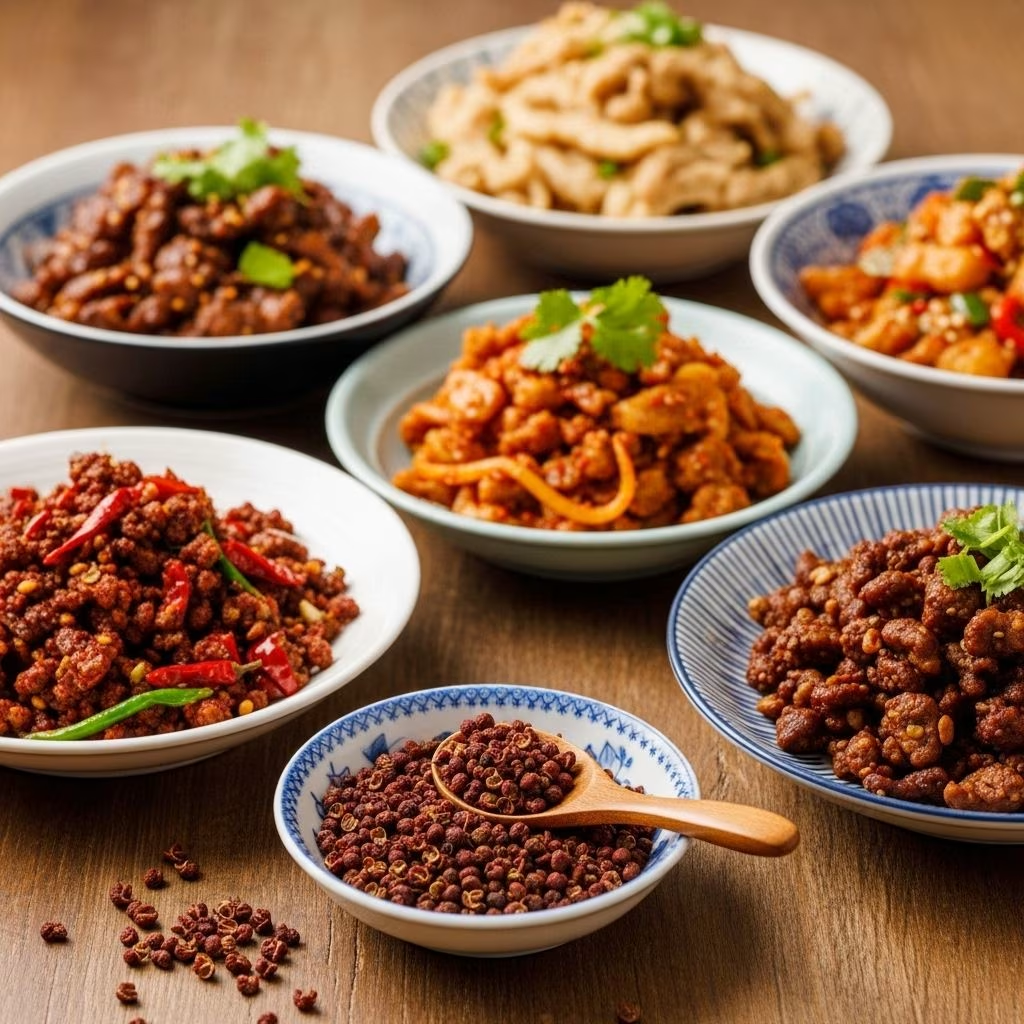
Sichuan peppercorn brings a vibrant, numbing sensation beloved in Chinese cuisine, especially from the Sichuan province. Combining intense flavor, aromatics, and the signature ‘ma’ (tingling) effect, these little spice berries add depth, complexity, and magic to numerous Chinese dishes. This guide explores the best Sichuan peppercorn recipes and provides foolproof methods for using them to achieve restaurant-quality results at home.
What Are Sichuan Peppercorns?
Sichuan peppercorn (hua jiao) is a spice derived from the prickly ash shrub, used extensively in Sichuan cuisine. Unlike black pepper or chili, Sichuan peppercorn imparts a tingling, numbing effect known as ‘ma,’ followed by a citrusy aroma and a mild peppery bite. They come in two main varieties:
- Red Sichuan peppercorns: Warm, woodsy, and slightly lemony, commonly used for classic dishes and chili oil.
- Green Sichuan peppercorns: Brighter, more floral, and intensely numbing, perfect for fresh and vibrant sauces.
Sichuan peppercorns are not hot in the traditional sense but add a unique sensory dimension, especially when paired with chili peppers to create the beloved ‘mala’ (numbing-spicy) flavor profile.
How to Prepare and Cook With Sichuan Peppercorns Perfectly
Using Sichuan peppercorns effectively is crucial to achieving authentic flavor and the characteristic numbing sensation. Follow these expert tips for the best results:
- Toasting: Lightly toast Sichuan peppercorns in a dry pan over low heat for 1-2 minutes until fragrant. This activates their essential oils and softens any bitterness.
- Grinding: After cooling, grind toasted peppers with a mortar and pestle or spice grinder for use in sauces, rubs, or as a finishing touch. Sift to remove gritty husks if desired.
- Infusing: Heat whole peppercorns in oil over low heat to make Sichuan peppercorn oil, ideal for dressing salads or finishing hot dishes.
- Balancing Flavor: For best results, pair peppercorns with chili, garlic, ginger, soy sauce, and a touch of sweetness to create a harmonious, layered flavor profile.
- Using Whole vs. Ground: Whole peppercorns add bursts of numbing flavor to braises or deep-fried dishes, while ground or infused forms provide even heat throughout sauces and batters.
Always use fresh or high-quality peppercorns for optimal aroma and effect. Avoid eating the black seeds inside, as they can be gritty and lack the essential oils—use the husks only.
Essential Sichuan Peppercorn Recipes
Explore these signature recipes that showcase Sichuan peppercorns’ unique qualities. Each recipe includes chef-tested tips for perfect results.
Sichuan Peppercorn Chicken (Tengjiao Ji)
This dish highlights both the numbing fragrance and succulent chicken, making it a must-try for peppercorn lovers.
- 2 chicken legs (bone-in preferred), poached and chilled
- 1 thumb ginger, sliced
- 2 scallions
- 1 tsp whole Sichuan peppercorns
- 1 tbsp Shaoxing wine
- Sauce:
- 2 tbsp green Sichuan peppercorns
- 1 tbsp red Sichuan peppercorns
- 3 long fresh chili peppers, chopped
- 1 tbsp light soy sauce
- 1 tbsp oyster sauce
- 2 tsp salt
- 1 cup chicken stock (cooled)
- 1 cucumber, peeled and smashed
- A small bunch of cilantro
- ¼ tsp white pepper
Instructions:
- Bring water, scallion, ginger, and 1 tsp Sichuan peppercorns to a boil. Add chicken; simmer until cooked through. Chill in ice water, cut into large pieces, and plate with smashed cucumber.
- For the sauce: Heat 2 tbsp oil, add garlic and ginger, sauté until aromatic, then add both red and green Sichuan peppercorns and chili. Gently fry for more fragrance, add cool chicken stock, soy, oyster sauce, salt, white pepper. Pour over the chicken, garnish with cilantro. Let soak for 30 minutes before serving for best flavor penetration.
Chicken Stir Fry With Sichuan Peppercorns
This quick-fry classic brings out the ma la (numbing-spicy) sensation with well-balanced sauce and succulent chicken pieces.
- 12 oz boneless chicken thighs, diced
- 3 tsp Shaoxing wine or dry sherry
- 1 tsp cornstarch
- 1 tbsp Chinkiang black vinegar (or balsamic)
- 1 tsb sesame oil
- 8 dried red chilies
- 1 tsp ginger, thinly sliced
- 1 clove garlic, thinly sliced
- ¼ tsp roasted and ground Sichuan peppercorns
- 1 scallion, chopped
- 1 tbsp black soy sauce
Instructions:
- Marinate chicken in wine, cornstarch, salt, and pepper. Combine soy, vinegar, sesame oil, sugar, chili oil, and chicken stock for the sauce.
- Stir-fry dried chilies in hot oil, then add chicken to brown. Remove and set aside.
- In the same pan, stir-fry ginger, garlic, ground Sichuan peppercorns, and scallion. Return chicken, pour in sauce; cook until thickened. Discard chilies, and serve hot.
Classic Mapo Tofu
Mapo Tofu is the ultimate Sichuan ‘mala’ comfort dish, loved for its creamy tofu, spicy sauce, and numbing finish.
- 1 block silken tofu, blanched and cubed
- 2 tbsp Sichuan peppercorn oil or 1 tbsp toasted peppercorns
- 1 tsp ginger, grated
- 1 tsp garlic, minced
- 1 tbsp Doubanjiang (fermented chili bean paste)
- ½ tsp black bean paste
- ½ cup chicken stock
- 1 tsp cornstarch slurry
- Chopped green onion to garnish
Instructions:
- Sauté garlic and ginger in Sichuan peppercorn oil. Add Doubanjiang and black bean paste, fry until fragrant.
- Add blanched tofu, pour in stock, simmer gently. Thicken with cornstarch. Finish with a sprinkle of ground Sichuan peppercorn and fresh scallions for classic aroma and bite.
Spicy Fried Chicken (Lazi Ji)
This fried chicken explodes with crispiness, aromatic chilies, and addictive numbing taste. Use boneless or bone-in chicken as you prefer.
- 300g chicken, cubed
- 1 tbsp dark soy sauce
- 1 tbsp Chinese cooking wine
- 1 egg
- ½ cup cornstarch
- Plenty of dried Sichuan chilies (bullet variety preferred)
- 1 tbsp Sichuan peppercorns (red recommended)
- Spring onion, chopped
- Ginger, garlic, peanuts (optional)
Instructions:
- Marinate chicken with soy sauce, wine, and egg, then coat with cornstarch.
- Fry chicken until crispy; drain. Stir-fry dried chilies and Sichuan peppercorns in hot oil, add chicken, toss with aromatics and spring onion.
Sichuan Peppercorn Oil
An essential condiment for dressing, finishing, and dips, this oil brings a vivid, flowery fragrance and gentle numbing effect.
- 3 tbsp Sichuan peppercorns (blend of red and green for depth)
- 1 cup neutral oil
- 1 piece star anise (optional)
- 3 slices ginger (optional)
Instructions:
- Gently heat oil with peppercorns, star anise, and ginger over low heat; never let it smoke. Infuse until fragrant, then strain. Store in a clean jar and use within one month.
Recipe Variations and Modern Twists
Modern chefs and passionate home cooks are reimagining Sichuan peppercorns in global recipes:
- Sichuan Spiced Salt: Toasted and crushed with flaky salt for use on fries, tempura, or popcorn chicken.
- Salt & Pepper Shrimp: Classic Cantonese fried shrimp, elevated with Sichuan peppercorn for extra tingle.
- Peppercorn Chocolate: Infuse cream for ganaches or sprinkle ground peppercorn over dark chocolate desserts for a citrus-buzz kick.
- Vegetarian Adaptations: Use in tofu, mushrooms, or even eggplant stir fries for plant-based mala meals.
Experiment by adding ground Sichuan peppercorn to spice rubs, vinaigrettes, or as a finishing dust on fresh fruit like pineapple or orange slices.
Pairing Suggestions and Serving Ideas
- Neutral rice, noodles, or congee are ideal to soften the impact of ‘mala’ flavors and balance out spice intensity.
- Pickled vegetables or smashed cucumbers offer cooling relief alongside numbing dishes.
- Light lagers, jasmine tea, or citrus-based cocktails complement numbing and spicy flavors, keeping meals refreshing.
Garnish peppercorn-centric dishes with fresh coriander, scallion, or toasted sesame seeds for brightness and texture.
How to Store and Source Sichuan Peppercorns
- Store peppercorns in a cool, dark place in an airtight container. For peak potency, use within one year.
- Whole peppercorns last longer than ground or pre-crushed spice.
- Source from reputable spice markets, Asian grocers, or trusted online vendors. Authentic peppercorns should have a vibrant color and citrusy aroma, not a musty or woody odor.
Proper storage preserves flavor and the numbing effect, which diminishes over time.
Frequently Asked Questions (FAQs)
Q: How do I avoid too much numbing sensation in my dish?
A: Start with a small amount of toasted peppercorn, taste, and adjust gradually. Pair with chili and acid (vinegar or citrus) to balance out the numbing effect. Avoid eating whole peppercorns unless you enjoy strong “ma.”
Q: Can I substitute black or white pepper for Sichuan peppercorn?
A: No, the effect and flavor are unique—Sichuan peppercorn’s citrusy and numbing qualities cannot be replaced by other peppers.
Q: Are Sichuan peppercorns spicy?
A: They are *not* hot like chili peppers. They provide a tingling, buzzing sensation on the tongue (numbing) and a fragrant, lemony aroma, best enjoyed paired with spicy chili for the signature ‘mala’ experience.
Q: My peppercorns taste bitter, what am I doing wrong?
A: Overheating or burning can cause bitterness. Always toast them gently at low heat, and sift out any black seeds or stems before cooking.
Q: What’s the difference between red and green Sichuan peppercorns?
A: Red varieties are warmer, woodsy, and traditional for sauces. Green ones are brighter, more lemony, and more intensely numbing—excellent for vinaigrettes and summer dishes.
Q: How much should I use for a dish?
A: For a dish serving 2-4, start with ½ – 1 teaspoon of whole or freshly ground Sichuan peppercorns, adjusting up to taste after tasting the finished sauce or dish.
Q: Are there any health benefits?
A: Traditional Chinese medicine values Sichuan peppercorn for its warming qualities, aid in digestion, and circulation. Used in moderation, it adds both flavor and potential health benefits to your meals.
Conclusion
Sichuan peppercorn unlocks a world of vibrant, numbing, and aromatic flavors that define some of the world’s most exciting dishes. Mastering its use takes only a few simple techniques and the right recipes—soon you’ll be bringing authentic Sichuan magic to your table every time.


