


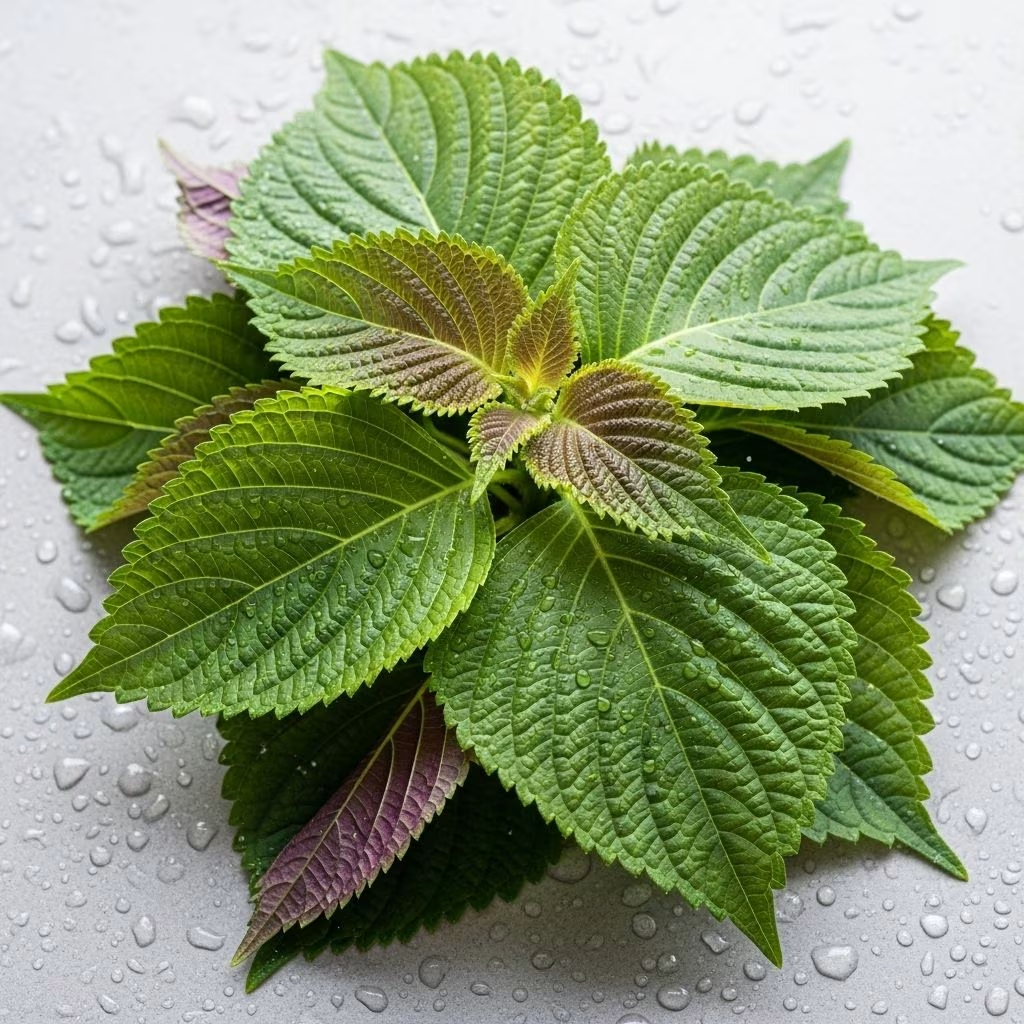
Perilla leaf, an aromatic and leafy herb from East Asia, is celebrated for its culinary versatility, health-promoting properties, and striking appearance. With a heritage rooted in Korean, Japanese, Chinese, and Vietnamese cuisine and medicine, perilla’s influence spans centuries. This article delivers an in-depth exploration into what perilla leaf is, its origins, nutritional profile, traditional and modern uses, health benefits, and why its vibrant taste has chefs and nutritionists alike taking note.
Introduction to Perilla Leaf
Perilla leaf, primarily known by its botanical name Perilla frutescens, is an annual herb belonging to the Lamiaceae (mint) family. Known variously as shiso in Japan and kkaennip in Korea, it is prized for both its culinary and medicinal qualities. The plant’s leaves, with their broad, serrated, and sometimes purple-tinted appearance, have made a name for themselves in kitchens and pharmacies throughout Asia .
Botanical Background and Origin
Native to the Himalayas and East Asia, perilla has adapted to a range of climates and is now found throughout China, Japan, Korea, Vietnam, India, and even parts of North America and Europe. Its remarkable resilience stems from its ability to grow quickly in diverse soils and tolerate heat and drought, which, combined with prolific seed dispersal, has also made it an invasive species in some regions .
| Botanical Name | Perilla frutescens |
|---|---|
| Common Names | Perilla, Beefsteak plant, Shiso (Japan), Kkaennip (Korea) |
| Family | Lamiaceae (mint family) |
| Native Regions | Himalayas, Southeast Asia |
| Growth Habit | Annual herb, up to 90 cm tall |
| Flowering Season | Late summer to fall |
Appearance and Characteristics
The perilla plant is defined by its bushy stature, typically growing 60–90 cm (24–35 in) tall. Its leaves are:
- Broad, oval to ovate in shape with pointed ends
- Serrated or saw-toothed margins
- Green, sometimes with purple hues on the underside or throughout
- 3–6 inches long, 2–3 inches wide
- With a characteristic veining and light fuzz or velvety texture (depending on variety)
- Square, hairy stems typical of the mint family
In late summer and autumn, the plant produces small, white or purple flowers on spiked racemes at the branch tips. The seeds, round and tiny, are also edible and oil-rich .
Taste and Aroma Profile
Perilla leaves stand out for their robust, complex aroma and flavor. This unique sensory profile is primarily attributed to perilla ketone, a volatile compound contributing to the plant’s minty scent .
- Raw leaves offer an herbaceous, grassy taste that is subtly bitter yet refreshing. Their flavor recalls a blend of basil, anise, and mint, with a faint nuttiness and notes of cinnamon or clove in some varieties.
- The aroma is musky, with distinct mint and spice undertones, making it an aromatic centerpiece in many cuisines .
Different varieties can have slightly different flavor notes, ranging from pronounced licorice-anise to a more subdued green taste. The leaves’ aroma intensifies during cooking or when bruised.
Nutrition and Health Benefits
Perilla leaf is a nutritional powerhouse, rich in vitamins, minerals, and bioactive compounds. Its benefits include:
- Vitamin C: Boosts immune function and acts as a potent antioxidant.
- Vitamin A: Maintains healthy vision and organ function.
- Calcium: Supports bones and teeth.
- Iron: Essential for red blood cell production and oxygen transport.
- Phosphorus & Vitamin K: Crucial for bone health and cellular functions.
- Anthocyanins: Pigments with antioxidant properties, especially in red or purple-leaf variants, help reduce inflammation and protect cells from oxidative damage .
The leaves’ seeds are particularly prized for their oil, which is rich in Omega-3 fatty acids (mainly alpha-linolenic acid), supporting heart and brain health.
Traditional Medicinal Applications
For centuries, perilla has been a mainstay in Traditional Chinese Medicine (TCM), where the leaves, known as Zi Su Ye, are purported to:
- Relieve coughs and colds
- Protect against flu symptoms
- Stimulate digestion, reduce abdominal discomfort
- Soothe skin irritation when applied topically
The seeds are used in remedies for lung and phlegm complaints. Modern interest in perilla has grown due to research indicating anti-inflammatory, antioxidant, antimicrobial, and anti-allergic effects from its diverse compounds .
Culinary Uses and Applications
Perilla’s nuanced flavor and tender texture lend themselves to diverse culinary preparations across Asia. Below are some of the ways perilla is enjoyed in various traditions:
- Korean Cuisine (Kkaennip) – Used to wrap meats (especially grilled), make pickles, or sliced and mixed with rice dishes and kimchi. Kkaennip-jangajji is a popular perilla leaf pickle.
- Japanese Cuisine (Shiso) – Green shiso leaves wrap sushi, garnish sashimi, or are shredded for salads and cold noodle dishes. Red shiso is integral for coloring pickled plums (umeboshi).
- Vietnamese & Chinese Cuisine – Leaves flavor soups, curries, and stir-fries, often added just before serving to release their aroma.
- Raw or Cooked – Enjoyed raw in salads and wraps, or cooked in stews, fritters, pancakes, and tempura.
- Herbal Teas & Beverages – Infused for calming and digestive effects in teas.
- Seeds & Oil – Roasted seeds enhance dishes, while perilla oil is used for cooking and as a seasoning, praised for its nutty taste and Omega-3s.
| Region | Preparation Examples |
|---|---|
| Korea | Pickled (jangajji), wrap for grilled meat, in kimchi |
| Japan | Sushi garnish, tempura, salads, umeboshi coloring |
| Vietnam/China | Soups, stir-fries, noodle dishes, herbal teas |
Traditional and Modern Uses
Beyond the plate, perilla leaf has played a significant part in East Asian healing traditions. Extracts are sometimes used topically to soothe minor skin irritations, and the seeds are pressed for a flavorful oil that’s gaining recognition in wellness circles. In modern nutritional science, the antioxidant and anti-inflammatory activities of perilla phytonutrients are the subject of ongoing research for their potential in preventing chronic diseases and supporting overall health .
Perilla vs. Shiso vs. Other Herbs
Perilla is sometimes confused with similar leafy herbs like basil, mint, or shiso. Here’s how they compare:
| Herb | Botanical Name | Origin | Flavor Profile | Culinary Use |
|---|---|---|---|---|
| Perilla (General) | Perilla frutescens | Himalayas, E/SE Asia | Herbaceous, minty, mild anise, slightly bitter | Korean, Chinese, Japanese dishes |
| Shiso (Japanese Perilla) | Perilla frutescens var. crispa | Japan, Korea | Brighter, spicier, notes of cinnamon & clove | Sushi, sashimi, tempura, salads |
| Basil | Ocimum basilicum | Southern Asia, Mediterranean | Sweet, clove/mint aroma, less bitter | Italian, Thai, and global cuisines |
Safety Considerations and Allergies
For most people, perilla leaf is safe and nutritious when consumed in reasonable quantities. However:
- Some individuals may be sensitive or allergic to compounds in perilla, especially if allergic to other members of the mint family.
- In rare cases, excessive intake has been linked to digestive upset.
- Pets and livestock should not consume large amounts of perilla leaves, as certain compounds (including perilla ketone) can be toxic to some animals.
Always introduce new foods slowly to observe any possible adverse reaction.
Frequently Asked Questions (FAQs)
Q: Can I grow perilla at home?
A: Yes, perilla grows well in pots or garden beds with good sunlight and well-drained soil. In some areas, it grows so vigorously that it may spread and become invasive.
Q: What’s the difference between green and red perilla leaves?
A: Green perilla (often called shiso in Japan) is lighter in flavor and popular as a fresh garnish, while red or purple perilla has a slightly spicier, more astringent taste and is often used for pickling or coloring foods.
Q: Are perilla leaves the same as shiso?
A: Shiso refers to a specific variety of perilla (Perilla frutescens var. crispa), mainly found in Japanese cuisine. The general perilla leaf may refer to several related varieties used across Asia.
Q: Is perilla leaf vegan and gluten-free?
A: Yes, perilla leaves are naturally vegan and gluten-free, making them ideal for a variety of dietary preferences.
Q: How should I store fresh perilla leaves?
A: Wrap the leaves lightly in paper towel and store them in a sealed bag in the refrigerator. They’re best enjoyed within a week for peak flavor.
Conclusion
With its engaging flavor, rich nutrition, and storied tradition in Asian cuisine and medicine, perilla leaf continues to win new fans worldwide. Whether enjoyed raw, cooked, pickled, or brewed as tea, its versatility and wellness benefits secure its place as a true superleaf of the culinary world.
References
- https://en.wikipedia.org/wiki/Perilla_frutescens
- https://specialtyproduce.com/produce/Perilla_Leaves_8555.php
- https://plants.ces.ncsu.edu/plants/perilla-frutescens/
- https://pmc.ncbi.nlm.nih.gov/articles/PMC10394348/
- https://en.wikipedia.org/wiki/Perilla
- https://kokorocares.com/blogs/blog/shiso-japanese-perilla-leaf-what-it-is-how-its-used-and-where-to-buy


