


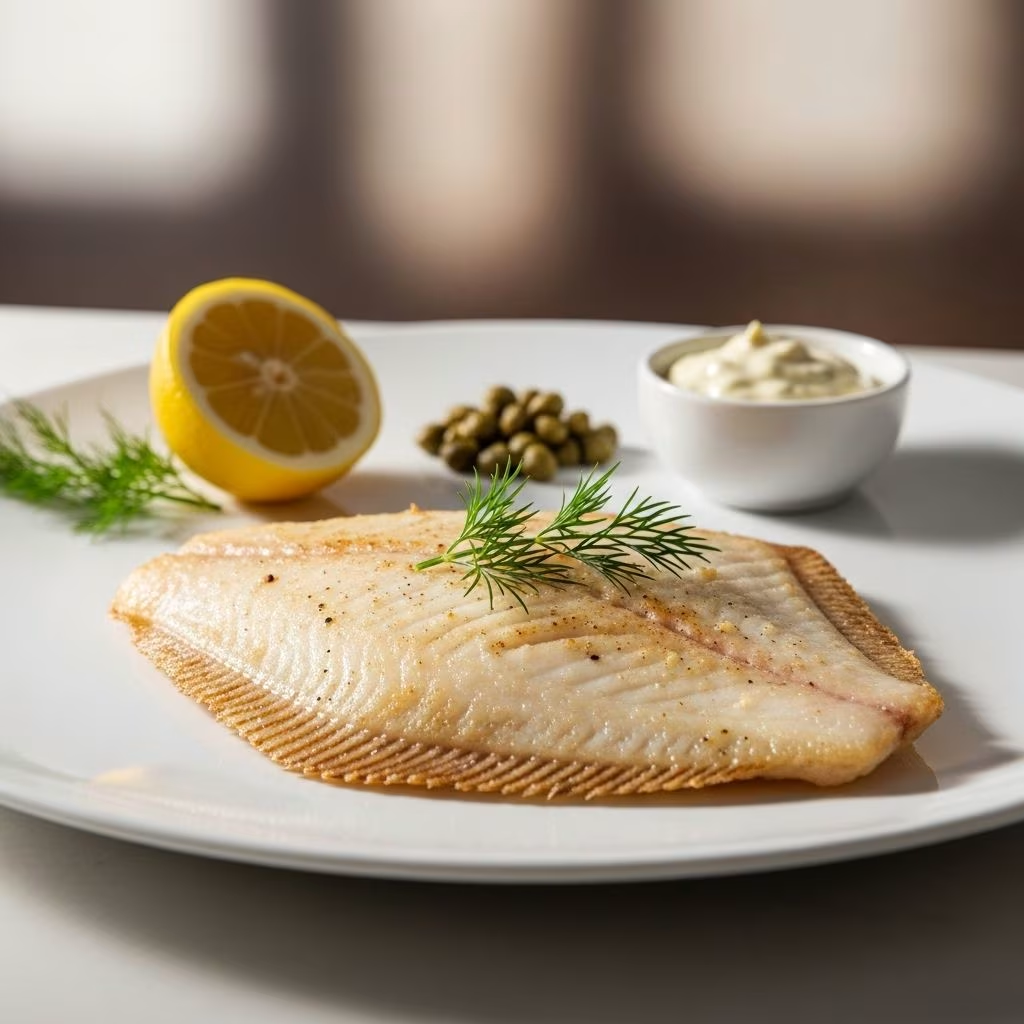
Plaice is a well-known flatfish prized for its distinctive flavor, rich nutritional content, and versatile culinary applications. Found mainly in European and North American waters, plaice has been a staple in traditional diets, particularly in Northern Europe. This in-depth guide explores the biology, nutritional benefits, culinary uses, and flavor characteristics of this remarkable fish.
Introduction to Plaice
“Plaice” refers to several species of flatfish, but mainly the European plaice (Pleuronectes platessa) and American plaice (Hippoglossoides platessoides). These right-eyed flounders are celebrated for their mild, sweet flavor and delicate, flaky flesh. Plaice plays a significant ecological and economic role in the North Atlantic fisheries.
Defining Features
- Flat, oval body with both eyes on the right side (right-eyed flatfish)
- Distinct orange/red spots on the dark upper side (European plaice)
- White underside and a smooth skin without prickles
- Adaptable coloration to surroundings, except the orange spots always remain bright
Plaice Species and Distribution
Key Species
- European plaice (Pleuronectes platessa): Most widely consumed, especially in Europe. Distinguished by conspicuous orange or red spots on a greenish-brown background.
- American plaice (Hippoglossoides platessoides): Found in the Northwest Atlantic, more uniformly brown and lacking bright spots.
Geographical Range
- European plaice: North Sea, Baltic Sea, and across the Northeast Atlantic, including coastal areas of Britain, Ireland, Scandinavia, and into the Mediterranean.
- American plaice: Northwest Atlantic, from Greenland and Labrador down to Rhode Island (USA).
Habitat Preferences
- Sandy seabeds at depths ranging from a few meters to 200 meters.
- Common in shallow tidal pools as juveniles; shift to deeper waters as adults.
- Well-adapted to both coastal and offshore environments.
Biological Characteristics and Habitat
Physical Description
- Oval-shaped and laterally compressed.
- Both eyes located on the right side of the head in adults (right-eyed).
- Upper side is dark brown or greenish with orange-red spots (European plaice); more uniformly brown (American plaice).
- Ventral (underside) is white and smooth.
- Can grow up to 70–90 cm, with record specimens exceeding 5 kg, though most are much smaller due to fishing pressure.
- Lifespan: Up to 20 years observed in European plaice populations.
Habitat and Behavior
- Benthic lifestyle: Spend much of their time lying on the seabed, sometimes partly buried in sand for camouflage.
- Depth: Typically found between 10 and 50 meters, but recorded from 0-200 meters. Juveniles prefer very shallow water, sometimes sandy tidal pools.
Diet
- Mainly benthic invertebrates, such as worms, mollusks, small shellfish, crustaceans, sea urchins, and occasionally small fish.
- Seasonal spawning occurs between January and March (European plaice), with large numbers of eggs laid in shallow waters.
Plaice in History and Culture
Plaice has been a vital component of coastal diets for centuries, particularly in Northern Europe. In places like Denmark, the UK, and the Netherlands, it has long featured as a seafood staple—enjoyed fresh, fried, poached, or smoked.
Plaice in Cuisine
- Traditional fish and chips: Plaice is a classic choice in British fish and chip shops.
- Northern German and Danish cooking: Pan-fried or breaded plaice is highly popular.
Nutritional Benefits of Plaice
Nutrient Profile
Plaice offers a range of nutritional benefits, making it a healthy seafood choice:
- High-quality protein: Essential for tissue repair, muscle health, and satiety.
- Low in fat: Especially suitable for calorie-conscious diets; contains unsaturated fats beneficial to heart health.
- Rich in omega-3 fatty acids: Supports cognitive health, reduces inflammation, and lowers cardiovascular risk.
- Vitamins: Notable source of B vitamins (especially B12, which supports nerve and blood cell health) and vitamin D.
- Minerals: Supplies important minerals such as selenium (a potent antioxidant), phosphorus, iodine, and potassium.
| Nutrient | Amount |
|---|---|
| Energy | 86 kcal |
| Protein | 18 g |
| Total fat | 1–2 g |
| Saturated fat | 0.2–0.4 g |
| Omega-3s (EPA/DHA) | 250–400 mg |
| Vitamin B12 | 2–3 µg (over 100% RDI) |
| Selenium | 25 µg (35–45% RDI) |
Health Advantages and Risks
Health Benefits
- Cardiovascular health: Omega-3s and low saturated fat support heart function and may reduce cholesterol.
- Brain and nerve support: B vitamins and omega-3s are crucial for cognitive function and nervous system maintenance.
- Tissue growth and repair: High-protein content aids in building and repairing tissues.
- Low calorie content: Beneficial for weight management and lean diets.
Potential Risks
- Mercury content: Plaice is considered a low-mercury fish, making it safer for regular consumption compared to larger predatory fish.
- Allergies: As with all fish, individuals with seafood allergies should avoid plaice.
- Sustainability caveats: Overfishing in some regions may affect plaice populations, so sourcing from sustainable fisheries is recommended.
Culinary Uses of Plaice
Common Preparations
- Pan-fried or sautéed: Filets cook quickly; often breaded or dipped in flour before frying.
- Baked: Plaice fillets can be baked en papillote (with herbs and vegetables), or with simple seasonings and a dash of lemon.
- Poached: Gentle poaching preserves its delicate flavor and texture.
- Grilled or broiled: Cooks rapidly; ideal for a quick, healthy meal.
- Fish and chips: A core ingredient in classic British-style fish and chips, often battered and deep-fried.
Recipe Ideas
- Plaice fillets with lemon, dill, and capers (quick pan-fry)
- Baked plaice with cherry tomatoes and olives
- Plaice en papillote: steamed with white wine, herbs, and sliced vegetables
- Traditional plaice fishcakes, served with creamy mashed potatoes
Taste and Preparation
Plaice is cherished for its mild, delicate flavor—slightly sweet, never overpowering, with a tender, flaky texture. Because of its subtlety, plaice suits a wide array of dishes and pairs well with both gentle and bold seasonings.
Texture and Versatility
- Fine, moist, white flesh that is easily flaked apart when cooked.
- Absorbs flavors from sauces and seasonings.
- Works well in both classic and creative modern recipes.
Cooking Tips
- Plaice cooks very quickly; overcooking can cause dryness.
- Fillets are thin and best prepared with gentle heat or brief pan-searing.
- Freshness is key: the best plaice has a clean scent, moist flesh, and bright eyes (if buying whole).
- Whole plaice is easy to fillet after cooking due to its delicate bone structure.
Sustainability and Fishing Practices
Plaice plays a crucial role in commercial fishing across much of Europe and North America. Because of its popularity, plaice fisheries are often monitored and subject to management by authorities such as the International Council for the Exploration of the Sea (ICES).
Commercial Importance
- One of Europe’s most valuable flatfish catches.
- Targeted using trawls, seine nets, and occasionally by recreational anglers.
Sustainability Concerns
- In some regions, heavy fishing pressure has led to local declines in plaice stocks.
- Management measures, including fishing quotas, restricted seasons, and size limits, help promote recovery.
- Consumers are encouraged to seek out Marine Stewardship Council (MSC)-certified plaice or locally-verified sustainable sources.
Environmental Benefits
- Plaice is considered a relatively sustainable choice compared to larger, slower-growing marine species, provided proper fisheries management is in place.
- Efforts toward bycatch reduction and improved gear help minimize ecological impact.
Frequently Asked Questions (FAQs)
Q: Is plaice the same as flounder?
A: Plaice is a type of flounder, specifically referring to certain right-eyed flounder species in Europe and North America. All plaice are flounders, but not all flounders are plaice.
Q: How does plaice compare to other flatfish, such as sole or turbot?
A: Plaice is milder than turbot and more delicate than common sole. Its flavor is sweet and subtle, making it more versatile than strongly-flavored flatfish.
Q: Is plaice healthy to eat regularly?
A: Yes. Plaice is low in fat, high in protein, and contains beneficial omega-3s. It is also low in mercury compared to some other fish, making it suitable for frequent consumption as part of a balanced diet.
Q: What signs show plaice is fresh?
A: Fresh plaice should have moist, translucent flesh, a clean and mild sea scent, and bright, clear eyes (when buying whole fish). It should never smell fishy or sour.
Q: Can you freeze plaice?
A: Yes. Plaice freezes well, either whole or as fillets. To preserve quality, wrap tightly and use within 2–3 months.
Q: Why is plaice often recommended for children or those new to eating fish?
A: Due to its soft texture, lack of overwhelming flavor, and low mercury content, plaice is ideal for all ages and especially suitable for picky eaters or children.
Conclusion
Plaice remains a beloved fish worldwide due to its subtle taste, excellent nutritional profile, and adaptability to a wide range of cooking techniques. Whether pan-fried with a touch of lemon, gently steamed, or prepared as part of traditional fish and chips, plaice delivers in both taste and health value. Responsible sourcing and sustainable fisheries management ensure that enjoying plaice can remain an option for future generations.
References
- https://en.wikipedia.org/wiki/European_plaice
- https://oceana.ca/en/marine-life/american-plaice/
- https://www.marlin.ac.uk/species/detail/2172
- https://www.wildlifetrusts.org/wildlife-explorer/marine/fish-including-sharks-skates-and-rays/plaice
- https://forthriverstrust.org/rivers-wildlife/learn/wildlife/marine/plaice/
- https://www.merriam-webster.com/dictionary/plaice
- https://badangling.com/sea-fish-species/plaice/
- https://www.ices.dk/about-ICES/projects/EU-RFP/EU%20Repository/ICES%20FIshMap/ICES%20FishMap%20species%20factsheet-plaice.pdf


