


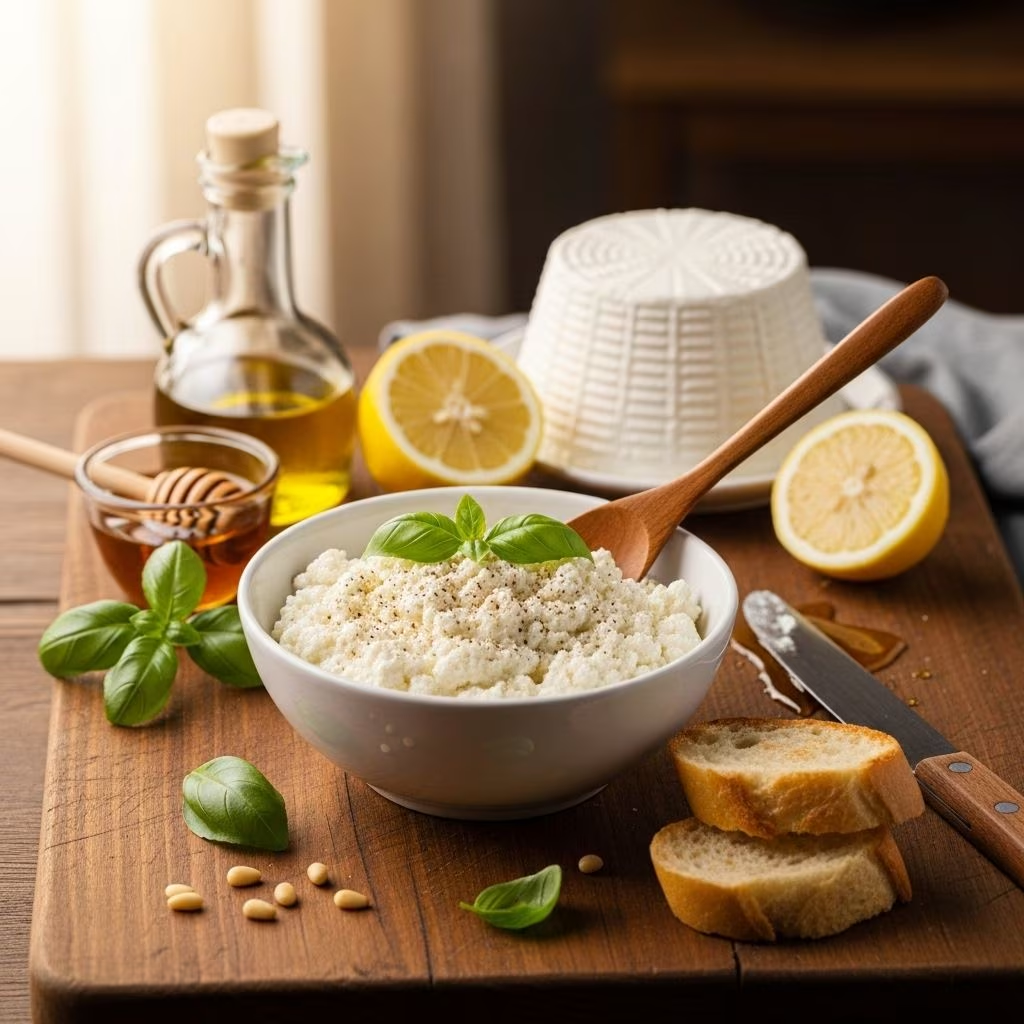
Ricotta cheese stands as one of the most beloved staples of Italian cuisine, renowned for its creamy texture, delicate flavor, and remarkable adaptability in both sweet and savory dishes. It is more than just an ingredient—ricotta is an edible testament to culinary ingenuity that has traveled from ancient civilizations to contemporary kitchens around the world.
What is Ricotta Cheese?
Ricotta is a fresh, creamy cheese originally from Italy, made primarily by reheating whey left over after producing other cheeses such as mozzarella and provolone. Its name, derived from the Latin word reciotta (meaning “recooked” or “cooked twice”), reflects the unique, centuries-old process by which it is created (source: ). Ricotta’s soft texture and mild, slightly sweet flavor make it an indispensable ingredient in a wide array of culinary preparations.
- Usually white in color, moist, and grainy.
- Available in forms made from sheep, cow, goat, or water buffalo milk whey (source: ).
- Distinct from other cheeses as it is cooked from whey—the liquid leftover from curdling milk in regular cheese-making.
History and Origins of Ricotta Cheese
The history of ricotta cheese reaches back thousands of years, with evidence of its production dating to the Bronze Age in the Italian peninsula (circa 3000 BC) (source: ).
From Ancient Greece and Rome to Modern Italy
- Ricotta likely originated with ancient Greeks and Romans, who utilized leftover whey from other cheese production rather than discarding it (source: ).
- Roman texts and archaeological finds, such as ceramic milk boilers, suggest a thriving cheese culture—but ricotta’s short shelf-life relegated it to consumption by herders and local communities (source: ).
- By the Middle Ages, ricotta had become a staple in rural Italy and was crafted using sheep’s milk, enhancing its richness and flavor (source: ).
- Later historical records from the Arab-Sicilian era in Sicily (9th-century) show ricotta’s development into its modern form (source: ).
Over the centuries, ricotta was incorporated into Italy’s regional culinary traditions, becoming a foundation for both sweet and savory recipes. Today, ricotta is produced worldwide but remains a symbol of Italian heritage and resourcefulness.
How is Ricotta Made?
Unlike most cheeses, ricotta is made by reheating whey—the protein-rich liquid left after separating out the curds in regular cheese-making.
Step-by-Step Process
- Whey Collection: After making another cheese, the remaining whey is collected.
- Acid Addition: An acid (commonly vinegar or lemon juice) is added to the whey, helping proteins coagulate.
- Heating: The mixture is then gently heated. Proteins like albumin and globulin begin to form fine, soft curds.
- Straining: Curds are separated from the liquid, traditionally using cheese cloth, yielding ricotta.
- This process may use cow, sheep, goat, or buffalo milk whey; each imparts unique flavor and texture.
- Modern commercial ricottas often incorporate whole milk into the whey for a richer, creamier cheese (source: ).
Traditional vs. Commercial Production
| Aspect | Traditional Ricotta | Commercial Ricotta |
|---|---|---|
| Base Ingredient | Whey from sheep, goat, cow, or buffalo cheese-making | Often combines whey and whole milk, mostly from cows |
| Texture | Light, fluffy, slightly grainy | Creamier, more consistent |
| Flavor | Delicate, sometimes tangy, varies by milk source | Milder, slightly sweet, uniform |
| Shelf Life | Short—best consumed fresh | Longer—pasteurized varieties available |
Nutritional Value and Health Benefits
Ricotta cheese is not only tasty but also offers substantial nutritional benefits, making it a valuable addition to a balanced diet.
Key Nutrients in Ricotta
- High Protein Content: Ricotta is rich in protein, particularly whey proteins, which are highly digestible and beneficial for muscle repair.
- Calcium: A serving of ricotta provides a significant proportion of the daily recommended calcium intake, promoting strong bones and teeth (source: ).
- Vitamin B12: Essential for red blood cell production, neurological function, and energy maintenance (source: ).
- Low Sodium: Compared to many cheeses, ricotta often contains less sodium, making it suitable for heart-healthy diets.
- Low Fat Options: Skim or part-skim ricotta is available for those seeking lower calorie or fat alternatives.
Health Benefits
- Bone Health: Calcium and protein in ricotta support bone density and may help avert osteoporosis and fractures (source: ).
- Heart Health: Lower sodium and fat options can help manage cardiovascular risk.
- Cancer Risk Reduction: Some studies suggest regular dairy consumption, including ricotta, may help decrease the risk of certain cancers (source: ).
- Digestive Wellness: Ricotta is easier to digest than many aged cheeses, providing nutrients for sensitive stomachs.
Nutrition Table: Ricotta Cheese (per 100g)
| Nutrient | Amount |
|---|---|
| Calories | 174 |
| Protein | 7.5 g |
| Total Fat | 13 g |
| Calcium | 207 mg |
| Sodium | 84 mg |
| Vitamin B12 | 0.3 µg |
Note: Values may vary based on milk source and production method.
Culinary Uses of Ricotta
Ricotta’s versatility in the kitchen is virtually unrivaled:
- Pasta Dishes: Used as a stuffing in ravioli, cannelloni, and tortellini; as a layer in lasagna.
- Italian Desserts: The key ingredient in classic sweets including Sicilian cannoli, cassata, and ricotta cheesecake.
- Dips & Spreads: Blended with herbs or fruits for spreads, dips, or as a fresh topping for bread and crackers.
- Salads: Crumbled or dolloped onto fresh vegetables or grains.
- Baked Goods: Used in cakes, cookies, and tarts for moisture and flavor.
- Pancakes & Fritters: Incorporated into batters for an airy texture.
Traditional Italian Recipes Featuring Ricotta
- Lasagna alla Ricotta: Layers of pasta, tomato sauce, ricotta, and mozzarella.
- Ravioli di Ricotta: Pasta parcels filled with seasoned ricotta, often paired with sage and butter.
- Cannoli Siciliani: Crisp pastry shells filled with sweetened ricotta, chocolate chips, and candied fruit.
- Ricotta Pie: A traditional Easter dessert in Italy, made with a sweet ricotta filling and shortcrust pastry.
- Frittata di Ricotta: Eggs, ricotta, and seasonal vegetables baked into a savory pie.
Taste Profile and Varieties
Ricotta’s taste is defined by mildness and subtle sweetness. Its flavor varies by region and production method:
- Sheep’s Milk Ricotta: Richer, more aromatic, and slightly tangy—favored in southern Italy.
- Cow’s Milk Ricotta: Milder, sweeter, and more neutral—common outside Italy and used for general cooking.
- Goat’s Milk Ricotta: Earthy, tangy, and creamy—used less often but prized by connoisseurs.
- Buffalo Milk Ricotta: Dense, creamy, and intensely flavorful—rare, but highly sought after in Italian artisanal cuisine.
The cheese’s texture is soft, moist, and slightly grainy. Its mouthfeel is creamy, making it ideal for dishes where a gentle milk richness is required but not overpowering.
How to Select and Store Ricotta
Picking and preserving ricotta is essential to enjoying its true flavor and safety:
- Look for ricotta with minimal preservatives and a fresh, clean scent.
- High-quality ricotta should be white, moist, and uniformly creamy, without separation or sour odor.
- Store unopened ricotta in the coldest part of your refrigerator. Once opened, consume within 3–5 days for optimal taste and food safety.
- Do not freeze ricotta: freezing alters its texture and flavor profile.
- If making homemade ricotta, use it immediately or refrigerate promptly.
Frequently Asked Questions (FAQs)
Q: Is ricotta cheese vegetarian?
A: Most ricotta cheese is vegetarian, especially if acid is used for coagulation. Ricotta made from whey as a byproduct of cheeses using animal rennet is not considered vegetarian.
Q: How is ricotta different from cottage cheese?
A: Ricotta is softer and smoother than cottage cheese, which has distinct curds. Ricotta is made from whey, while cottage cheese comes from curds.
Q: Can ricotta cheese be substituted in recipes?
A: Yes, ricotta can be replaced by cottage cheese (for a similar texture) or mascarpone/cream cheese (for creamy desserts), but the taste and consistency may differ.
Q: Is ricotta suitable for lactose-intolerant individuals?
A: Ricotta contains less lactose than milk but still some, so those highly sensitive may need to avoid it or look for lactose-free alternatives.
Q: Can ricotta be made at home?
A: Yes, homemade ricotta is simple: heat whey (or milk with some cream), add acid, and strain. Homemade ricotta offers fresh flavor but must be consumed quickly.
Q: Are there non-dairy or vegan ricotta options?
A: Several plant-based recipes use tofu, cashews, or almonds to replicate ricotta’s texture for vegan diets.
Conclusion
Ricotta cheese is a remarkable product of culinary resourcefulness—transforming the byproduct of traditional cheese-making into a beloved ingredient rich in flavor, nutrition, and versatility. Its journey from ancient Mediterranean civilizations to modern kitchens highlights the ingenuity and creativity embedded in food traditions. Whether savored in classic Italian recipes or new culinary creations, ricotta offers a delicate taste and texture, along with numerous health benefits. Selecting quality ricotta, understanding its history, and experimenting with its versatile applications can elevate any kitchen experience.
References
- https://www.rimping.com/blog/7347/ricotta-cheese-history-whey
- https://highlandfarms.in/blogs/news/the-history-and-origin-of-ricotta-cheese
- https://en.wikipedia.org/wiki/Ricotta
- https://www.britannica.com/topic/ricotta
- https://italysegreta.com/ricotta/
- https://www.cheeseprofessor.com/blog/ricotta-101
- https://tuscookany.com/blog/the-mysteries-of-ricotta-cheese-a-rather-cheesy-story


