


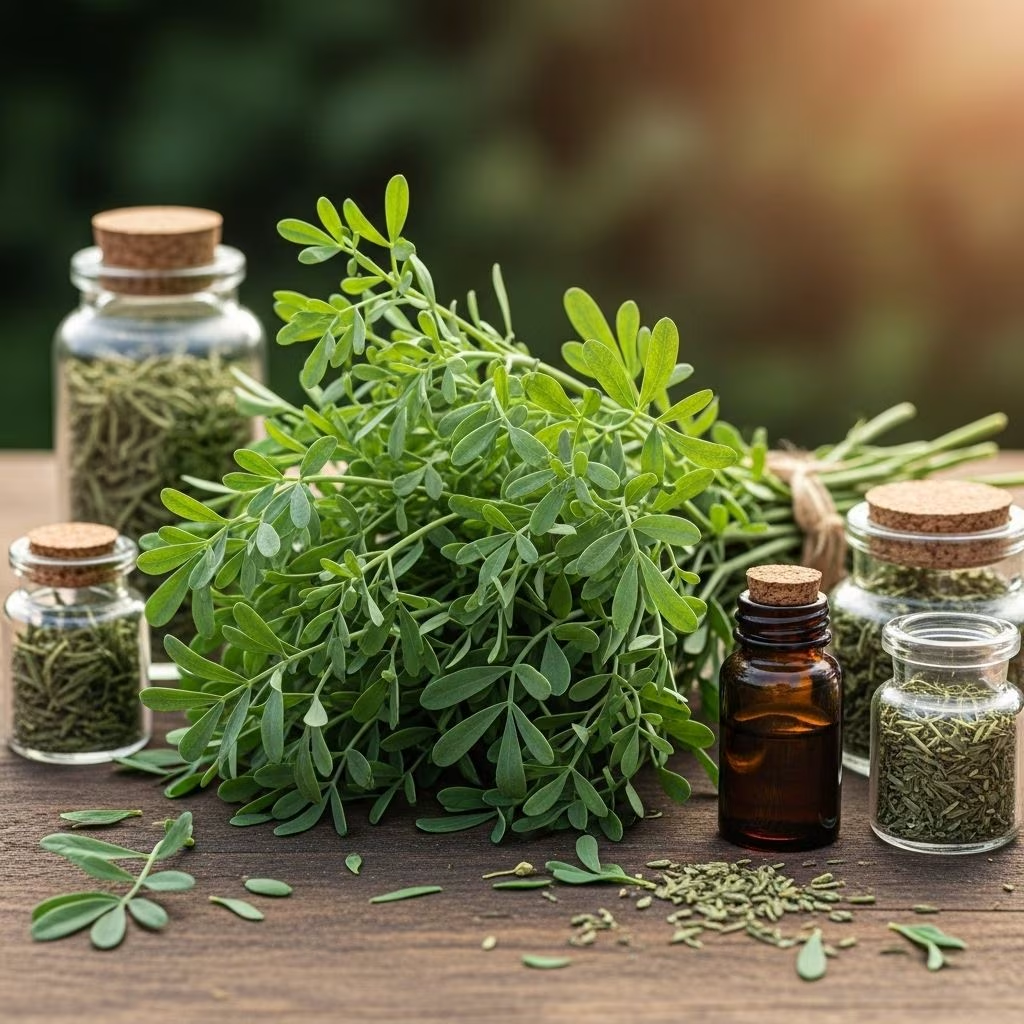
Rue (Ruta graveolens), also known as common rue or herb-of-grace, is a perennial shrub native to the Mediterranean and renowned for its distinctive aroma, deep historical roots, and multifaceted uses. For centuries, it has played a role in herbal medicine, culinary traditions, and even spiritual practices. In this comprehensive guide, we explore what rue is, delve into its potential benefits and uses, unravel its unique flavor profile, and clarify crucial safety considerations for modern readers.
What Is Rue? Definition, Etymology, and History
Rue (Ruta graveolens) is a woody perennial shrub in the Rutaceae family. It is commonly referred to as common rue or herb-of-grace and is indigenous to the Mediterranean region. The plant is known for its powerful and, to some, unpleasant aroma, which is referenced in its Latin name “graveolens” meaning strong-smelling .
Rue has a storied past, valued since ancient times as a medicinal, culinary, ceremonial, and ornamental herb:
- Ancient Greeks and Romans revered rue for its medicinal and symbolic properties.
- It was commonly used in medieval monasteries and gardens.
- It has a rich presence in folklore, religious rituals, and superstition, symbolizing grace and repentance.
Botanical Description and Identification
Understanding rue’s morphology helps identify the plant and appreciate its unique adaptations:
- Growth habit: Small bushy shrub that is usually 2–3 feet (60–90 cm) tall .
- Leaves: Fern-like, bluish-green, oblong, and bipinnate. They exude a strong scent when bruised .
- Stems: Semi-woody, which enables pruning into hedges .
- Flowers: Tiny, yellow, with frilly or scalloped petals; usually arranged in cymes. The first flower in each cyme has five petals, the rest have four .
- Fruit: Brown seed capsules form after flowering .
Rue’s resilience to heat, drought, and poor soils has made it a staple in gardens, particularly in warmer climates .
Traditional Uses and Cultural Significance
Rue’s utility has spanned many eras and cultures, including:
- Medicinal applications in classical Greek and Roman traditions.
- Symbol of repentance and grace in Christian ceremonies, earning the name “herb-of-grace” .
- Supernatural protection in European folklore, believed to ward off evil, plague, and witchcraft.
- Traditional culinary herb used sparingly for its intense flavor .
- Ornamental plantings and bordering in monastic and cottage gardens .
Rue’s symbolic stature often outweighed its practical uses, and it is still featured in folk traditions in parts of Europe, the Middle East, and Latin America.
Medicinal Benefits and Pharmacological Properties
Rue has figured prominently in herbal medicine since antiquity. Modern science both validates and challenges some of these historical uses:
Key Pharmacological Actions
- Antiparasitic: Traditionally employed to repel or eliminate internal parasites .
- Antioxidant: Contains compounds found to reduce cellular oxidative stress .
- Antibacterial & Antifungal: Research indicates potential in fighting some microbes .
- Anti-inflammatory and Antinociceptive: Some studies reveal rue’s ability to reduce inflammation and pain at moderate doses .
- Anti-androgenic: Research in animal models demonstrates hormone-modulating activity, lowering testosterone and affecting sperm production .
- Uses in traditional medicine: Digestive aid, relief from muscle spasms, treatment for respiratory issues, and as an emmenagogue (stimulates menstruation) .
Other Traditional and Reported Benefits
- Appetite stimulation
- Relief of indigestion, diarrhea, and intestinal worms
- Reducing headaches and cramps
- Support for joint pain and arthritis (topical use)
- Use as an insect repellent (including mosquito and lice deterrent)
Note: Many of these uses have limited clinical evidence and are primarily supported by traditional knowledge rather than robust clinical trials . Rue’s active chemicals may be toxic at higher doses or with chronic use.
Summary Table of Rue’s Reported Effects
| Effect | Traditional Use | Scientific Evidence |
|---|---|---|
| Antiparasitic | Eliminating worms | Some animal/lab studies |
| Antioxidant | General health support | Supported by lab/animal studies |
| Antibacterial/Fungal | Infection prevention | Supported by preliminary studies |
| Digestive aid | Indigestion, intestinal cramps | Mostly traditional evidence |
| Hormonal modulation | Menstrual disorders, reproductive health | Seen in animal models (anti-androgenic) |
Modern Uses: Gardening, Culinary, and Industrial
- Gardening and Landscaping: Rue’s aromatic foliage and yellow flowers make it a popular border or ornamental plant. Its strong odor repels cats, dogs, and some garden pests (like Japanese beetles), and it can be pruned into small hedges . Rue also attracts certain butterflies and beneficial insects while deterring less desirable species.
- Culinary Uses: Rue is still used sparingly in some Mediterranean and Ethiopian dishes, most notably in Ethiopian coffee ceremonies. Its use in food is now rare, largely due to safety concerns about its potential toxicity . As a culinary herb, only minute quantities are ever used and it is usually removed before eating.
- Manufacturing: Rue oil is used in perfumery, aromatics, and soap-making. The plant’s essential oils, while pungent, have found some application in cosmetics .
- Folk Remedies and Rituals: Rue may still be used in ritual purification, protective amulets, and spiritual cleansing in certain cultural and esoteric practices .
Rue Taste and Flavor Profile
Rue’s flavor is intensely aromatic, described as bitter, acrid, and slightly numbing. The pungency of its essential oils can overpower dishes if used excessively. Notes often compared to:
- Musty or medicinal bitterness
- Hints of citrus (reflective of its relation to citrus plants)
- Notes of pine, camphor, or even sharp pepper
Due to its bitterness and potential toxicity, rue should only be used in minute amounts for culinary purposes or as a flavoring in beverages . Overuse will ruin the taste of dishes and could be hazardous to health.
Regions and Culinary Traditions Where Rue Is Used
- Italy: Occasionally used to flavor grappa and some meat dishes in historical regional recipes.
- Ethiopia: An essential flavor in traditional coffee ceremonies, where a leaf or two is steeped with the beans.
- The Middle East and North Africa: Rarely as a seasoning for certain cheese or egg dishes; always in very modest quantities.
In contemporary Western cuisine, rue’s use nearly vanished due to safety regulations and health concerns.
Potential Side Effects and Safety Concerns
Rue contains a variety of potent phytochemicals (notably furanocoumarins and alkaloids) that can be toxic or irritating if ingested in quantity or handled excessively.
- Internal Use: Large doses can cause vomiting, diarrhea, cramps, dizziness, and potentially severe toxicity. Chronic use or overdose can damage the liver and kidneys, and in rare cases, cause death .
- Pregnancy: Rue is well known for its abortifacient properties and should never be used by pregnant or breastfeeding women .
- Skin Reactions: The fresh plant may cause blistering, rashes, or photosensitivity (worse with sun exposure), especially in those with sensitive skin.
- Drug Interactions: Rue extracts may interact with prescription medications, especially those affecting the liver, central nervous system, or reproductive hormones. Traditional remedies are not a replacement for evidence-based medicine.
Summary Table: Common Risks and Precautions
| Risk/Effect | Description | Precaution |
|---|---|---|
| Gastrointestinal | Nausea, vomiting, diarrhea | Use only minute amounts; avoid internal use without supervision |
| Dermal irritation | Rash, photosensitivity | Wear gloves when handling; avoid sunlight on exposed skin |
| Pregnancy risk | Abortifacient effects | Strictly avoid use during pregnancy/breastfeeding |
| Toxicity | Liver/kidney damage with high dose | Avoid repeated/chronic use |
How to Grow and Care for Rue
- Soil requirements: Tolerates poor, rocky, and dry soils. Prefers well-drained locations.
- Light: Thrives in full sun but can tolerate partial shade .
- Water: Drought tolerant. Water young plants regularly, but mature rue needs little supplemental watering.
- Propagation: From seed or cuttings. Germination requires patience and may take several weeks.
- Pruning: Responds well to shearing and can be shaped into low hedges.
- Companion plants: Acts as a pest deterrent for various vegetable and ornamental species. Place rue near plants bothered by beetles or other insects.
- Warning: Wear gloves and avoid contact with skin, especially on sunny days, to reduce risk of photosensitivity and dermatitis.
Frequently Asked Questions (FAQs)
Q: Is rue edible?
A: Rue is technically edible, but it must only be used in extremely small quantities due to its bitterness and the risk of toxicity. It is no longer recommended as a staple culinary herb and is banned from commercial food use in many countries.
Q: What does rue taste like?
A: Rue has a pungent bitter flavor with citrus and pine undertones, often compared to musty or resinous notes. Most people find it unpalatable in large amounts.
Q: Is rue safe to use in herbal medicine?
A: Rue can be hazardous if misused, particularly in large doses or over prolonged periods. Always consult a qualified healthcare practitioner before using any part of the plant medicinally.
Q: How is rue used as an insect repellent?
A: Both fresh and dried rue leaves have a strong aroma that repels insects such as mosquitoes and some types of beetles. A border planting in the garden or sachets indoors can deter pests naturally.
Q: What are the main differences between common rue and other plants called rue?
A: Common rue refers specifically to Ruta graveolens. Other ‘rue’ plants, like meadow rue (Thalictrum species) and goat’s rue (Galega officinalis), are unrelated botanically and have different properties.
Conclusion
Rue (Ruta graveolens) is a fascinating herb with a colorful history, powerful chemical properties, and compelling—if sometimes dangerous—medicinal reputation. While rue’s distinctive aroma and traditional symbolism continue to charm gardeners and folklore enthusiasts, its use today demands caution and respect. If you choose to explore this ancient plant, do so with an understanding of its powerful compounds, unique flavor, and the safety limitations that come with its enduring mystique.
References
- https://en.wikipedia.org/wiki/Ruta_graveolens
- https://www.gardeningknowhow.com/edible/herbs/rue/growing-rue-herb.htm
- https://www.rxlist.com/supplements/rue.htm
- https://consensus.app/home/blog/what-is-rue-other-names-arvada-herb-of-grace-ruta-graveolens/
- https://plants.ces.ncsu.edu/plants/ruta-graveolens/
- https://mountainvalleygrowers.com/organic-plants/ruta-graveolens-rue/
- https://www.missouribotanicalgarden.org/PlantFinder/PlantFinderDetails.aspx?kempercode=b714
- https://txmg.org/randall/staying-connected/gardening-with-the-masters/gardening-tips-2/rue-an-overlooked-herb/
- https://www.flowersociety.org/rue-plant-study


