


Introduction
Sagebrush has been revered for centuries for its intense aroma, complex flavor, and myriad uses spanning culinary, medicinal, and ceremonial traditions. Although often overshadowed by culinary sage, sagebrush holds a vital place in Native American ethnobotany and regional cuisine. This article explores sagebrush’s distinctive taste, its historical and practical applications, and practical ways to replace sagebrush in recipes or herbal preparations when it’s unavailable.
What Is Sagebrush?
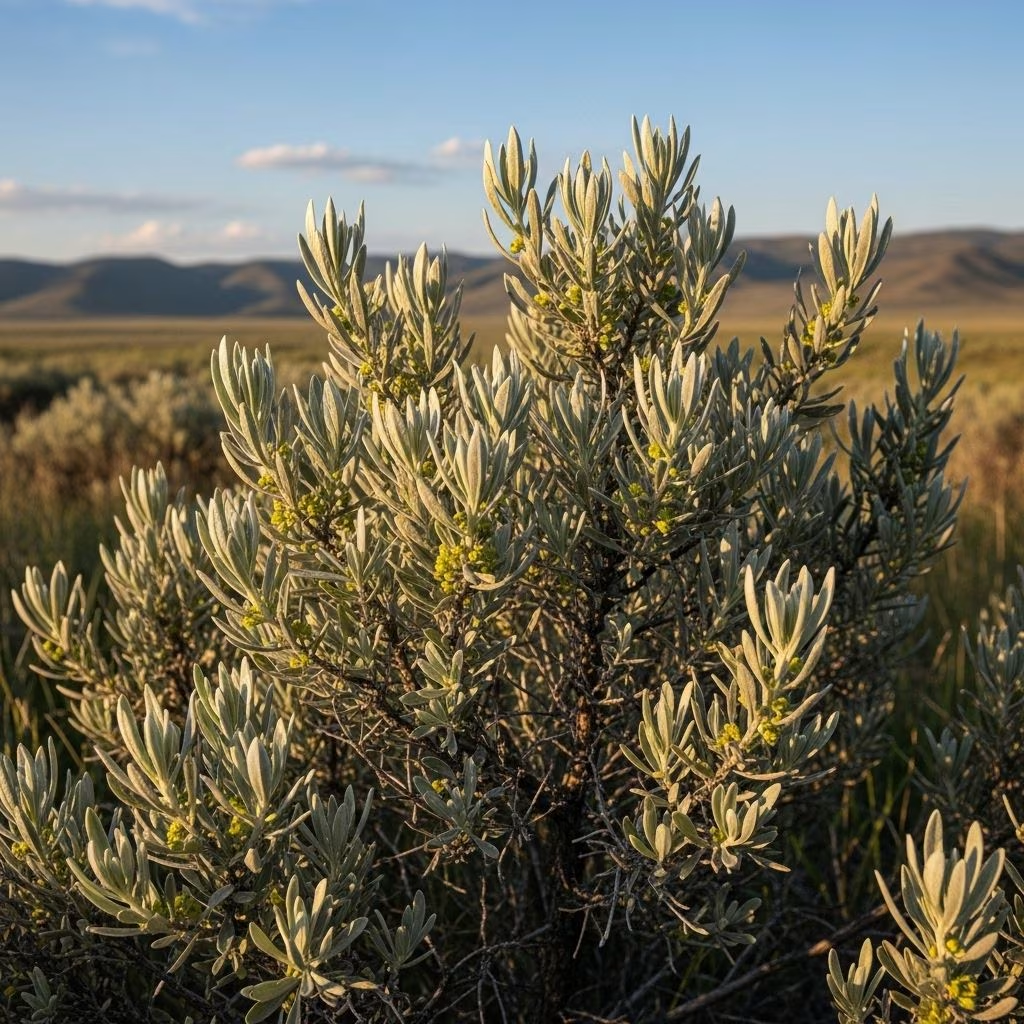
Sagebrush refers primarily to Artemisia tridentata and related species within the Artemisia genus. Native to the western United States and parts of Mexico, these shrubs have silvery-green foliage and thrive in dry, open landscapes. Unlike culinary sage (Salvia officinalis), sagebrush is part of the aster family and possesses a stronger, more pungent profile.
Sagebrush varieties include:
- Big Sagebrush (Artemisia tridentata)
- California Sagebrush (Artemisia californica)
- White Sagebrush (Artemisia ludoviciana)
These species have been used throughout history for medicinal, culinary, and ceremonial purposes.
Flavor Profile of Sagebrush
The flavor of sagebrush is highly aromatic, bitter, and camphoraceous. Reminiscent of wormwood and mugwort (its close relatives), sagebrush imparts a robust herbal character, often described as earthy, resinous, and slightly peppery. Its bitterness is pronounced, making it best used sparingly and blended with other ingredients.
- Primary flavor notes: bitter, aromatic, earthy, camphor-like
- Flavor intensity: high; can overpower mild ingredients
- Best uses: infusions, teas, spice blends
Pair with citrus zest, honey, and other aromatic herbs to round out the taste.
Because of its bold flavor, sagebrush is not typically used as a vegetable or main dish ingredient but as a flavoring agent or medicinal infusion.
Traditional and Modern Uses
Sagebrush’s utilitarian legacy is rich and diverse. Native American ethnobotany documents its use for:
- Medicine: teas, poultices, and infusions for various ailments
- Ceremonial smudging: purifying spaces and individuals
- Crafts: fibers for cordage and textiles
- Dyes: natural colorant for wool and fabric
- Food & drink: aromatic addition to beer, teas, and as a wild spice
Also used as browsing forage for livestock such as goats - Fire-making: bark and stems for tinder and friction sticks
Modern herbalists continue to tap into sagebrush’s properties for natural wellness, culinary experimentation, and craft brewing.
Culinary Applications
Though less common than culinary sage, certain sagebrush species offer unique seasoning potential:
- Brewing: Used as a hops substitute in wild beers due to its bitterness and aroma. A classic example is California sagebrush beer, which combines sagebrush leaves, malt or sugar, and citrus zest, fermented to yield an aromatic brew.
- Spices: Dried sagebrush leaves can be ground and mixed with salt, garlic powder, or other regional herbs to create potent spice blends, ideal for seasoning meats, fish, or popcorn.
- Teas: Though the flavor is intensely bitter, herbal teas made from sagebrush are sometimes consumed with the addition of sweeteners or blended with milder herbs like mint or chamomile.
- Smoke and flavoring: The wood has been used to smoke meats, imparting an earthy, herbal fragrance.
- Vegetable preparation: Very young shoots or leaves of white sagebrush can be lightly stirfried, added to salads, or used in tortillas and egg dishes. However, this practice is rare and should be undertaken with caution due to strong bitterness.
Sample Recipe: California Sagebrush Beer
- Boil water, sugar or malt, and dried sagebrush leaves.
- Add orange zest, cool, ferment with yeast, and bottle.
- After fermentation (10 days active, then 3–4 weeks bottle conditioning), enjoy a bitter, aromatic beverage.
Medicinal and Therapeutic Uses
Sagebrush is valued for its medicinal chemistry, rich in camphor, terpenoids, and tannins. Historically, it has been one of the ten most used plants in Native American health practices.
- Internal remedies:
- Digestive aid
- Fever relief by stimulating sweating
- Parasitic cleanse (expels worms)
- Support for menstrual regulation (emmenagogue)
- Nerve calming
- Topical applications:
- Muscle aches (oil infusions)
- Chest congestion (tea compresses and steam inhalation)
- Wound flushing, prevention of infection
- Dental health: mouthwash for sores, antifungal mouth rinse
- Inhalation:
- Headache and respiratory relief (steam inhalation of boiled sagebrush)
Its bitter tea can be unpleasant in taste but effective medicinally when blended with honey or other gentle herbs.
Ritual and Ceremonial Uses
Perhaps the most famed use is burning sagebrush for smudging, a ceremonial practice in many Native American cultures. Smudge sticks made from dried sagebrush leaves are burned to clear negative energy, purify spaces and people, and mark sacred rituals.
- Ceremonial cleansing
- Traditional celebrations (burning seeds, using bark and stems for fire)
- Integration into spiritual practices or rites of passage
Unlike culinary sage, sagebrush smudge is more characteristic of western tribal customs.
Easy Substitutes for Sagebrush
Sagebrush is not always readily available nor suitable for all applications due to its bitterness and strong aroma. Fortunately, several herbs can approximate its flavor, therapeutic benefits, or ceremonial role.
- Mugwort (Artemisia vulgaris): Closely related botanically and flavor-wise; slightly milder bitterness and aroma.
- Wormwood (Artemisia absinthium): Strong bitter and aromatic qualities; often substituted in tinctures, medicinal teas, and as a hops alternative in brewing.
- Culinary Sage (Salvia officinalis): Shares some aromatic notes but less bitterness and camphor; better for culinary recipes seeking milder flavor.
- Rosemary: Comparable resinous qualities and earthiness for meat rubs and savory dishes.
- Thyme (Thymus vulgaris): Not an exact match but useful for seasoning when sagebrush’s pungency is undesirable.
- White Sage (Salvia apiana): Used more in ceremonies, offers lighter, sweeter aroma in smudging rituals.
When substituting, consider the application context: culinary, medicinal, or ceremonial. Mugwort and wormwood are ideal for wild brews and bitter teas. Culinary sage suits food preparation. Rosemary and thyme work well in seasoning blends. White sage is best reserved for smudging and ritual uses.
Sagebrush vs. Common Substitutes
| Herb | Flavor Profile | Best Uses | Main Constituents |
|---|---|---|---|
| Sagebrush (Artemisia tridentata) | Bitter, camphoraceous, earthy, aromatic | Tea, beer, spice blends, smudging, medicine | Camphor, terpenoids, tannins |
| Mugwort (Artemisia vulgaris) | Bitter, aromatic, mild earthy | Tea, tincture, ritual burning | Bitter glycosides, essential oils |
| Wormwood (Artemisia absinthium) | Intensely bitter, strong aroma | Beer, absinthe, medicinal | Thujone, absinthin, essential oils |
| Culinary Sage (Salvia officinalis) | Earthy, milder, slightly peppery | Cooking, poultry, stuffing | Camphor, cineole, thujone |
| Rosemary | Resinous, pine-like, robust | Meats, stews, rubs | Pinene, camphor, cineole |
| White Sage (Salvia apiana) | Mildly sweet, aromatic | Smudge, ritual, mild tea | Essential oils, cineole |
Frequently Asked Questions (FAQs)
Q: Can sagebrush be safely consumed as a food or tea?
A: Yes, sagebrush has been used in teas, beers, and as wild forage. However, its potent bitterness and camphor content mean that it should be consumed sparingly and blended with other herbs. Always check for individual sensitivities or allergies.
Q: What is the difference between sagebrush and culinary sage?
A: Sagebrush (Artemisia tridentata) is an aster with a much stronger, more bitter flavor and a camphor-like aroma. Culinary sage (Salvia officinalis) belongs to the mint family and is milder, peppery, and more suitable for traditional cooking.
Q: How is sagebrush used in ceremonies?
A: Sagebrush smudge sticks are burned in purification rituals to cleanse negative energy, and its aromatic smoke is central to many Native American spiritual practices.
Q: Are there any risks or toxicity concerns with sagebrush?
A: In small, traditional amounts, sagebrush is generally safe. Large or chronic ingestion may cause digestive upset due to strong essential oils and bitterness, especially for children or sensitive individuals. Always consult herbal guidance before medicinal use.
Q: What are the best substitutes for sagebrush in recipes?
A: Mugwort and wormwood are the closest botanical matches for wild brews and medicinal teas. Culinary sage, rosemary, or thyme can work for flavoring dishes. For ceremonial smudging, white sage is preferred.
Conclusion
Sagebrush is a powerhouse herb with profound historical, medicinal, and sensory impact. Its intense bitterness and camphor aroma make it both a potent ingredient and a challenge to substitute. Whether exploring new flavors in wild beer, seeking herbal wellness, or honoring spiritual traditions, understanding sagebrush and its practical substitutes opens a world of aromatic possibilities. Use sagebrush judiciously, respect its potency, and experiment with wild-crafted blends for a true taste of the western landscape.
References
- https://www.chelseagreen.com/2018/the-foraging-brewer/
- https://appliedeco.org/wp-content/uploads/SPP-Newsletter-September-2019.pdf
- https://nysiashomestead.wordpress.com/2016/06/27/property-herbal-sagebrush/
- https://www.eattheweeds.com/tag/white-sagebrush/
- https://www.rootsimple.com/2017/01/three-california-natives-that-double-as-culinary-herbs/
- https://eattheplanet.org/sage-brush-a-native-herb-with-history/
- https://pfaf.org/user/Plant.aspx?LatinName=Artemisia+tridentata
- https://www.fs.usda.gov/wildflowers/plant-of-the-week/artemisia_ludoviciana.shtml


