


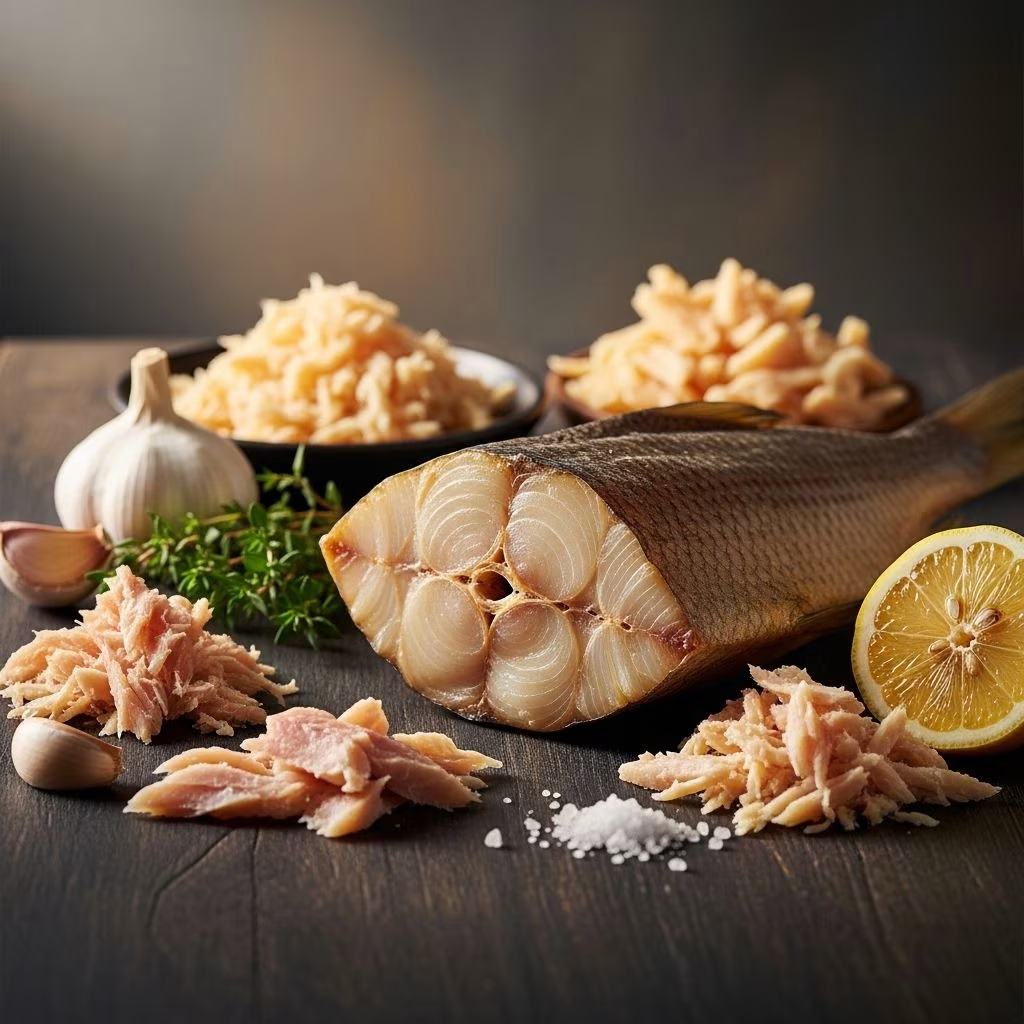
Stockfish stands among the world’s most ancient and storied preserved foods. For centuries, it has nourished communities across Europe, Africa, and beyond, revered for its long shelf life, nutritional concentration, and the singular flavor it brings to traditional and modern dishes. This article explores what stockfish is, how it’s produced, its health and culinary benefits, where it’s used, and what makes its taste so unique and sought after.
What Is Stockfish?
Stockfish is unsalted, air-dried fish, most commonly made from Atlantic cod, but occasionally from other whitefish such as haddock, pollock, and ling. The term derives from the wooden racks or ‘hjell’ where the fish is hung and dried outdoors through the cold, dry winds of northern climates. The process produces a hard, dry product that can last for several years if properly stored.
- Produced mainly in Norway, specifically the Lofoten and Vesterålen regions.
- Distinguished by being not salted during processing, unlike similar dried fish products.
- The word “stockfish” possibly refers either to the drying racks (sticks) or the stick-like hardness of the finished product.
The History and Cultural Significance of Stockfish
Stockfish is deeply embedded in the history and culture of Northern Europe, especially in Norway, which remains the world’s primary producer and exporter of high-quality stockfish. This preservation method predates written records, with archaeological finds suggesting stockfish has been part of Nordic diets for over a millennium.
- Viking Food Staple: Vikings relied on stockfish for nourishment during long voyages due to its durability and high protein content.
- Global Trade: By the Middle Ages, stockfish was a major Norwegian export, traded across Europe and beyond, and continues to be a vital export to countries like Portugal, Italy, Nigeria, Brazil, and Sweden.
- Cultural Heritage: In Norway, quality grading and stockfish traditions are considered cultural treasures and are recognized as candidates for UNESCO’s Intangible Cultural Heritage list.
In Norway and Iceland, stockfish is part of national identity, often featured in festivals, family gatherings, and religious traditions. In Italy, stockfish (“stoccafisso”) is used in regional delicacies; in West Africa, it is an ingredient in everyday and festive meals.
How Is Stockfish Made? The Traditional Drying Process
The making of stockfish is both an art and a science, preserving the delicate flavors and nutrients of the fish while ensuring long shelf life. The process remains largely unchanged for centuries:
- Selection and Preparation: The best stockfish is made from top-quality, fresh, line-caught cod (typically “skrei”), which are gutted and either split or left whole.
- Hanging: The fish are hung on racks (hjell) outside from February to May, when cold, dry air and mild sea breezes prevent spoilage and inhibit insect activity.
- Drying and Fermentation: For about three months, the fish loses up to 80% of its water content. Slow fermentation, aided by cold-adapted bacteria, matures the fish, much like cheese aging.
- Maturation: Once the outdoor drying is complete, the fish matures further indoors for two to three months in a dry, well-ventilated setting.
- Sorting: When ready, fish are graded into various categories based on size, appearance, and quality—a professional craft with centuries of tradition in Norway.
Modern innovations, such as controlled indoor drying, have been developed for safer, more consistent quality, but traditional outdoor methods are still highly prized.
Stockfish vs Klippfisk: What’s the Difference?
| Aspect | Stockfish | Klippfisk |
|---|---|---|
| Main ingredient | Cod (usually), unsalted | Cod (usually), salted |
| Preservation Method | Cold air drying, no salt | Salted, then dried (often on rocks or racks) |
| Texture | Extremely hard, requires soaking | Firm and dry, breaks more easily |
| Main Export Markets | Italy, Portugal, Nigeria, Brazil, Sweden | Primarily Portugal, Spain |
Nutritional Benefits of Stockfish
Stockfish is revered not only for its shelf life but also its exceptional nutritional content. During drying, nutrients become more concentrated because most of the water is removed. The health benefits include:
- Rich Protein Source: Contains between 80-85% protein by dry weight, making it a premier option for muscle building and repair.
- Vitamins and Minerals: Excellent source of vitamin D, B vitamins (including B12), iron, calcium, selenium, and omega-3 fatty acids.
- Low Fat: Stockfish is naturally low in fat and contains little to no carbohydrates.
- Easily Digestible: Suitable for various diets including Mediterranean, Nordic, and ketogenic meal plans.
- Preservative-Free: Made without additives, chemicals, or preservatives.
Stockfish Nutritional Snapshot (Per 100g Dried)
- Calories: Approx. 300–350 kcal
- Protein: 80–85g
- Fat: 2–3g
- Calcium: High, especially after soaking
- Sodium: Minimal, unless added during later preparation
This makes stockfish ideal for those looking for a concentrated, sustainable, and minimally processed protein source.
Culinary Uses of Stockfish Worldwide
While stockfish originated in Northern Europe, its reach spans continents, influencing diverse cuisines. Its hard, nearly petrified texture requires rehydration before cooking, after which it takes on a pleasing, meaty consistency that works well in stews, casseroles, and even as a snack in its native Norway.
- Norway & Iceland: Stockfish is eaten as a snack, rehydrated for traditional dishes, or made into “lutefisk,” a lye-soaked specialty for Christmas and festive occasions.
- Italy: Stockfish, known as stoccafisso, is central to dishes like “baccalà alla vicentina” or “stoccafisso alla ligure,” often with potatoes, tomatoes, and olives.
- Portugal: Similar to Italy, it is used in stews and paired with olive oil, garlic, and root vegetables.
- Nigeria & West Africa: Valued both for flavor and as a status food, stockfish is used to enrich soups, stews (such as ogbono and egusi), and rice dishes.
- Caribbean & South America: Found in some Creole and Brazilian culinary traditions, notably in “moqueca de peixe seca.”
- Pet Food: Lower quality stockfish is sometimes processed as high-protein treats for dogs.
How to Prepare and Cook Stockfish
The rock-hard texture of dry stockfish means it must be soaked for optimal texture and flavor. Preparation involves several basic steps:
- Soaking: Place stockfish in a large bowl or container and cover with cold water. Soak for 3–5 days, changing the water daily to remove excess fish oils and odors.
- Cleaning: After rehydration, remove any remaining skin and bones as needed.
- Cooking: Once softened, stockfish can be boiled, stewed, fried, baked, or grilled. Cooking times will vary based on the recipe and size of the pieces.
Popular stockfish dishes worldwide include “bacalao” stews, fish soups, and national holiday favorites. The soaking step is essential for proper rehydration, flavor balance, and texture.
What Does Stockfish Taste Like?
Upon proper soaking and cooking, stockfish develops a characteristically mild but satisfying fish flavor, richer and more complex than fresh cod. Unlike salted fish (like bacalhau), it lacks brininess and instead has subtle umami and savory notes, often described as “clean,” “concentrated,” and “slightly nutty.”
- The flavor intensifies with fermentation and aging, especially in the neck portion, which aficionados prize for its delicate gelatinous texture.
- Texture is firm, flaky, and meaty—a standout in both traditional and fusion cuisines.
- Care is needed to avoid overcooking after soaking; otherwise, the flesh may become excessively chewy.
Stockfish’s unique taste makes it a favorite for food enthusiasts seeking authentic culinary experiences, especially in dishes that celebrate tradition and craftsmanship.
Frequently Asked Questions (FAQs)
Q: What is the difference between stockfish and saltfish?
A: Stockfish is dried without salt, relying on air and wind for preservation, while saltfish (or klippfisk) is first salted and then dried. Both use similar fish (such as cod), but the end products differ significantly in texture, taste, and culinary applications.
Q: How long can stockfish be stored?
A: When properly dried and stored in a cool, dry place, stockfish can last several years without spoiling, making it one of the world’s most shelf-stable foods.
Q: Is stockfish healthy?
A: Yes, stockfish is an exceptionally healthy food, high in protein, low in fat, rich in vitamins and minerals, and free from additives.
Q: Can stockfish be eaten without soaking?
A: Stockfish in its dried form is extremely hard and not palatable without soaking. The traditional preparation process rehydrates and tenderizes the flesh for cooking and consumption.
Q: Which recipes best showcase stockfish?
A: Notable recipes include Norwegian “lutefisk,” Italian “stoccafisso alla vicentina,” Nigerian “ogbono soup,” and Portuguese “bacalhau” dishes.
Final Thoughts
Stockfish’s saga is one of ingenuity, tradition, and a harmonious relationship between humans and their environment. Whether considered a gourmet delicacy or a symbol of survival, its place in world cuisines and cultures is hard-earned and enduring. For those seeking authentic taste, nutritional power, and a link to the past, stockfish continues to be a true culinary treasure.
References
- https://en.wikipedia.org/wiki/Stockfish
- https://www.wordupapp.co/dictionary/stockfish
- https://www.immateriellkulturarv.no/en/bidrag/the-cultural-and-culinary-traditions-of-stockfish/
- https://www.visitnorway.com/things-to-do/food-and-drink/stockfish/
- https://www.britannica.com/animal/stockfish
- https://www.kitchenbutterfly.com/2017/stockfish-the-nigerian-nordic-connection/
- https://www.merriam-webster.com/dictionary/stockfish
- https://dsae.co.za/entry/stockfish/e06907


