


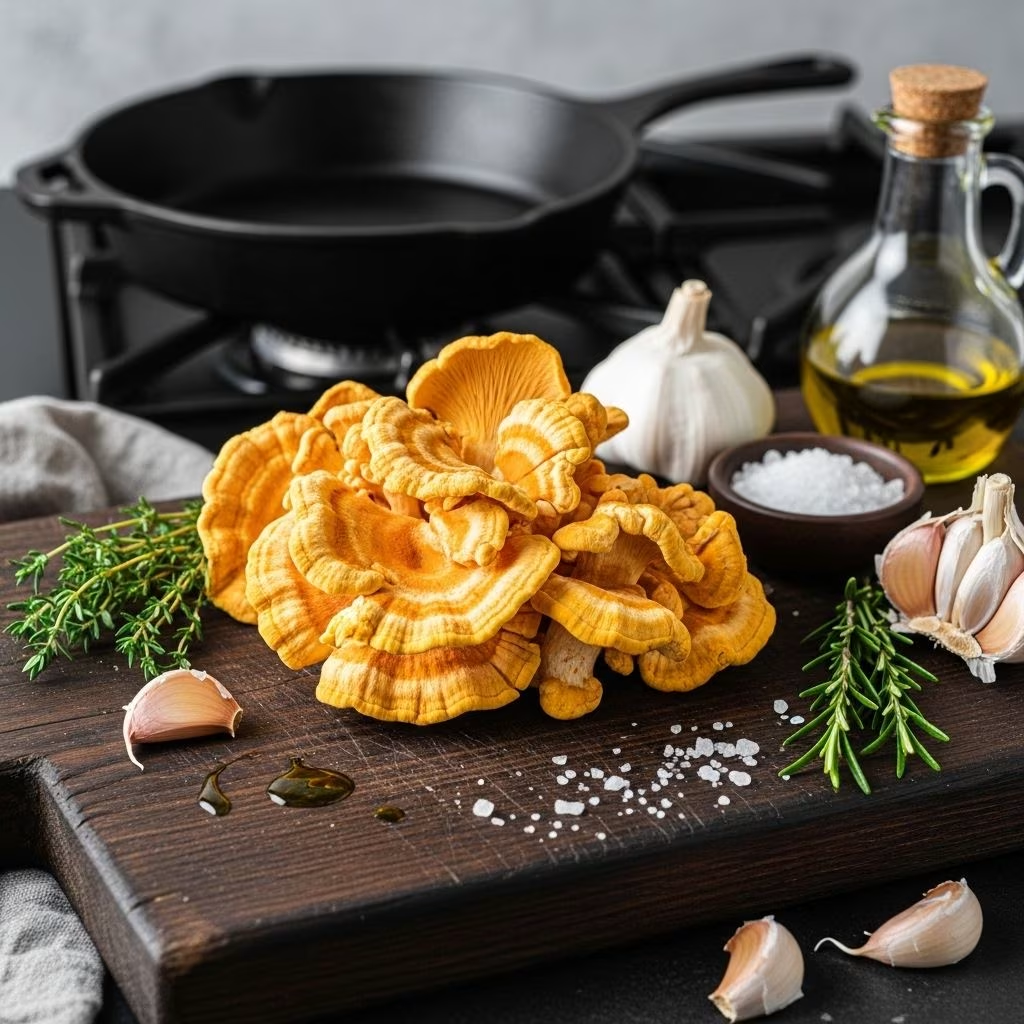
The Sulphur Shelf mushroom—also known as Chicken of the Woods (Laetiporus sulphureus)—has earned its place among the most beloved edible wild mushrooms for its vibrant colors, meaty texture, and unique chicken-like flavor. Whether you have foraged these prized fungi yourself or purchased them at a specialty market, knowing how to select, clean, and cook them makes all the difference. This guide delivers carefully researched recipes, safety notes, cleaning tips, and creative ideas for savoring Sulphur Shelf at its best.
What is Sulphur Shelf Mushroom?
Sulphur Shelf mushroom (Chicken of the Woods) is a vibrant, fan-shaped wild fungus that grows on living or decaying hardwood trees, especially oak and cherry. Its bright yellow-orange shelves and tender texture give it the common name Chicken of the Woods because, when properly cooked, the flavor and mouthfeel resemble chicken breast. It is popular with foragers and chefs seeking meaty, vegetarian protein alternatives.
Key Identification Features:
- Color: Bright orange to yellow, with soft, velvety texture.
- Shape: Tiered shelves growing outward like brackets from trees.
- Spore surface: Sulphury-yellow pores on the underside rather than gills.
- Habitat: Found on hardwood trees, particularly oak; rarely on conifers.
Is Sulphur Shelf Safe to Eat?
The Sulphur Shelf mushroom is considered a choice edible, but certain precautions are essential:
- Always cook thoroughly: Undercooked specimens can cause digestive upset in some individuals. At least 10-15 minutes of cooking is recommended.
- Avoid specimens from conifers: Mushrooms growing on non-hardwood trees, especially conifers (like pine, cedar), may accumulate toxins and are not recommended for consumption.
- Test a small amount first: As with any wild mushroom, individuals can have sensitivities. Always try a small serving and wait 24 hours before consuming larger amounts.
Foraging and Selecting Sulphur Shelf
Foragers prize Sulphur Shelf for its abundance and ease of identification, but picking the right specimen is key for taste and safety.
Selection Tips:
- Harvest young, tender shelves: Older shelves become tough and woody. Look for soft, brightly colored, and pliable flesh.
- Check for bugs and debris: Inspect the underside and interior for insects or decay before harvesting.
- Use clean tools: Trim the mushroom cleanly from the tree using a sharp knife to minimize damage to the mycelium (helping future flushes).
How to Clean and Prepare Sulphur Shelf
Cleaning wild mushrooms requires a gentle but thorough approach to remove forest debris and bugs.
Preparation Steps:
- Trim tough portions: Use a sharp knife to remove woody or dirty sections from the base.
- Wipe or rinse: If dirty, briefly rinse or dip the pieces in water and dry promptly on towels. Avoid soaking, as mushrooms absorb water quickly.
- Slice evenly: Cut into uniform, bite-sized strips or 1/2 inch pieces for even cooking.
How to Cook Sulphur Shelf Mushrooms Perfectly
The secret to delicious Sulphur Shelf is thorough cooking. Underdone mushrooms can be tough or cause reactions, while proper methods bring out their full flavor and tender texture.
Basic Sauté Technique
Sautéing is the easiest and most versatile method.
- Pre-cook with water: Place sliced mushrooms in a pan with a splash of water. Let them simmer until the water evaporates to help release some bitterness and start tenderizing.
- Add fat: Once dry, add oil or butter and increase heat to sauté until lightly browned.
- Add aromatics: Garlic, shallots, and fresh herbs (like thyme or parsley) complement their flavor beautifully.
- Cook 10–15 minutes: Ensure mushrooms are soft and lightly browned, not rubbery or raw.
- Deglaze (optional): A splash of white wine or lemon juice brightens the flavor and enhances tenderness.
Dry Sauté for Tender Mushrooms
Very fresh mushrooms often have high moisture. The dry sauté method is best for these:
- Heat the mushrooms in a dry, nonstick pan until they release their water and most of it evaporates before adding any oil. This prevents sogginess and helps them absorb less fat.
Important Cooking Tips
- Never undercook Sulphur Shelf—always sauté, fry, or bake for at least 10–15 minutes.
- Avoid overcrowding the pan for even browning.
- Salt to taste at the end to maintain texture.
Top Sulphur Shelf Mushroom Recipes
Creative cooks have developed a number of classic and modern recipes to showcase this wild mushroom’s unique qualities. Here are the best methods and recipes, with expert tips for each.
Sautéed Sulphur Shelf with Garlic and Herbs
| Ingredient | Amount |
|---|---|
| Sulphur Shelf mushrooms | 1 pound, cleaned and sliced |
| Olive oil or butter | 2–3 tablespoons |
| Shallots | 2, thinly sliced |
| Garlic | 2–3 cloves, minced |
| Fresh thyme or parsley | 2 tablespoons, chopped |
| Dry white wine (optional) | 1/2 cup |
| Lemon juice | 2 teaspoons |
| Salt & pepper | To taste |
Instructions:
- Heat the oil or butter in a large skillet over medium-high heat.
- Add the sliced mushrooms in one layer. Sauté 5 minutes until beginning to brown.
- Add shallots and garlic, season with salt and pepper. Cook 4–5 minutes more until aromatic and soft.
- Pour in white wine if using, and cook until absorbed.
- Stir in lemon juice and fresh herbs, then serve hot.
Chicken-Fried Sulphur Shelf (Vegan “Fried Chicken”)
Packed with meaty flavor and adaptable to vegan diets, this crisp-fried treat is a favorite.
- Trim and slice the mushrooms into cutlet-sized pieces.
- Prepare seasoned flour with salt, pepper, paprika, and dried herbs.
- Dredge mushrooms in flour, dip in plant-based milk (or egg wash), then flour again, pressing to adhere.
- Fry in hot oil and a bit of butter (or all oil) until golden—about 4–5 minutes per side.
- Drain on paper towels, sprinkle with a pinch of salt, and serve with mashed potatoes or on a sandwich for a vegan ‘chicken’ experience.
Sulphur Shelf Mushroom Hash Browns
This vegetable-packed hash is perfect for breakfast, brunch, or a hearty vegan dinner.
- Boil and thickly slice potatoes.
- Saute onions, celery, and carrots in oil or butter until soft.
- Add chopped, tender Sulphur Shelf pieces; deglaze with sherry or wine.
- Mix in potatoes, herbs, and lemon zest. Fry until crisp and golden.
- Garnish with chopped chives and more parsley.
Southwestern Sulphur Shelf Fajitas
Bring out the mushroom’s chickeny flavor with bold Mexican spices.
- Sauté mushrooms with bell peppers, onions, cumin, fresh or dried chili, and a dash of tomato sauce.
- Finish with lime, and serve with tortillas, guacamole, and salsa.
Simple Herb-Roasted Sulphur Shelf
- Toss cleaned, sliced mushrooms in olive oil, salt, pepper, and fresh herbs (thyme, rosemary).
- Place in single layer on a baking sheet and roast at 425°F for 20 minutes, tossing once, until lightly browned and tender.
- Roasting caramelizes edges for a concentrated flavor.
Vegan “Chicken” Soup with Sulphur Shelf
- Simmer sliced mushrooms with carrots, celery, onions, bay leaf, and herbs in vegetable broth.
- Add noodles or rice for a plant-based chicken noodle soup experience.
Serving Ideas and Pairings
- On Toast: Serve sautéed Sulphur Shelf on rustic bread with a dollop of crème fraîche or vegan spread.
- With Grains: Pair with quinoa, wild rice, or risotto for a hearty main course.
- As Tacos: Use cilantro, salsa, and avocado to feature Sulphur Shelf as a vegetarian taco filling.
- With Pasta: Toss sautéed mushrooms with garlic and herbs into pasta with a squeeze of lemon and parmesan (or nutritional yeast for vegan).
- Stirred into Omelets or Frittata: Chopped mushrooms add a savory bite to egg dishes.
Storage and Preservation Tips
- Fresh Storage: Keep unwashed, wrapped in a paper towel inside a paper bag in the fridge. Use within 2–3 days for best quality.
- Freezing: Clean, slice, and sauté first—then freeze in airtight containers. Great for adding to soups directly from the freezer.
- Drying: Thin slices can be dehydrated and stored in jars; rehydrate before using in recipes.
Frequently Asked Questions (FAQs)
Q: How can I be sure my Sulphur Shelf mushroom is safe to eat?
A: Accurately identify the species and collect only from hardwood trees—never conifers. Cook thoroughly and consume a small amount first to test your sensitivity.
Q: Do I need to peel or remove any part of Sulphur Shelf?
A: Remove the tough base or any woody, dirty sections. The tender, young edges are the best eating.
Q: Can I substitute Sulphur Shelf for other mushrooms?
A: Yes! Its hearty texture stands up well in recipes calling for chicken or other firm mushrooms, and it’s excellent in vegan adaptations.
Q: What is the best fat to cook Sulphur Shelf mushrooms?
A: Choose olive oil, avocado oil, or plant-based butter for vegan preparations, or real butter for richest results. Avoid using only water, as the mushroom shines when lightly caramelized in fat.
Q: Are there poisonous lookalikes to Sulphur Shelf?
A: Sulphur Shelf is distinct, but always consult multiple field guides or experts when foraging any wild mushroom, especially if you’re new to identification.
Conclusion
The Sulphur Shelf mushroom invites experimentation in the kitchen. Its meaty flavor takes on bright herbs, bold spices, or rich sauces—whether sautéed, roasted, or fried. With proper selection, cleaning, and thorough cooking, you’ll discover why this wild mushroom is a truly special treat for foragers, vegetarians, and adventurous eaters alike.
References
- https://foragerchef.com/sauteed-chicken-of-the-woods/
- https://www.thesophisticatedcaveman.com/sauteed-chicken-of-the-woods/
- https://foragerchef.com/chicken-fried-chicken-of-the-woods/
- https://healthstartsinthekitchen.com/chicken-mushroom-hashbrowns-vegan-vegetarian-friendly/
- https://www.mossyoak.com/our-obsession/blogs/recipes/chicken-of-the-woods-mushrooms-identifying-and-cooking
- https://adamantkitchen.com/chicken-of-the-woods-mushroom-recipes/
- https://www.randyschickenblog.com/home/2025/1/14/foraging-and-cooking-chicken-of-the-woods-mushrooms
- https://www.youtube.com/watch?v=9K8HuTHTyP8


