


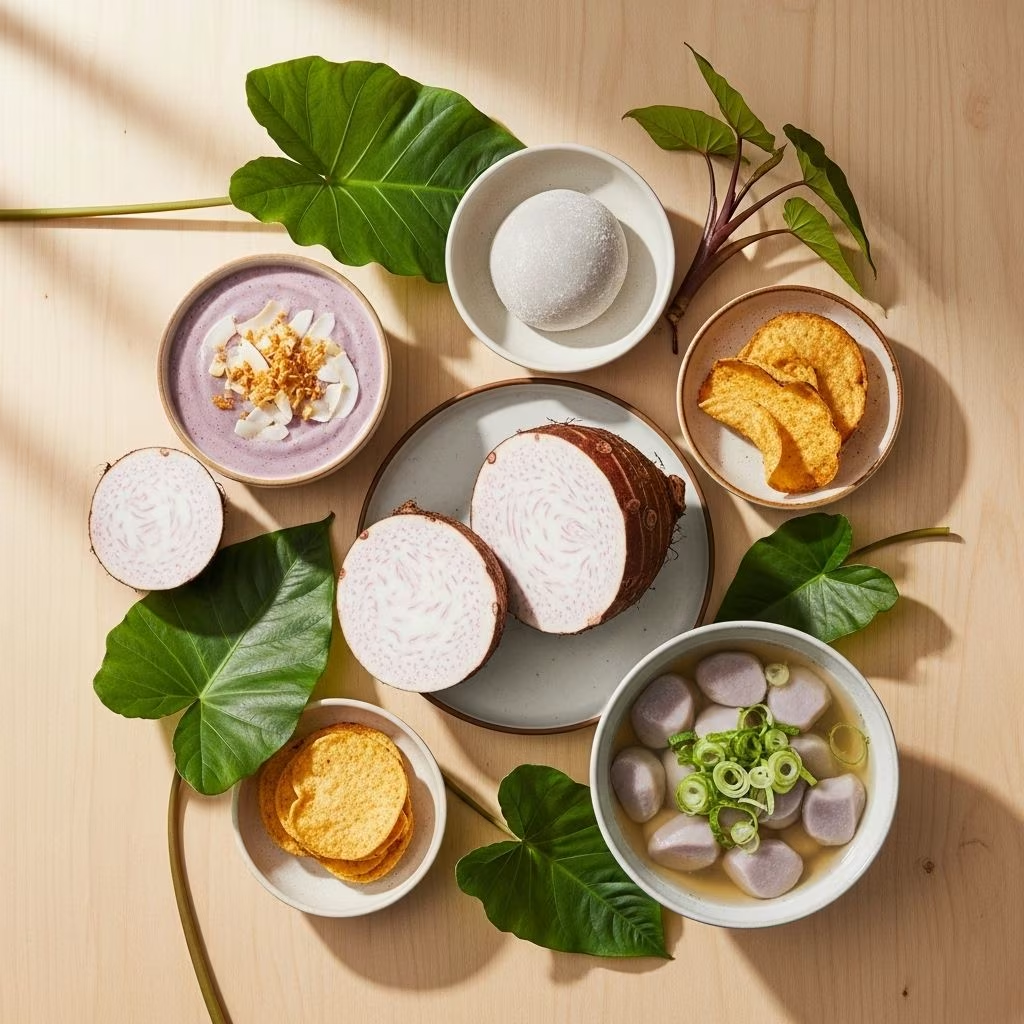
What Is Taro? Benefits, Uses, and Taste
Introduction to Taro
Taro (Colocasia esculenta) is a tropical, perennial root vegetable prized for its starchy, edible corm—the swollen underground stem—and lush, heart-shaped leaves. Considered one of the oldest cultivated crops, taro has been a staple food in Southeast Asia, the Pacific Islands, parts of Africa, and the Caribbean for millennia. Known by different names, including dasheen, eddo, and elephant’s ear, taro’s various cultivars and growing methods have led to a vast array of culinary and cultural traditions.
Botanical Overview and Origin
Taro belongs to the family Araceae. The main edible part is the corm, which is somewhat like a potato but with a denser structure and a brown, fibrous skin. Taro plants feature:
- Large heart- or arrowhead-shaped leaves on long, upright stems.
- Height: typically 3-8 feet when mature.
- Native region: Southeastern Asia, now widespread in tropical and subtropical climates globally.
- Flowering: Spathe and spadix structure, though flowering is rare in cultivation.
Taro’s adaptability allows it to thrive in swampy wetlands or upland dry soils, depending on the type. There are two main groups of taro cultivars:
- Dasheen type: Long central corm, fewer side cormels.
- Eddoe type: Smaller main corm, many side cormels.
Nutritional Profile
Taro is known for its energy-dense, starchy corm, but its nutritional value encompasses much more. Below is a typical nutritional breakdown per 100 grams of cooked taro root:
| Nutrient | Amount (per 100g cooked) |
|---|---|
| Calories | ~110 kcal |
| Carbohydrates | ~26g |
| Dietary Fiber | ~4g |
| Protein | ~2g |
| Fat | <0.2g |
| Vitamin E | 0.2mg |
| Vitamin B6 | 0.2mg |
| Folate | ~20mcg |
| Potassium | ~484mg |
| Magnesium | ~33mg |
Taro contains appreciable levels of antioxidants, vitamin C, vitamin E, and certain B vitamins, along with minerals like potassium, magnesium, phosphorous, calcium, and iron. Diets including taro may support digestive, cardiovascular, and immune health.
Health Benefits of Taro
Taro’s nutritional composition yields several noteworthy health benefits:
- Supports Digestive Health: The high dietary fiber content in taro aids in digestion and can help regulate blood sugar levels and cholesterol, both important factors for heart health.
- Antioxidant Power: Taro corms and leaves contain polyphenols and other antioxidants, which help reduce the risks associated with oxidative stress and inflammation.
- Blood Sugar Regulation: The fiber and complex carbohydrates in taro are slowly digested, providing steady energy and helping prevent spikes in blood sugar.
- Heart Health: Rich in potassium, taro can help manage blood pressure by countering sodium’s effects, thus supporting cardiovascular health.
- Micronutrient Boost: Vitamins E, C, and B6, along with minerals like magnesium and iron, contribute to overall metabolic health and immune function.
- Gluten-Free: Naturally gluten-free, taro is safe for those with celiac disease or gluten sensitivity.
- Plant-Based Diets: Taro offers a nutrient-dense, plant-based source of energy and micronutrients, suitable for vegetarian and vegan diets.
Culinary Uses Around the World
Taro’s versatility is showcased by its diverse roles in global cuisines. Both root and leaves have unique culinary applications:
- Pacific Islands: Poi, a staple food in Hawaii and Polynesia, is made by mashing cooked taro corms into a paste—fermented or fresh.
- Southeast Asia: Used in curries, stir-fries, and desserts like taro cake, ice cream, and sweet soups.
- Africa: Taro is boiled, mashed, or fried as a side dish, similar to yam or cassava.
- India: Known locally as arbi, it’s prepared in spicy gravies, fritters (pakora), and stir-fried dishes.
- China: Utilized in sweet and savory dim sum, mooncakes, hot pots, and more.
- Caribbean: Often boiled as a staple starch or added to soups and stews.
- Modern Fusion: Taro chips, fries, and bubble tea (where taro is an iconic flavor for milk teas and desserts).
Special Note: Taro root must be cooked before consumption, as raw taro contains compounds that can cause throat irritation and discomfort.
Common Taro Dishes and Recipes
- Poi: Steamed taro corms mashed into a sticky, smooth paste.
- Taro Chips: Sliced thin, seasoned, and baked or fried for a crunchy snack.
- Taro Fries: Cut much like potato fries, usually seasoned with spices.
- Taro Stew: Combined with other vegetables and aromatic herbs.
- Taro Desserts: Taro cheesecake, taro mochi, taro bubble tea, and pudding.
Many cultures also use taro leaves in soups, stews, and as wrappings (steamed or braised).
Taro Leaves and Other Plant Parts
Beyond the starchy root, taro’s leaves are valuable for their nutritional and culinary uses:
- Taro leaves are rich in vitamins A and C, iron, and folate.
- Commonly consumed in curried preparations (South Asia), stews (Pacific Islands), and dishes like Filipino laing.
- Avoid raw consumption: The leaves must be thoroughly cooked to remove naturally occurring calcium oxalate, which can cause irritation.
No part of the taro plant is left unused in traditional diets—roots, leaves, and even stems featured in multiple preparations.
Taro Flavor and Taste Profile
Taro’s flavor is one of its defining features, making it prized in both savory and sweet dishes:
- Root: Mildly nutty, subtly sweet, and earthy flavor profile. The texture after cooking is thick, creamy, and slightly dry, comparable to potato but with a uniquely complex undertone.
- Leaves: Taste similar to spinach or collard greens when cooked, with a hearty, slightly mineral aftertaste.
- Varieties: Eddoe types tend to have a stronger flavor and firmer texture; dasheen is milder and more versatile for mashing.
- In Desserts: Taro has natural sweetness, which makes it ideal for ice creams, cakes, and milk teas; the flavor has been described as hinting at vanilla, coconut, or almond.
Raw taro is inedible due to high levels of calcium oxalate, which can irritate the mouth and throat and render a bitter taste. Cooking breaks down these compounds and brings out taro’s pleasant qualities.
How to Buy, Store, and Cook Taro
- Buying: Look for firm, heavy roots with unblemished skin. Some cultivars are small with deeply ridged skin (eddoe), others larger and smoother (dasheen).
- Storing: Keep taro root in a cool, dry place; do not refrigerate unless cut. Whole roots will keep for several weeks.
- Preparation: Wash and peel thoroughly before cooking. Common methods include steaming, boiling, baking, frying, or pressure cooking. Leaves must be cooked for sufficient time to remove toxins.
- Serving Suggestions: Use as a substitute for potato or sweet potato in savory recipes, or as a base in desserts for its color and flavor.
Potential Risks and Preparation Tips
- Calcium Oxalate: Raw taro corms and leaves contain calcium oxalate crystals, which are mildly toxic and cause irritation if consumed. Heating by cooking is necessary to neutralize these compounds.
- Allergy Risk: Rarely, some people may be allergic to taro or may experience digestive upset.
Preparation tips:
- Always peel and cook taro thoroughly.
- Use gloves when preparing taro to avoid skin irritation for sensitive individuals.
- Discard any slimy or discolored roots.
Frequently Asked Questions
Q: What is the difference between taro and sweet potato?
A: Taro is a corm from the Araceae family, whereas sweet potato is a true tuber from the morning glory family. Taro has a nuttier, more earthy taste and is stickier in texture than sweet potato.
Q: Is taro the same as yam?
A: No. Taro and yam are from different botanical families and have distinct flavors and textures. Many cultures use these terms interchangeably for starchy root vegetables, but they are not the same.
Q: Can taro be eaten raw?
A: No. Raw taro contains calcium oxalate, which is toxic if ingested. Only consume taro after it has been thoroughly cooked.
Q: Is taro healthy?
A: Yes. Taro is nutrient-dense, offering fiber, potassium, vitamins, antioxidants, and is low in fat.
Q: Where can I buy taro?
A: Taro roots and leaves are available in Asian and international grocery markets, as well as farmers’ markets in some climates.
Q: How does taro taste in desserts like bubble tea?
A: Taro lends a naturally creamy texture and a gentle vanilla/coconut-like sweetness, with a pale purple color that makes taro-flavored treats visually distinctive.
Conclusion
Taro is much more than a starchy root. It is a nutrition-packed, culturally significant plant with a unique taste and impressive versatility. Whether in a traditional Pacific Islander poi, a spicy South Asian curry, or a trendy bubble tea, taro continues to capture palates and offer health benefits worldwide. With thoughtful preparation and creative application, taro brings a world of flavors and healthful possibility to your table.
References
- https://ntbg.org/plants/plant_details.php
- https://plants.usda.gov/DocumentLibrary/plantguide/pdf/cs_coes.pdf
- https://extension.okstate.edu/programs/plant-id/plant-profiles/taro/
- https://pmc.ncbi.nlm.nih.gov/articles/PMC10421445/
- https://www.britannica.com/plant/taro-plant
- https://en.wikipedia.org/wiki/Taro
- https://www.uwsp.edu/sbcb/tropical-conservatory/taro/
- https://www.nparks.gov.sg/florafaunaweb/flora/1/8/1835


