


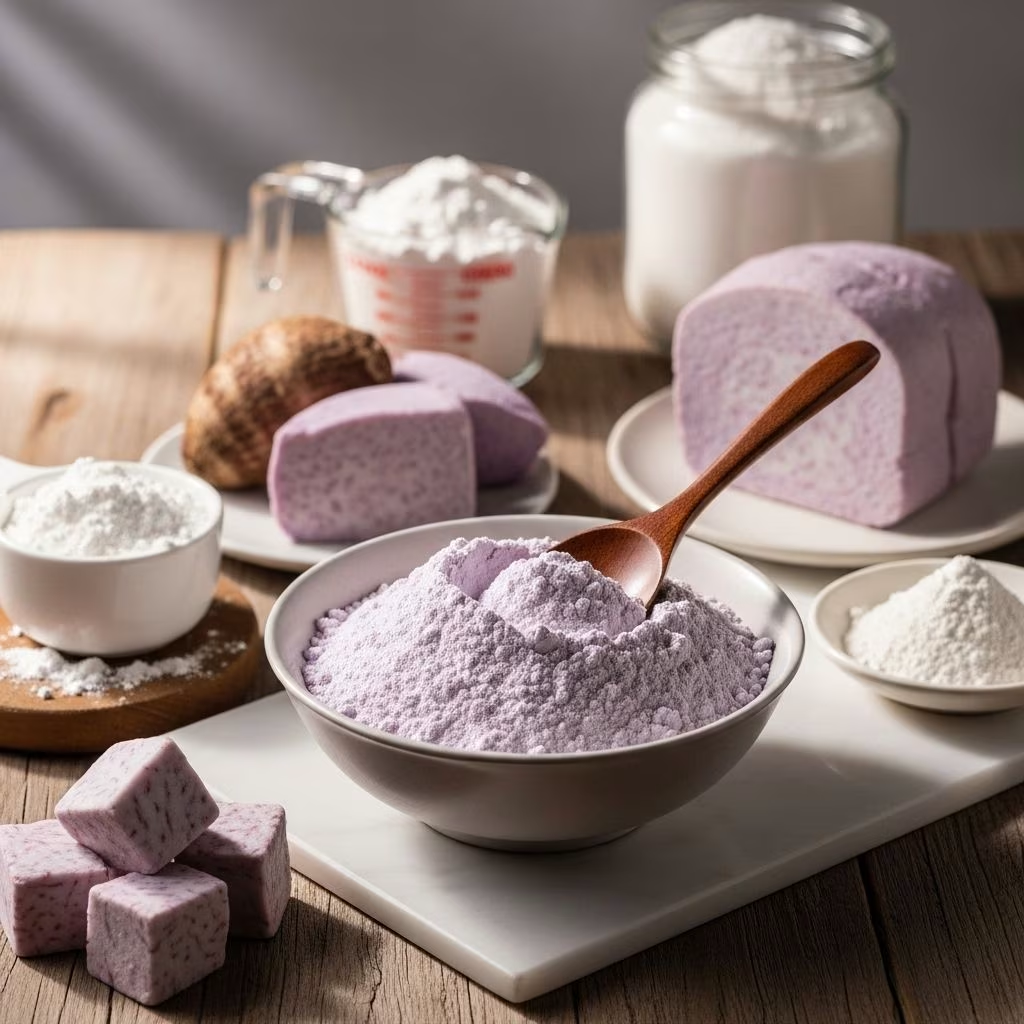
Taro Starch: Baking Uses, Substitutes & Nutrition
- Introduction
- What is Taro Starch?
- Baking Uses of Taro Starch
- Substitutes for Taro Starch
- Nutrition and Health Benefits
- Drawbacks & Considerations
- Buying and Storing Taro Starch
- Frequently Asked Questions (FAQs)
- Conclusion
Introduction
Taro starch, derived from the root vegetable taro (Colocasia esculenta), has been a staple ingredient in Asian, Pacific, and African cooking for centuries. Its unique composition and mild flavor have earned it a coveted place in both traditional and modern baking recipes. This article explores the many baking applications of taro starch, common substitutes, its nutrition profile, and expert tips to help home bakers make the most of this versatile ingredient.
What is Taro Starch?
Taro starch is extracted from the taro root—a starchy tuber known for its purple or white flesh and nutty flavor. When processed, taro root yields a fine, white powder similar in appearance to cornstarch or potato starch. The main components of taro starch include amylose and amylopectin, two glucose polymers that influence its thickening, gelling, and texture properties in baked goods.
- Origin: Taro is cultivated mainly in Asia, Africa, and Oceania. The plant has large, heart-shaped leaves, but only the root is used for starch production.
- Flavor Profile: Mildly earthy and nutty taste that does not overpower other ingredients, making it suitable for both sweet and savory baking.
- Processing: The root is peeled, washed, grated, and soaked to release starch, which is then dried and ground.
How Taro Starch Differs from Taro Flour:
- Taro starch is pure starch extracted from taro; taro flour contains the whole root, retaining more fiber and nutrients but also more flavor.
- Starch is better for thickening and creating light, airy textures; flour imparts denser textures and stronger taro flavor.
Baking Uses of Taro Starch
Taro starch serves a variety of functions in baking, particularly in gluten-free and allergy-friendly recipes. Its neutral flavor and unique texture properties make it valuable for the following baking applications:
- Bread Texture Enhancer
Taro starch increases the tenderness and airiness of yeast breads and cakes when blended with wheat or other flours. It results in lighter, softer crumb and improved shelf stability. - Moisture Retainer
By absorbing and holding moisture, taro starch helps prolong freshness in baked goods. It prevents them from drying out after baking. - Thickening and Binding Agent
Similar to cornstarch or potato starch, taro starch thickens mixtures and binds ingredients. It is widely used for making custards, pie fillings, and gluten-free cookies. - Gluten-Free Structure Builder
In gluten-free baking, taro starch improves elasticity and prevents crumbling. It is commonly combined with rice flour or other starches in recipes for muffins, cakes, or flatbreads. - Dessert Ingredient
Taro starch features prominently in Asian desserts, such as taro cakes, steamed buns, and pudding-like treats, adding subtle flavor and a pleasing mouthfeel. - Batter Coating
Used for crispy coatings in baked or fried foods, taro starch produces a delicate crust and golden color.
Popular Baking Recipes Using Taro Starch
- Taro Bread: Infused with mashed taro or taro starch for moist, tender crumb and an attractive purple swirl. Often seen in Asian bakeries.
- Moon Cakes: Taro paste made with starch is used for filling in sweet pastry—results in a creamy, cohesive texture.
- Steamed Buns: Blended into dough or fillings for added moistness and a distinctive flavor that pairs well with coconut or sweet bean paste.
- Taro Cake: A savory, steamed or baked dish featuring taro and rice flour/starch, popular in Chinese cuisine.
- Taro Pudding and Custards: Thickened with taro starch to yield creamy and smooth textures.
| Baked Food | Function of Taro Starch | Remark |
|---|---|---|
| Breads | Improves crumb softness and airiness | Best combined with flour; distinctive purple flecks if taro is used |
| Cakes | Lightens texture, retains moisture | Can substitute other starches or flour blends |
| Cookies | Adds crispness, reduces spreading | Enhances shelf life |
| Custards & Puddings | Thickens mixtures, improves mouthfeel | Neutral flavor suitable for sweet or savory |
| Steamed Buns | Moisture retention, gluten-free binding | Milder taste, improved texture |
Substitutes for Taro Starch
When taro starch is unavailable, several alternatives can be used with comparable results in baking:
- Potato Starch:
Best for similar thickening and texture, works well in both baking and custards. - Cornstarch:
Offers neutral flavor and strong thickening, common in Western baking. - Tapioca Starch:
Slightly chewier texture, good for gluten-free or Asian-influenced recipes. - Rice Flour:
Provides mild thickening, useful for flatbreads, noodles, and cakes though less binding than starches. - Arrowroot Starch:
Smooth, clear thickener, well-suited for delicate custards or sauces.
Each substitute has its own pros and cons and can slightly alter the finished product’s flavor, texture, and appearance. When substituting, use an equal measure swap for most baking applications.
| Substitute | Texture Result | Flavor Result | Best Uses |
|---|---|---|---|
| Potato Starch | Light, fluffy | Neutral | Breads, cakes, cookies |
| Cornstarch | Crisp, firm | Neutral | Pie fillings, cookies, pudding |
| Tapioca Starch | Chewy | Mild | Breads, flatbreads, snacks |
| Arrowroot | Smooth, glossy | Neutral | Custards, sauces |
| Rice Flour | Dense | Mild | Dumplings, noodles, cakes |
Nutrition and Health Benefits
Taro starch and taro root offer various nutritional benefits, particularly for those seeking gluten-free or easily digestible ingredients in their diet. While taro starch itself is mostly carbohydrate, taro root contains fiber, vitamins, and minerals.
- Low Allergen Risk: Naturally gluten-free; suitable for celiac and wheat-sensitive diets.
- Digestibility: Contains less resistant starch than some alternatives, supporting gentle digestion.
- Micronutrient Presence: Taro root (the source of starch) provides potassium, magnesium, vitamin C, E, and B6 in modest amounts.
- Energy Source: Predominantly carbohydrate, suitable for fueling physical activity or maintaining energy in balanced diets.
- Low Fat Content: Virtually fat-free when processed as pure starch.
Approximate Nutritional Composition (per 100g taro starch):
- Calories: 350-370 kcal
- Carbohydrate: 88-92g
- Protein: <1g
- Fat: <0.5g
- Dietary Fiber: Essentially none
- Sodium: <10mg
In comparison, taro flour (made from the whole root) offers more fiber, potassium, and micronutrients. Taro starch, however, is preferred for its pure thickening power.
Potential Health Benefits:
- Helps support digestive health due to low allergenicity.
- Provides easily metabolized energy without excess sugar.
- May help regulate blood pressure via potassium intake (if using taro flour).
Drawbacks & Considerations
While taro starch is generally considered healthful and safe, a few considerations should be kept in mind:
- Low Protein and Fiber: Pure taro starch lacks substantial dietary fiber or protein, so it should be combined with other ingredients for balanced nutrition.
- Allergic Reactions: Rare, but some may experience sensitivity to compounds in taro if poorly processed. Always purchase from reputable suppliers.
- Lack of Micronutrients: Unlike taro flour, taro starch offers very few vitamins and minerals.
- Caloric Density: As a pure carbohydrate, calorie content is high, which may be a consideration for those with caloric restrictions.
Buying and Storing Taro Starch
Taro starch is available in many Asian and specialty food markets:
- Choose products labeled as “pure taro starch” or “taro root starch” with no added ingredients.
- Store taro starch in an airtight container in a cool, dry place to prevent clumping and spoilage.
- Typical shelf life is 12-24 months if stored correctly.
Tip: If you’re buying taro flour, note that it may behave differently than taro starch in recipes. For baking precision, use starch in recipes calling for it, and flour where specified.
Frequently Asked Questions (FAQs)
Is taro starch gluten-free?
Yes, pure taro starch is gluten-free and suitable for those with celiac disease or gluten intolerance.
Can taro starch replace cornstarch in recipes?
In most baking and thickening recipes, taro starch can substitute cornstarch in equal amounts, though results may vary slightly depending on dish.
Does taro starch taste like taro?
Taro starch itself has a minimally earthy, neutral taste and will not overpower baked goods. The flavor is less pronounced than whole taro root or taro flour.
What is the difference between taro flour and taro starch?
Taro flour is made from the whole root, containing fiber, micronutrients and more pronounced taro flavor. Taro starch is the isolated carbohydrate fraction, best for thickening and light textures in baking.
Is taro safe for baking?
Yes, provided you use properly processed taro starch or flour. Uncooked taro contains calcium oxalate crystals which can irritate, but these are removed by cooking or commercial processing.
Which recipes benefit most from taro starch?
Taro starch excels in light, tender breads, gluten-free cakes, custards, puddings, and as a binding agent in cookies or dumpling wrappers.
Conclusion
Taro starch is an adaptable, gluten-free ingredient ideal for enhancing the texture, appearance, and shelf life of a wide range of baked goods. Whether you are seeking an alternative to wheat-based thickeners or you are embarking on creative Asian-inspired baking, taro starch offers both practical and nutritional benefits worth exploring. With an understanding of its uses, substitutes, and potential health impacts, home bakers can confidently incorporate taro starch into their culinary repertoire for delightful results and diverse flavors.
References
- https://www.youtube.com/watch?v=_t3ihL4izuI
- https://www.rhiansrecipes.com/crispy-taro-fritters-vegan-gf/
- https://www.youtube.com/watch?v=fXPOvBgPCq0
- https://bakeomaniac.com/taro-brownies-recipe/
- https://www.madewithlau.com/recipes/taro-cake
- https://www.sj-r.com/story/lifestyle/food/recipes/2025/07/29/check-out-this-taro-white-chocolate-and-coconut-cookie-recipe/85404392007/
- https://yummyaddiction.com/taro-root-recipes/


