


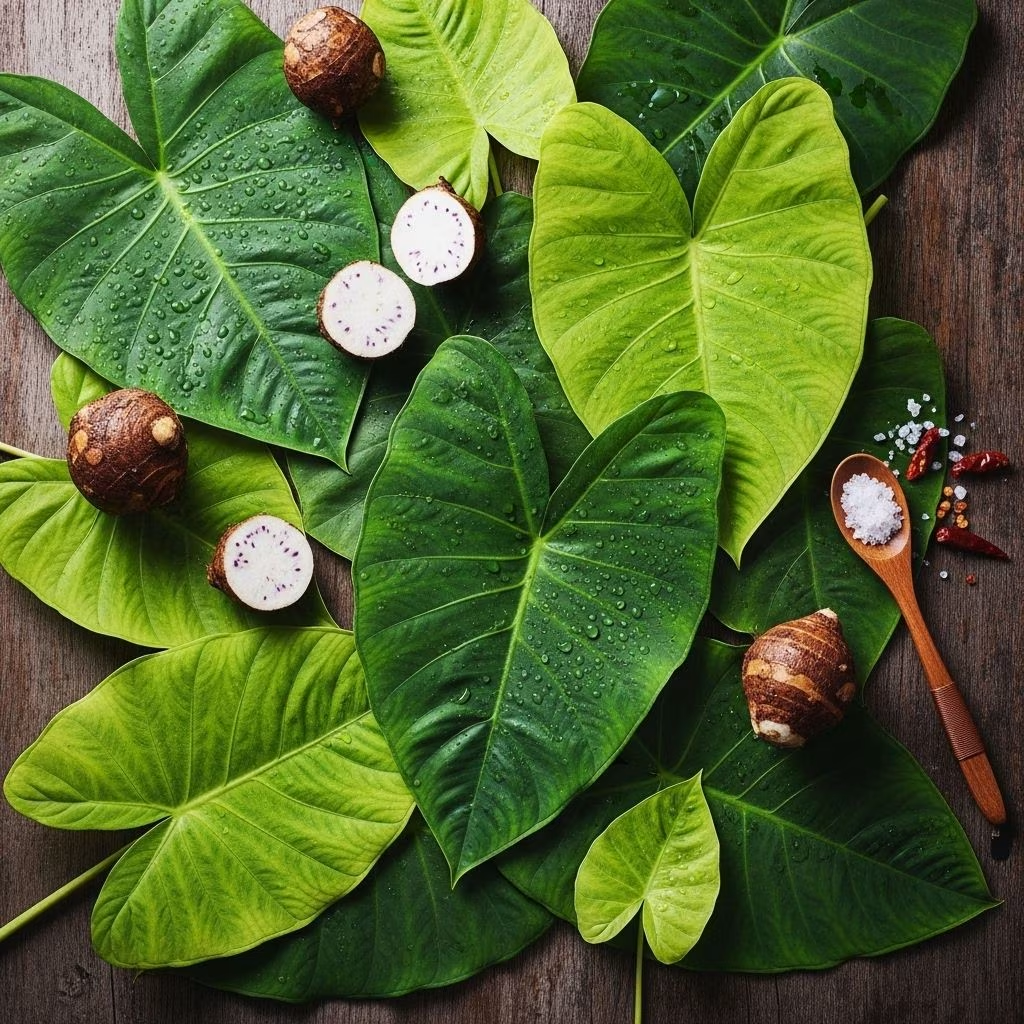
Taro leaves, the large and lush green foliage of the Colocasia esculenta plant, play a central role in traditional cuisines and cultures around the world. While the starchy corm of taro is a global staple, its leaves offer unique culinary, nutritional, and medicinal value that has been cherished across Asia, the Pacific Islands, Africa, and beyond. This comprehensive guide explores what taro leaves are, their numerous health benefits, how they’re used, their flavor profile, preparation safety, and much more.
Introduction to Taro Leaves
Taro leaves are the edible green leaves of the taro plant, Colocasia esculenta, which is native to Southeast and Southern Asia but now cultivated worldwide. The plant thrives in wet, tropical, and humid conditions and is renowned for both its root (taro corm) and its nutritious leaves. Taro leaves are considered a versatile leafy green, traditionally used in a variety of savory dishes spanning from Hawaiian Luau to Indian Patra.
Botanical and Physical Description
Plant Structure: The taro plant is a perennial herb characterized by its thick, upright stems (petioles) and large clusters of heart- or arrowhead-shaped leaves. These leaves are usually dark green on the surface and lighter green underneath, displaying prominent veining. The stems may be green, red, purple, or variegated in color and grow to heights of 0.8–1.2 meters (2.5–4 feet) with leaves up to 0.9 meters (nearly 3 feet) long in some varieties .
Each leaf is attached to the stalk near its center rather than at the edge, contributing to its distinctive appearance. The base of the plant contains corms (the edible root for which taro is most widely known) and, at times, smaller tubers or ‘cormels.’
| Feature | Description |
|---|---|
| Shape | Heart-shaped, sometimes referred to as elephant ear or arrowhead |
| Size | Up to 0.9 m (3 ft) in length |
| Color | Dark green (surface), light green (underside), sometimes red or purple veins |
| Texture | Smooth, broad, pliable |
| Stem | Thick, erect, attached near center; can be green, purple, or variegated |
Nutritional Value of Taro Leaves
Taro leaves are a highly nutritious green, offering an array of essential vitamins, minerals, and phytonutrients with low caloric density. They are especially prized in food-insecure regions for their density of bioavailable nutrients and their ability to flourish in tropical environments.
- Rich in Vitamins: High amounts of vitamin A (for vision and immunity), vitamin C (immune support, antioxidant), and B-complex vitamins, particularly riboflavin and folate .
- Mineral Content: Significant quantities of potassium (fluid regulation), calcium (bone health), magnesium (nerve and muscle function), iron (hemoglobin production), phosphorus, zinc, copper, and manganese.
- Dietary Fiber: Both soluble and insoluble fibers support digestive health and stable blood sugar regulation.
- Protein: Up to 5% by weight in raw leaves, making taro greens valuable where animal protein is less accessible .
- Antioxidants and Phytochemicals: Contains plant polyphenols and antioxidants that fight oxidative stress.
Typical nutritional value per 100g (cooked):
- Calories: 30–35 kcal
- Protein: 3–5g
- Carbohydrates: 7g
- Vitamin C: 50–60% of RDA
- Vitamin A: 30–40% of RDA
- Iron: 10–15% of RDA
Exact values vary with variety and preparation.
Health Benefits of Taro Leaves
The consumption of cooked taro leaves brings a range of scientifically-recognized health benefits:
- Supports Eye and Skin Health: Vitamin A content helps maintain low-light vision and promotes youthful, glowing skin.
- Boosts Immunity: High vitamin C strengthens the immune system and aids in wound healing.
- Heart Health: Potassium content balances sodium levels, helping to regulate blood pressure.
- Supports Bone Health: Calcium, magnesium, and phosphorus work together for bone density and strength.
- Improves Blood Health: Iron and folate facilitate red blood cell production and prevent anemia.
- Digestive Support: Dietary fiber promotes gastrointestinal regularity and feeds beneficial gut microbes.
- Weight Management: Low calorie, high fiber content aids in satiety and appetite control.
- Antioxidant Protection: Protects cells from free radical damage, possibly reducing chronic inflammatory conditions.
Culinary Uses and Preparation Methods
Taro leaves are integral to many regional and national cuisines. They are rarely eaten alone or raw, due to their natural presence of oxalates, but are a staple in:
- Soups & Stews: Used in curries, coconut milk stews, or simmered with spices and other vegetables.
- Leaf Rolls: Leaves are stuffed with seasoned fillings (rice, lentils, spices), then steamed or simmered as in Indian “Patra” or “Alu Vadi.”
- Patties & Dumplings: Minced leaves mixed with flour or starch and formed into dumplings.
- Hawaiian Luau: The iconic luau dish features taro leaves slow-cooked with pork or fish and coconut milk.
- African & Caribbean Cuisine: Featured in “Callaloo” (a leafy stew) and other vibrant regional specialties.
Methods for Preparation:
- Boiling: The most effective way to remove oxalates and soften texture. Several changes of water may be used to minimize any itchiness.
- Steaming: Gentle method that preserves nutrients and color.
- Sautéing: After blanching, leaves are stir-fried with seasonings.
- Simmering in Coconut Milk: Popular in Southeastern Asia and the Pacific.
Taste Profile
Properly cooked taro leaves have a mild, earthy, and slightly nutty flavor with subtle undertones of spinach and minimal bitterness. The texture is pleasingly tender, sometimes with a delicate crispness, and can take on the taste of accompanying ingredients due to its relatively subtle taste.
- Raw Taste: Raw leaves are toxic and have a harsh, acrid taste.
- Cooked Taste: Delicate, spinach-like but more robust; some say it resembles chard with an almost creamy mouthfeel.
- Pairings: Pairs well with coconut milk, garlic, onions, chilies, citrus, seafood, meats, and root vegetables.
Ethnobotanical and Cultural Significance
Taro leaves hold a revered position in folklore, rituals, and cuisine:
- Pacific Islands: In Hawaii, called “Lu’au” or “Kalo,” leaves are central to feasts, symbolizing abundance and community.
- India: Known as “Patra” or “Arbi ke patte,” leaves are rolled with spiced gram flour paste, steamed, and sautéed.
- Southeast Asia: Used in “Laing” (Philippines), “Sayur Daun Talas” (Indonesia), and “Kohai Mon” (Vietnam).
- Africa & Caribbean: Essential in “Callaloo,” where the leaves are cooked with okra, coconut milk, or seafood.
Selection, Storage, and Seasonality
- Selection: Choose taro leaves that are vibrant dark green, with no wilting or yellow patches, and supple, uncracked stems.
- Storage: Wrap unwashed leaves in a damp paper towel, refrigerate in a perforated bag, and use within 2–4 days for best freshness.
- Seasonality: Typically available year-round in tropical climates but peak after rainy seasons when leaves are most tender.
Safety Precautions and Proper Preparation
Important: Taro leaves must never be eaten raw. They are high in calcium oxalate crystals, which are toxic and cause an intense stinging or itchy sensation in the mouth and throat, and may trigger digestive upset if ingested. To safely prepare:
- Always wash leaves thoroughly to remove stubborn dirt or sand.
- Cook leaves completely: boiling, steaming, or slow cooking for at least 10–20 minutes until soft and silky.
- Discard cooking water, as some oxalates leach into the water during cooking.
- Consuming very large amounts or undercooked leaves can result in oxalate poisoning, so best follow traditional preparation methods.
Common Misconceptions
- “Raw taro leaves are safe if small amounts are used.”
False — raw or undercooked leaves can cause toxicity regardless of quantity. - “Taro leaves and corms taste alike.”
False — the corm is starchy and potato-like, while the leaves are green, mild, and earthy. - “All elephant ear plants are edible like taro.”
False — some related aroids look similar but are not edible and may be highly toxic. Correct identification is essential.
Frequently Asked Questions (FAQs)
Q: What are the health dangers of eating raw taro leaves?
A: Raw taro leaves contain calcium oxalate crystals that can irritate, inflame, and potentially damage the mouth, throat, and digestive tract. Ingesting them raw may cause severe discomfort or even require medical attention in sensitive individuals.
Q: Why do some people report itchiness after eating taro leaves?
A: Insufficiently cooked leaves may retain oxalates, causing itchiness or a ‘tingling’ sensation. Proper cooking dissipates most of these compounds and makes leaves safe and comfortable to eat.
Q: Can you freeze cooked taro leaves?
A: Yes, once cooked, taro leaves can be cooled and frozen for later use. This can help preserve their nutrients and texture for use in soups, stews, or sauces.
Q: What do taro leaves pair well with in cooking?
A: Taro leaves are especially delicious with coconut milk, garlic, ginger, chilies, seafood, and rich umami flavors. They work well in both vegetarian and non-vegetarian dishes.
Q: Are taro leaves suitable for people on vegetarian or gluten-free diets?
A: Yes. Properly cooked taro leaves are naturally gluten-free, vegetarian, and vegan, making them a nutritious addition to most diet plans.
Conclusion
Taro leaves stand out as one of the world’s most ancient and versatile edible greens, bringing together robust nutrition, medicinal properties, and a gentle, adaptable taste. Revered across continents for their cultural and culinary importance, these leaves deserve respect in the kitchen for both their flavor and their need for safe, thorough preparation. By honoring traditional cooking methods, taro leaves can be a delicious and sustaining part of any healthy, adventurous diet.
References
- https://ntbg.org/plants/plant_details.php
- https://specialtyproduce.com/produce/Taro_Leaves_3409.php
- https://plants.usda.gov/DocumentLibrary/plantguide/pdf/cs_coes.pdf
- https://www.nparks.gov.sg/florafaunaweb/flora/1/8/1835
- https://en.wikipedia.org/wiki/Taro
- https://www.uwsp.edu/sbcb/tropical-conservatory/taro/
- https://www.britannica.com/plant/taro-plant


