


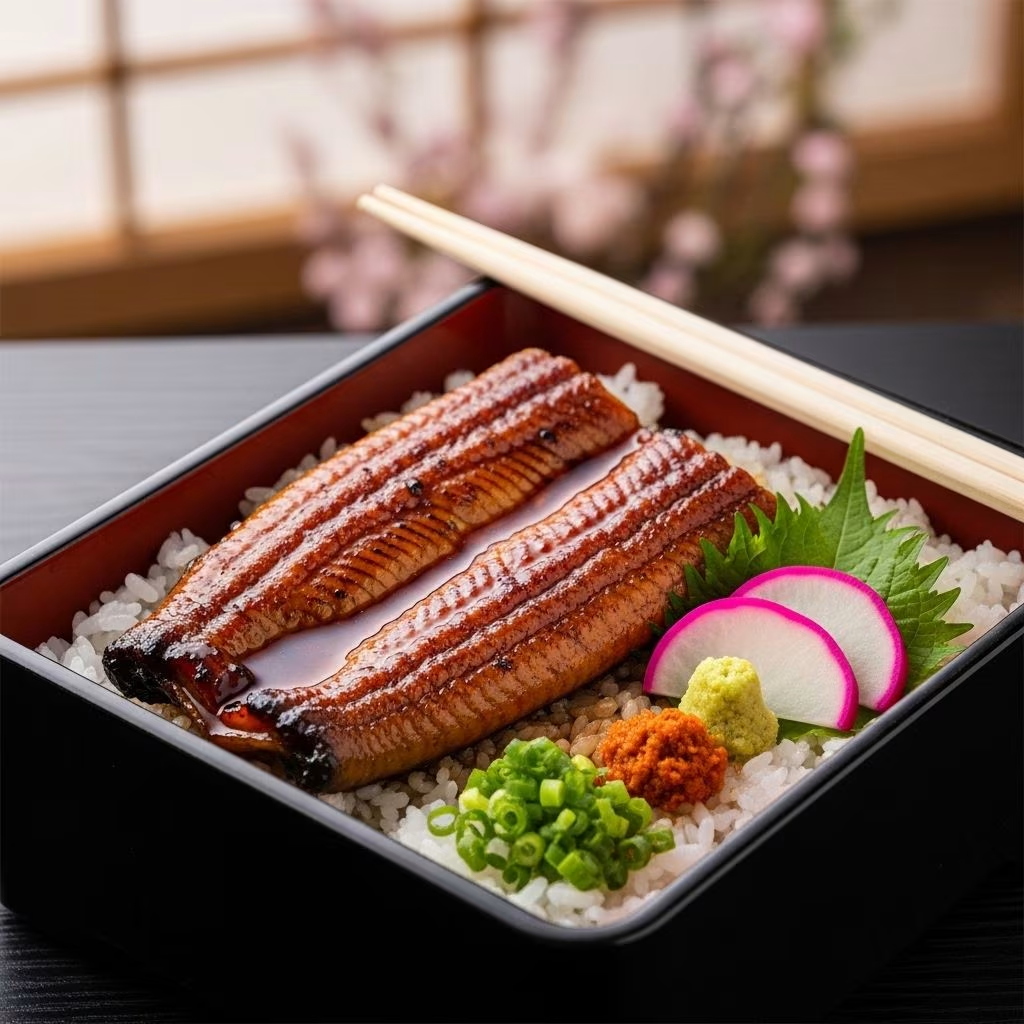
Unagi is more than just a staple of Japanese cuisine—it’s a revered ingredient with a deep cultural legacy, distinctive nutritional profile, and unique taste experience. This detailed guide explores what unagi is, its history in Japanese gastronomy, preparation methods, health effects, environmental impact, and much more.
What is Unagi?
Unagi (うなぎ or 鰻) is the Japanese term for freshwater eel, most commonly referring to the Japanese eel species, Anguilla japonica. This eel thrives in East Asia’s rivers and ponds, and its tender meat has made it a premium delicacy in Japanese cuisine and beyond.
Unagi is distinct from its saltwater cousin “anago” and plays a unique role in Japanese food traditions as well as folk medicine. The fish is always cooked before consumption due to the presence of toxins in its blood, which are neutralized by heat.
Unagi at a Glance
| Feature | Description |
|---|---|
| Scientific Name | Anguilla japonica |
| Common Name (Japan) | Unagi |
| Habitat | Freshwater rivers, lakes, coastal areas of Japan, East Asia |
| Cuisine Use | Grilled, steamed, in rice dishes (unadon, unaju), sushi, snacks |
| Key Nutrients | Protein, Vitamin A, B-vitamins, Calcium, Omega-3 |
| Flavor Profile | Rich, sweet, savory, tender, full-bodied |
Unagi in Japanese Culture
Unagi is so integral to Japanese gastronomy that there are specialized restaurants (called “unagiya”) throughout Japan, with some establishments boasting generations of expertise. Signs bearing the hiragana “う” (“u”) denote unagi shops and are commonplace, especially near regions famed for unagi cultivation, like Lake Hamana in Shizuoka Prefecture.
Unagi carries symbolic meaning and is traditionally eaten on the midsummer “Day of the Ox” (Doyo no Ushi no Hi), a practice believed to impart strength and combat the oppressive summer heat. Eating unagi on this day dates back to the 18th century, stemming from a blend of folk beliefs and clever marketing by unagi vendors.
- Doyo no Ushi no Hi: Unagi is popularly consumed during midsummer to provide stamina and vitality.
- Regional Delicacy: Different Japanese regions have signature sauces and grilling styles for unagi.
Unagi vs Anago: Freshwater vs Saltwater Eel
While “unagi” refers to freshwater eel, its marine counterpart is “anago” (Conger eel), which is typically leaner and milder in taste. Their distinction is crucial in Japanese cuisine, with each prepared and used differently.
| Aspect | Unagi (Freshwater Eel) | Anago (Saltwater Eel) |
|---|---|---|
| Japanese Name | Unagi (鰻) | Anago (穴子) |
| Habitat | Freshwater rivers, lakes | Marine, coastal waters |
| Texture | Rich, fatty, tender | Lean, mild, delicate |
| Typical Use | Grilled unagi (kabayaki), unadon, unagi sushi | Anago sushi, tempura |
How Unagi Is Prepared
Unagi is never consumed raw because its flesh contains toxins that are destroyed upon cooking. The quintessential way unagi is prepared in Japan is “kabayaki“—eel fillets are skewered, dipped in a sweet soy-based sauce (tare), and grilled over charcoal. The grilling process imparts a smoky, caramelized surface, while repeated basting with tare enriches the savoury-sweet flavor and produces an alluring glaze.
Main Unagi Preparations
- Kabayaki: Filleted eel, marinated in a soy-mirin sauce, charcoal-grilled to a golden caramelized finish.
- Shirayaki: Grilled without sauce, seasoned only with salt to highlight the clean, natural eel flavor.
- Steamed Unagi: In the Kanto region, eel is steamed before grilling, making the flesh especially tender.
Preparation Rituals
- The eel is slit open (usu. lengthwise), gutted and filleted.
- Pieces are skewered and grilled over charcoal.
- In Kanto, the fillets are steamed to remove excess fat, then basted in tare and grilled again.
- Basting with tare occurs multiple times for flavor layering.
- Sometimes topped with sansho (Japanese pepper) to add a fresh aroma and digestive support.
Uses of Unagi in Cuisine
Unagi is celebrated for its versatility and luxurious character, appearing in both humble and high-end dishes. Its rich, umami-laden flavor elevates rice bowls and sushi alike, lending itself to various formats both inside and outside Japan.
Popular Unagi Dishes
- Unadon / Unaju: Sliced kabayaki unagi over a bowl (don) or lacquered box (ju) of steamed rice, topped with extra tare sauce.
- Unagi Nigiri: A slice of grilled eel atop a compact ball of sushi rice, often brushed with tare and secured by a thin strip of nori.
- Unakyu Roll: Sushi roll featuring unagi and cucumber—popular in Western sushi bars.
- Unagi Pie: A unique regional specialty—sweet biscuit flavored with powdered unagi.
- Hitsumabushi: Nagoya’s specialty—grilled eel chopped atop rice, served with various condiments and dashi broth.
International Uses
- Unagi is often enjoyed smoked or as a luxury delicacy in European and Asian cuisines.
- Packaged grilled unagi is exported and used in ready-to-eat sushi or rice bowls.
Nutritional Benefits of Unagi
Unagi doesn’t just taste delicious—it offers notable health benefits as well. It is a nutritional powerhouse, rich in easily absorbable protein and essential vitamins.
- High-Quality Protein: Supports muscle growth, tissue repair, and overall energy.
- Vitamin A: Vital for eye health, immune support, and skin maintenance.
- Calcium: Supports strong bones and teeth.
- Omega-3 Fatty Acids: May reduce inflammation, support cardiovascular health, and boost brain function.
- B Vitamins (B1, B2, B12): Contribute to healthy nerves, red blood cell production, and energy metabolism.
- Phosphorus and Potassium: Support metabolic processes and fluid balance.
Due to its rich fat content, unagi is more calorically dense than white-fleshed fish. This makes it especially prized for supporting vigor during summer heat, which underpins its cultural role as a stamina food in Japan.
Taste and Texture of Unagi
The defining quality of unagi is its full-bodied, savory-sweet flavor and buttery, melt-in-your-mouth texture. Unlike most fish, unagi has a high fat content, which imbues each bite with a rich, satisfying mouthfeel devoid of fishiness.
Properly prepared unagi is gently yielding and moist, with a lightly crisped exterior from grilling. The signature tare glaze enhances the sweet, smoky umami and caramelized notes, balancing the depth of the eel’s meat.
Flavor Notes
- Rich Umami: Deep savory taste with subtle sweetness.
- Delicate Scent: Good quality unagi should have no earthy or fishy aftertaste.
- Caramelized & Smoky: Result of charcoal grilling and sauce glaze.
The combination of taste, texture, and aroma—especially when paired with rice and a hint of sansho pepper—makes unagi an unforgettable culinary experience.
Unagi Sustainability and Ethical Considerations
While unagi is celebrated for its flavor and tradition, it faces serious ethical and environmental challenges. The Japanese eel (Anguilla japonica) is currently listed as an endangered species due to overfishing, habitat destruction, and difficulties in captive breeding.
- Wild Catches: Populations of Japanese eel have dramatically declined in recent decades due to high demand and loss of natural breeding grounds.
- Sustainability Initiatives: Efforts are ongoing to develop aquaculture-based breeding cycles to reduce reliance on wild populations.
- Consumer Choices: Diners and chefs are encouraged to support sustainable eel farms and avoid contributing to population decline.
Conservation groups warn that unless sustainable practices become widespread, traditional unagi dishes may become increasingly rare or vanish from mainstream cuisine. Diners should seek out restaurants sourcing eels responsibly and support alternatives where possible.
Frequently Asked Questions (FAQs)
Q: Why is unagi always cooked and never served raw?
A: Both freshwater and saltwater eels contain toxins in their blood that are neutralized by heat. Unagi is always cooked—often grilled—before serving to ensure it is safe for consumption.
Q: What does unagi taste like?
A: Unagi has a uniquely rich, savory-sweet taste with a buttery, tender texture. When grilled, it acquires a slightly smoky, caramelized flavor enhanced by tare sauce.
Q: How healthy is unagi?
A: Unagi is high in protein, vitamin A, omega-3 fatty acids, calcium, and B vitamins, making it a nutritious option when enjoyed in moderation. Its higher fat content makes it more filling than many other types of fish.
Q: How is unagi used outside Japan?
A: Unagi is now popular in global cuisine, especially in sushi and fusion restaurants. Pre-cooked unagi is often imported and used in sushi rolls, rice bowls, and even as a gourmet topping for fusion pizzas or pastas.
Q: What are the best ways to enjoy unagi?
A: Traditionalists recommend unagi kabayaki on rice (unadon/unaju) for a classic experience, but unagi nigiri, unakyu rolls, and hitsumabushi are also excellent.
Q: Is eating unagi ethical?
A: Overfishing, habitat loss, and endangered status make sustainability a concern. Check if unagi is farmed responsibly or consider alternatives like farmed European or American eel if available.
Conclusion
Unagi’s journey from humble river fish to cherished culinary jewel is a testament to Japanese craftsmanship, innovation, and reverence for food. Its unbeatable taste, nutritional benefits, and prominent place in tradition make unagi an unforgettable part of Japanese dining culture. However, diners are encouraged to enjoy it thoughtfully—with an eye toward sustainability and ethical consumption—to help preserve this delicacy for future generations.


