


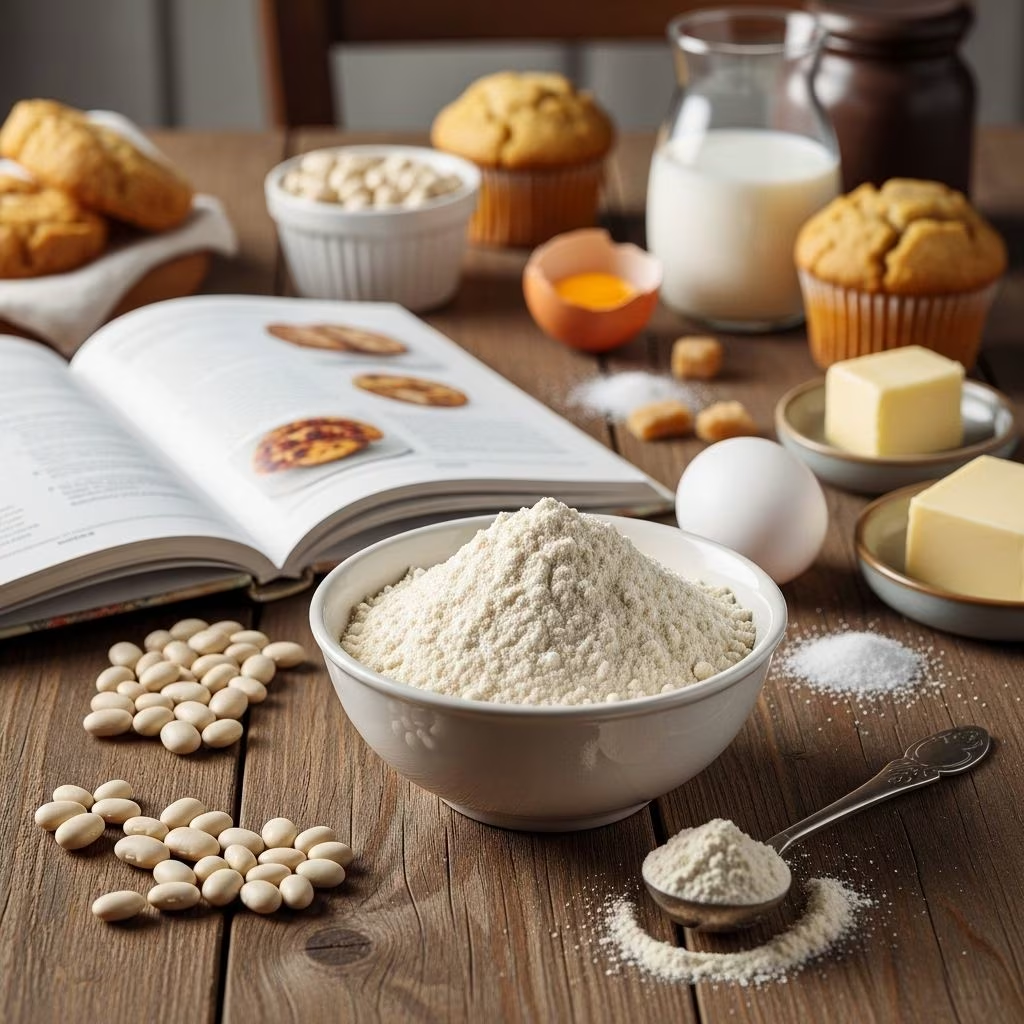
White bean flour is rapidly gaining traction as a versatile and health-conscious ingredient in both professional and home kitchens. This flour offers unique baking properties, serves as a reliable substitute for wheat flours, and is celebrated for its rich nutritional profile. This guide delves into baking uses, the best substitutes, and the nutrition of white bean flour, helping you maximize its potential in your culinary repertoire.
What Is White Bean Flour?
White bean flour is made by finely grinding dried white beans—commonly navy beans, cannellini beans, or Great Northern beans—into a soft, pale powder. The process retains nearly all of the legume’s fiber, protein, and micronutrients, making this flour an attractive functional ingredient. It has a neutral flavor profile, which makes it ideal for both sweet and savory uses.
The typical characteristics of white bean flour include:
- Color: Off-white or cream, matching the source beans.
- Texture: Fine, powdery, sometimes slightly gritty if ground at home.
- Flavor: Mild, faintly earthy, easily masked by other ingredients.
Baking Uses of White Bean Flour
White bean flour has carved a niche in baking, thanks to its ability to add moisture, binding, and structure to a wide variety of recipes without imparting an overpowering bean taste. Here are some of its most common and innovative baking applications:
- Cookies and Blondies: White bean flour works exceptionally well in dense, moist baked goods like blondies and brownies, where it contributes to a soft texture while providing extra nutrition .
- Cakes and Muffins: It helps yield baked goods with good crumb and moistness, often reducing or eliminating the need for eggs or refined flour .
- Breads and Savory Bakes: It can be used in flatbreads, tortillas, focaccia, and savory cakes, augmenting protein content and improving satiety.
- Thickener in Sauces: Its neutral flavor makes it an effective, nutrition-boosting thickener for gravies and soups.
Sample Recipe: White Bean Blondies
A popular use of white bean flour—or actual blended white beans as flour—is in healthy, gluten-free blondies. The core ingredients typically include cooked white beans, baking powder, honey or sugar, vanilla, oats, melted butter, and optional chocolate chips . The result is a moist, sweet, protein-rich dessert that hides the bean flavor well.
Sample Recipe: White Bean Coffee Cake
White bean flour or pureed beans can be used to make a grain-free, protein-rich coffee cake, delivering subtle flavor and a tender crumb . Ingredients often include eggs, white beans, coconut flour, honey, and baking powder, topped with a nut and cinnamon crumble for texture and flavor complexity.
White Bean Flour in Gluten-Free Baking
White bean flour is a cornerstone of many gluten-free baking formulas. Its natural viscosity and binding properties allow it to replace some or all wheat flour in recipes. It is commonly found in gluten-free flour mixes and used by itself or in combination with:
- Brown rice flour
- Oat flour
- Potato starch
- Tapioca flour
Since white bean flour is high in protein and fiber, it helps gluten-free baked goods hold their shape and remain moist, addressing two major challenges with gluten-free baking.
Tips for Success in Gluten-Free Baking:
- Blend white bean flour with starchier flours to avoid a dense end product.
- Add extra liquid to compensate for its absorbency.
- Always check for bean flavor. In sweet recipes, ample vanilla, spices, or cocoa can help mask any residual taste.
How to Use White Bean Flour in Recipes
White bean flour can be used as a direct substitute for a portion of wheat or gluten-free flour in many recipes. Here are key usage strategies:
- Ratio substitution: Replace up to 25-50% of regular flour with white bean flour in most baked goods. For denser items (e.g., brownies, cakes), you may substitute up to 100%.
- Binding agent: The high protein content makes it suitable as a binding agent in vegetarian burgers, patties, or bean cakes .
- Thickening soups: Stirring a few tablespoons into soups or sauces provides creaminess without dairy or gluten.
Popular Culinary Uses for White Bean Flour
| Recipe Type | Proportion of White Bean Flour | Role |
|---|---|---|
| Breads & Flatbreads | 10–30% | Adds protein and moisture, helps bind dough |
| Muffins, Cakes | 25–100% | Moisture, improved texture, gluten-free structure |
| Brownies, Blondies | 50–100% | Dense, fudgy texture, hides bean flavor |
| Soups, Sauces | 2–3 tbsp per liter | Thickens and enriches |
Substitutes for White Bean Flour
If you do not have white bean flour on hand, several alternatives can provide similar texture and nutritional boosts:
- Chickpea Flour (Garbanzo): Similar in protein, provides a nutty flavor, often detectable in mild recipes. Works best in savory baking.
- Lentil Flour: Mild, slightly earthy, higher in fiber. Swaps nicely for white bean flour in breads, pancakes, and dense cakes.
- Oat Flour: Gluten-free, adds moisture and mild sweetness, but is lower in protein and can be slightly gummier in large amounts.
- Almond Flour: Higher in fat, more neutral flavor. Adds tenderness to recipes but alters the macro-nutrient profile (more fat, less carbohydrate).
- Mashed White Beans: In recipes calling for puréed beans, canned or home-cooked white beans (navy or cannellini) blended until smooth can stand in for the flour, especially in brownies or cakes .
Substitution Considerations
- For 1 cup of white bean flour, use 1 cup chickpea or lentil flour, or 3/4 cup oat or almond flour plus up to 2 tbsp extra liquid as needed.
- Chickpea and lentil flours can be more strongly flavored; adjust with herbs, spices, or sweeteners based on your recipe’s profile.
Nutrition Profile of White Bean Flour
One of the standout attributes of white bean flour is its robust nutritional composition. Here is a representative nutritional breakdown for one cup (about 100g) of commercially prepared white bean flour:
| Nutrient | Amount per 100g | Daily Value (%) |
|---|---|---|
| Calories | 340 kcal | — |
| Protein | 21 g | 42% |
| Total Carbohydrate | 60 g | 20% |
| Dietary Fiber | 16 g | 57% |
| Sugar | 2 g | — |
| Fat | 1 g | 2% |
| Iron | 6 mg | 33% |
| Magnesium | 105 mg | 25% |
These numbers are approximate and will vary by brand and processing method, but the common threads include high fiber, significant protein, and ample micronutrients with very low lipid content.
Health Benefits of White Bean Flour
Incorporating white bean flour into your diet can offer several wellness advantages:
- Supports Muscle Growth: The high protein content is beneficial for vegetarians, vegans, or anyone seeking to boost muscle repair and satiety.
- Regulates Digestion: An excellent source of soluble and insoluble fiber, it aids digestive health and promotes stable blood sugar levels.
- Low Glycemic Index: White beans rank low on the glycemic index, meaning they produce a gradual rise in blood sugar—important for managing diabetes or cravings.
- Rich in Micronutrients: Beans provide iron, magnesium, potassium, and folate—nutrients that support energy, nervous system health, and overall vitality.
- May Reduce Cholesterol: The soluble fiber can help lower LDL (bad cholesterol) with regular consumption.
Tips on Buying and Storing White Bean Flour
For optimal results in baking, storage, and nutrition, follow these expert tips:
- Purchase: Choose reputable brands or grind your own dried white beans at home for fresher flavor and higher nutrient retention.
- Storage: Store white bean flour in an airtight container in a cool, dark, and dry place. Refrigeration extends its shelf life further.
- Check for freshness: Use flour within 3–6 months to prevent rancidity and maintain flavor.
- Avoid moisture: Bean flours can clump or spoil if exposed to humidity.
Frequently Asked Questions (FAQs)
Q: Can I make white bean flour at home?
A: Yes. Use a high-powered blender or grain mill to grind dried white beans (such as navy, cannellini, or great northern beans) into a fine powder. Sift for optimal texture.
Q: Does white bean flour taste like beans?
A: Baked goods made with white bean flour generally do not taste strongly of beans, especially when paired with spices, cocoa, or sweeteners. High proportions can yield a slight earthy note, but it is subtle.
Q: Is white bean flour safe to eat raw?
A: No, raw bean flour contains compounds (like lectins) that are deactivated by heat; always bake or cook before consumption.
Q: Is white bean flour suitable for gluten-free diets?
A: Yes. White bean flour contains no gluten and is appropriate for people with celiac disease or gluten intolerance. However, check packaging for cross-contamination if highly sensitive.
Q: Can I freeze white bean flour?
A: Yes. Freezing in an airtight container can further extend shelf life and preserve nutrients.
Q: How do I prevent dense or gummy baked goods?
A: Blend white bean flour with starchier flours (like rice or tapioca) and add eggs or flax/chia “eggs” to improve the crumb.
References
- Baked White Bean Cakes | The Bittman Project
- Grain-free White Bean Coffee Cake Recipe – Pamela Salzman
- White Bean Blondies | Don’t Waste the Crumbs
- White Bean Blondies – Bean Recipes
References
- https://bittmanproject.com/recipe/baked-white-bean-cakes/
- https://pamelasalzman.com/white-bean-coffee-cake-recipe/
- https://dontwastethecrumbs.com/white-bean-blondies/
- https://beanrecipes.com/white-bean-blondies/
- https://yupitsvegan.com/how-to-use-white-bean-flour/
- https://www.glutenfreecookingschool.com/how-to-use-bean-flours/
- https://joythebaker.com/2012/03/white-bean-bundt-cake/
- https://www.youtube.com/watch?v=HYXZih54Bno
- https://www.21stcenturybean.com/bean-flour-2/


