


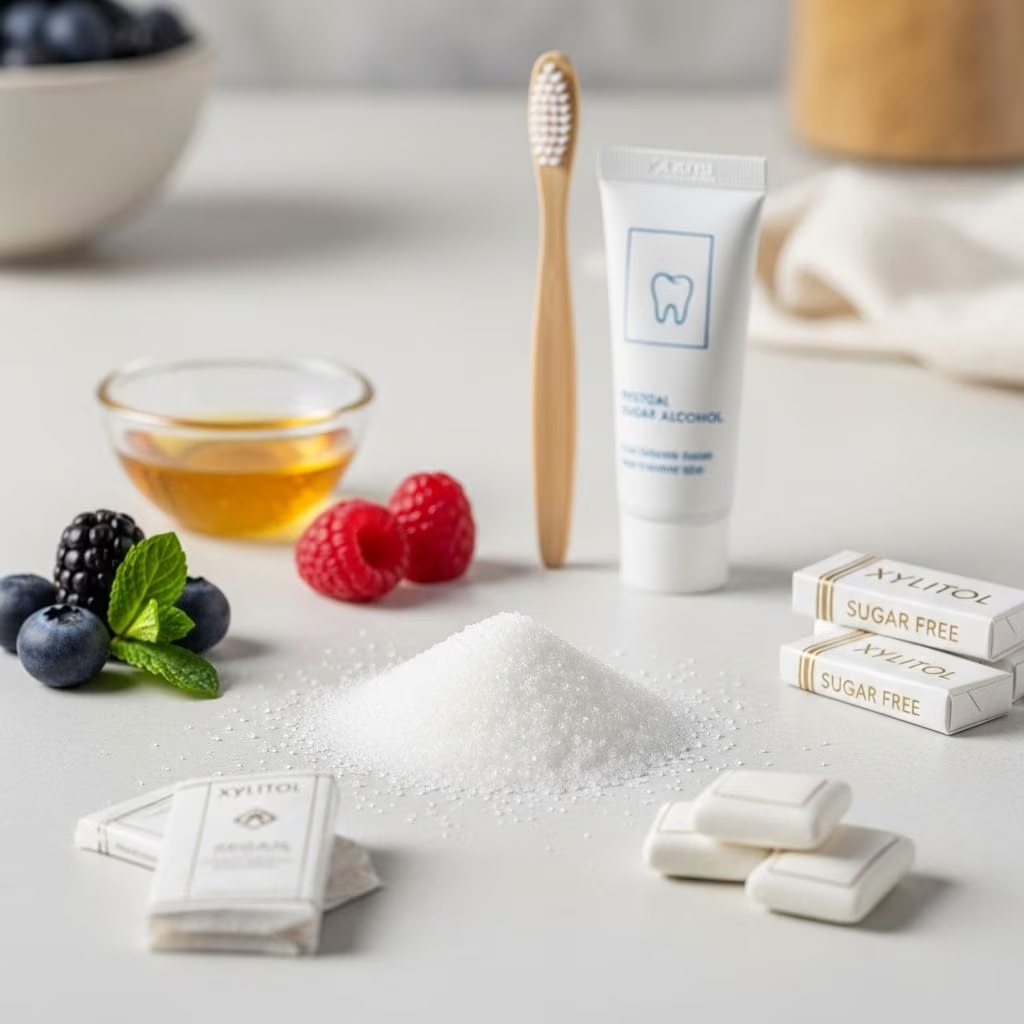
Xylitol is a sugar alcohol that is naturally found in small amounts in fibrous fruits and vegetables, trees like birch, corncobs, and even the human body. It is widely used as a sugar substitute due to its similar sweetness to sugar but with fewer calories and a low glycemic index. This makes it particularly beneficial for those managing diabetes or seeking to reduce sugar intake.
Introduction to Xylitol
Xylitol is chemically a sugar alcohol, meaning it combines traits of sugar molecules and alcohol molecules without actually containing alcohol. It is often extracted from birch wood and is used in a variety of products, including sugar-free chewing gum, toothpaste, and candies. Its widespread use is attributed to its ability to prevent tooth decay and reduce the risk of ear infections.
Benefits of Xylitol
- Dental Health: Xylitol inhibits the growth of bacteria that cause tooth decay, making it a popular ingredient in oral care products like toothpaste and mouthwash. It can also help reduce the incidence of cavities.
- Ear Infections: Xylitol has been shown to reduce the incidence of ear infections by acting against certain bacteria that can cause these infections.
- Antioxidant Properties: Some research suggests that xylitol may have antioxidant properties, though more studies are needed to confirm this.
- Low-Calorie Sweetener: Xylitol provides sweetness with fewer calories and does not raise blood sugar levels, making it suitable for people with diabetes or those following a low-carb diet.
Uses of Xylitol
Xylitol is utilized in a wide range of products, including:
- Sugar-Free Chewing Gum and Mints: These products often contain xylitol to prevent tooth decay.
- Toothpaste and Mouthwash: Xylitol is added to these products for its antibacterial properties.
- Confectionaries and Baked Goods: It is used in sugar-free candies, jams, jellies, and baked goods.
- Yogurt and Nut Butters: Some yogurts and nut butters contain xylitol as a sweetener.
- Saline Solutions for Nasal Irrigation: Xylitol is sometimes added to improve symptoms of chronic sinusitis.
- Textiles: Xylitol can be incorporated into fabrics to create cooling clothing.
Taste and Experience of Xylitol
Xylitol tastes sweet but has a different mouthfeel compared to sugar. It can cause a cooling sensation when first introduced to the mouth, which is why it’s often used in sugar-free gum and mints. The taste is generally similar to sugar but with a slight minty or metallic aftertaste for some people.
Toxicity of Xylitol
Xylitol is safe for human consumption but is toxic to dogs and ferrets. It can cause a rapid drop in blood sugar in dogs, leading to severe symptoms, so it’s crucial to keep xylitol products out of reach of pets.
Side Effects of Xylitol
While generally safe for most people, xylitol can cause digestive side effects such as bloating, gas, and diarrhea in some individuals. These effects are usually temporary and resolve as the body adapts to the substance.
Alternatives to Xylitol
For those who experience side effects or prefer alternatives, other sugar substitutes like stevia, erythritol, or sorbitol can be used.
Frequently Asked Questions (FAQs)
Q: Is Xylitol Safe for Children?
Yes, xylitol is safe for children and is often used in pediatric oral care products to prevent tooth decay.
Q: Can Dogs Eat Xylitol?
No, xylitol is toxic to dogs and can cause severe health issues. It should be kept out of reach of pets.
Q: Does Xylitol Cause Digestive Issues?
Yes, some people may experience digestive issues like bloating, gas, or diarrhea when consuming xylitol.
Q: Is Xylitol Used in Cooking and Baking?
Yes, xylitol can be used in cooking and baking as a sugar substitute, though it requires some adjustments in recipes due to its low calorie content and sweetness level.
Summary
Xylitol is a versatile sugar substitute with significant health benefits, particularly in dental care and nutrition. It is widely used in various products and can be a valuable tool for those seeking to reduce sugar intake while maintaining sweetness in their diet.
Conclusion
Xylitol’s unique properties make it a popular choice for health-conscious individuals and those managing dietary restrictions. With its low calorie count and bacterial-inhibiting properties, xylitol stands out as a beneficial sugar substitute in modern diets.
References
- https://en.wikipedia.org/wiki/Xylitol
- https://www.medicalnewstoday.com/articles/324155
- https://engincakar.com/xylitol-uses-effects-and-possible-benefits/
- https://www.webmd.com/vitamins/ai/ingredientmono-996/xylitol
- https://www.naturalsmilesdentistry.com/learning-center/patient-care/xylitol-is-it-safe-for-kids/
- https://www.healthline.com/nutrition/xylitol-101
- https://www.health.harvard.edu/nutrition/xylitol-what-to-know-about-this-popular-sugar-substitute
- https://www.nih.gov/news-events/nih-research-matters/xylitol-may-affect-cardiovascular-health


