


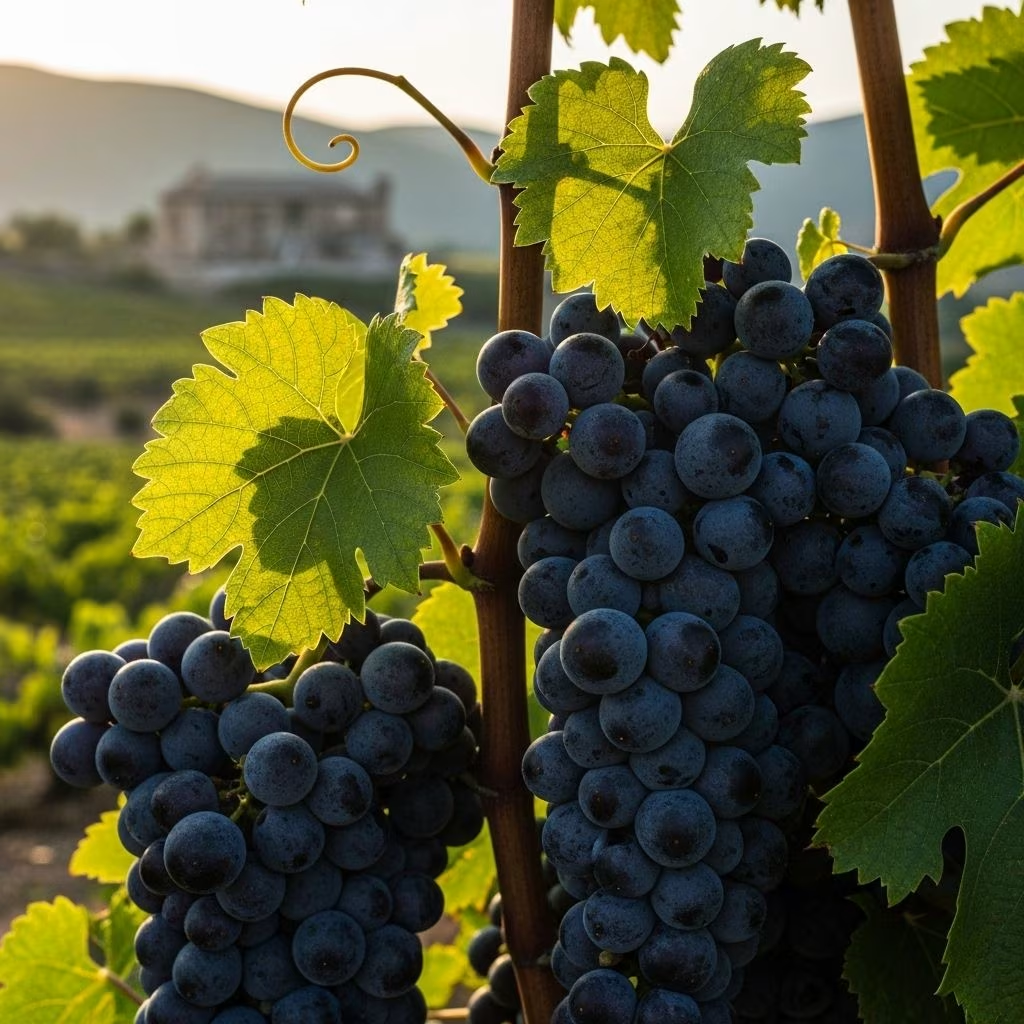
Xinomavro Grape: An Icon of Greek Winemaking
Xinomavro, meaning ‘sour black’, is a grape variety that has carved its identity as one of Greece’s most revered native reds. With its demanding viticultural needs and dynamic personality, Xinomavro produces wines of legendary complexity, structure, and longevity. In this comprehensive guide, discover the grape’s history, regions, characteristics, health benefits, culinary roles, and the unique sensory profile that sets Xinomavro apart on the world’s wine stage.
Origin and History of Xinomavro
The name Xinomavro derives from “xino” (sour) and “mavro” (black), an apt description given the grape’s naturally high acidity and dark skin. Indigenous to northern and central Greece, Xinomavro has been cultivated for centuries in regions such as Naoussa, Amyndeon, Goumenissa, and Rapsani. These zones are recognized under Greece’s Protected Designation of Origin (PDO) system, ensuring the grape’s authenticity and typicity.
Historical records highlight Xinomavro’s critical role in developing Greece’s reputation for age-worthy and complex red wines. Its ability to express local terroir—variations in climate, soil, and altitude—has made it the flagship grape of Macedonia and Thessaly, and a symbol of Greek viticultural heritage.
Terroirs and Regions
- Naoussa PDO: Produces single-varietal Xinomavro reds esteemed for their power and aging capacity.
- Amyndeon PDO: Known for slightly cooler climates and sandy soils, yielding more delicate and aromatic expressions, including rosé and sparkling wines.
- Goumenissa PDO: Blends Xinomavro with Negoska, resulting in wines softer and fruitier than pure Xinomavro.
- Rapsani PDO: Utilizes Xinomavro in blends with Krassato and Stavroto for enhanced roundness and drinkability.
- Other Regions: Smaller plantings exist in Epanomi, Mount Athos, Velventos, Siatista, Meteora, Thessaloniki, Kastoria and more, each imparting distinct terroir-driven qualities to the grape.
Why Terroir Matters
Xinomavro is notoriously “finicky” and sensitive to soil composition, climate, and vineyard management practices. Low yields and careful cultivation are critical, as excessive yields or mismanaged ripening lead to wines that can be overly acidic or unbalanced. When grown on calcareous soils with meticulous care, the grape manifests complexity and elegance that have become synonymous with red wines of northern Greece.
Vine and Grape Characteristics
- Berries: Medium-sized, with a thin, inky-cyan shell and juicy pulp. Despite the name ‘black,’ the skin is only moderately pigmented.
- Growth: Disease-resistant, vigorous, and adaptable to mountainous terrain. Bud-burst and harvest times are average compared to other local varieties.
- Viticultural Demands: Requires careful vineyard management, low yields, and appropriate weather conditions to fully express its multifaceted profile.
Certified clones exist, like Clone 1255, which is documented for maintaining varietal character and optimal growth across sites.
Wine Styles: Reds, Rosés, Sparklings, and Blends
Xinomavro’s versatility is a hallmark of its appeal. While best known for structured, vin de garde red wines, it is crafted into a spectrum of styles:
- Classic Red: Full-bodied, tannic, and highly acidic; often aged in oak and in bottle before market release. Exhibits the greatest aging potential and depth.
- Rosé: Offers aromatic complexity with crispness, pairing well with Mediterranean cuisine and lighter fare.
- Sparkling: Harnesses high acidity to make “blanc de noir” types, both semi-sparkling and sparkling, with refreshing character.
- Sweet Wines and Spirits: Occasionally made into idiosyncratic sweet wines or distilled into regional spirits.
- Blends: Xinomavro is blended with native grapes like Negoska, Krassato, Stavroto for increased fruit, roundness, and approachability, especially in Goumenissa and Rapsani PDOs.
| Style | Tasting Notes | Regions | Pairings |
|---|---|---|---|
| Red (vin de garde) | Ruby color, high tannins, complex aromas, longevity | Naoussa, Amyndeon | Lamb, beef, game, rich stews |
| Rosé | Aromatic, fresh, balanced acidity | Amyndeon, other cool zones | Seafood, salads, tomato-based dishes |
| Sparkling | Crisp, refreshing, light fruit | Amyndeon, various | Oysters, light starters |
| Blends | Softer tannins, fruitier aroma | Goumenissa, Rapsani | Poultry, pork, meze |
Xinomavro’s adaptability means wine lovers can choose a bottle to suit any palate—from boldly earthy and savory, to fruit-driven and delicate.
Taste Profile and Aromatics
- Color: Bright to deep ruby, moderate opacity.
- Structure: Firm tannins, high acidity, tight mouthfeel, persistent finish.
- Aromatics: Violets, red berries (strawberry, raspberry), black fruits, sundried tomato, olives, dried prunes, tobacco, nuts, mushroom, and subtle spices from barrel aging.
Visually and aromatically, Xinomavro’s wines are often compared to Nebbiolo (Barolo), Sangiovese (Chianti), and Pinot Noir due to their balance of fruit, earth, and savory layered complexities. Despite these similarities, the expression of each vintage reflects the humid Greek climate and distinct mountainous terroir.
Health Benefits of Xinomavro Wines
Beyond sensory delight, Xinomavro wines offer several health advantages, largely attributed to the grape’s robust skin and the extended aging process. These include:
- Rich in Antioxidants: Contains high levels of polyphenols (resveratrol, quercetin) that help reduce oxidative stress and support cardiovascular health.
- Supports Heart Health: Moderate wine consumption has been linked to improved heart function and reduced risk of coronary disease, with Xinomavro’s tannin structure potentially enhancing these effects.
- Potential Anti-inflammatory Properties: The grape’s bioactive compounds may help lower inflammation in the body.
- Digestive Benefits: Bright acidity aids digestion and stimulates appetite, a factor in Mediterranean dietary traditions.
As always, these benefits are best enjoyed with moderate consumption and in the context of a balanced diet.
Culinary Uses and Food Pairings
- Bold Reds match perfectly with grilled lamb, roast beef, wild game, and dishes featuring rich tomato or olive sauces.
- Rosé Styles pair with seafood, pizza, Greek salads, dried tomato, and feta cheese, enhancing Mediterranean flavors with acidity and fruit.
- Sparkling Wines complement oysters, shellfish, and light appetizers; also suitable with strawberry-based desserts.
- Blended Wines (with Negoska, Krassato, Stavroto) offer softness and fruit, matching poultry, pork, and assorted meze spreads.
Aged Xinomavro is especially suited to earthy flavors: mushroom risotto, truffle oil, roasted root vegetables, and hearty stews.
Aging Potential and Cellaring
Xinomavro wines show remarkable longevity. They are usually not released until they have aged at least two years in oak and bottle, and their cellaring potential can easily exceed a decade for top vintages. As they mature, tannins mellow, acidity integrates, and aromatics evolve to tertiary notes of dried fruit, tobacco, and spice.
- Young Wines (2–5 years): Ripe fruit, vivid acidity, pronounced tannins.
- Matured Wines (6–15+ years): Complex bouquet, smoother texture, earthy, savory, extended finish.
Xinomavro Compared with Other Varieties
| Grape Variety | Origin | Acidity | Tannins | Main Aromas | Aging Potential |
|---|---|---|---|---|---|
| Xinomavro | Northern Greece | High | Firm | Red berries, tomato, olive, spice | Excellent |
| Nebbiolo | Italy (Piedmont) | High | Powerful | Rose, tar, cherry, truffle | Exceptional |
| Sangiovese | Italy (Tuscany) | Medium to high | Moderate | Plum, cherry, leather, herbs | Very good |
| Pinot Noir | France (Burgundy) | Medium | Soft | Strawberry, earth, mushroom | Good |
Xinomavro stands out for its uniquely savory notes and the influence of Greek terroir, making it a discovery for both classic and adventurous wine lovers.
Frequently Asked Questions (FAQs)
Q: What foods pair best with Xinomavro?
A: Xinomavro pairs best with lamb, beef, game, mushroom risotto, truffle-based dishes, rich stews, and Mediterranean fare featuring tomatoes or olives.
Q: Can Xinomavro be enjoyed young, or should it be aged?
A: While some lighter rosé or blended styles are approachable young, classic reds benefit greatly from several years of aging to soften tannins and develop aromatic complexity.
Q: Is Xinomavro only used for dry red wines?
A: No. Xinomavro is versatile and produces reds, rosés, sparkling wines, sweet wines, and even spirits; it is also often blended with other grapes for softer styles.
Q: How does Xinomavro compare to Nebbiolo or Pinot Noir?
A: Xinomavro exhibits a similar balance of acidity and tannin, and complex aroma, but is notably influenced by Greek climate, offering unique savory notes (tomato, olive) alongside fruit and floral character.
Q: Is Xinomavro good for health?
A: Like most red wines, in moderation, Xinomavro offers antioxidant and potential cardiovascular benefits due to its polyphenol content.
Summary
Xinomavro is more than a grape—it’s a multidimensional emblem of Greek viticulture. Its wines offer depth, longevity, character, and pleasure, whether enjoyed young and vibrant or aged and profound. With robust health benefits, culinary versatility, and expressive taste, Xinomavro continues to intrigue wine lovers and elevate Greek wine on the international stage.
References
- https://winesofgreece.org/varieties/xinomavro/
- https://www.plantgrape.fr/en/varieties/fruit-varieties/347
- https://www.diffordsguide.com/encyclopedia/1805/bws/xinomavro-grape-variety
- https://www.wine-searcher.com/grape-582-xinomavro
- https://winefolly.com/grapes/xinomavro/
- https://en.wikipedia.org/wiki/Xinomavro
- https://winefolly.com/tips/wine-tasting-challenge-xinomavro/
- https://www.tasteatlas.com/xinomavro


