


Introduction
Ziger is a traditional Swiss fresh cheese, recognized for its creamy, mild, and slightly sour flavor. Made from whey—the nutritious liquid left behind after manufacturing cheeses like Emmental, Gruyère, and Sbrinz—Ziger stands as an exemplary staple of Alpine culinary tradition, comparable to Italy’s renowned ricotta cheese. This article explores Ziger’s origins, nutritional value, taste, various culinary roles, and its enduring legacy within Swiss cuisine.
Origins and History of Ziger
Ziger has deep historical roots in Swiss and Alpine cheese-making cultures. Thought to have been produced since ancient times, the name might derive from the Celtic word tsigros for cheese or the German word Ziege, meaning “goat,” though modern Ziger is typically made from cow’s milk whey.
Historically, Ziger was a peasant staple—an accessible source of protein and nutrition for mountain dwellers, who depended on resourceful ways to utilize every product in the cheese-making process. As a byproduct of making hard cheeses, Ziger was widespread throughout Switzerland and neighboring Alpine regions, with local variants known as Sérac in French and Ricotta in Italian.
Today, Ziger is less common due to changing dietary habits and commercial production preferences, yet it remains a cherished ingredient in Swiss regional cooking and festivities.
How Ziger Is Made: The Production Process
Ziger is classified as a fresh, cream cheese made from whey, not directly from milk curds. A simplified overview of the artisanal process is as follows:
- Whey Creation: During production of hard cheeses, milk is curdled with rennet and lactic acid bacteria, separating out curds for the primary cheese and leaving nutritious whey.
- Heating: The collected whey is heated to around 90°C (194°F), promoting protein precipitation.
- Acidification: Acid (usually lactic, acetic, or citric) is added to further lower the pH and coagulate the remaining whey proteins, primarily lactoglobulins.
- Straining: Solid curds are gently collected with a strainer or ladle and placed into pierced molds or cloth bags for draining.
- Draining & Forming: After resting and draining for a day, the cheese is ready for consumption or further shaping and seasoning.
- Optional Seasoning & Maturation: Some traditional recipes knead the cheese with herbs (like chives), salt, and pepper. Ziger may be enjoyed fresh or, in some styles, matured up to 6–8 weeks for additional texture and flavor changes.
This process is very similar to the Italian method for ricotta, emphasizing an economical and sustainable approach to cheese-making.
Nutritional Benefits of Ziger
One of the primary virtues of Ziger lies in its high protein content. As a product of whey, Ziger delivers a quality source of lactoglobulins and other whey proteins that are easily digestible and support muscle health and satiety.
Ziger is also recognized for being low in fat (compared to many other cheeses), as the majority of milk fat is removed during curdling for other cheeses. This renders it a lighter alternative for those mindful of calorie or fat intake.
Other nutritional highlights include:
- Rich in Minerals: Especially calcium, phosphorus, and potassium, supporting bone and metabolic health.
- Contains Vitamins: Notably B vitamins derived from the whey, important for energy and neurological function.
- Low Lactose: Whey cheeses typically have lower lactose levels than full-milk cheeses, making Ziger potentially easier to digest for lactose-sensitive individuals.
- High Satiety: The protein-dense profile helps keep you full for longer, beneficial for weight management.
It is relevant to note that nutritional content can vary by production method, additional ingredients, and regional variations.
Taste and Texture Profile of Ziger
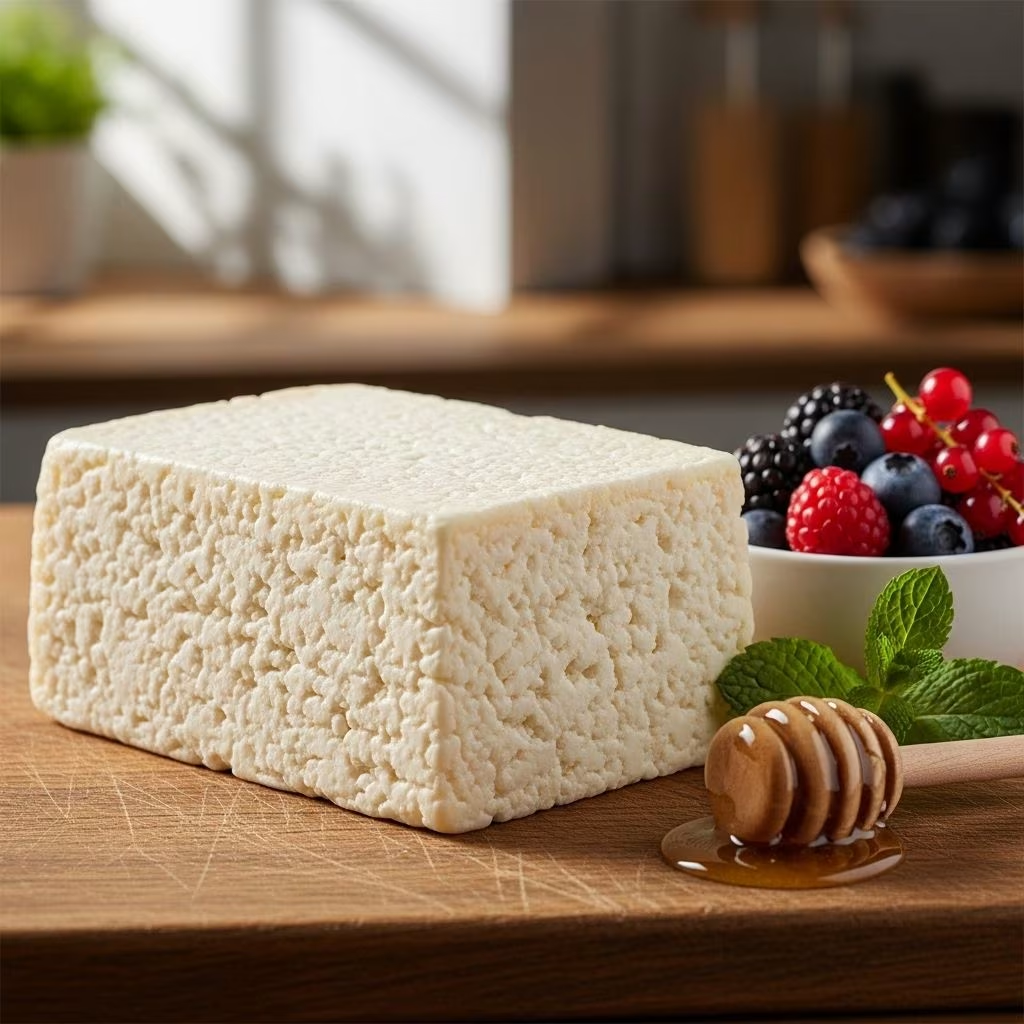
Fresh Ziger is distinguished by its mild, fine, and slightly acidic flavor, much like ricotta. Its color ranges from white to ivory, and its texture is sliceable yet spreadable—firm enough to be handled, but creamy on the palate.
After optional maturation, some Ziger varieties develop a slight gelatinous surface and a unique, more pronounced tartness. Certain regional recipes further enhance the flavor profile by kneading the curds with chives, salt, pepper, or other herbs and spices.
| Cheese Type | Main Ingredient | Flavor Profile | Texture | Typical Uses |
|---|---|---|---|---|
| Ziger | Whey (Swiss origin) | Mild, slightly sour, fine | Sliceable, spreadable | Fillings, spreads, pastries, soups |
| Ricotta | Whey (Italian origin) | Mild, creamy, slightly sweet | Creamy, fluffy | Pasta fillings, desserts, baking |
| Sérac | Whey (French/Swiss) | Delicate, milky, sometimes herbaceous | Soft, moist | Spreads, salads, baking |
Overall, Ziger is widely celebrated for its approachable flavor, making it appealing for both savory and sweet culinary applications.
Culinary Uses and Traditional Dishes
In both home kitchens and festival tables, Ziger finds a wealth of uses due to its neutral, nourishing character:
- Spreads and Fillings: Ziger is commonly spread on bread or used to fill pastries, either sweet or savory. A classic example is Zigerkrapfen—a sweet fritter filled with Ziger and flavored with nuts and dried fruit.
- Enhancing Soups and Sauces: Its creamy consistency lends richness to broths and sauces, much like ricotta in Italian cuisine.
- Baked Goods: Used in various pastries and breads for both textural variety and protein enrichment.
- Condiment & Grated Topping: In certain regions, Ziger is grated over pasta—macaroni being traditional—for an extra kick of flavor.
- Festival Specialties: Carnival time in central Switzerland calls for treats like Zigerkrapfen and Zigerkugeln (spherical variant) baked or fried in dough and filled with Ziger, almonds, and raisins.
Zigerchrosi is another notable preparation: Ziger mixed with chopped and soaked dried pears, sweetened with pear honey, and flavored with cinnamon, star anise, cloves, ginger, and nutmeg. It is typically enjoyed as a spread or with cheese, or served as an aperitif.
Regional Variations and Special Preparations
The versatility of Ziger is underscored by numerous regional recipes and presentation styles:
- Glarner Schabziger: Ziger pressed with powdered herbs and spices, aged for months, resulting in a sharp, green-hued cheese grated over breads and pasta for added flavor.
- Zigerkäse: Pear-shaped Ziger kneaded with chives, salt, and pepper, sometimes matured for 6–8 weeks. The matured cheese has a gelatinous exterior and soft, ricotta-like body.
- Zigerkrapfen & Zigerkugeln: Sweet, filled pastries that embody festive uses of Ziger in central Switzerland.
- Rottaler Zigerchrosi: A specialty from Lucerne mixing Ziger with dried pears and spices, enjoyed as sweet spread or with cheese.
Each variation reflects local ingredients, family traditions, and uses of Ziger’s mild, adaptable base.
How to Eat and Pair Ziger
Consuming Ziger is both simple and rewarding, whether as a main ingredient or embellishment:
- Spread fresh Ziger on rustic bread, perhaps with honey or jams for sweetness.
- Try it as a protein-rich filling for ravioli, tortellini, or traditional Swiss pastries.
- Enjoy Ziger grated over hot pasta or alongside root vegetables for a satisfying, Alpine-inspired meal.
- Use Ziger in baking—fold into cheesecake batter for a lighter texture or enrich muffins and sweet breads.
- Pair Ziger with fresh herbs, pepper, or fruit preserves for a balanced snack.
Because of its mild flavor, Ziger’s best partners tend to be foods and condiments that add sweetness, spice, or a touch of acidity for contrast.
Buying and Storing Ziger
Ziger production today is limited, primarily found in Swiss markets, specialty cheese shops, and artisan producers. Transporting or sourcing Ziger outside Switzerland can be challenging due to its fresh nature, though some mature and aged forms (like Schabziger) travel better.
Storage recommendations:
- Refrigerate fresh Ziger in an airtight container. Consume within several days for best quality.
- Mature or aged Ziger can last longer but should still be kept cool and dry.
- Avoid freezing; texture and flavor may degrade.
Frequently Asked Questions
What is the difference between Ziger and ricotta?
Both Ziger and ricotta share similar production methods—made from whey rather than directly from milk curds. Ziger tends to be firmer and more sliceable, with a slightly sour note, while ricotta is typically softer and sweeter.
Is Ziger cheese suitable for lactose-intolerant individuals?
Ziger, like other whey cheeses, often contains less lactose than fresh milk cheeses. However, sensitivity varies, so try small quantities and consult with a healthcare provider if you have concerns.
How can I use Ziger in sweet recipes?
Ziger is excellent in pastries (like Zigerkrapfen), mixed with dried fruit and spices for spreads, or folded into cheesecakes, pancakes, and muffins for extra lightness and protein.
Is Schabziger the same as Ziger?
Schabziger is a unique, regional variety of Ziger, originating from Glarus, Switzerland. It is pressed with dried herbs, aged, and used primarily as a condiment, noted for its green color and sharp bite.
Where can I buy Ziger?
Due to its limited modern production, Ziger is mostly found in Swiss markets, specialty artisan cheese stores in Switzerland, and select online retailers for aged forms.
What is the shelf life of fresh Ziger?
Fresh Ziger is best enjoyed within a few days of production, refrigerated and well-sealed. Aged varieties may last longer but should be consumed before drying out or developing mold.
Key Takeaways
- Ziger is an ancient Swiss fresh cheese made from whey, prized for its mild, slightly sour taste and adaptable texture.
- It is nutritionally valuable—high in protein, low in fat, and rich in minerals.
- Ziger finds multiple uses in Swiss cooking, from pastries and spreads to soups and condiments, and exists in various regional specialties.
- This cheese’s subtle flavor is well complemented by herbs, spices, fruit preserves, and sweet or savory pastry fillings.
- While less common today, Ziger remains a symbol of sustainable food practice and regional tradition in Switzerland’s Alpine cuisine.
References
- https://www.jeneil-bioproducts.de/en/kaese-enzyklopaedie/z/ziger/
- https://www.fondazioneslowfood.com/en/ark-of-taste-slow-food/ziger/
- https://en.wikipedia.org/wiki/Ziger
- https://www.cheeseprofessor.com/blog/swiss-cheeses-not-swiss-cheese
- https://www.helvetickitchen.com/recipes/2017/8/28/ziger-malfatti
- https://www.tasteatlas.com/ziger
- https://cheese.fandom.com/wiki/Ziger
- https://en.wikipedia.org/wiki/Swiss-type_cheeses
- https://cheeseforum.org/index.php?topic=10543.0


