


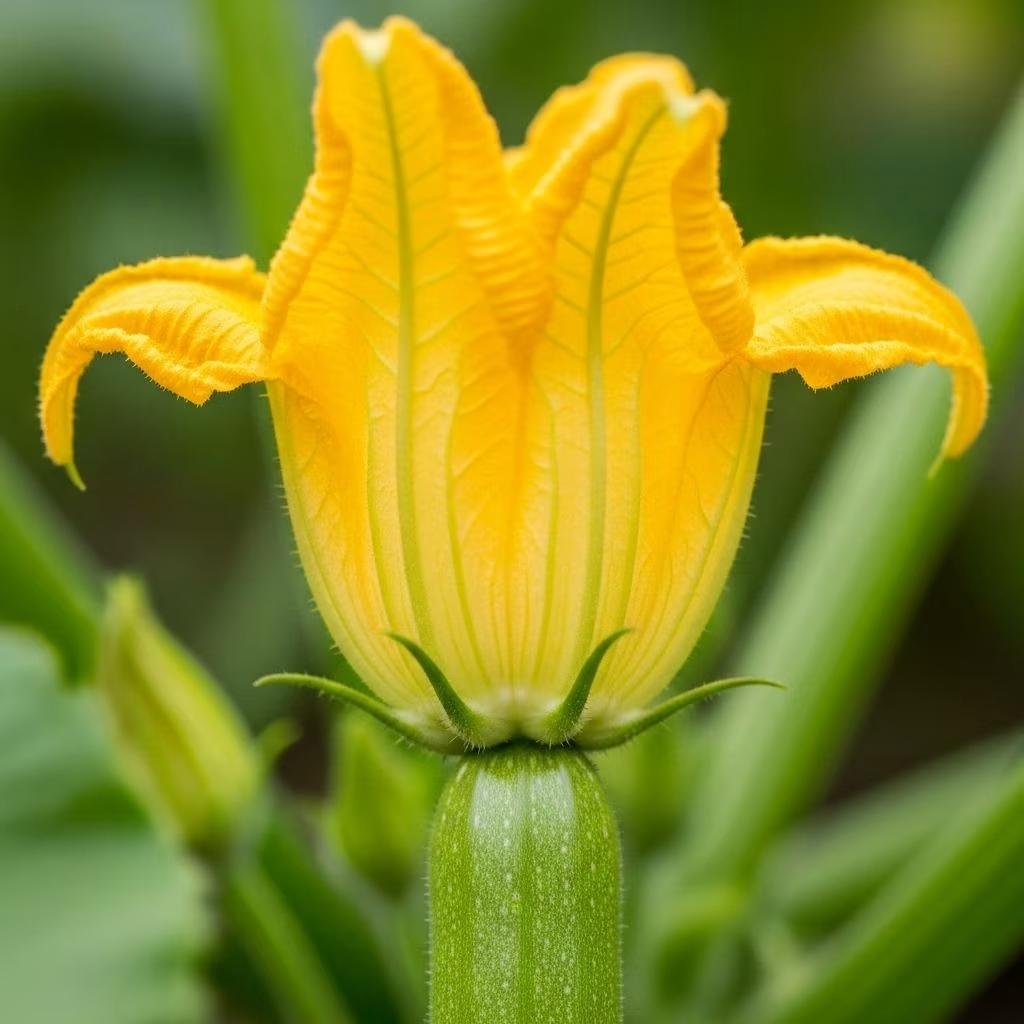
What Is Zucchini Blossom? Culinary Uses, Benefits, and Taste
Zucchini blossoms – also known as zucchini flowers – are the vibrant, edible flowers produced by the zucchini plant (Cucurbita pepo L.). Prized in kitchens around the world, especially in Mediterranean cuisines, they are celebrated both for their delicate flavor and their versatility in cooking. This article explores everything you need to know: what zucchini blossoms are, their nutritional benefits, culinary applications, taste profile, and much more.
Origin and Botanical Profile
Zucchini blossoms are the flowers that grow on the zucchini plant. Found in gardens globally, they are particularly abundant in regions with temperate climates. Botanically, the zucchini is classified under Cucurbita pepo, a species that also includes squash, gourds, and pumpkins.
There are two distinct types of zucchini blossoms:
- Male blossoms: Grow on a long, thin stem, typically appearing earlier in the plant’s lifecycle. They are the ones commonly harvested and eaten, as their function is to provide pollen for fertilizing female flowers.
- Female blossoms: Grow at the end of what eventually becomes the zucchini fruit. They possess a swollen base (ovary) and are less often picked for eating unless the fruit is harvested simultaneously.
Key Features That Distinguish Male and Female Blossoms
| Feature | Male Blossom | Female Blossom |
|---|---|---|
| Stem | Long, thin | Short, thick |
| Center Structure | Stamen with pollen | Stigma for receiving pollen |
| Base | No swelling | Swollen, resembles tiny zucchini |
Most culinary traditions favor male blossoms because harvesting them leaves the developing zucchini fruit unharmed. Both blossoms, however, are edible and nutritious.
Nutritional and Health Benefits
Though delicate, zucchini blossoms are surprisingly rich in nutrients and beneficial phytochemicals. Scientific studies show they contain several active compounds, primarily polyphenols, which are known for their antioxidant properties.
Some nutritional highlights:
- Low calorie: Ideal for calorie-controlled, balanced diets.
- Vitamins: Source of vitamin C, vitamin A, and B vitamins.
- Minerals: Provide essential minerals, such as potassium, magnesium, and calcium.
- Dietary fiber: Help support digestion and gut health.
- Antioxidants: The polyphenols found in blossoms help reduce oxidative stress, which can lower the risk of chronic diseases.
Studies have begun to suggest that regular consumption of edible flowers like zucchini blossom may support overall health, especially due to their anti-inflammatory and antimicrobial activities, though more in-depth research is warranted.
Culinary Uses of Zucchini Blossoms
Zucchini blossoms are celebrated for their versatility in the kitchen. Their vivid hue and shape make them a striking garnish, while their mild flavor makes them a canvas for creative fillings or preparations. They are widely used across Italian, Mediterranean, Middle Eastern, and Mexican cuisines.
Key culinary uses include:
- Stuffed blossoms: Filled with ricotta, goat cheese, herbs, meat, or seafood.
- Battered and fried: A popular appetizer, often served in Italian restaurants.
- Sautéed or roasted: Blossoms can be lightly cooked with olive oil and garlic.
- Toppings: Added as a topping for pizza, pasta, and frittata.
- Raw in salads: Used sparingly for visual and flavor interest.
Even small quantities of blossoms can transform an ordinary dish into something special. Some preparations involve including the stem, which adds a mild vegetable note, and even mincing or sautéing stems for added complexity.
Taste Profile
The taste of zucchini blossom is mild, slightly sweet, and subtly vegetal. Many describe its flavor as reminiscent of young zucchini but even more delicate; it’s never bitter or perfume-like. When cooked, especially fried, it becomes crisp and lightly nutty, while raw blossoms have a gentle crunch and a hint of sweetness – some even say it evokes the taste of sunshine and happiness.
- Freshness matters: Blossoms must be consumed very fresh for best flavor and texture.
- Texture: Delicate petals with a slight chew; fried, they turn crunchy, while baked or broiled forms offer light crispiness.
- Pairing: Harmonizes with cheeses, herbs, olive oil, eggs, and mild vegetables.
How to Harvest and Store Zucchini Blossoms
Proper harvesting and storage of zucchini blossoms are crucial for maintaining their freshness and flavor.
- Harvest early in the morning: Blossoms open with the sunrise and close by mid-morning. Open blooms are optimal for stuffing; closed blooms are suitable for sautéing or as garnish.
- Pick male blossoms: Harvesting these preserves fruit production.
- Handle gently: Blossoms are fragile and bruise easily.
- Storage methods:
- Refrigerate immediately after harvest.
- If possible, place stems in water for longer freshness.
- Consume within 1-2 days; after this period, flowers wilt and become slimy.
Always use fresh zucchini blossoms as old ones lose their texture and flavor rapidly.
Preparation Tips
- Cleaning: Gently shake out any insects. Avoid washing unless necessary; if washing, do so delicately and dry with a paper towel.
- Trimming: Contrary to some traditions, you do not need to remove the stamen or destem the blossom. The stem and sepals add extra flavor and texture.
- Stuffing: Carefully open petals without tearing. Stuff with cheese, seafood, or other mixtures using a small spoon or piping bag.
- Cooking: Fry, bake, roast, or sauté rapidly; slow cooking damages texture.
Popular Zucchini Blossom Recipes
- Classic Italian fried blossoms:
- Stuff with ricotta, mozzarella, or soft cheese.
- Dip in a light batter (flour, water, or beer) and fry until golden.
- Baked stuffed blossoms:
- Fill with herbed goat cheese or crab/ricotta blend.
- Arrange on a baking sheet; drizzle with olive oil and bake until crispy.
- Frittata with zucchini blossoms:
- Lay fresh blossoms atop a partially cooked egg mixture with onions and herbs.
- Bake or finish on the stove until set.
- Garnished pasta or pizza:
- Sauté or lightly fry blossoms and arrange on top.
- Salads:
- Add raw blossoms to mixed greens for color and mild flavor.
Sample Recipe: Baked Zucchini Blossom With Herbed Ricotta
- 12 fresh zucchini blossoms
- 2/3 cup ricotta cheese
- 2 tbsp freshly chopped basil
- 1 clove garlic, minced
- Salt and pepper to taste
- Olive oil for drizzling
Gently stuff each blossom with the ricotta mixture. Arrange on a greased baking tray, drizzle lightly with olive oil, and bake at 400°F (200°C) for 10-12 minutes until crisp and golden.
Potential Risks and Cautions
- Allergic reactions: Rare but possible for individuals sensitive to squash or gourds.
- Pesticide residue: Choose organically grown blossoms or ensure flowers are thoroughly washed.
- Perishability: Never consume blossoms that appear slimy or have an unpleasant odor; this indicates spoilage.
Frequently Asked Questions (FAQs)
Q: Can you eat both male and female zucchini blossoms?
A: Yes, both are edible, but male blossoms are preferred for culinary use since picking them does not impact fruit production.
Q: What does zucchini blossom taste like?
A: It tastes mildly sweet and vegetal, similar to young zucchini but even more delicate, soft, and never bitter.
Q: How long do zucchini blossoms last?
A: When refrigerated or kept in water, they last up to 2-3 days. They are best eaten fresh, as their quality declines rapidly.
Q: How are zucchini blossoms used in traditional cuisine?
A: Most famously in Italian cooking, where they are stuffed, fried, baked, added to frittata, pizza, or pasta, and sometimes served raw in salads.
Q: Are zucchini blossoms healthy?
A: Yes. They are low in calories, contain vitamins, minerals, and antioxidants, and may contribute to overall wellness and reduced oxidative stress.
Conclusion
Zucchini blossoms are an exquisite seasonal delicacy offering a blend of delicate flavor, vibrant color, and nutritional benefits. Popular around the world, particularly in Mediterranean cuisine, their versatility extends from appetizers to main courses. Whether you’re seeking creative inspiration, improved nutrition, or an elegant visual enhancement for your dishes, zucchini blossoms are a culinary treasure worth exploring.
References
- https://realtuscanlife.com/2020/06/12/5-fun-facts-about-zucchini-blossoms/
- https://www.baybabyproduce.com/blogs/from-soil-to-harvest/squash-blossoms-how-to-identify-the-differences-between-females-and-males-when-to-pinch-the-blooms-and-recipes
- https://strangeandyummy.com/2012/05/30/squash-blossoms/
- https://pmc.ncbi.nlm.nih.gov/articles/PMC10740746/
- https://en.wikipedia.org/wiki/Squash_blossom


