


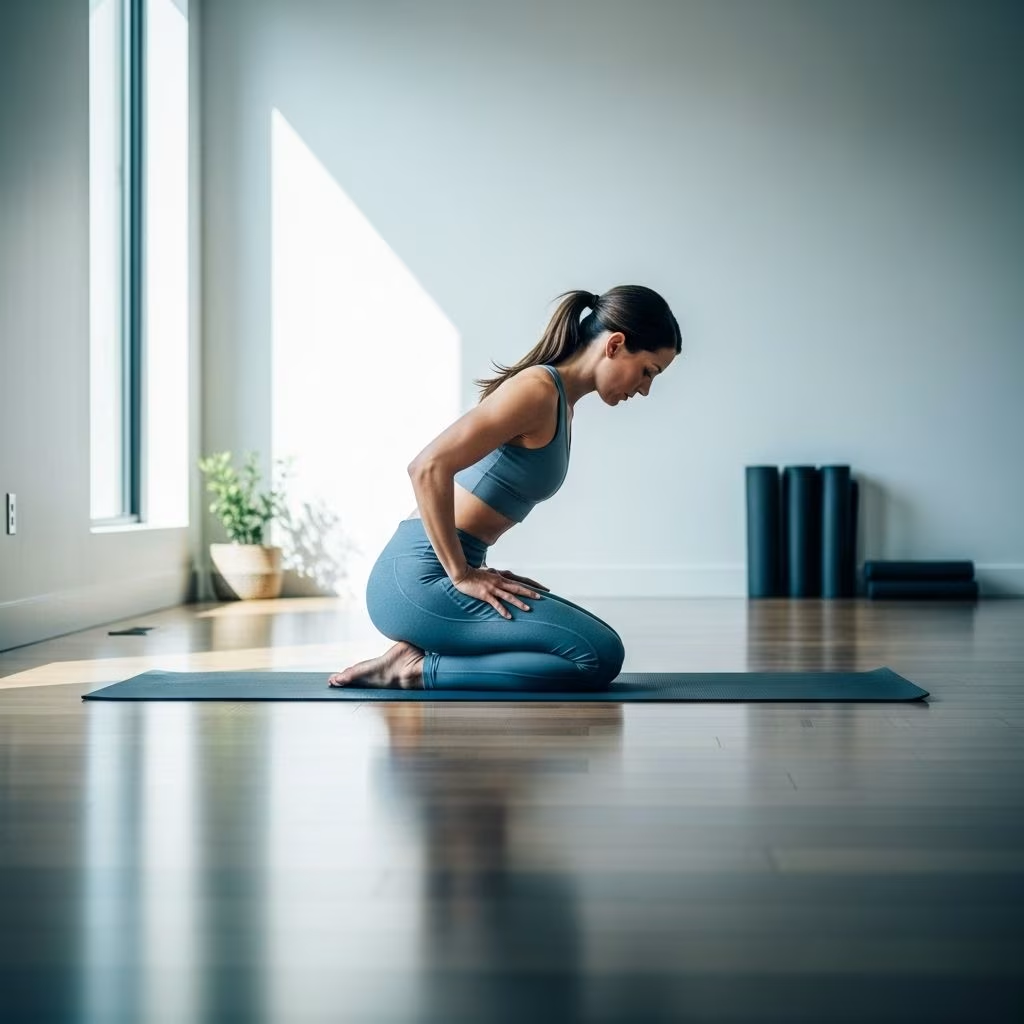
Low-Pressure Fitness (LPF), also known as the hypopressive method, is a groundbreaking approach to fitness that combines breathing techniques with postural exercises to strengthen core and pelvic floor muscles. This innovative system focuses on reducing intra-abdominal pressure, which can lead to improved posture, enhanced athletic performance, and better overall health. In this article, we will delve into the principles, benefits, and applications of LPF and hypopressives.
Principles of Low-Pressure Fitness (LPF)
LPF is based on the concept of hypopressives, which involves exercises that reduce pressure inside the abdominal cavity. This is achieved through controlled breathing techniques and specific postures that lower intra-abdominal pressure, thereby engaging and strengthening the core muscles without exerting excessive strain on the abdominal area. This method is influenced by myofascial stretching, postural re-education, and neurodynamics, making it a holistic approach to fitness.
Key Components of LPF
– Breathing Techniques: The hypopressive breathing technique is central to LPF. It involves controlled contractions of the abdominal muscles while holding the breath, which creates a suction effect that reduces pressure in the thoracic, abdominal, and perineal cavities, promoting the activation of deep muscle fibers. – Postural Exercises: LPF incorporates specific postures designed to improve posture and engage the core muscles effectively. These exercises are often inspired by yoga and other postural re-education methods.- Neuroeducation: LPF emphasizes neuroeducation, focusing on re-educating the body’s neural pathways to enhance muscle coordination and efficiency.
Benefits of Low-Pressure Fitness (LPF)
The benefits of LPF are numerous and varied, making it a valuable fitness system for individuals with diverse health goals and needs.
1. Core and Pelvic Floor Strengthening
– Improved Core Strength: LPF helps strengthen the core muscles, including the transverse abdominis, pelvic floor, and deep spine muscles, which are crucial for maintaining good posture and joint stability.- Enhanced Pelvic Floor Health: By targeting the pelvic floor muscles, LPF improves muscle tone and endurance, helping to address issues like urinary incontinence and weak pelvic floor muscles.
2. Posture and Respiratory Benefits
– Postural Improvement: LPF promotes proper spinal and pelvic alignment, reducing strain on the back and improving posture.- Respiratory Enhancement: The breathing techniques used in LPF improve respiratory parameters, leading to better aerobic capacity and enhanced sports performance.
3. Health Issue Prevention and Treatment
– Prevention of Hernias: LPF can help prevent abdominal, inguinal, umbilical, disc, and vaginal hernias by reducing intra-abdominal pressure.- Support for Postpartum Recovery: LPF aids in postpartum rehabilitation by retraining the core muscles and helping with conditions like diastasis recti.- Sexual Function Enhancement: By strengthening pelvic floor muscles and improving blood flow to the genital area, LPF can enhance sexual function.
4. Athletic Performance and Body Awareness
– Improved Athletic Performance: LPF enhances respiratory efficiency and athletic performance by reducing abdominal pressure and improving core stability.- Increased Body Awareness: Through its focus on posture and breathing, LPF increases body awareness, helping individuals maintain better posture and reduce back pain.
Who Can Benefit from LPF?
LPF is designed to be accessible to a wide range of individuals, including those who have experienced injuries, surgeries, or have conditions like urinary incontinence or pelvic organ prolapse. It is particularly beneficial for:
– Postpartum Women: LPF helps in core muscle recovery and heals conditions such as diastasis recti.- Individuals with Pelvic Floor Dysfunction: It addresses issues like urinary incontinence and pelvic organ prolapse.- Athletes: Enhances breathing and core strength, improving athletic performance.- Those with Sedentary Lifestyles: Offers a gentle way to engage core muscles without excessive strain.
How to Integrate LPF into Your Routine
Integrating LPF into your fitness routine involves learning the hypopressive breathing technique and performing specific postural exercises. It is advisable to start with sessions led by a qualified instructor to ensure proper technique and safety. LPF can be tailored to suit various health needs and can be combined with other fitness methods for a comprehensive workout.
Table of Benefits
| Benefit | Description |
|---|---|
| Core Strengthening | LPF strengthens the transverse abdominis and pelvic floor muscles. |
| Posture Improvement | Enhances spinal and pelvic alignment. |
| Respiratory Benefits | Improves aerobic capacity and breathing efficiency. |
| Health Issue Prevention | Prevents hernias, supports postpartum recovery, and enhances sexual function. |
| Athletic Performance | Enhances sports performance by improving core stability and respiratory efficiency. |
Conclusion
Low-Pressure Fitness (LPF) offers a unique approach to fitness that focuses on core strengthening, posture improvement, and respiratory enhancement. By reducing intra-abdominal pressure through hypopressive breathing and postural exercises, LPF provides numerous health benefits, making it an attractive option for those seeking to improve their overall well-being.
Frequently Asked Questions (FAQs)
Q: What is the primary goal of Low-Pressure Fitness (LPF)?
A: The primary goal of LPF is to strengthen core and pelvic floor muscles by reducing intra-abdominal pressure through hypopressive exercises.
Q: Who can benefit from LPF?
A: LPF is beneficial for anyone, especially those with pelvic floor issues, postpartum recovery needs, or those looking to enhance athletic performance.
Q: How does LPF improve respiratory efficiency?
A: LPF improves respiratory efficiency by reducing abdominal pressure, which allows for more effective breathing and better oxygen intake.
References
- https://www.hsnstore.eu/blog/training-routines/abs/low-pressure-fitness-method/
- https://healthinmotionpt.com/low-pressure-fitness-wellness
- https://www.lpf-usa.com/what-is-lpf
- https://www.activcore.com/blog/low-pressure-fitness-hypopressives-a-gentle-way-to-regain-control-of-your-muscles-and-so-much-more
- https://re-centre.co.uk/pages/hypopressives-improves-weak-pelvic-floor
- https://www.corefunctionalwellness.com/low-pressure-fitness-hypopressive-e
- https://pmc.ncbi.nlm.nih.gov/articles/PMC7967465/
- https://www.tuasaude.com/en/hypopressive-exercises/
- https://lowpressurefitness.com/en/core-low-pressure-fitness-yoga-hypopressives-posture/


