


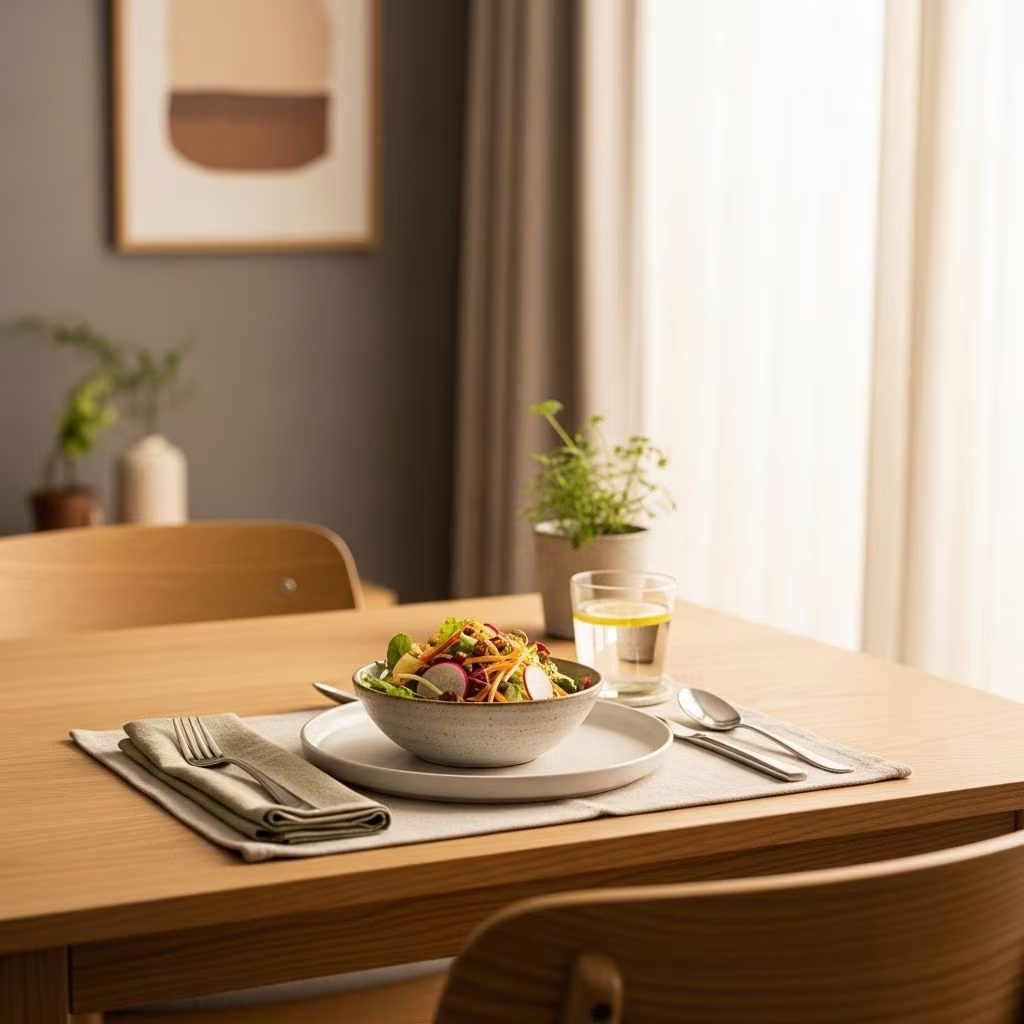
Setting up a mindful eating environment is a transformative step toward developing a healthier, more conscious relationship with food. Unlike restrictive dieting approaches, mindful eating focuses on creating awareness around your eating experiences, body sensations, and emotional responses to food. The environment where you eat plays a crucial role in supporting these mindful practices, influencing everything from portion control to digestion and overall satisfaction with meals.
A well-designed mindful eating environment goes beyond simply having a clean kitchen or dining room. It encompasses the physical space, organizational systems, social dynamics, and daily routines that either support or hinder your ability to eat with intention and awareness. When you create an environment that encourages slow, deliberate eating and eliminates unnecessary distractions, you naturally begin to tune into your body’s hunger and satiety signals more effectively.
Understanding the Mindful Eating Environment
The foundation of a mindful eating environment rests on four key principles that guide both the physical setup and behavioral practices. These principles include creating awareness of what you eat, understanding why you eat what you eat, recognizing how much to eat, and developing consciousness around how you eat. Each of these aspects requires specific environmental supports to flourish.
Physical Environment Considerations
Your physical eating environment should promote calm, focus, and comfort. This means choosing spaces with adequate lighting, comfortable seating, and minimal visual clutter. Natural lighting is particularly beneficial as it helps you better see the colors, textures, and presentation of your food, which engages multiple senses during the eating process.
Temperature control also plays a significant role in creating a comfortable eating environment. Spaces that are too hot or cold can create discomfort that distracts from the mindful eating experience. Aim for a temperature range that feels comfortable and allows you to focus on your food rather than environmental discomfort.
Psychological Environment Elements
The psychological aspect of your eating environment involves creating a sense of safety, relaxation, and positive association with food. This includes minimizing stress-inducing elements like harsh lighting, chaotic surroundings, or time pressure. Instead, cultivate an atmosphere that feels nurturing and supportive of taking time to enjoy your meals.
Designing Your Mindful Kitchen
The kitchen serves as the heart of your mindful eating environment, where food preparation and initial eating decisions take place. Organizing and caring for your kitchen space encourages healthy eating patterns and nourishing meal experiences. The design and organization of this space significantly impacts your food choices and eating behaviors.
Strategic Food Placement
One of the most powerful aspects of kitchen design for mindful eating involves strategic placement of foods. Healthy options should be easily visible and accessible, while less nutritious choices can be stored in less prominent locations. This doesn’t mean completely eliminating treats or processed foods, but rather creating an environment where healthier choices are the path of least resistance.
Keep fresh fruits and vegetables at eye level in both the refrigerator and on countertops. Store whole grains, nuts, and seeds in clear containers where they’re easily visible. This visual accessibility serves as a gentle reminder of healthy options and makes them more likely to be chosen when hunger strikes.
Essential Tools for Mindful Preparation
Having the right tools readily available supports mindful food preparation, which is an integral part of the mindful eating process. Sharp knives, cutting boards, measuring cups, and quality cookware all contribute to a more intentional approach to meal preparation. When cooking feels effortless and enjoyable, you’re more likely to engage in the process mindfully rather than rushing through it.
Consider investing in smaller plates and bowls, ideally no larger than 9 inches across for dinner plates. Research consistently shows that people eat less when using smaller dishes, as the visual cue of a full plate satisfies psychological hunger cues even with smaller portions.
Creating Dedicated Eating Spaces
Establishing specific areas for eating helps create strong environmental cues that support mindful eating practices. These designated spaces should be associated exclusively with eating, avoiding the common habit of eating while engaged in other activities like working, watching television, or scrolling through electronic devices.
Dining Room Setup
If you have a separate dining room, transform it into a sanctuary for mindful eating. Choose comfortable chairs that encourage good posture and allow you to sit comfortably for the duration of your meal. The table should be kept clear of non-food items like mail, electronics, or work materials.
Consider adding elements that engage the senses positively, such as fresh flowers, plants, or artwork that creates a peaceful atmosphere. Soft background music can be beneficial, but it should be quiet enough that it doesn’t interfere with conversation or awareness of eating sounds.
Alternative Eating Spaces
Not everyone has access to a formal dining room, and that’s perfectly acceptable for mindful eating. The key is consistency and intentionality in whatever space you choose. This could be a kitchen table, a breakfast nook, or even a designated area of your living room. The important factor is that this space is used consistently for eating and is set up to minimize distractions.
For those living in small spaces, consider using a specific placemat or tray that signals mealtime. This portable solution can transform any surface into a mindful eating space, providing the psychological cue that it’s time to focus on your food and eating experience.
Eliminating Distractions
One of the most critical aspects of creating a mindful eating environment involves systematically removing distractions that pull attention away from the eating experience. Modern life presents numerous distractions that can interfere with our ability to eat mindfully, from electronic devices to environmental noise.
Technology-Free Zones
Creating technology-free eating zones is essential for developing mindful eating habits. This means establishing clear boundaries around the use of phones, tablets, televisions, and computers during meal times. The constant stimulation from screens prevents you from tuning into your body’s hunger and fullness cues and reduces awareness of the sensory experience of eating.
Consider implementing a household rule where all electronic devices are put away or turned off during designated meal times. If you eat alone frequently, resist the urge to scroll through social media or watch videos while eating. Instead, focus on the colors, textures, aromas, and flavors of your food.
Managing Environmental Noise
While complete silence isn’t necessary for mindful eating, excessive noise can be distracting and stressful, interfering with the relaxation response needed for proper digestion. Identify and minimize unnecessary noise sources in your eating environment, such as loud appliances, traffic noise, or competing conversations.
If you cannot eliminate external noise sources, consider using soft background music or nature sounds to create a more peaceful atmosphere. The key is choosing audio that enhances rather than competes with your ability to focus on eating.
Organizing for Mindful Food Storage
How you store and organize food in your kitchen and pantry significantly impacts your eating decisions and behaviors. Thoughtful organization supports mindful food choices by making healthy options visible and accessible while reducing the likelihood of impulsive, less nutritious choices.
Refrigerator Organization
Organize your refrigerator with mindful eating principles in mind. Store fresh fruits and vegetables at eye level where they’re immediately visible when you open the door. Use clear containers for prepared healthy snacks like cut vegetables, berries, or homemade energy balls. This visibility serves as a gentle reminder of nutritious options and makes healthy choices more convenient.
Dedicate specific areas for different food categories, such as proteins, dairy, leftovers, and produce. This organization reduces decision fatigue and makes meal planning more intuitive. Consider using a clear storage system that allows you to see quantities and freshness at a glance, supporting more intentional food choices.
Pantry Setup for Success
A well-organized pantry supports mindful eating by reducing food waste and making healthy ingredients easily accessible. Store frequently used healthy staples like whole grains, legumes, nuts, and seeds in clear, airtight containers at eye level. This visibility encourages their use and helps you maintain awareness of what ingredients you have available.
Group similar items together and maintain an inventory system that prevents overbuying or forgetting about items until they spoil. This organizational approach supports more intentional meal planning and reduces the likelihood of impulsive food purchases or choices based on convenience rather than nutrition.
Establishing Mindful Eating Routines
Consistent routines provide structure that supports mindful eating practices and helps establish new neural pathways associated with conscious food choices. These routines should encompass meal timing, preparation rituals, and post-meal practices that reinforce mindful eating habits.
Pre-Meal Rituals
Developing pre-meal rituals helps transition your mind and body into a state conducive to mindful eating. This might include taking three deep breaths before beginning to eat, expressing gratitude for your food, or taking a moment to observe the colors, textures, and aromas of your meal.
Consider incorporating a brief moment of reflection about your hunger level and what your body needs from the meal. This pause creates space between the often automatic act of eating and the conscious decision to nourish your body mindfully.
Meal Timing and Structure
Eating at consistent times helps regulate your body’s natural hunger and fullness cues, making it easier to eat mindfully. Plan for enough time to enjoy meals without rushing, as eating quickly interferes with satiety signals that take approximately 20 minutes to register in the brain.
Structure your eating schedule to include regular meals and planned snacks, reducing the likelihood of becoming overly hungry, which often leads to rapid, less mindful eating. This consistency helps establish environmental cues that support healthy eating patterns.
Environmental Cues for Healthy Choices
Your eating environment constantly provides cues that influence food choices and eating behaviors, often below the level of conscious awareness. Understanding and intentionally designing these cues can significantly support mindful eating practices and healthy food choices.
Visual Cues and Food Placement
Research demonstrates that we tend to eat foods that are visible and easily accessible. Use this knowledge to your advantage by keeping healthy options visible and convenient while storing less nutritious choices in less prominent locations. This doesn’t require eliminating treats entirely but rather creating an environment where healthy choices are the default option.
Place a bowl of fresh fruit on the counter or dining table as a visual reminder of healthy snack options. Keep cut vegetables prepared and visible in the front of the refrigerator. These simple changes can significantly impact daily food choices without requiring conscious willpower.
Portion Control Through Environment
Environmental design can naturally support appropriate portion sizes without the need for constant conscious monitoring. Using smaller plates, bowls, and glasses creates visual cues that help regulate portion sizes while maintaining psychological satisfaction.
Pre-portion snacks into individual containers rather than eating directly from large packages. This environmental modification creates a natural stopping point and increases awareness of how much you’re consuming.
The Social Aspects of Mindful Eating
Eating is often a social activity, and the social environment significantly impacts eating behaviors and habits. Creating social environments that support mindful eating can enhance both the nutritional and emotional benefits of meals while strengthening relationships and community connections.
Family Meal Dynamics
When eating with family members or household companions, establish shared agreements about mindful eating practices. This might include turning off electronic devices during meals, taking turns expressing gratitude for the food, or sharing observations about the sensory qualities of the meal.
Create conversation topics that enhance rather than distract from the eating experience. Discussions about the origin of foods, cooking techniques, or appreciation for flavors can deepen awareness while maintaining social connection.
Mindful Eating in Social Settings
Practicing mindful eating in social settings requires adaptation of techniques to fit different environments. When eating out or at social gatherings, focus on strategies that are practical and socially appropriate, such as eating slowly, checking in with hunger and fullness cues, and choosing foods that align with your health goals.
Consider arriving at social eating events with a plan for mindful eating, including strategies for managing potentially challenging situations like buffets or pressure to overeat.
Overcoming Common Challenges
Creating and maintaining a mindful eating environment presents various challenges, from time constraints to social pressures and ingrained habits. Understanding these common obstacles and developing strategies to address them increases the likelihood of long-term success with mindful eating practices.
Time Management Solutions
One of the most frequently cited barriers to mindful eating is lack of time. Address this challenge by meal planning and preparation strategies that make mindful eating more efficient. Prepare ingredients in advance, cook in batches, and have healthy backup options available for particularly busy times.
Remember that mindful eating doesn’t require hours of meditation before each meal. Even taking one minute to breathe deeply and set an intention for mindful eating can be beneficial when time is limited.
Habit Change Strategies
Changing established eating habits requires patience and strategic approaches that work with rather than against human psychology. Start with small, manageable changes to your eating environment rather than attempting to overhaul everything at once. This might mean focusing on creating a distraction-free environment for just one meal per day initially.
Use implementation intentions, which are specific if-then plans that help automate new behaviors. For example, “If I sit down to eat dinner, then I will put my phone in another room” or “If I feel the urge to eat while standing in the kitchen, then I will take my food to the dining table.”
Measuring Your Success
Evaluating the effectiveness of your mindful eating environment helps maintain motivation and identify areas for continued improvement. Success markers extend beyond weight or dietary changes to include improvements in eating satisfaction, awareness, and overall relationship with food.
Subjective Measures
Pay attention to subjective changes in your eating experience, such as increased satisfaction with meals, greater awareness of hunger and fullness cues, and reduced anxiety around food choices. Keep a brief journal noting how you feel before and after meals, your level of distraction during eating, and overall satisfaction with your eating experience.
Notice changes in your relationship with food, such as reduced guilt about eating certain foods, increased enjoyment of meals, or greater confidence in making food choices that align with your health goals.
Behavioral Indicators
Track behavioral changes that indicate successful implementation of mindful eating environmental strategies. These might include eating more slowly, choosing to eat at designated eating spaces rather than random locations, or successfully avoiding distractions during meals.
Monitor frequency of mindful eating practices, such as how often you eat without distractions, take time to appreciate your food before eating, or stop eating when satisfied rather than when your plate is empty.
Frequently Asked Questions
Q: How long does it take to see benefits from creating a mindful eating environment?
A: Many people notice immediate benefits such as increased meal satisfaction and awareness, while longer-term benefits like improved digestion and natural appetite regulation typically develop over 2-4 weeks of consistent practice.
Q: Can I practice mindful eating if I live in a small space with roommates?
A: Absolutely. Focus on creating portable mindful eating cues like a special placemat, establishing personal boundaries around meal times, and communicating with roommates about your goals to gain their support.
Q: What should I do if family members resist mindful eating practices during shared meals?
A: Start by modeling mindful eating behaviors yourself without imposing them on others. Gradually introduce elements like device-free meals or expressing gratitude for food, and focus on creating positive associations with these practices.
Q: Is it necessary to eat all meals in a designated eating space?
A: While consistency is helpful, flexibility is also important. Aim to eat most meals in designated spaces, but don’t stress about occasional exceptions. The goal is progress, not perfection.
Q: How can I maintain mindful eating when eating out at restaurants?
A: Adapt your practices to restaurant settings by choosing restaurants with calm atmospheres, putting phones away during the meal, eating slowly, and checking in with hunger and fullness cues throughout the dining experience.
References
- https://www.healthline.com/nutrition/mindful-eating-guide
- https://www.mindful.org/6-ways-practice-mindful-eating/
- https://nutritionsource.hsph.harvard.edu/mindful-eating/
- https://hr.uiowa.edu/news/2023/08/mindful-eating-tips
- https://hopkinsdiabetesinfo.org/how-to-practice-mindful-eating/
- https://www.uwhealth.org/news/guide-to-mindful-eating
- https://food-guide.canada.ca/en/healthy-eating-recommendations/be-mindful-of-your-eating-habits/
- https://chear.ucsd.edu/blog/mindful-eating-guide-transform-eating-habits-better-health
- https://www.psychologytoday.com/us/blog/comfort-cravings/201809/5-steps-to-mindful-eating-a-how-to-guide


