


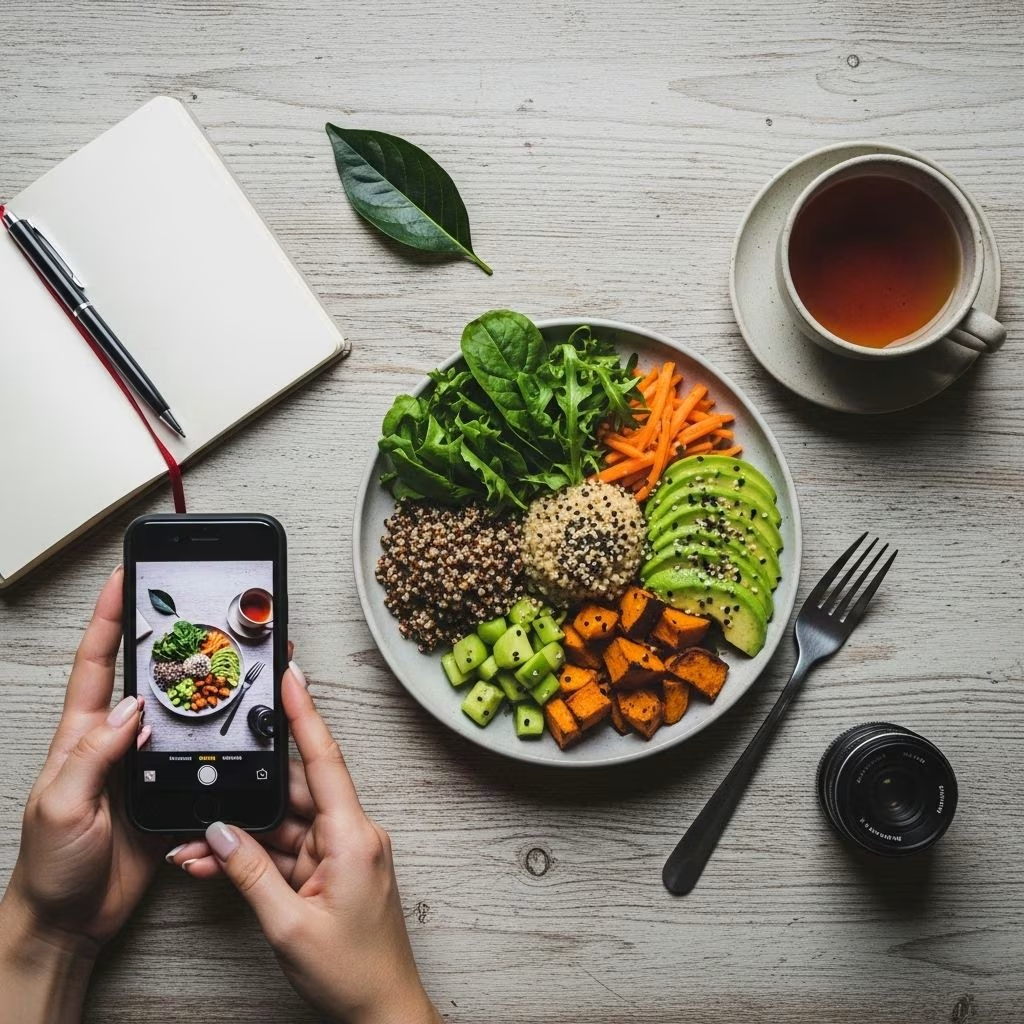
Photography has long been a medium for artistic expression and storytelling. In the context of daily rituals like eating, photography takes on a new dimension: it becomes a tool for mindfulness. Mindful meal photography not only captures what’s on your plate but invites you to slow down, notice details, and foster a deeper appreciation of your food and the present moment.
This article explores how combining the practice of mindfulness with photographing meals can transform everyday dining into moments of gratitude, curiosity, and awareness. Through research-backed insights, expert tips, practical exercises, and real-life examples, you’ll learn how to make mindful meal photography a powerful asset for your mental well-being, creativity, and relationship with food.
Introduction to Mindful Photography
Mindful photography is the practice of bringing purposeful attention to the act of creating images. Unlike conventional photography, which often prioritizes technical prowess or visual perfection, mindful photography emphasizes presence, sensation, and authentic connection with your subject—be it a landscape, a person, or a plate of food.
Through mindful photography, we train our senses and attention. By slowing down to notice color, light, texture, and shape, we connect to the world with heightened awareness. This process is especially transformative at mealtimes, a moment that’s often hurried or distracted by other concerns. With a camera in hand—whether a smartphone or a professional device—we can transform routine eating into a nourishing, sensory-rich ritual.
The Science and Spirit Behind Mindful Photography
Research and anecdotal evidence suggest that mindfulness practices, including mindful photography, activate the body’s “rest and digest” response: the parasympathetic nervous system. This results in reduced anxiety, greater relaxation, and an ability to anchor awareness in the present, away from worries and distractions.
- Attention to Detail: Framing each shot requires observation of details that often go unnoticed—the whorls in a blueberry’s skin, the delicate steam rising from soup, or the way afternoon sunlight warms a salad bowl.
- Intention and Slowing Down: Mindful photography disrupts mindless habits, inviting you to pause before you act. This mirrors mindful eating, where slowing down each bite heightens flavor and satisfaction.
- Non-judgment and Openness: The goal isn’t the “perfect” photo but genuine connection and curiosity about your food’s appearance, aroma, color, and composition.
By merging your awareness with the act of shooting, you ground yourself in the moment, cultivate gratitude, and awaken creativity—all elements essential for holistic well-being.
Why Focus on Meals: The Case for Mindful Meal Photography
Eating is a multisensory experience often taken for granted or rushed. Ironically, in an era where food photography flourishes on social media, many people disconnect from the present moment, snapping pictures on autopilot. Mindful meal photography offers a way to reclaim the act of eating as an intimate, pleasurable ritual.
- Food as a Medium: Meals naturally excite the senses: sight (color, shape), smell, taste, and touch. These elements make food an ideal subject for mindful photography.
- Breaking the Cycle of Mindless Eating: Many people eat while distracted—by screens, work, or conversation. Mindful meal photography encourages you to pause and appreciate what’s in front of you before the first bite.
- Building Gratitude and Connection: Photographing and contemplating your meals can cultivate gratitude for nourishment and the labor, resources, and relationships that brought the food to your table.
Table: Contrasting Traditional and Mindful Meal Photography
| Traditional Approach | Mindful Approach |
|---|---|
| Quick, habitual snapshots focused on social sharing | Intentional, slow observation focused on internal awareness |
| Striving for perfection or aesthetic validation | Emphasis on authenticity, sensation, and meaning |
| Often leads to further distraction (checking likes, editing excessively) | Promotes presence, gratitude, and well-being |
Benefits of Mindful Photography at Mealtime
- Heightened Sensory Awareness: Slowing down to frame your meal can enrich your experience of its colors, textures, and aromas.
- Reduced Stress and Anxiety: The meditative act of photographing a meal pulls your attention away from worries, calming the mind.
- Cultivation of Gratitude: Contemplating your food through photography invites a sense of thankfulness and reverence for the nourishment you receive.
- Improved Relationship with Food: Mindful photography can help disrupt automatic eating patterns, making you more attuned to hunger, satiety, and enjoyment.
- Creative and Emotional Expression: Using your meal as a canvas, you can express emotions or tell a story through your framing, lighting, or subject choice.
- Lasting Memories: Capturing meals mindfully creates a visual diary, helping you recall not just what you ate, but how you felt in that moment.
Mindful Photography Exercises with Food
Whether you’re sitting down for breakfast at home, sharing a family dinner, or eating on the go, the following exercises can help you bring mindfulness and creativity to your meal photography practice.
Color Hunt at the Table
Before your meal, choose a single color to focus on (e.g., green, red, yellow). Spend a minute looking for that color in your food, utensils, or table setting. Photograph anything that catches your eye, from pea pods to napkins. This hones your attention and appreciation for visual diversity.
Texture Exploration
Notice the variety of textures on your plate: the crispness of salad leaves, creamy sauces, glistening grains of rice. If safe, gently touch some elements and mindfully observe the tactile experience. Photograph the most interesting textures with care, highlighting surface patterns and contrasts.
The Ordinary, Made Special
Challenge yourself to highlight the beauty in mundane food—a piece of toast, a simple apple slice—by shooting from unusual angles or in unusual lighting. This shifts your perspective, uncovering extraordinary beauty in everyday meals.
Emotional Reflection—Food as Mood
Notice your emotional state as you photograph. Do you feel joyful, anxious, grateful, or nostalgic? Compose a shot that expresses or reflects your emotions, using color, shadow, or subject choice as a visual metaphor.
Breathe and Capture
Before each shot, pause and take three slow, deep breaths. Feel your body settle, notice any sounds or scents, and then raise your camera. This “micro-meditation” centers awareness, helping you photograph with intention.
A Step-by-Step Guide to Mindful Meal Photography
- Prepare Intentionally: Set the table or plate your food with care. Bring a sense of calm and curiosity; let go of the need for perfection.
- Pause and Observe: Before grabbing your camera or phone, take 30 seconds to notice your breath, the colors and textures of your meal, and your environment.
- Set an Intention: Decide on a theme for your photo—color, texture, shape, or emotion. This anchors your attention.
- Frame Thoughtfully: Instead of snapping multiple shots rapidly, move your body to explore different angles and points of view. Zoom with your feet for proximity.
- Breathe and Capture: Sync each photo with intentional breathing. If possible, take fewer, more deliberate photos (limit yourself to three per meal for extra challenge).
- Reflect, Don’t Judge: After shooting, review your images without criticism. Note what draws your attention and any emotions or memories they evoke.
Reflecting, Sharing, and Deepening Awareness
The benefits of mindful meal photography don’t end with the click of a shutter. Consider building simple post-shoot habits that reinforce awareness and gratitude:
- Journaling: Accompany your best photo with a few lines about how the meal made you feel, or what you noticed during the process.
- Gratitude Practice: Before eating, glance at your photograph and mentally thank all those who contributed to your meal—farmers, cooks, even yourself.
- Mindful Sharing: If you post images online, add a caption that describes your mindful experience (rather than seeking likes or validation).
- Digital or Physical Meal Diary: Over time, your collection of mindful photographs can serve as a visual gratitude journal, preserving not just foods but moods and moments of presence.
Tips for Crafting Your Mindful Meal Photography Practice
- Use What You Have: A smartphone is ample. Mindfulness, not gear, makes the difference.
- Embrace Imperfection: Blurry or off-center shots can be more expressive than technically perfect photos when captured with intention.
- Explore All Senses: Don’t limit yourself to sight: savor aromas, feel textures, listen to background sounds, and let these sensations guide your photography.
- Cultivate Regularity: Try practicing mindful meal photography once a day or a few times a week. Like meditation, benefits grow with repetition.
- Invite Others: Sharing this practice with loved ones can foster connection and spark meaningful conversation about food, gratitude, and mindfulness.
Frequently Asked Questions (FAQs)
Q: Is mindful photography just another trend like food blogging?
A: While both practices involve photographing meals, mindful photography is about deepening your presence and grateful experience with food—not about posting the “perfect plate” on social media. Its focus is internal transformation, not external validation.
Q: Do I need a fancy camera or prior experience?
A: No. Your phone’s camera is enough. The key ingredient is attention and curiosity, not technical ability or expensive gear.
Q: What if my meals aren’t ‘Instagram-worthy’?
A: Mindful photography finds beauty in the ordinary—a simple bowl of rice or a slice of toast can become a site for wonder, especially when viewed through the lens of gratitude and creativity.
Q: How does this practice affect my eating habits?
A: Mindful meal photography encourages slower, more appreciative eating, which can reduce overeating and cultivate healthier, more joyful food relationships.
Conclusion: Mindful Photography as a Gateway to Food Awareness
Practiced intentionally, mindful photography of meals transforms how we see, savor, and share food. By grounding ourselves in the present, appreciating the sensory richness of eating, and approaching meals with curiosity, each plate becomes an opportunity to nurture body, mind, and spirit. Beyond aesthetics, it is a practice of gratitude, creativity, and conscious living—one meal, and one photograph, at a time.
References
- https://ahead-app.com/blog/mindfulness/5-mindful-photography-exercises-to-calm-your-anxious-mind
- https://mattgoddardphotography.co.uk/mindfulness-photography/
- https://eastendarts.org/photography-and-mindfulness/
- https://alexandriaarttherapy.com/blog/mindful-photography
- https://seeimagery.com/motivation/mindful-photography/
- https://tinybuddha.com/blog/how-to-create-peace-and-calm-through-mindful-photography/
- https://benjaminstevens.com.au/the-true-power-of-mindfulness-photography/
- https://www.mindful.org/everyday-mindfulness-techniques-mindful-photography/
- https://www.psychologytoday.com/us/blog/child-development-central/202410/mindfulness-and-contemplative-photography


